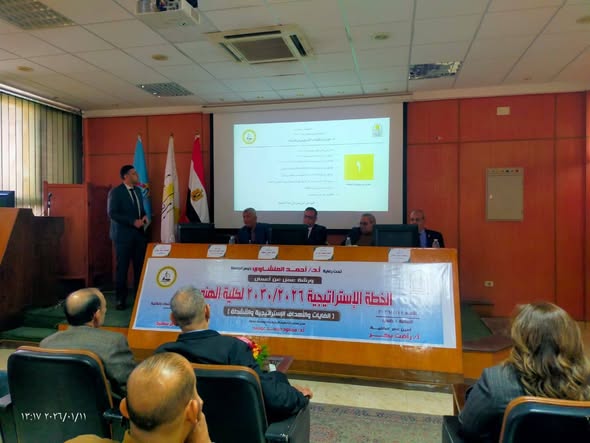
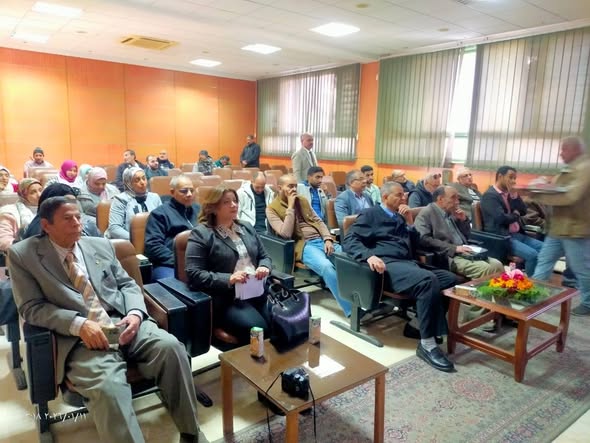
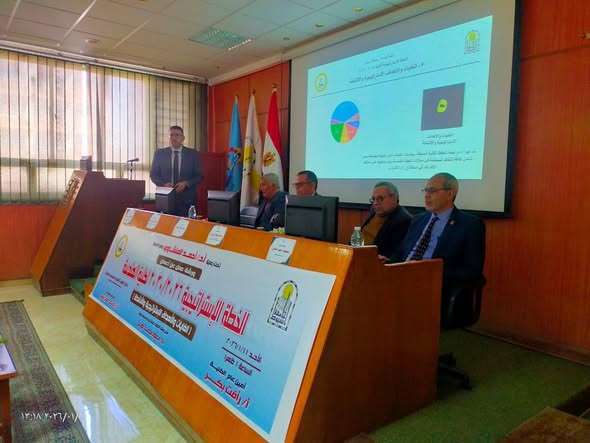
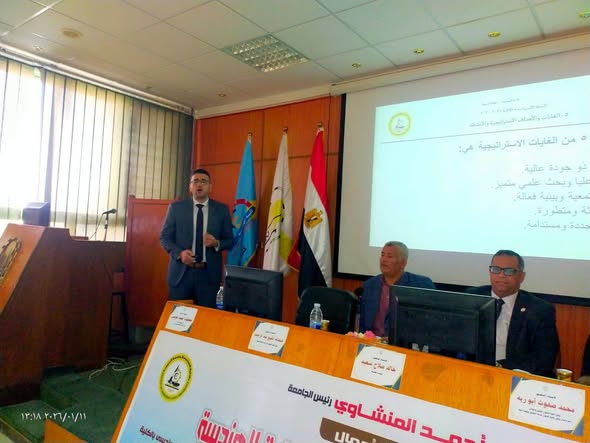
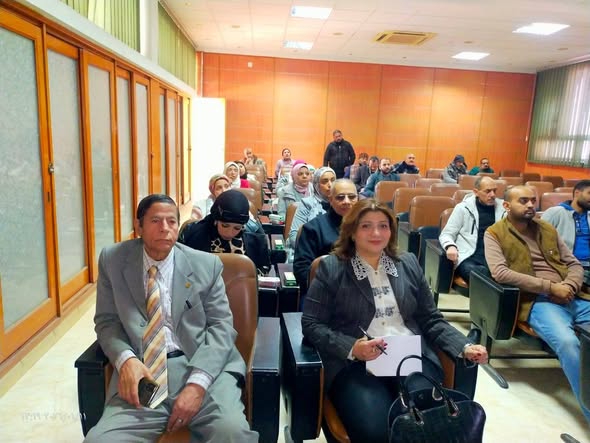
The Faculty of Engineering Council at Assiut University, in its 1153rd session held on January 13, 2026, approved the new five-year strategic plan for the Faculty for the years 2026-2030. The Faculty's Strategic Planning Office was tasked with monitoring the implementation of the plan's various activities, preparing periodic reports on progress, and presenting them to the Faculty Council on a regular basis.
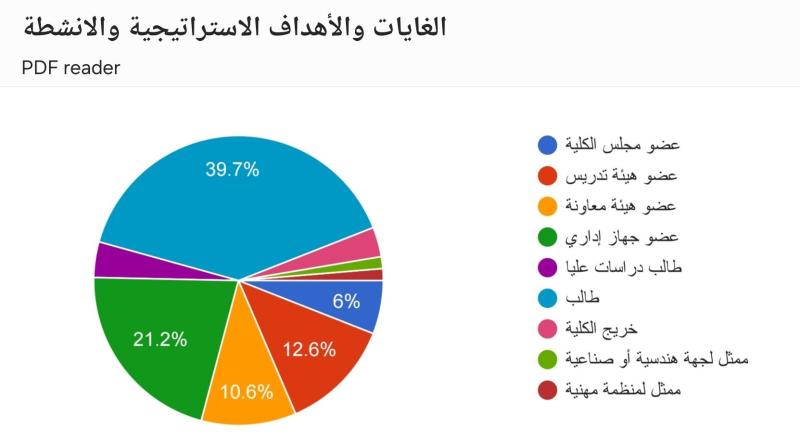
The adoption of the college's new strategic plan came after a significant effort spanning more than a year. The college administration and the plan preparation committee ensured the participation of all stakeholders involved in the college's academic, research, and service activities. This included faculty members, teaching assistants, students, administrative staff, alumni, representatives from businesses, and representatives from engineering, industrial, and professional organizations. This participation was evident at every stage of the plan's development, through regular surveys of various components. These surveys covered everything from updating the college's mission and vision, to revising guiding policies, analyzing the current situation and identifying gaps, and finally, defining strategic goals, objectives, and activities. Several workshops were also held for the plan preparation committee, as well as broader workshops with the participation of various stakeholders, to present and discuss the results of each stage of the plan's development.
The Dean of the College expressed his gratitude to the university administration, headed by Professor Dr. Ahmed El-Menshawy, the University President, and the Vice Presidents, for their ongoing support of the college and its various activities and events. He emphasized that the college's plan aligns with the university's strategic plan and fulfills the university's mission, vision, goals, and strategic objectives.
Professor Dr. Khaled Salah, Dean of the College, congratulated the Vice Deans, Department Heads, College Administration, all its staff, the planning committee, and all those involved in preparing the plan on the approval of the strategic plan and the commencement of its implementation.
The Dean of the College had reconstituted the committee tasked with preparing the new strategic plan for the college, to finalize the plan's implementation. The committee included representatives from various beneficiary groups and stakeholders within the college, namely:
1. Prof. Dr. Khaled Salah Saeed, Dean of the College, Chairman
2. Prof. Dr. Mohamed Safwat Mohamed Mohamed, Vice Dean for Education and Student Affairs, Member
3. Prof. Dr. Shehata El-Dabaa Abdel-Rahim, Vice Dean for Graduate Studies, Member
4. Prof. Dr. Mohamed Safwat Mohamed Mohamed, Acting Vice Dean for Community Service and Environmental Development, Member
5. Prof. Dr. Mahmoud Ahmed Abdullah El-Sherif, Head of the Department of Mechanical Design and Production Engineering (representing the Heads of Departments), Member
6. Prof. Dr. Mahmoud Aneib Othman Aneib, Director of the Quality Assurance Unit, Member
7. Prof. Dr. Mahmoud Mohamed Ahmed Awais, Director of the College's Strategic Planning Office, Coordinator
8. Prof. Dr. Abdel-Mottaleb Mohamed Ali Ahmed, Director of the Center for Engineering Studies and Consultations, Member
9. Prof. Dr. Mahmoud Mohamed Ahmed Awais, Director of the Student Training Unit, Member
10. Prof. Dr. Salwa Abdel Rahman Mogahed, Faculty Member
11. Dr. Ahmed Yahya Abdel Azim, Assistant Professor
12. Dr. Shaimaa Adly Abdel Rahman Sayed, Lecturer
13. Eng. Abdel Rahman Hassan Ahmed, Assistant Lecturer
14. Mr. Raafat Bakr Mohamed, College Secretary
15. Eng. Khaled Bakr Moussa, Director of the Urban Planning Authority Office in Assiut
16. Mr. Wael Hanna Sadek, Administrator at the Center for Engineering Studies and Consultations, Committee Secretary
17. Dana Adel Mosaad, Third Year Student, Mining and Metallurgical Engineering Department
1
1