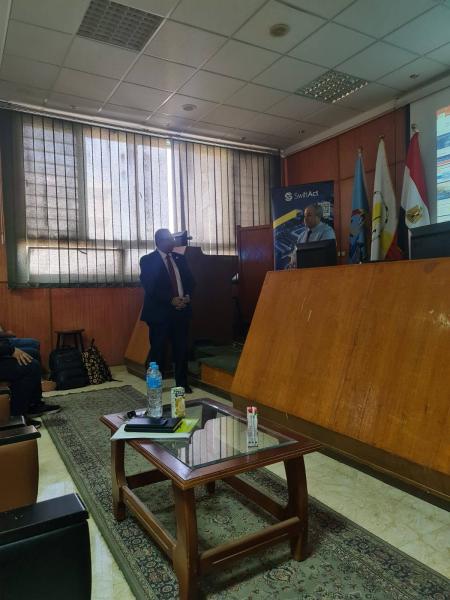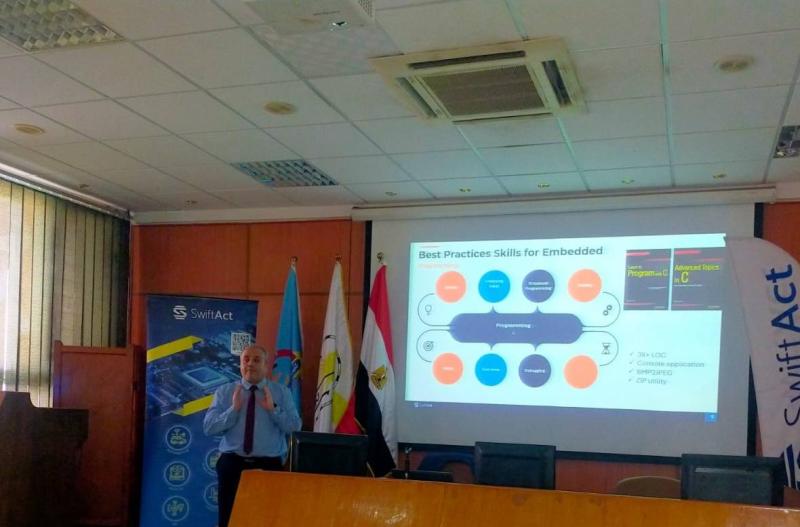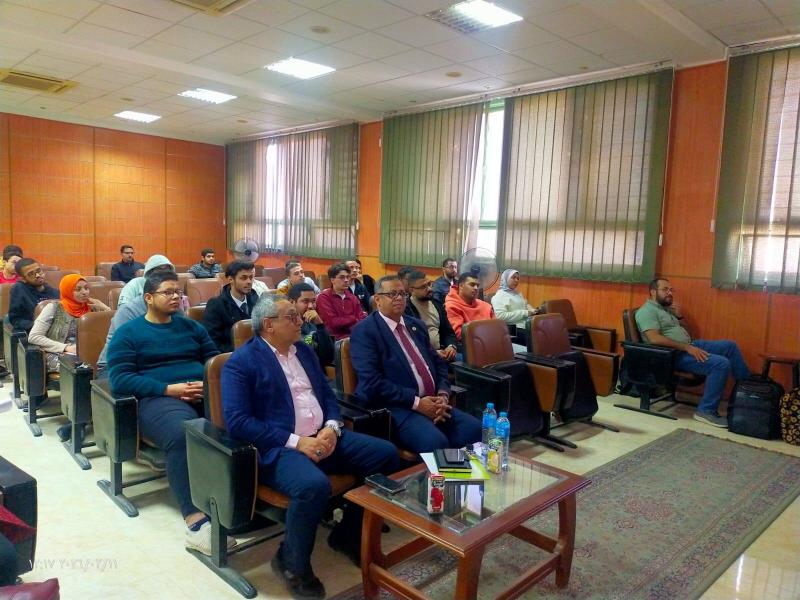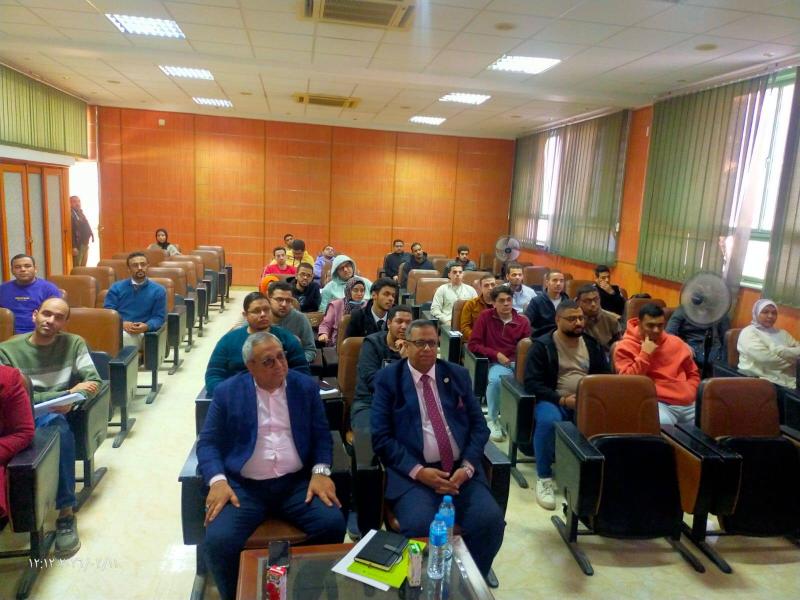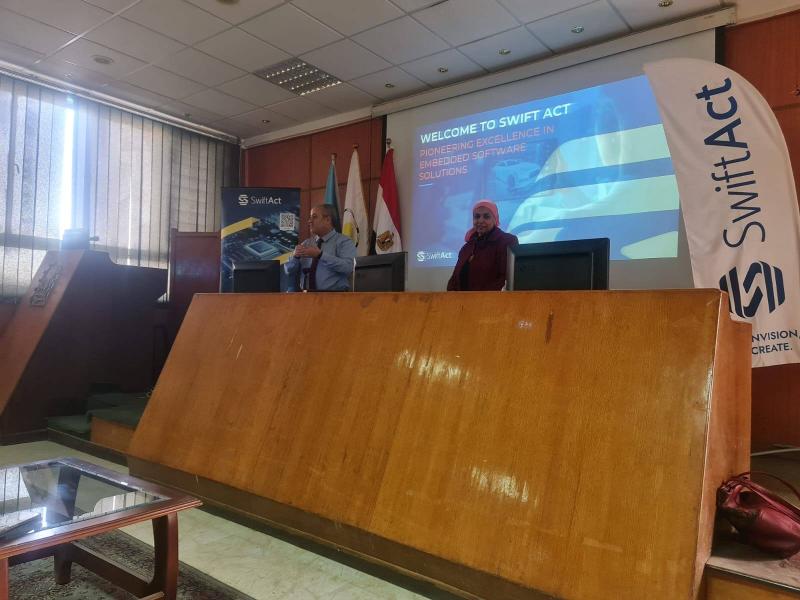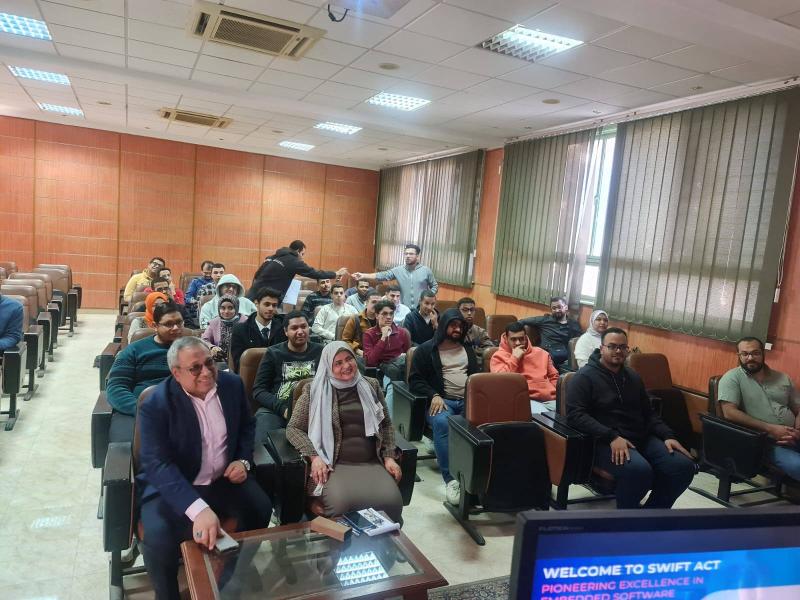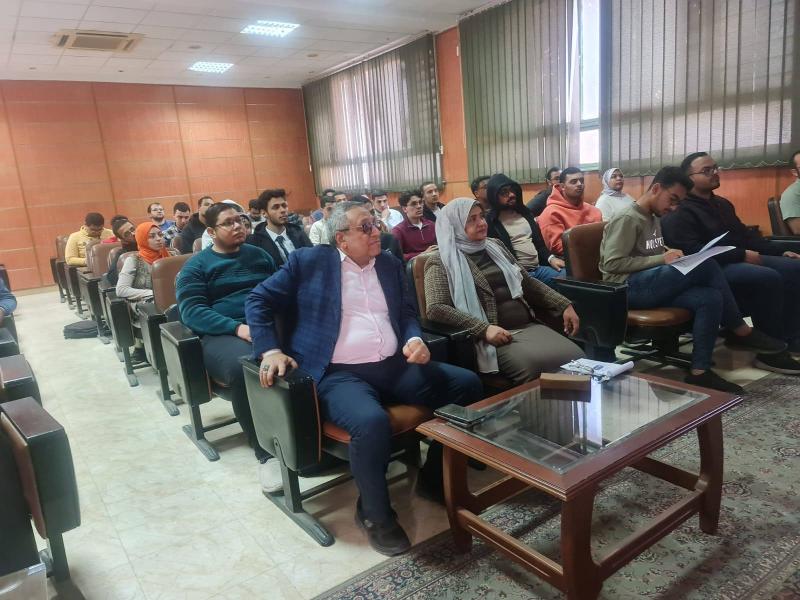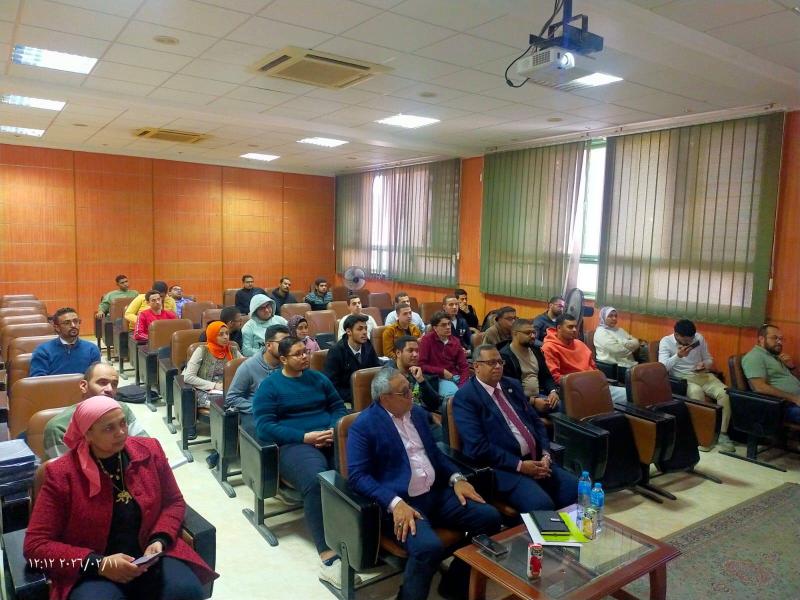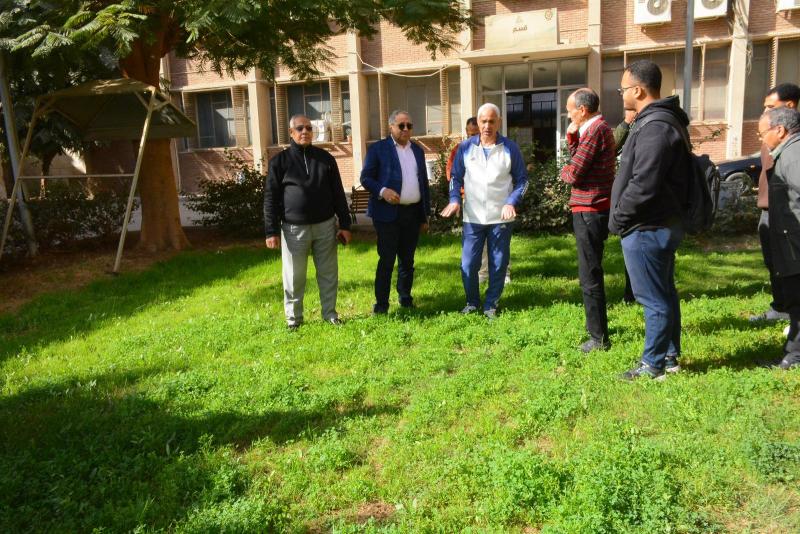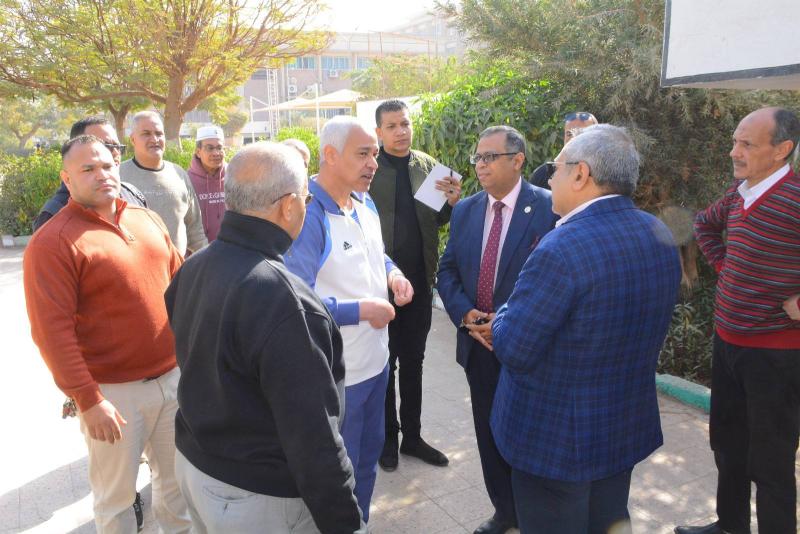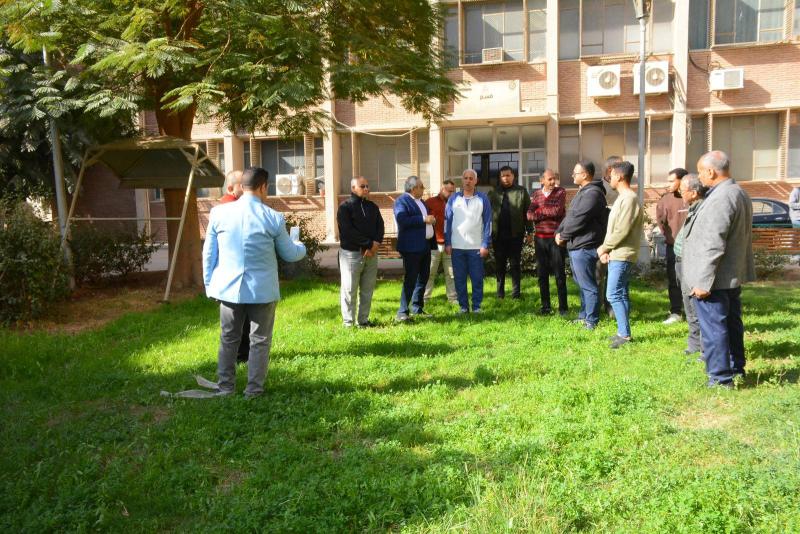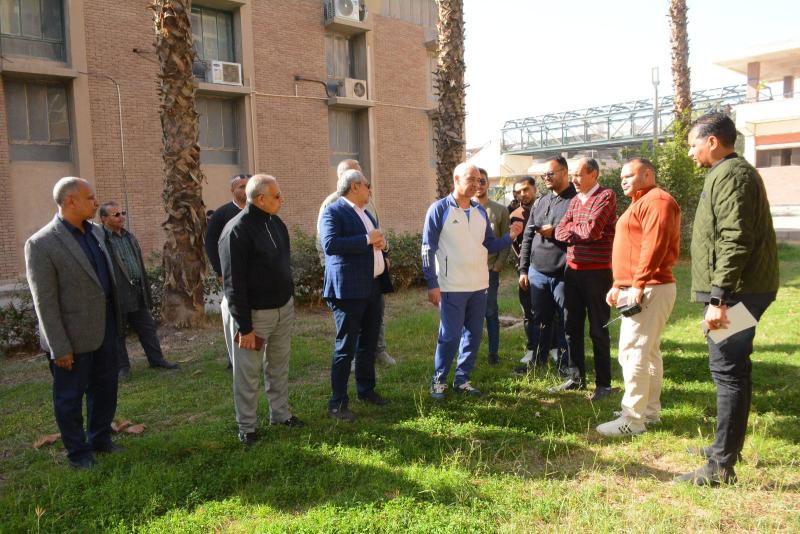

The college is hosting SwiftAct.

Under the patronage of Professor Dr. Ahmed Al-Minshawy, President of the University, Professor Dr. Ahmed Abdel Mawla, Vice President of the University for Education and Student Affairs, and Professor Dr. Khaled Salah, Dean of the College, and under the supervision of Professor Dr. Mohamed Safwat Aburayeh, Vice Dean of the College for Education and Student Affairs, and Dr. Zainab Ibrahim Abdel Shafi, Director of the Graduate and Employment Follow-up Unit, and within the framework of the College’s efforts to communicate with industrial bodies and various employment agencies, to familiarize students with the skills required for the labor market, in addition to providing job opportunities for College graduates, the College hosted a day Wednesday, February 11, 2026, Swift Act Company, one of the largest companies working in the field of embedded systems programming, presented a career day for college graduates, where the company’s fields of work and the skills required for the labor market in the field of embedded systems were presented, in addition to the employment opportunities available at the company and other training opportunities at the company.
The symposium and workshop were presented by Engineer Amr Ali Abdel Nabi, Engineer Mohamed Mamdouh, and Engineer Nagham Mubarez.
The company officials were received by Professor Dr. Khaled Salah, Dean of the College, Professor Dr. Mohamed Safwat Aburayeh, Vice Dean of the College for Education and Student Affairs, Professor Dr. Salwa Abdel Rahman Mujahid, Vice Dean of the College for Community Service and Environmental Development Affairs, and Dr. Zainab Ibrahim Abdel Shafi, Director of the Graduate Follow-up and Employment Unit at the College and Coordinator of the Symposium and Workshop.
Following the end of the symposium and workshop, it was agreed to study a cooperation protocol between the college and the company that includes various aspects of cooperation between the two sides.