Do you have any questions?

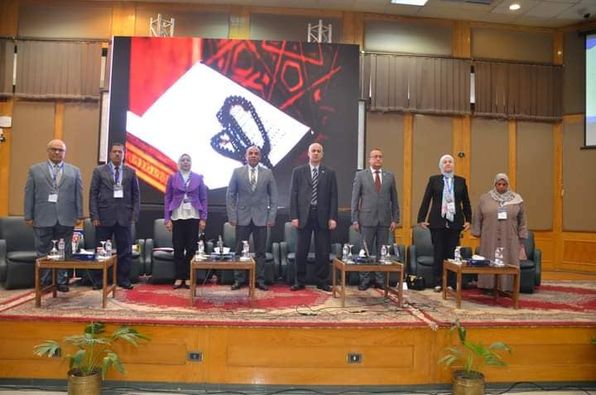
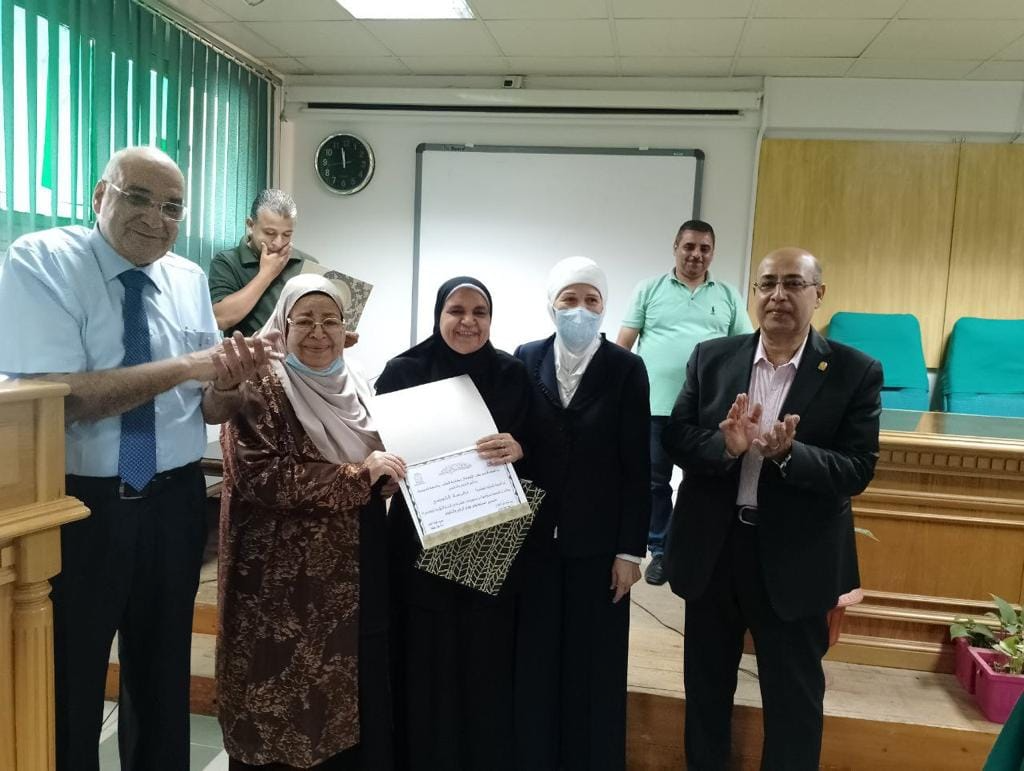
The launch of the proceedings of the sixth annual scientific conference of the Assiut Chest Society in cooperation with the Department of Chest Diseases at the Faculty of Medicine, Assiut University, entitled “Fundamentals of Pulmonary Medicine”

 اللجنة الثلاثية لشئون الطلاب (نظام حديث )اللجنة الثلاثية لشئون الطلاب(نظام قديم)اللجنة الثلاثية للدكتوراه اللجنة الثلاثية للماجستيراللجنة الثلاثية للطلاب (تخلفات قديم)لجنة الكنترولالأشراف العلمي على الأطباء المقيمين

ABSTRACT
Background: Intra-articular drugs and local anaesthetics are the most popular methods for pain relief after arthroscopic knee procedure. Many drugs, including opioids, non-steroidal antiinflammatory drugs, ketamine, clonidine, and neostigmine, have been used intra-articularly. Objectives: The aim of our study was to compare the analgesic effect of intraarticular injection of ketamine bupivacaine and neostigmine bupivacaine in patients undergoing arthroscopic knee surgery under intra-thecal anaethesia. Design: a randomized controlled trial included 100 Patients were randomly divided into two groups 50 patients each, setting: the study was conducted in Assuit university tertiary hospital, Egypt. Intervevtions: Neostigmine group received intra-articular 0.5mg/dose neostigmine + 20 ml 0.25% bubivacaine and ketamine group received intra-articular 0.5 mg/kg ketamine + 20 ml 0.25% bubivacaine. VAS score was used for post-operative evaluation of pain every 4 hours over a 24 hour period. The total analgesic dose and any side effects were also recorded. Results: There were no significant differences in VAS score between the two studied groups but Time to rescue analgesia was significantly longer in the ketamine group (447.70± 48.109 minutes) than in the neostigmine group (257.60± 47.243 minutes) with P value ≤ 0.000. There was a significant difference in the analgesic dose of ketorolac between ketamine group and neostigmine group. Conclusion: Injection of intra-articular ketamine bupivacaine provided better postoperative analgesia, less side effects and low supplementary analgesic dose than intra-articular neostigmine bupivacaine. Trial registration: This study is registered by the local research ethics committee and its Approval Number: IRB00008788 and registered at www.clinicaltrials.gov under number NO: NCT02720705. Key words: analgesic dose, intra-articular, ketamine, neostigmine
Abstract
Background: Microcirculatory function is the main prerequisite for adequate tissue oxygenation and organ function. It transports oxygen and nutrients to tissue cells, ensure adequate immunological function and, in disease, delivers therapeutic drugs to target cells. Recruiting microcirculation, i.e., non-perfused or intermittently perfused capillaries might improve tissue perfusion, mitigating the progression to organ failure and death. Nitroglycerin has been used in different shock states particularly in sepsis. The effect is variable and debatable suggesting an improvement of microcirculation.
Patients and Methods: 60 adult patients with hemorrhagic shock admitted to the Emergency Department within 6 hours of trauma event, resuscitation immediately started according to advanced trauma life support ATLS® protocol 2016 with control of the bleeding source. Nitroglycerine patch 5mg applied to patients after the first hour of resuscitation. The study period corresponded to the outcome of the first 48 hours of trauma unit or ICU resuscitation. Patients considered successfully resuscitated if they had normal lactate levels (≤2mmol/L).
Results: 60 patients enrolled in this study, 10 patients were excluded; 3 of them due to uncontrolled bleeding and 7 due to marked hypotension. 50 patients continued in the study (38 men, 12 women) with mean age was (29.1 ± 10.8ys); of them 45 survived (90%) and 5 did not survive (10%). Patients received mean crystalloid volume (6100 ± 1410.67ml), mean colloid volume (490 ±457.25ml), mean packed RBCs (4.34± 1.33 units), mean fresh frozen plasma (3.08± 1.65 units) and mean nor-adrenaline dose (7.94± 10.55µg/kg/minute). Baseline perfusion index was (0.37±0.21), mean heart rate (128.46± 18.18 beat/minute), systolic blood pressure (78.08 ± 7.47mmHg), diastolic blood pressure (40.20±7.39mmHg), mean arterial pressure (53.44±6.43mmHg), central venous pressure (–1 .46±2.77cmH2O) and baseline modified shock index was (2.45±0.56). Baseline serum lactate was (8.61 ± 1.86 mmol/L), base deficit was (–12.59±5.57). Perfusion index showed statistically significant increase in survivors than non survivors at 12, 18, 24, 30, 36, 42, 48 hours (p<0.001). Serum lactate level was significantly higher in non survivors group than survivor group (p<0.001). Base deficit was significantly higher in non survivors than survivors (p<0.001).
Correspondence to: Dr. Medhat Sayed Ali, E-Mail: medhat_sayed69@yahoo.com
Conclusion: Use of nitroglycerin patch 5mg improved PI at 6 to 48 hours post resuscitation and reduce mortality rate (in this study was 10%) while in other previous studies with the same sample size of hemorrhagic shock patients without use of nitroglycerin it was higher (about 30%).
This study is registered at www.clinicaltrials.gov under number NCT03235921.
Key Words: Base deficit – Nitroglycerin – Perfusion index – Serum lactate.
Introduction
Trauma is the main cause of death in age group less than 45 years. A lot of clinical parameters including heart rate, pulse rate, blood pressure, shock index (SI), and modified shock index (MSI) are used to predict the severity of hemorrhage in trauma patients. In 2012 Choi and colleagues proposed for the first time a new index (NI) based on lactate concentration and peripheral perfusion index for assessment of shock in a rat model. In this trial, we propose for the first time a new severity predicting index (NI) based on lactate concentration/peripheral perfusion ratio as an indicator of hemorrhage-related mortality in humans.
Materials and methods
This prospective trial is a single-center study of 122 consecutive adult polytraumatized patients with hemorrhagic shock admitted to trauma center within 6 h of the trauma, and underwent resuscitation according to the advanced trauma life support protocol (2016). Protocol-related measurements were obtained immediately after admission and over 48 h postresuscitation for metabolic perfusion parameters, serum lactate, perfusion index, and other hemodynamic parameters. The period of the study corresponds to the outcome after 48 h of admission. Resuscitation measures were considered successful when lactate levels were less than or equal to 2 mmol/l in addition to stable macrohemodynamic parameters at the end of this period.
Results
Characteristically, the survivors had NI of 40 ± 2.7 on admission, compared with 87.1 ± 13 of nonsurvivors with highly significant difference. MSI showed a significant difference (nearly doubled) between survivors and nonsurvivors. SI showed nearly the same change, nearly doubled. NI showed lower prediction value for mortality than MSI and SI (P = 0.05) 0.884, 0.905, and 0.908, respectively.
Conclusion
This study confirms, for the first time in humans, the validity of severity index as independent parameter in prediction of mortality in comparison with MSI.
Keywords:
hemorrhagic shock, lactate and perfusion index, modified shock index, severity index, shock index