Correction of high degrees of astigmatism following phacoemulsification using manual or femtosecond laser-guided limbal astigmatic keratotomy

Research Abstract

Purpose To evaluate the safety and efficacy of manual limbal astigmatic keratotomy (AK) compared to femtosecond laser-guided limbal astigmatic keratotomy (FLAK) to correct corneal astigmatism more than 3 diopters (D) after phacoemulsification. Study design Prospective, comparative, randomized, interventional study. Patients and methods This prospective study included 35 patients (40 eyes) divided into two groups. Group A included 16 patients (20 eyes) who had received FLAK and group B included 19 patients (20 eyes) who had received manual limbal AK using a diamond knife. All patients were suffering from corneal astigmatism after conventional phacoemulsification. This study was conducted from April 2024 to January 2025. Corneal astigmatism was measured by corneal tomography and Scheimpflug imaging (pentacam). Results The mean topographic corneal astigmatism was reduced from 4.78±1.4 to 1.78±1.31 D 3 months postoperatively in the FLAK group with a statistically highly significant difference (P<0.001) and from 4.93±1.03 to 1.98±1.31 D in the manual limbal AK group with a statistically highly significant difference (P<0.001). The mean topographic corneal astigmatism 3 months postoperatively showed a statistically nonsignificant difference between the two groups (P=0.608). Although there was no statistically significant difference between the two groups, the mean arithmetic reduction of astigmatism was 3 D in the femtosecond AK group, which was higher than the mean arithmetic reduction of astigmatism in the manual AK group, which was 2.95 D. The surgery was uneventful in both groups with no adverse events. Conclusion FLAK and manual limbal AK are safe, predictable, and effective methods for correcting preexisting or surgically induced high degrees of corneal astigmatism after phacoemulsification, with the possibility to correct up to 4 D of corneal astigmatism.
Research Authors
Ashraf Rashwan, Ehab Wasfi, Khaled Abdelazeem, Mahmoud Abdel-Radi, Momen A.M. Aly
Research Date
Research Department
Research Journal
Journal of the Egyptian Ophthalmological Society
Research Pages
349-355
Research Publisher
Egyptian Ophthalmological Society
Research Vol
118(4)
Research Website
https://journals.lww.com/egos/fulltext/2025/10000/correction_of_high_degrees_of_astigmatism.6.aspx
Research Year
2025

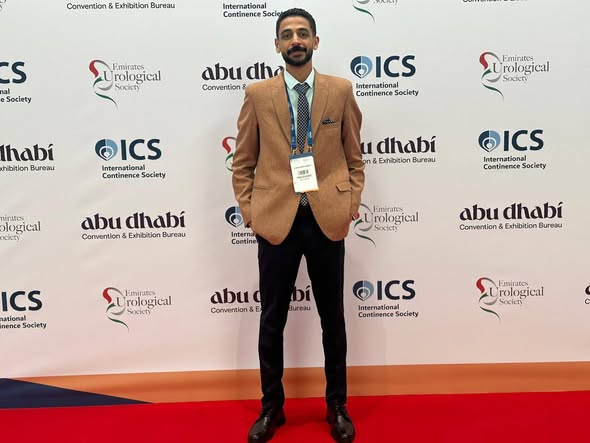
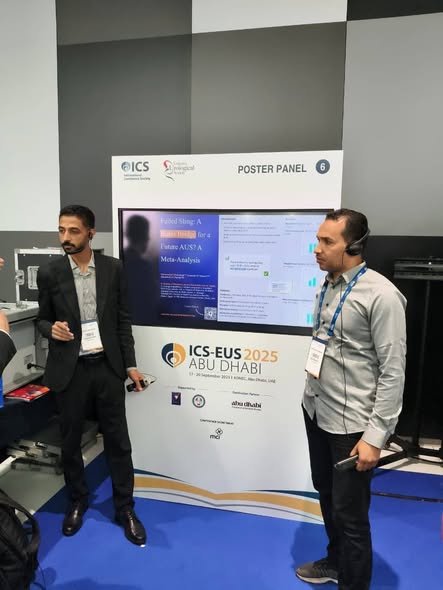
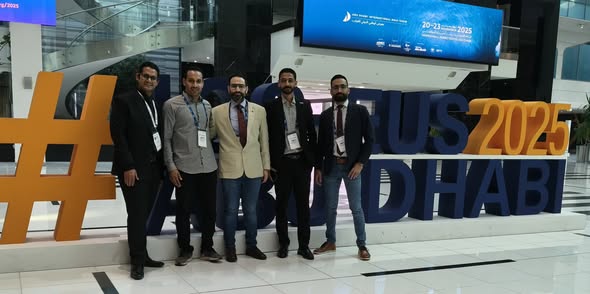
The distinguished participation of the fifth-year student, Hamza Ahmed Mahmoud Mohamed, and his honorable representation of the college and Assiut University in the annual conference of the International Continence Society (ICS) 2025, which was held in Ab

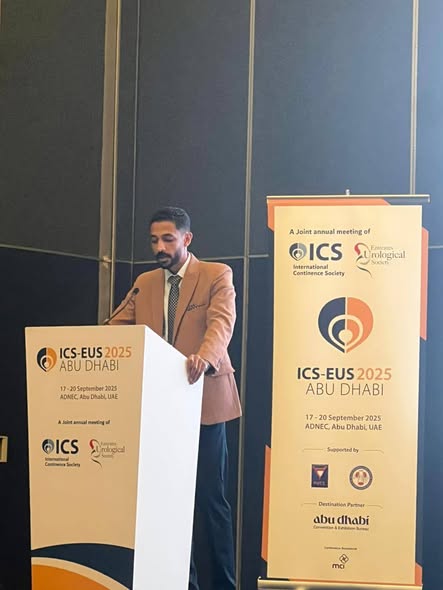
The distinguished participation of the fifth-year student, Hamza Ahmed Mahmoud Mohamed, and his honorable representation of the college and Assiut University in the annual conference of the International Continence Society (ICS) 2025, which was held in Abu Dhabi in cooperation with the Emirates Urological Association.

إنجاز جديد لأبنائنا الطلاب فى مجال البحث العلمى وهو خير دليل على نجاح كلية الطب جامعة أسيوط في بناء جيل من الأطباء الباحثين القادرين على المنافسة عالميًا

وذلك بمشاركة الطالب/ حمزة أحمد محمود محمد، بالفرقة الخامسة، المتميزة وتمثيله المُشرف للكلية ولجامعة أسيوط في المؤتمر السنوي للجمعية الدولية للسلس البولي (ICS) 2025، والذي عُقد في مدينة أبو ظبي بالتعاون مع الجمعية الإماراتية للمسالك البولية.

حيث تم قبول ثلاثة من أبحاثه العلمية لعرضها في هذا المحفل الدولي الذي يضم نخبة من الخبراء والمتخصصين في مجال جراحة المسالك البولية من جميع أنحاء العالم.

وقد تم اختيار أحد أبحاثه ليكون ضمن العروض التقديمية الشفهية (Podium Presentation)، وهو شرف علمي يعكس القيمة البحثية العالية للعمل المُقدم، بالإضافة إلى عرض بحثين آخرين في صورة ملصقات بحثية (Poster Presentations).

وتهني اسرة كلية الطب الطالب حمزة احمد على هذا الأداء المُشرف، ومع جزيل الشكر والتقدير للسادة الأساتذة بقسم المسالك البولية على دعمهم وتوجيههم المستمر لأبنائهم الطلاب. نتمنى له مسيرة علمية ومهنية حافلة بالنجاحات.

مشاركة الطالب/ حمزة أحمد محمود محمد، بالفرقة الخامسة، المتميزة وتمثيله المُشرف للكلية ولجامعة أسيوط في المؤتمر السنوي للجمعية الدولية للسلس البولي (ICS) 2025، والذي عُقد في مدينة أبو ظبي بالتعاون مع الجمعية الإماراتية للمسالك البولية.


مشاركة الطالب/ حمزة أحمد محمود محمد، بالفرقة الخامسة، المتميزة وتمثيله المُشرف للكلية ولجامعة أسيوط في المؤتمر السنوي للجمعية الدولية للسلس البولي (ICS) 2025، والذي عُقد في مدينة أبو ظبي بالتعاون مع الجمعية الإماراتية للمسالك البولية.مشاركة الطالب/ حمزة أحمد محمود محمد، بالفرقة الخامسة، المتميزة وتمثيله المُشرف للكلية ولجامعة أسيوط في المؤتمر السنوي للجمعية الدولية للسلس البولي (ICS) 2025، والذي عُقد في مدينة أبو ظبي بالتعاون مع الجمعية الإماراتية للمسالك البولية.


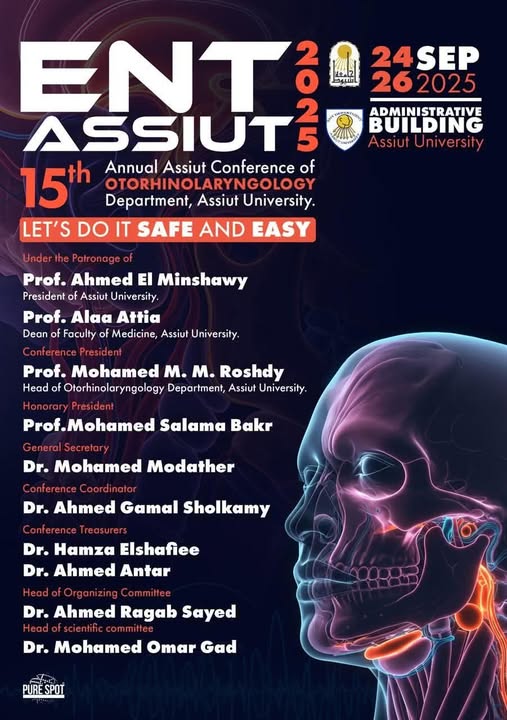
Tomorrow, God willing, we will host the 15th Conference of the Department of Otorhinolaryngology, Faculty of Medicine, Assiut University. The conference will begin at 9:00 AM in the Assiut University Administrative Building.

Tomorrow, God willing, we will host the 15th Conference of the Department of Otorhinolaryngology, Faculty of Medicine, Assiut University. The conference will begin at 9:00 AM in the Assiut University Administrative Building.

Tomorrow, God willing, we will host the 15th Conference of the Department of Otorhinolaryngology, Faculty of Medicine, Assiut University. The conference will begin at 9:00 AM in the Assiut University Administrative Building.


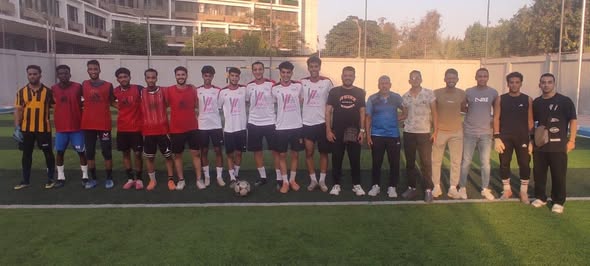
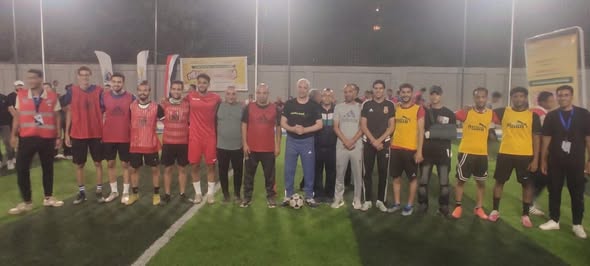
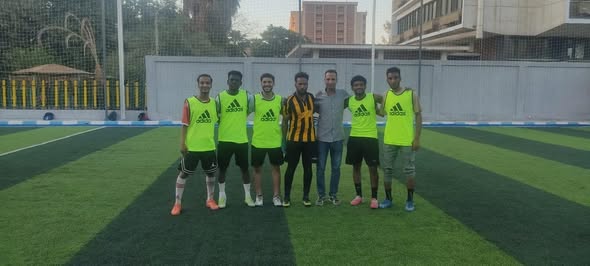
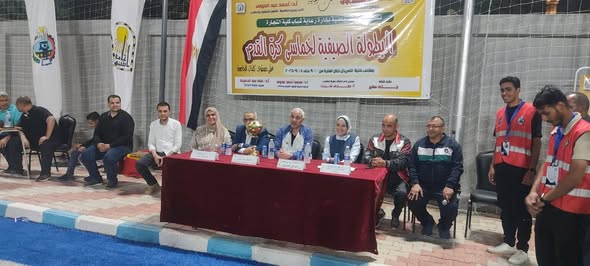
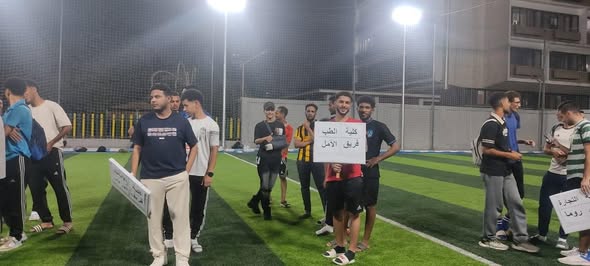
The Faculty of Medicine's futsal team takes second place in a tournament hosted by the Faculty of Commerce.

The Faculty of Medicine's futsal team takes second place in a tournament hosted by the Faculty of Commerce.


تحت رعاية الاستاذ الدكتور أحمد المنشاوي رئيس الجامعة ، والاستاذ الدكتور علاء عطية عميد كلية الطب ورئيس مجلس إدارة المستشفيات الجامعية ، والاستاذ الدكتور محمد عبدالرحمن وكيل الكليه لشئون التعليم والطلاب وإشراف الاستاذ هيثم النشار مدير إدارة رعاية الشباب ، والاستاذ مصطفى محمود الاخصائي الرياضى.

فاز فريق كرة القدم الخماسي بالكلية على المركز الثاني في الدورة التي اقامتها كلية التجارة، والتي شارك فيها ١٨ فريق من مختلف كليات الجامعة في الفتره من ١٠/ ٩ الى ١٨ /٩ /٢٠٢٥ .

اعضاء فريق كرة القدم الخماسية:

عثمان عبد الوهاب عبدالله            الفرقه الرابعة

المعز بالله محمد الفاتح                الفرقة الرابعة

محمد حسن إبراهيم عبدالله         الفرقة الرابعة

محمود اسامه محمود صالح          الفرقة الثانية

حامد ابراهيم حامد                      الفرقة الثالثة

مصطفى عبد النبي فخري              الفرقة الاولى

و شارك بالتدريب

 الطالب مصطفى حسن صابر.        الفرقة الثانية


فريق كرة القدم الخماسي بكلية الطب يحصل على المركز الثاني في الدورة التي اقامتها كلية التجارة.​    ​فريق كرة القدم الخماسي بكلية الطب يحصل على المركز الثاني في الدورة التي اقامتها كلية التجارة.فريق كرة القدم الخماسي بكلية الطب يحصل على المركز الثاني في الدورة التي اقامتها كلية التجارة.


فريق كرة القدم الخماسي بكلية الطب يحصل على المركز الثاني في الدورة التي اقامتها كلية التجارة.


Protection against malaria due to innate immunity enhanced by low-protein diet

Research Abstract

Mice were fed ad libitum with a normal diet (25% protein) or low-protein diets (0–12.5% protein) for a wk and then infected with a nonlethal or lethal strain of Plasmodium yoelii, that is, blood stage infection. The same diet was continued until recovery. Mice fed with a normal diet showed severe parasitemia during nonlethal infection, but survived the infection. They died within 2 wk in the case of lethal infection. However, all mice fed with low-protein diets survived without apparent parasitemia (there were small peaks of parasitemia) in cases of both nonlethal and lethal strains. These surviving mice were found to have acquired potent innate immunity, showing the expansion of NK1.1!TCRint cells and the production of autoantibodies during malarial infection. Severe combined immunodeficiency (scid) mice, which lack TCRint cells as well as TCRhigh cells, did not survive after malarial infection of lethal strain of P. yoelii, even when low-protein diets were given. These results suggest that low-protein diets enhanced innate immunity and inversely decreased conventional immunity, and that these immunological deviations rendered mice resistant against malaria. The present outcome also reminds us of our experience in the field study of malaria, in which some inhabitants eventually avoided contracting malaria even after apparent malarial infection

Research Authors
Anoja Ariyasinghe, Sufi Reza M Morshed, M Kaiissar Mannoor, Hanaa Y Bakir, Hiroki Kawamura, Chikako Miyaji, Toru Nagura, Toshihiko Kawamura, Hisami Watanabe, Hiroho Sekikawa, Toru Abo
Research Date
Research Department
Research Journal
Journal of Parasitology
Research Pages
531-538
Research Vol
92

[ Protection against malaria due to innate immunity enhanced by low-protein diet

Research Abstract

Mice were fed ad libitum with a normal diet (25% protein) or low-protein diets (0–12.5% protein) for a wk and then infected with a nonlethal or lethal strain of Plasmodium yoelii, that is, blood stage infection. The same diet was continued until recovery. Mice fed with a normal diet showed severe parasitemia during nonlethal infection, but survived the infection. They died within 2 wk in the case of lethal infection. However, all mice fed with low-protein diets survived without apparent parasitemia (there were small peaks of parasitemia) in cases of both nonlethal and lethal strains. These surviving mice were found to have acquired potent innate immunity, showing the expansion of NK1.1!TCRint cells and the production of autoantibodies during malarial infection. Severe combined immunodeficiency (scid) mice, which lack TCRint cells as well as TCRhigh cells, did not survive after malarial infection of lethal strain of P. yoelii, even when low-protein diets were given. These results suggest that low-protein diets enhanced innate immunity and inversely decreased conventional immunity, and that these immunological deviations rendered mice resistant against malaria. The present outcome also reminds us of our experience in the field study of malaria, in which some inhabitants eventually avoided contracting malaria even after apparent malarial infection

Research Authors
Anoja Ariyasinghe, Sufi Reza M Morshed, M Kaiissar Mannoor, Hanaa Y Bakir, Hiroki Kawamura, Chikako Miyaji, Toru Nagura, Toshihiko Kawamura, Hisami Watanabe, Hiroho Sekikawa, Toru Abo
Research Date
Research Department
Research Journal
Journal of Parasitology
Research Pages
531-538
Research Vol
92

Reasons why DBA/2 mice are resistant to malarial infection: expansion of CD3int B220+ γδ T cells with double‐negative CD4– CD8– phenotype in the liver

Research Abstract

DBA/2 (H-2d) mice are known to be more resistant than C57BL/6 (B6, H-2b) mice to the non-lethal 17XNL strain of Plasmodium yoelii. This is a very strange phenomenon because the functions of conventional T cells, especially CD8+ T cells, are known to be somewhat lower in DBA/2 mice than in other strains of mice. We examined herein how immune responses differed between DBA/2 mice and B6 mice during malarial infection. DBA/2 mice and (DBA/2 × B6)F1 (BDF1, H-2b/d) mice were found to have milder parasitaemia and to recover more quickly from malarial infection than B6 mice. These DBA/2 and BDF1 mice were also found to experience a marked expansion of interleukin (IL)-2Rβ+ CD3int cells and γδ T cells in the liver, especially in the recovery phase. The expansion of unconventional T cells (i.e. B220+ T cells) was also marked in DBA/2 and BDF1 mice. The majority of B220+ T cells were γδ T cells and these T cells were double-negative CD4− CD8−. More importantly, the production of immunoglobulin M (IgM)-type anti-DNA autoantibody was also higher in DBA/2 and BDF1 mice than in B6 mice. In conjunction with data on cytokine production, these results indicate that primitive T and B cells, namely autoreactive extrathymic T cells and autoantibody-producing B cells, may be much more activated in DBA/2 mice and therefore resistant to the non-lethal 17XNL strain of P. yoelii.

 
Research Authors
Hanaa Y Bakir, Chikako Tomiyama‐Miyaji, Hisami Watanabe, Toru Nagura, Toshihiko Kawamura, Hiroho Sekikawa, Toru Abo
Research Date
Research Department
Research Journal
Immunology
Research Pages
127-135
Research Vol
117
Research Year
2006

Cytokine profile of murine malaria: stage-related production of inflammatory and anti-inflammatory cytokines

Research Abstract

Balance between inflammatory and anti-inflammatory cytokines may be important in malaria presentation and outcome. To clarify cytokine interactions that produce pathology of malaria and control infection, C57BL/6 mice were infected with 10(4) parasitized RBCs from a non-lethal strain of Plasmodium yoelii. Kinetics was monitored showing the course of parasitemia, and cytokines were determined by RT-PCR from liver and spleen tissues. Inflammatory cytokines such as interferon-γ (IFNγ), interleukin (IL)-12, IL-6, tumor necrosis factor-α (TNFα) and anti-inflammatory cytokines, including IL-4 and IL-10, were investigated as key molecules that interact with immune cells in the activation of the immune responses. The production of IFNγ mRNA was found to be higher on day 7 than on day 21 after infection, and IL-12 and IL-6 showed higher expression in the liver than in the spleen. Though TNFα was highly expressed on day 14 after infection and on day 21 in the liver, such expression was decreased on day 21 in the spleen. Anti-inflammatory cytokines showed high expression in both the liver and spleen. The results suggest that a relative balance between inflammatory and anti-inflammatory cytokines is crucial and that the increase of inflammatory cytokine levels during the acute phase of malaria may reflect an early and effective immune response.The counteraction effect of anti-inflammatory cytokines is thought to play a role in limiting progression from uncomplicated malaria to severe life-threatening complications.

Research Authors
Hanaa Y Bakir 1, Chikako Tomiyama, Toru Abo
Research Date
Research Department
Research Journal
Biomedical Research
Research Pages
203-208
Research Vol
32
Research Year
2011
Subscribe to