Serum and urine monocyte chemoattractant protein-1 as a markers for lupus nephritis.

Research Abstract

Lupus nephritis (LN) is a common major organ manifestation and main cause of morbidity and mortality of the disease. We aimed to determine the level of serum and urinary monocyte chemoattractant protein1(sMCP-1 and uMCP-1) in systemic lupus erythematosus (SLE) patients with and without LN and analyze their association with different clinical and serologic parameters of disease activity. We enrolled 60 female patients with SLE (32 with LN and 28 without LN) and 20 controls.MCP-1 and anti-dsDNA were measured by ELISA. There was statistically significant increase in serum and urinary MCP-1 in all SLE patients (mean=711.59, 676.68 pg/ml respectively) as compared to the control group (mean= 635.70, 632.40 pg/ml respectively), P=0.034, 0.020 respectively. Among patients with LN there was statistically significant increase in sMCP-1 (mean=723.58) compared to the control group (P=0.038, and in uMCP-1 (mean=699.08) compared to patients without LN (mean=651.07) and control group (mean=632.40), P=0.007, 0.002 respectively. Urinary, but not serum MCP-1, positively correlated with 24 hour proteinuria, anti-dsDNA, renal SLEDAI ,biopsy activity index (r=0.362, P=0.004; r=0.303, P=0.019; r= 0.267, P=0.039; r=0.353, P=0.047 respectively) and negatively correlated with serum albumin (r=-0.329, P=0.010).There was statistically significant increase in uMCP-1 and anti-dsDNA in patients with poor response compared to patients with good response to immunosuppressant therapy (P= 0.025; P=0.034 respectively). In conclusion, uMCP-1 is associated with LN and disease activity and may be used as a useful tool for diagnosis and follow up

Research Authors
Mohamed A Abozaid, Ghada H Ahmed, Nabawia M Tawfik, Sohair K Sayed, Abeer M Ghandour, Rasha A Madkour
Research Date
Research Department
Research File
Research Journal
Egypt J Immunol
Research Member
Research Pages
97-107
Research Vol
27
Research Year
2020

Urinary tissue factor (uTF), tissue factor pathway inhibitor (TFPI) and plasmin as novel biomarkers in early diagnosis of lupus nephritis.

Research Abstract

Systemic lupus erythematosus (SLE) is an autoimmune inflammatory disease, with multi systematic affection. Lupus nephritis (LN) is the most frequent cause of renal damage in SLE patients with variable presentations that may progress to end stage renal failure. Coagulation disorders are frequently reported in SLE and LN with higher mortality rates. Renal biopsy is an invasive process, and the existing indicators for LN diagnosis and activity are unreliable. New urinary biomarkers with significant validity, safety, and accuracy are the current focus of most studies. Our study sought to assess the value of urinary tissue factor (uTF), tissue factor pathway inhibitor (TFPI), and plasmin as biomarkers for the early identification and detection of LN and its activity. This was a cross-sectional study, included 100 subjects (80 SLE patients, and 20 healthy controls), they were recruited from the Internal Medicine department, Rheumatology and Nephrology units and outpatient's clinics at Assiut University hospital between the period of 2020 and 2022. All patients underwent full history taking, clinical evaluation, and activity scoring calculation and laboratory investigations. The results showed that the best diagnostic accuracy of LN was observed with TFPI (90% accuracy, sensitivity 80% and specificity 95% with p193.2 ng/ml), followed by uTF (75.4% overall accuracy at cut off point of >12.6 ng/ml, sensitivity 90% and specificity 68% with p< 0.001) and plasmin (70.3% accuracy at cut off point of >30.5 ng/ml, sensitivity 55% and specificity 78% with p< 0.001). Urinary TFPI was the best predictor of LN occurrence with odd ratio of 4.34, (p< 0.001). In conclusion urinary TFPI could be used as a diagnostic marker for LN with high accuracy and an early predictor of LN.

Research Authors
Mohammed H Mustafa, Effat AE Tony, Salwa S Elgendi, Alaa S Abdelkader, Ayat A Salah, Rasha A Madkour
Research Date
Research Department
Research File
Research Journal
The Egyptian Journal of Immunology
Research Member
Research Pages
143-154
Research Vol
31
Research Year
2024

The association of serum uric acid level with metabolic risk factors in patients with type 2 diabetes and their relation to eGFR status

Research Abstract

Background The importance of uric acid has been increasingly appreciated because of its association with the development of diabetes mellitus and related diseases, and with the increasing incidence of diabetes, studying the impact of hyperuricemia in patients with diabetes type 2 is necessary. So we aimed to measure serum uric acid (SUA) levels in patients with diabetes type 2 and to assess the relation between the estimated glomerular fltration rate (eGFR) and the SUA in patients with type 2 diabetes (T2DM). Subjects and methods This study is a cross-sectional conducted on 142 adult patients who attended the Outpatients Diabetes Clinic and Endocrinology Center in the Department of Internal Medicine, Assiut University Hospitals, in the period from the 1st of November 2021 up to October 2022. We measured serum uric acid level, serum creatinine, cholesterol, low- and high-density lipoproteins, triglycerides, and eGFR. Results Overall, 142 patients were enrolled in the study; all patients had type 2 diabetes. The mean age of the participants was 61.08±9.73 years. Based on SUA level, 46 (32.4%) patients had normal SUA and 96 (67.6%) patients had high SUA. Sixty-nine (48.6%) patients had normal eGFR and 73 (51.4%) patients had reduced eGFR. We found that serum uric acid had a positive signifcant correlation with the number of metabolic syndrome criteria, cholesterol, low-density lipoproteins, and triglycerides. Meanwhile, it had a negative signifcant correlation with eGFR and highdensity lipoproteins. Conclusion Serum uric acid was strongly associated with metabolic syndrome components and reduced eGFR in patients with T2DM. Keywords Serum uric acid level, Type 2 diabetes, Metabolic syndrome

Research Authors
SA Argoons, ET Mahmoud, RA Madkour
Research Date
Research Department
Research File
Research Journal
The Egyptian Journal of Internal Medicine
Research Pages
52
Research Publisher
Springer Berlin Heidelberg
Research Vol
36
Research Year
2024

Pregnancy Rate in Women with Normal Uterine Cavity and those with Corrected Uterine Cavitary Lesions in ICSI Cycles

Research Abstract

Aim

To investigate the pregnancy rate in women with normal uterine cavity and those with previously corrected uterinecavitary lesions, assessed by hysteroscopy in ICSI cycles.

Study Design

A prospective cohort study.

Materials and Methods

The study included women undergoing ICSI cycles. Patients were allocated into two groups,patients with normal uterine cavity (group 1, n=122) and patients with previously corrected uterine cavitary lesions (group < br />2, n=122). Office hysteroscopy was performed post-menstrual. The main outcome measure was clinical pregnancy rate.Secondary outcomes were the implantation rate and the take home baby rate.

Results

In both groups the mean±SD of the total amount of gonadotrophins used, duration of stimulation, peak estradiollevel, endometrial thickness and number of mature follicles, the implantation rate there was not statistically significantdifferent in both groups (2.22 ± 0.84 vs. 2.46 ± 0.95, p=0.419). Also, the pregnancy rate showed no statistically significantdifference between both groups (33.6% vs. 23.8%, p=0.089).

Conclusion

Correction of uterine cavitary lesions makes the implantation rate and pregnancy rate to be comparable towomen with normal uterine cavity.

Research Authors
Ibrahim I Mohamed, Ahmed A Sobh, Ahmed Kamel, Sayed A Mostafa, Dina Habib, Ahmed Yousef
Research Date
Research Journal
Evidence Based Women's Health Journal
Research Member
Research Pages
270-277
Research Publisher
Evidence Based Women’s Health Society
Research Vol
Volume 12, Issue 3
Research Website
https://scholar.google.com.eg/scholar?oi=bibs&cluster=2715846816267210822&btnI=1&hl=en
Research Year
2022

invitation

invitation

دعوه

مناقشة رسالة الماجستير المقدمة من

الطبية/ آلاء جمال عبد الناصر فتحى- معيدة بقسم التوليد وأمراض النساء - مستشفى صحة المرأة الجامعى.


Peri-levator Betamethasone Versus Triamcinolone Injection in Management of Thyroid Eye Disease-related Upper Eyelid Retraction Without Proptosis

Research Abstract

Purpose: To compare the efficacy of peri-levator injection
of both betamethasone and triamcinolone in the management
of thyroid eye disease-related upper eyelid retraction without
proptosis.
Methods: This prospective, double-blind, randomized
clinical trial was conducted at Assiut University Hospital,
Upper Egypt in the period between December 2021 and October
2023. The study included 47 patients (56 eyes) and was divided
into 2 groups. In group A, 1 ml betamethasone was injected
into the peri-levator area, while in group B, 1 ml triamcinolone
was injected. The injection was repeated every month for up
to 5 injections if there was an improvement in margin reflex
distance 1 (MRD1). The injection was stopped if MRD1
reached the normal value or if 2 successive injections caused
no improvement in MRD1. The postinjection outcome was
divided into: 1) effective if MRD1 reached the normal ≤4.5 mm;
2) partially effective if MRD1 was improved but did not reach
the normal; and 3) ineffective if there was no improvement in
MRD1. The follow up ranged from 6 to 20 months.
Results: In group A, the injection was effective in 26 eyes
(92.9%) and partially effective in 2 eyes (7.1%). In group B,
the injection was effective in 17 eyes (60.7%), partially effective
in 6 eyes (21.4%), and ineffective in 5 eyes (17.9%). The mean
number of injections was significantly lower in group A than in
group B: 1.61 ± 0.50 versus 2.36 ± 1.16.
Conclusions: This study results suggest that betamethasone
is more effective with a smaller number of injections than
triamcinolone in the management of thyroid eye disease-related
upper eyelid retraction.

Research Authors
Rawda A. Awad, M.D., Ahmed A. Abo-Ghadir, M.D., Mohamed Shehata Hussien, M.D., Ahmad A. Awad, M.D., Salma M. Kedwany, M.D., and Abd El-Nasser A. Mohammad, M.D.
Research Department
Research Year
2024

invitation

invitation

مناقشة رسالة الماجستير المقدمة من

الطبية/ شيماء عبد الجواد احمد احمد - معيد بقسم الفسيولوجيا الطبيبة- كلية الطب - جامعة اسيوط.


invitation

invitation

دعوة مناقشة رسالة الماجستير المقدمة من

الطبيبة/ عبير عثمان فهمى محمد- معيدة بقسم الكيمياء الحيوية الطبية - كلية الطب - جامعة اسيوط


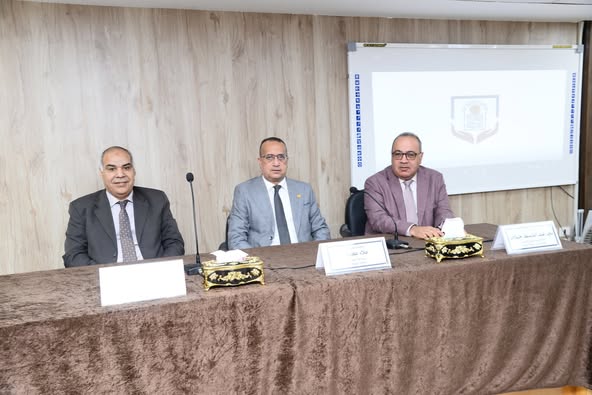
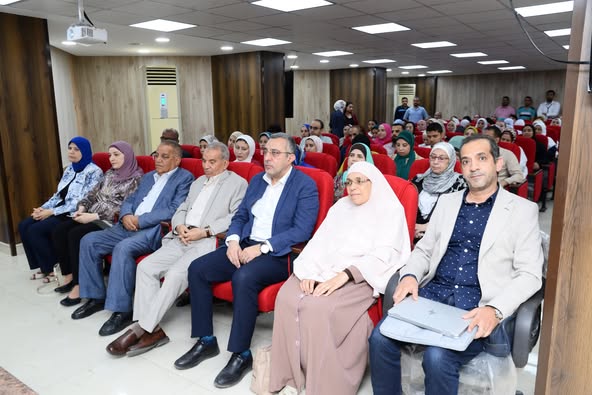
Launching of the welcoming and introductory day activities for the 60th batch of training doctors at Assiut University Hospitals

Launching of the welcoming and introductory day activities for the 60th batch of training doctors at Assiut University Hospitals

تحت رعاية الأستاذ الدكتور أحمد المنشاوي رئيس الجامعة، والأستاذ الدكتور علاء عطية عميد كلية الطب ورئيس مجلس إدارة المستشفيات، انطلقت فعاليات اليوم الترحيبي والتعريفي لأطباء تدريب الدفعة (60)، والذى نظمه فريق البرنامج الإلزامي برئاسة الاستاذة الدكتورة سهير قاسم مدير البرنامج الإلزامي لتدريب الأطباء، وبحضور الاستاذة الدكتورة هبه عطية يسى مدير وحدة ضمان الجودة بكلية الطب، والسادة الأطباء منسقى البرنامج الاكاديمى، وأطباء التدريب دفعة (٥٩)؛ (٦٠).

اكد الأستاذ الدكتور علاء عطيه على اهتمام كلية الطب، بكل ما يخص أطباء التدريب، ومتابعتهم، وتذليل الصعوبات التي تعترض عملهم، وتحسين مستوى التدريب، وتنفيذ البرامج التعليمية التي تسهم في تثقيفهم، وإكسابهم المهارات اللازمة لممارسة الطب، ووجه ابناءه الاطباء بضرورة اتباع أخلاقيات المهنة في التعامل مع المرض، وتنمية مهارات التواصل بين الزملاء والعمل الجماعي، والتطوير المهني عن طريق التعليم الطبي المستمر، واحترام جميع العاملين في المجال الطبي.

واشار الاستاذ الدكتور محمد عبدالرحمن وكيل الكلية لشئون التعليم والطلاب، ان فترة التدريب هى جزءاً مكملاً لدراسة الطب؛ حيث يكتسب خلالها الطبيب؛ القدرة على الانسجام في نظام العمل، ضمن الفريق الطبي، ومعرفة حدود إمكاناته، وقدراته، والعمل على تطويرها، وفرصة لاكتساب المهارات الأساسية في التخصصات الطبية المختلفة، ودعا الأطباء إلى التحلي بالهدوء والتركيز خلال المرحلة التدريبية، وتحقيق أقصى استفادة من كل مرحلة جديدة يلتحقون بها.

اوصت الاستاذة الدكتورة هدى مخلوف وكيل الكلية لشئون خدمة المجتمع وتنمية البيئة، أطباء التدريب بضرورة التعلم المستمر واكتساب الخبرات من زملائهم وأساتذتهم، مع الالتزام بالمعايير الأخلاقية والمهنية للممارسات الطبية أثناء التعامل مع المرضى، واحترام جميع أفراد المنظومة الطبية، واختيار القدوة من بين الأساتذة المتميزين.

عبر الاستاذ الدكتور خالد عبد العزيز مدير المستشفى الجامعي الرئيسي ،عن سعادته بالتواجد مع دفعة جديدة من أطباء المستقبل، مؤكدًا أنهم يمثلون ركيزة أساسية في المنظومة الصحية. كما دعا الأطباء إلى التحلي بالتواضع والرحمة والإنسانية في التعامل مع المرضى، والاستفادة من التدريب العملي الذي يُقدَّم لهم بالمستشفيات الجامعية.

وجهت الاستاذ الدكتورة سهير قاسم الشكر الى ادراة الجامعة وادارة الكلية على الدعم الكامل للسادة اعضاء هيئة التدريس واطباء التدريب، حتى يصير خريج كلية طب اسيوط متميز على مستوى المحلى والعالم، كما اوصت ابنائها الاطباء بضرورة الحرص على الحضور الى المستشفى كطبيب وليس كطالب، وعلى الاستفادة القصوى من كل الانشطة والمهارات العملية والدورات التدريبية التى يوفرها البرنامج، والتخلى عن اسلوب تلقى العلم والاعتماد على الاسلوب الذاتى فى التعلم وطلب العلم والمعرفة، وضرورة الحرص على التعامل مع المريض كفرد من العائلة والاهتمام به.

ونيابة عن أطباء الدفعة (٥٩)، هنأ الطبيب محمد مدني أطباء التدريب بالدفعة (٦٠) على بدء هذه المرحلة الجديدة في عالم الطب العملي، والتي ستكون مليئة بالفرص والتحديات. كما وجّه نصائحه للأطباء الجدد بضرورة مواصلة التعلم، والاستفادة من خبرات الأساتذة والزملاء، وعدم التردد في طلب النصيحة، والتعامل بالرحمة والإنسانية مع المرضى.

كما قدم الطبيب ياسر اشرف ليدر دفعه (٦٠) كلمة بالنيابه عن الدفعة، مذكرا زملائه ببداية مرحلةٌ جديدة، أكثر تحديًا وأعظم مسؤولية، وأمام اختباراتٍ عمليةٍ وإنسانية تتطلب  أن نكون عند حسن الظن، ووجه الشكر  لكل من الأساتذة، والأهل، والأصدقاء، وكل من ساندهم خلال رحلتهم السابقة والحالية.

قام بتقديم اليوم التدريبى الطبيب سيف نصر ، الطبيبة شيماء محمد ، وافتتح اليوم بآيات من الذكر الحكيم من الطبيب احمد اسماعيل.

وفى ختام الافتتاح تم تكريم الاستاذة الدكتورة سهير قاسم مدير البرنامج الإلزامي لاطباء التدريب، والسادة المنسقين الاكاديميين للبرنامج وهم الاستاذ الدكتور احمد عباس استاذ امراض التوليد والنساء، والاستاذ الدكتور محمود ثابت استاذ مساعد الجراحة العامة،الدكتورة نجلاء سامى استاذ مساعد طب الاطفال، كما تم تقديم شهادات تكريم لادراة شئون الاطباء بالمستشفى الجامعي، للاستاذ حسام الدين احمد فرغلى مدير الإدارة، والاستاذ سيد سلمان والاستاذ هانى محمود عبدالغنى، وشهادات تقدير لتكريم ليدر اطباء تدريب الدفعة 60.

واختتم اللقاء بعرض فديو عن العام الاول لأطباء التدريب دفعة (٥٩)، وجه الاستاذ الدكتور محمود عبدالعليم نائب رئيس الجامعة لشئون خدمة المجتمع وتنمية البيئة كلمة مسجلة لابناءه الاطباء عن اهمية الاهتمام بالمرضى والتعليم المستمر وممارسة الهوايات المختلفة والتي تخلق نوع من التوازن فى حياه الطبيب .

وتناول الاستاذ الدكتور أحمد عباس استراتيجية التعلم والتدريب بقسم التوليد والنساء ، والدكتورة نجلاء سامى استراتيجية التعلم بقسم طب الأطفال ، وناقشت الدكتورة امانى حشمت المشرف على وحدة bright mind بكلية الطب كيف تكون متزن نفسياً في بداية حياتك ؟


Subscribe to