Do you have any questions?

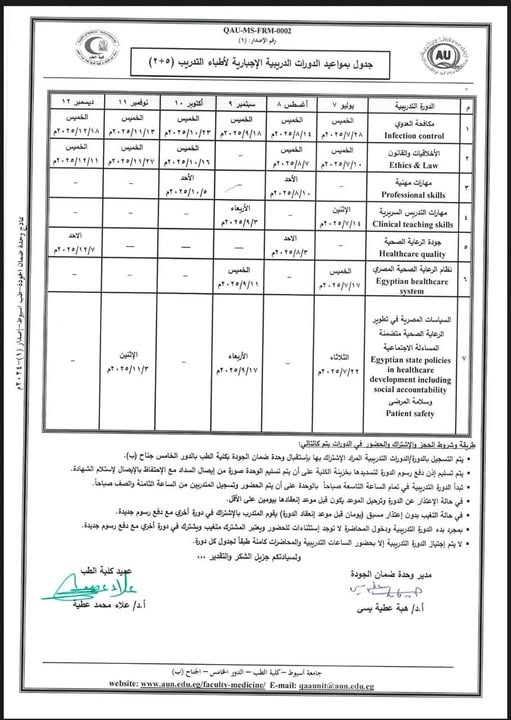
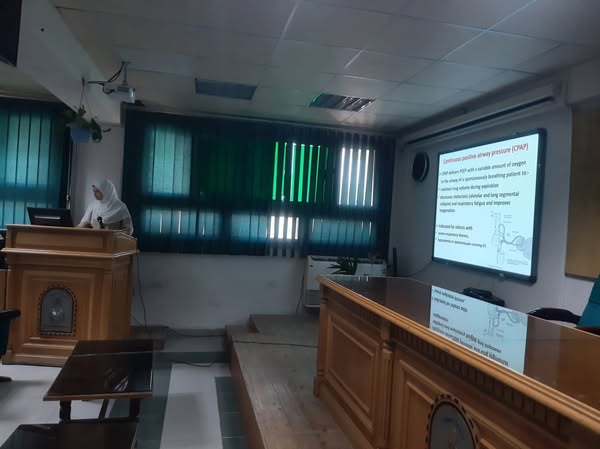
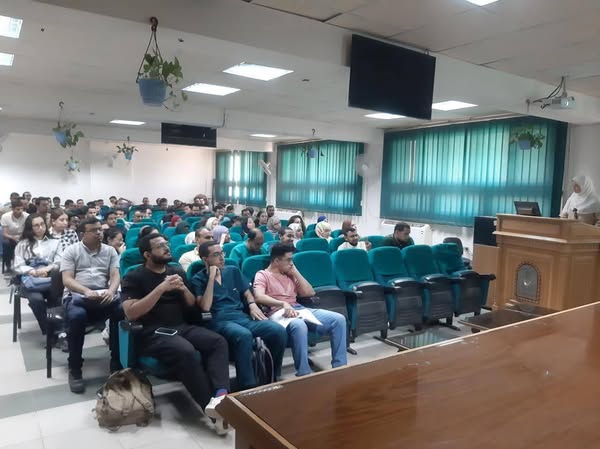
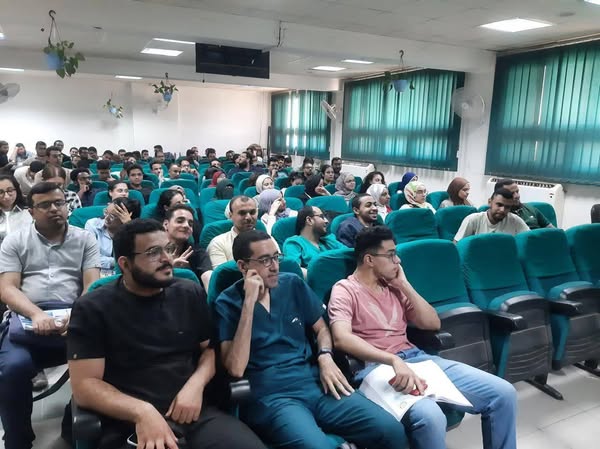
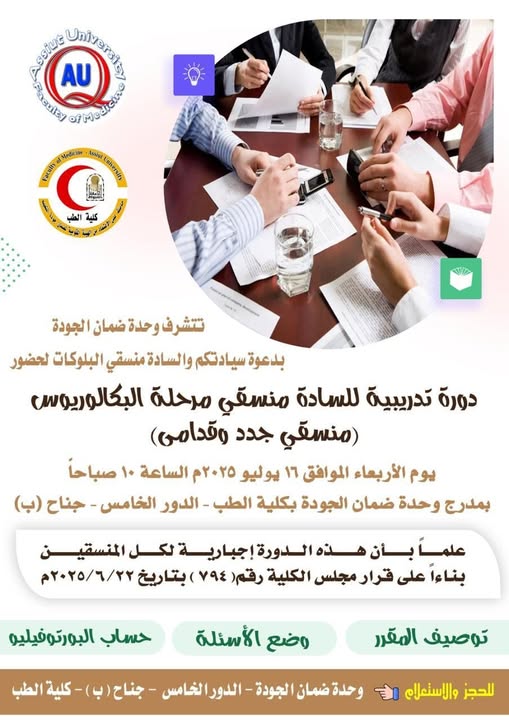
A training course organized by the Quality Assurance Unit for undergraduate coordinators
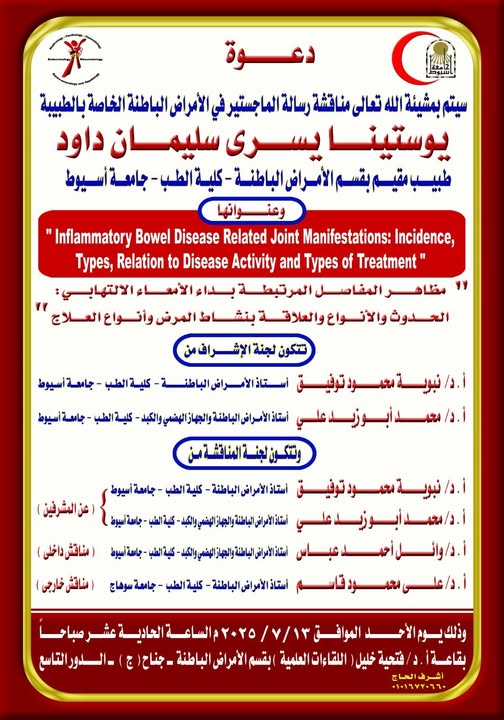
FimH is a mannose-recognizing lectin that is expressed by Escherichia coli guiding its ability to adhere and infect cells. It is involved in pathogenesis of urinary tract infections and Chron’s disease. Several X-ray structure-guided ligand design studies were extensively utilized in the discovery and optimization of small molecule aryl man noside FimH antagonists. These antagonists retain key specific interactions of the mannose scaffolds with the FimH carbohydrate recognition domains. Thiomannosides are attractive and stable scaffolds, and this work re ports the synthesis of some of their new aryl and heteroaryl derivatives as FimH antagonists. FimH-competitive binding assays as well as biofilm inhibition of the new compounds (24–32) were determined in comparison with the reference n-heptyl α D-mannopyranoside (HM). The affinity among these compounds was found to be gov erned by the structure of the aryl and heteroarylf aglycones. Two compounds 31 and 32 revealed higher activity than HM. Molecular docking and total hydrophobic to topological polar surface area ratio calculations attributed to explain the obtained biological results. Finally, the SAR study suggested that introducing an aryl or heteroaryl aglycone of sufficient hydrophobicity and of proper orientation within the tyrosine binding site considerably enhance binding affinity. The potent and synthetically feasible FimH antagonists described herein hold potential as leads for the development of sensors for detection of E. coli and treatment of its diseases.
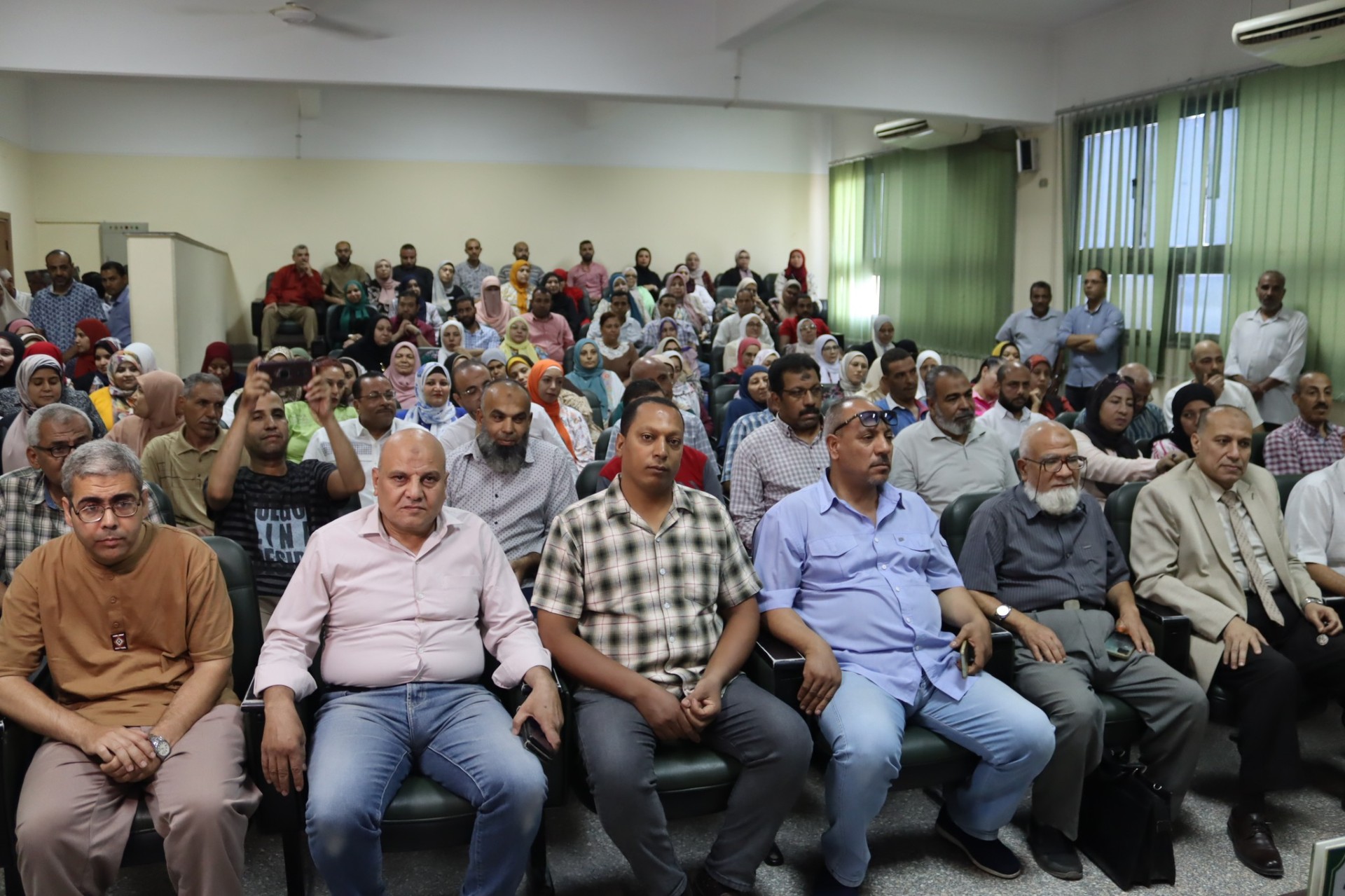
تحت رعاية الاستاذ الدكتور أحمد المنشاوي رئيس الجامعة، والاستاذ الدكتور علاء عطية عميد كلية الطب ورئيس مجلس إدارة المستشفيات الجامعية.
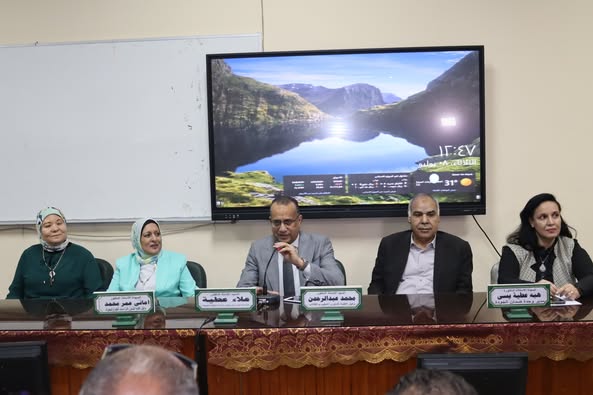
كرمت الاستاذة الدكتورة امانى عمر، وكيل الكليه لشئون الدراسات العليا والبحوث العاملين بالقطاعات المختلفة بكلية الطب، وذلك يوم الثلاثاء الموافق ٨ يوليو ٢٠٢٥، بمدرج وحدة ضمان الجودة بكلية الطب.
وقد صرحت الاستاذ الدكتورة امانى عمر ان هذا التكريم تعبيرا عن الحب والتقدير والعرفان للعاملين بكلية الطب ، حيث لمست فيهم التفانى في العمل والقدرة على مواجهة ضغوط العمل المستمرة وتحمل المسئولية، وكانوا خير عون لها طوال مدة ٧ سنوات متتالية، اثناء فترة رئاستها قطاع التعليم والطلاب، ويليها قطاع الدراسات العليا والبحوث.
وشهد الحفل الاستاذ الدكتور محمد عبدالرحمن وكيل الكليه لشئون التعليم والطلاب ، والاستاذة الدكتور هدى مخلوف وكيل الكليه لشئون خدمة المجتمع وتنمية البيئة، والاستاذة الدكتورة هبه عطية، مدير وحدة ضمان الجودة، والاستاذ محمود حسين امين عام كلية الطب.
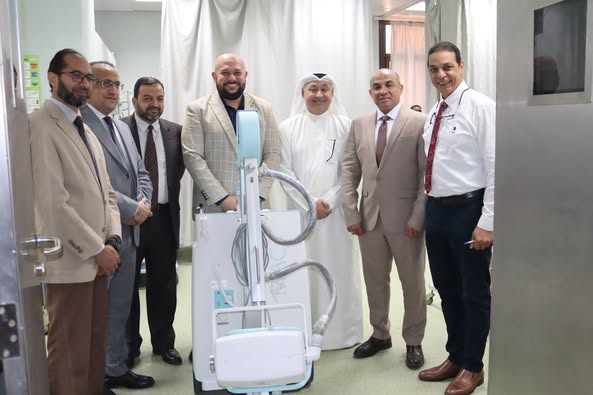
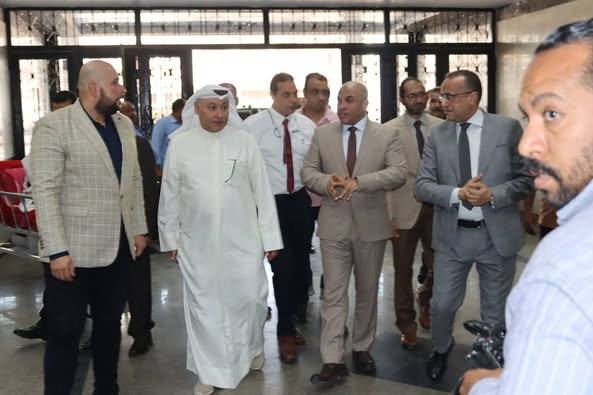
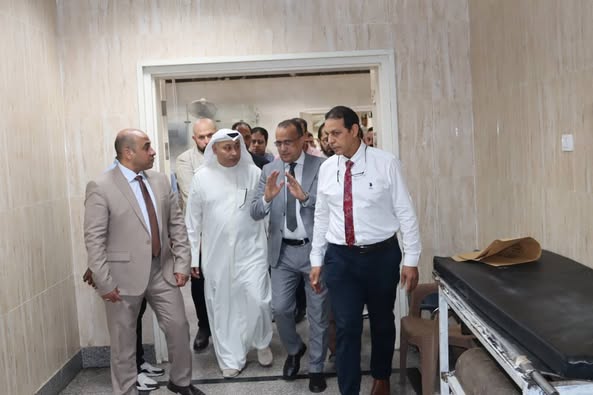
بعد استقبال الأستاذ الدكتور أحمد المنشاوي، رئيس جامعة أسيوط، اليوم الثلاثاء ٨ يوليو، للوفد الكويتي رفيع المستوى الذى يضم السيد عدنان جمعة سبتي، وكيل المكتب الكويتي للمشروعات الخيرية بالقاهرة، والدكتور عمر فرغلي، مدير قطاع المشاريع بجمعية الشيخ عبد الله النوري الخيرية،
توجه الوفد بصحبة الاستاذ الدكتور محمود عبد العليم، نائب رئيس الجامعة لشئون خدمة المجتمع وتنمية البيئة، والاستاذ الدكتور علاء عطية عميد كلية الطب ورئيس مجلس إدارة المستشفيات الجامعية ، لجولة ميدانية بمستشفى الإصابات والطوارئ الجامعي، حيث شملت تفقد وحدة العناية المركزة ومتابعة تشغيل جهاز الأشعة المتنقل، المُقدم من المكتب الكويتي للزكاة لصالح مستشفى الإصابات والطوارئ الجامعي، بقيمة مليون ونصف المليون جنيه، وذلك بحضور الأستاذ الدكتور محمد عبد الحميد، مدير المستشفى، والدكتور محمد فاروق، والدكتور أحمد إكرام، نائبي مدير المستشفى.
الجدير بالذكر أن مستشفى الإصابات والطوارئ الجامعي يُعد أكبر مستشفى متخصص في هذا المجال على مستوى الجمهورية، حيث يخدم حالات الإصابات والطوارئ من محافظة أسيوط والمحافظات المجاورة، والمستشفى مقام على مساحة ٦٥٠٠ متر مربع، ويضم ٦٠٠ سرير، ومُجهز بأحدث التجهيزات الطبية، ويتكون من بدروم وطابق أرضي، و ٨ طوابق، ويستقبل سنويًا أكثر من ٤٦ ألف مصاب، إلى جانب إجراء نحو ١٣ ألف تدخل جراحي كبير يتطلب مهارة عالية.
وتم خلال الزيارة استعراض تفاصيل مشروع مبنى الإصابات (ب) الجاري تجهيزه، والذي يتكون من بدروم وطابق أرضي و٦ طوابق، ويضم وحدات لاستقبال وعلاج إصابات اليد والجراحات الميكروسكوبية، بالإضافة إلى ٦ عيادات خارجية، و٨ غرف عمليات، ووحدة رعاية حرجة تضم ٢٠ سريرًا، وغرف إقامة داخلية بسعة ٨٢ سريرًا، إلى جانب مركز متقدم للتدريب على المهارات الجراحية، وآخر للعلاج الطبيعي وإعادة التأهيل، فضلًا عن سكن للأطباء المقيمين والزائرين.
كما تم عرض فيديو استعرض تاريخ انشاء المستشفيات الجامعية (١١ مستشفى متخصص ومجهز بأحدث التقنيات والأجهزة الطبية المتطورة) ، واستعرض أبرز الخدمات المقدمة في كل مستشفى، والفيديو من إعداد الأستاذة رندا عبد الخالق ثروت مسئول الإعلام بالمركز الإعلامي لمستشفيات جامعه أسيوط .
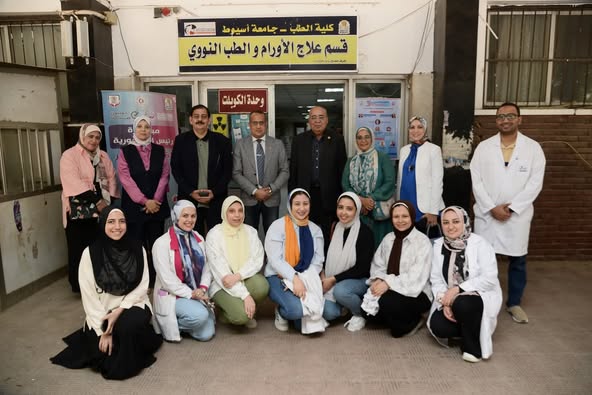
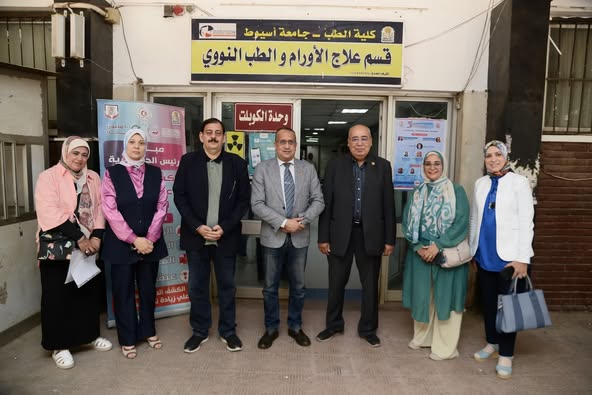
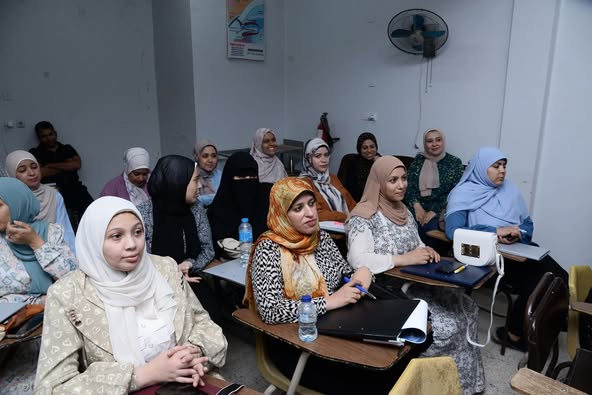
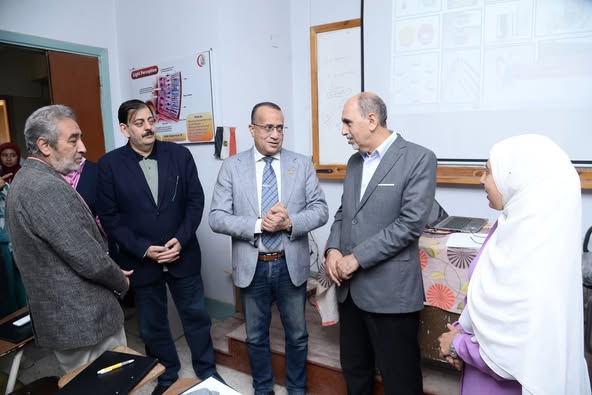
نظمت وحدة الطب النووي بقسم علاج الأورام والطب النووي بكلية الطب جامعة أسيوط، بالتعاون مع هيئة الطاقة الذرية، دورة تدريبية مكثفة للأطباء والفيزيائين والفنيين حول "الاستخدام الآمن للمصادر المشعة والوقاية من الإشعاعات المؤينة"، تأتي الدورة التدريبية والتي تعقد للمرة الأولى، تحت رعاية الأستاذ الدكتور أحمد المنشاوي رئيس الجامعة، والأستاذ الدكتور علاء عطية عميد كلية الطب ورئيس مجلس إدارة المستشفيات الجامعية، والأستاذ الدكتور خالد عبد العزيز مدير المستشفى الجامعي الرئيسي، وبتنظيم من الأستاذة الدكتورة رحاب فاروق رئيس قسم علاج الأورام والطب النووي، والأستاذ الدكتور وليد دياب رئيس وحدة الطب النووي، والأستاذة الدكتورة لمياء العطيفي منسق الدورة.
شهدت الدورة حضور عددا من الأطباء والفيزيائين والفنيين من وحدة الطب النووي قسم العلاج الإشعاعى بمعهد جنوب مصر للأورام، برئاسة الأستاذ الدكتور حمزه عباس.
وتستمر فعاليات الدورة لمده أسبوعين، وسيحاضر بها لفيف من الخبراء من هيئة الطاقة الذرية.