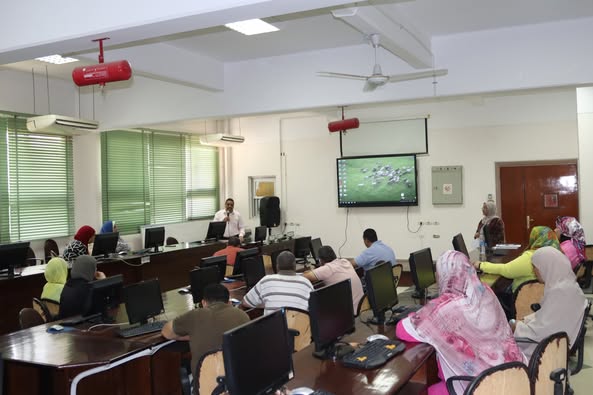
Do you have any questions?

Congratulations to Professor Dr. Dalia Ahmed Hamed Al-Sars - Professor and Head of the Pathology Department Council



Introduction: This study aimed to assess programmed death-1 (PD-1) and programmed death ligand-1 (PDL-1) expression in newly diagnosed pediatric cases of acute B-lymphoblastic leukemia (B-ALL) and at 6 months of treatment and to explore their value as biomarkers.
Methods: Fifty newly diagnosed B-ALL patients and 30 controls were recruited. Bone marrow samples or peripheral blood were obtained from children at diagnosis and 6 months after cytotoxic therapy. Flow cytometric analysis of obtained samples was done and the PD-1, PDL-1, and CD3 (cluster of differentiation) expressions were recorded.
Results: Percentages of PD-1, PDL-1, and CD3 in the control and B-ALL groups at initial presentation were 7.9% ± 2.8% vs. 16.45% ± 7.7% (p = 0.023), 8.6% ± 3.4% vs. 19.05% ± 13.7% (p < 0.001), and 30.8% ± 1.2% vs. 11.05% ± 7.3% (p < 0.001), respectively. CD3 expression increased significantly at 6 months; PD-1 and PDL-1 expression showed insignificant decrease from initial presentation. There was a negative correlation between PD-1 and HB level (p = 0.03) and a positive correlation between PD-1 and PDL-1 at 6 months of treatment (p = 0.002). Remission rates increased significantly with the decrease of PD-1and PDL-1.
Conclusion: Initially, PD-1 and PDL-1 were higher in patients than in controls and decreased 6 months after treatment. PD-1 and PDL-1 expression was associated with increased remission rates, implicating that modulation of PD-1 and PDL-1 expression may be a therapeutic approach for B-ALL. Moreover, this study created a new method for the assessment of PD-1 and PDL-1 in B-ALL.
Clinical trial: Trial Registration: NCT05428111.
No doubt, the value of pets (mainly cats, and/or dogs) extends far beyond their adorable
appearances, boosting the mental health to fostering deeper human connections. Nevertheless,
they are risky to the owners mainly babies, and children via bites and scratches, falls from
being knocked over by the pet, & choking on pet toys or food. Besides, allergies or asthma
caused by pet's fur, saliva, feathers or skin flakes (dandruff) zoonotic infectious diseases
usually from poo, food, water or litter trays. This reviews the several concepts that have taken
shape in recent decades and discuss how these apply to common patient concerns.
Key words: Pets, Indoors, Adorable, daily care, Allergies, Zoonotic infectious diseases.


L-Tyrosine (L-Tyr), an amino acid, has emerged as a potential biomarker for the detection and monitoring of liver cirrhosis (LC) and hepatocellular carcinoma (HCC). By analysing the serum levels of L-Tyr, healthcare pro fessionals can gain insights into the progression and development of these liver diseases. The utilization of L-Tyr as a biomarker holds potential for early detection and timely intervention, improving patient outcomes and treatment options. In this study we developed a novel nanocomposite based on eggshell waste and copper nanoparticles to modify carbon paste electrode (CPE) using chitosan gel as a binder for sensitive estimation of LTyr in human serum samples. The use of chitosan gel avoids the insulating effect of paraffin oil that was usually used for fabrication of CPE and enhance the sensitivity and selectivity of the modified electrode. Square wave voltammetry (SWV) was used to optimize the electrochemical parameters of the oxidation of L-Tyr onto the surface of the fabricated electrode (CuNPs@ESh/CS/CPE). The prepared composite was characterized using Xray diffraction (XRD), Fourier Transform - Infrared spectroscopy (FT-IR), UV–VIS spectroscopy and scan elec tron microscopy (SEM) and electrochemical impedence spectroscopy (EIS). The fabricated biosensor could es timate L-Tyr levels in controls, LC and HCC patients’ serum with high accuracy and sensitivity. The obtained results demonstrated the presence of significant difference in L-Tyr levels in the three studied groups. This in dicates that L-Tyr amino acid may serve as a crucial biomarker for the evaluation of such liver diseases.