 Do you have any questions?

Photographing the postgraduate exams at the exams unit headquarters in the basement of the college press
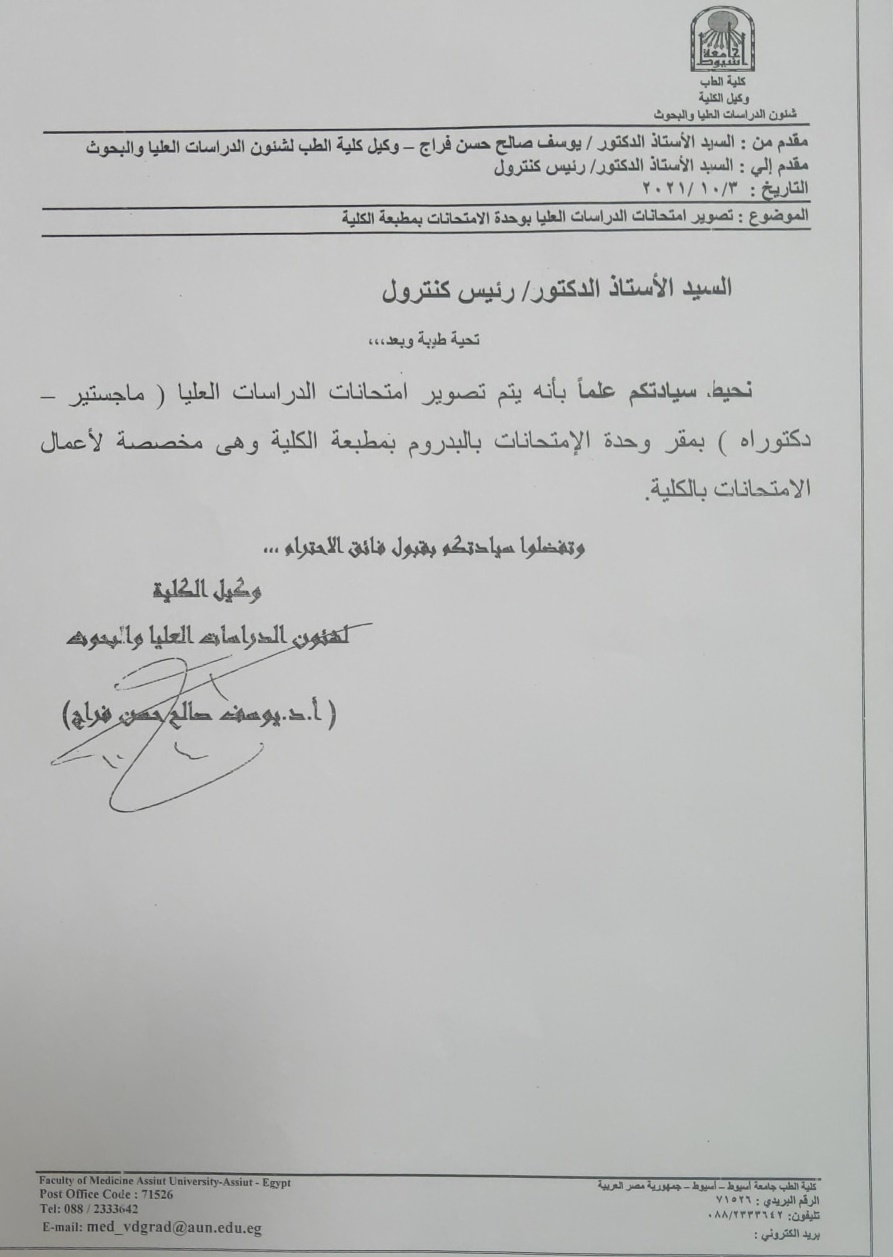
Photographing the postgraduate exams at the exams unit headquarters in the basement of the college press
Photographing the postgraduate exams at the exams unit headquarters in the basement of the college press

University incoming support in the amount of 150 pounds for each certificate audited
Breast cancer is the most frequent neoplastic tumor in women, and surgical treatment is indicated in most patients. Complications related to this treatment, such as post-mastectomy pain syndrome (PMPS), a persistent pain that develops after surgery, have been reported. Although the genesis of the pain is multifactorial, sectioning of the intercostobrachial nerve is the nerve lesion diagnosed more often (1) ..
Pain relief using drugs with high efficacy provides significant improvement in the patients' lives. Drugs like lamotrigine (LTG) and gabapentin (GBP) have the ability to overcome the symptoms of neuropathic pain (4).
Both LTG and PGB have been extensively reviewed in the past for management of painful neuropathic conditions (5)
Postoperative nausea and vomiting is defined as any nausea, retching, or vomiting occurring during the first 24-48 h after surgery in inpatients. Postoperative nausea and vomiting is one of the most common causes of patient dissatisfaction after anesthesia, with reported incidences of 30% in all post-surgical patients and up to 80% in high-risk patients. In addition, postoperative nausea and vomiting is regularly rated in preoperative surveys, as the anesthesia outcome the patient would most like to avoid. While suture dehiscence, aspiration of gastric contents, esophageal rupture, and other serious complications associated with postoperative nausea and vomiting are rare, nausea and vomiting is still an unpleasant and all-too-common postoperative morbidity that can delay patient discharge from the post-anesthesia care unit and increase unanticipated hospital admissions in outpatients.
Aim:
The aims of this study were to assess survival outcome of pediatric patients with localized osteosarcoma of the extremities in Upper Egypt, identify factors of prognostic significance for survival, and to determine factors predictive of surgical methods used in these patients, as well as developing a clinical model for risk prediction.
Patients and Methods:
A retrospective analysis of data assembled from medical records of 30 pediatric patients with a histologically verified nonmetastatic osteosarcoma of the extremities treated at South Egypt Cancer Institute with a unified chemotherapy protocol between January 2001 and December 2015 was carried out. Prognostic factors were determined using univariable and multivariable methods. A model for surgical outcomes in these patients based on the baseline clinical factors, and the parameters predictive of their tumor response to chemotherapy, was developed.
Results:
With a median follow-up of 63 months for the study population, the estimates for event-free survival and overall survival (OS) at 3 and 5 years were 69.5% and 79% and 65.2% and 65.3%, respectively. Age 16 years or above was independently associated with both worse metastasis-free survival (hazard ratio [HR]=6.05, 95% confidence interval [CI]: 1.43-25.6, P=0.015) and OS (HR=7.9, 95% CI: 1.71-36.2, P=0.008). In the multivariable analysis, a proximal location within the limb gained a statistical significance to be independently associated with worse OS (HR=2.4, 95% CI: 1.13-22.1, P=0.003). Poor response to chemotherapy was marginally associated with worse metastasis-free survival (HR=4.9, 95% CI: 1.02-23.8, P=0.047) only in the univariable analysis. The patients found to be more likely to undergo an amputation surgery (odds ratio=14.1, 95% CI: 1.34-149.4, P=0.028) were those in whom a tumor was poorly responding to chemotherapy.
Conclusion:
In Upper Egypt, despite the reasonable survival outcomes in nonmetastatic osteosarcoma, a relatively high limb amputation rate has been encountered. The development of a clinical prediction model for future planning of possible outcome improvement in these patients, however, is still feasible.
|
Assessment of liver function by MEGX test in patients with Schistosomiasis and cirrhosis EHAB. S. EL Desoky1 , Ahlam M. Ahmed2, Mohamed A. Nafeh2, Hanan Abde El-Aty Ahmed2, Ekkehard Schutz3, victor W. Armstrong and Micheal oelerich3. Department of pharmacology and Department of Tropical Medicine, Faculty of Medicine, Assuit University, Egypt and Department of Clinical Chemistry, Gearg-August University Goettingen Germany. Clinical Biochemistry, vol. 32, 207-212, 1999.
The Egyptian Journal of Biochemistry vol. 13, No.1, 1995, 21-30. Gut (supp). Vol. 39, No. 3, 171.
Department of Tropical Medicine, Faculty of Medicine-Assuit University. Assuit Medical Journal vol. 19, (a), 1995, 63-71.
Mohamed A. Nafeh*, Nabila R, Ahlam M. Farghaly*, Enas Abd El-Maguied, Sanna M. Sotouhi** and Osman M*. Department of Tropical Medicine*, Microbiology** and Pathology of Assuit University, Egypt Journal of Hepatology, Gastroenterology and Infectious Diseases Vol. 3, 1995, 9-15.
Department of Tropical Medicine, Microbiology* and Pathology**, Faculty of Medicine- Assuit University. Assuit Medical Journal Vol. 21 No. 4, 199
Mohamed A. Nafeh, Ahlam M. Farghaly; Enas Abd El-Maguied, Sanaa M. Sotouhi**, Ashraf M. Osman, Nadia Abd-El-Salam and Nabila M. Rashwan. Department of Tropical Medicine*, Microbiology and Pathology; Faculty of Medicine, Assuit University. Assuit Medical Journal Vol. 21, No. (1), 1997, 213-220
Ahlam M. Farghaly; Madiha M. Zakhari*. Department of Tropical Medicine, Biochemistry**, Assuit University. Assuit Medical Journal Vol. 31, No.(4), 1997.
Soad M. Abdel-Ghany**, Ahlam M. Farghaly*, Thorya S. El-Deep** amd Amira M. El-Noweihi**, Assuit University. Journal of Hepatology, Gastroenterology and Infectious Diseases Vol. 4, No. 2, 1996, 67-74.
Department of Tropical Medicine, Assuit University, El-Menia University**- Egypt Ein-Shams Medical Journal, Vol. 45, No. (7,8,9), 1994, 539-545.
Yousria Abdel-Rahman, Enas El-Karimy, Ahlam M. Farghaly, Madiha M. Zakhari**, Abdela E., Sanaa S***., Tahia S**. Department of Internal Medicine, Tropical Medicine*, Biochemistry** and Pathology***, Faculty of Medicine, Assuit University Egypt. Eur J. Hepatol Gastroenterology. (suppl). (1996). Ain Shams Medical Journal Vol. 45, No. (7,8,9), 1994, 353-356.
Mohamed A. Nafeh, Ahlam M. Ahmed, Abdel-Ghany Abdel-Hamied and Tomas Strikland*. American Journal of Tropical Medicine and Hygiene 47 (2): 225-230, 1990. Department of Tropical Medicine, Public health, Faculty of Medicine, Assuit University, Egypt and Preventive Medicine*, Meryland University Baltimore, USA.
Mohamed A. Nafeh, Ahmed Medhat N. Ahlam M. Ahmed, Abdel-Ghany Abdel-Hamied; Ahmed El-Toni* and Mahmoud Haridi. Department of Tropical Medicine, and Surgery*, Faculty of Medicine,
Mohamed A. Nafeh; Ahlam M. Farghaly, Marcil Gergis*, Abdel-Ghany S., Mohammed El-Taher, Magda S. Departments of Tropical Medicine and Pathology*, Faculty of Medicine, Assuit Medical Journal Vol. 16, No. 4, 1992, 27-33. 14) 1-5 years follow up HCV infected patients: A clinical, laboratory and ultra-sonoghraphic retrospective study. 15) Intra familial risk factors for transmission of HCV hepatitis AAMJ, 2007
17) Insulin resistance, steatosis and fibrosis in Egyptian patients with chronic hepatitis-C-viral infection. 18) A research grant from Assiut university faculty of medicine research grants Discriminant value of direct and indirect blood markers versus liver biopsy for liver fibrosis grading in chronic hepatitis C virus patients. 19) Clinicopathologic features and genotyping of patients with chronic HBV infection in upper Egypt. YCIMM 2-76 5 August 2010 20) Systemic inflammation response syndrome (SIRS). In patients with liver cirrhosis. Hanan M. Nafeh1, Sherif Kamel, Rasha H. Mohamed,1 Mohamed Z B Abo Koresha2 and Ahlam M Farghaly1 Department of Tropical Medicine and Gastroenterology1 , Department of Clinical pathology2 Assiut university, Assiut , Egypt AAMJ, Vol, 10, N7 September, 2012
of liver fibrosis in chronic hepatitis – C patients Maha Barakat,* Zeimab Mahran,* Amal Abdel-Al,* Howayda Hassan**, Ahlam farghaly* Department of Tropical and Gastroenterology,* Department of Clinical pathology** and Department of pathology**, Assiut University, Assiut, Egypt. Assiut Med. J. vol. 138,, No. (2), May 2014. 22-Attitude of Upper Egypt Health-Care Professionals Toward Living Liver Donation and Transplantation Nahed Ahmed Makhlouf ,MBBCH,MSC,MD Shaimaa Arafat Abdel Monem , MBBCH,MSC Ahmed Mohamed Farghaly, MBBCH,MSC,MD and Ahmed Helmy, MBBCH,MSC,MD, PHD Progress in Transplantation 2018 Vol 28(3) 256-262 Faculty of medicine Department Tropical Medicine and Gastroenterology Assiut university, Egypt . Faculty of medicine South valley University, Qaina Department of Internal medicine ,College of medicine Al Jouf Saudi Arabia. |
Abstract
Objective: To assess the efficacy and safety of condom-loaded Foley’s catheter versus Bakri Balloon in the management of primary atonic post partum hemorrhage (PPH) secondary to vaginal delivery.
Study design: This study was single blinded randomized controlled trial conducted at Assiut Woman’s Health Hospital, Egypt in the period between October 2014 and December 2015. It Comprised 66 women with primary atonic PPH following vaginal delivery. Eligible participants were randomly assigned to Bakri balloon (group A) or condom-loaded Foley’s catheter (group B). The primary outcome was the success of tamponade to stop the uterine bleeding without additional surgical interventions. Secondary outcomes included time between insertion and stoppage of the bleeding, the amount of blood transfusion and maternal complications.
Results: Both treatment modalities successfully controlled the primary atonic PPH without a statistically significant difference [30/33(91.0%) and 28/33(84.84%), p = .199; respectively]. However; Bakri balloon required shorter time to stop the uterine bleeding (9.09 min vs. 11.76 min, p = .042; respectively). There was no statistically significant difference between both groups regarding postpartum maternal complications, the vital signs, urine output, hemoglobin and hematocrit levels from before to after tamponade insertion.
Conclusions: Condom-loaded Foley’s catheter is as effective as Bakri balloon in the management of primary atonic PPH following vaginal delivery but requires a significant bit longer time to stop the attack.
Introduction/objectives: Systemic lupus erythematosus (SLE) and Sjögren's syndrome (SS) may coexist and carry a higher risk for future comorbidities. Although 14-3-3η protein is recently a known diagnostic marker in rheumatoid arthritis (RA), its role has not been investigated in SLE. The aim of this study was to compare serum 14-3-3η protein level in SLE and RA patients and to examine its association with clinical and laboratory features in SLE patients. Methods: Eighty-four SLE patients and 39 RA patients were included. Sociodemographic, SLE disease activity index (SLEDAI), and damage index were assessed for SLE patients. Data about secondary SS were collected. 14-3-3η was measured by ELISA; titres above 0.19 ng/ml were considered positive. Results: Serum 14-3-3η protein in SLE was significantly lower than in RA (0.37±0.09 vs 1.5±0.51; p < 0.001). 14-3-3η protein level was comparable between …
Uterine rupture is a catastrophic obstetrical emergency with unpleasant maternal and fetal outcomes. Operative hysteroscopic procedures can add more risk factor for occurrence of this tragedy. Here, we report a case of spontaneous recurrent rupture uterus at 32 weeks of gestation in a 28-year-old woman with previous history of hysteroscopic resection of uterine septum after development of acute abdomen. Repair of anterior uterine wall longitudinal tear was performed through emergency laparotomy. Surgeons should explain to their patients the hazards of probable risk of recurrent UR in the future pregnancy and to document this discussion in the medical records before proceeding to operative hysteroscopic procedures.