Welcome ceremony for the special training doctors of the 57th batch of Assiut Medicine

تم  الترحيب بأطباء التدريب الخاص بدفعة ٥٧ طب اسيوط

بحضور

الاستاذ الدكتور/ علاء عطية- عميد كلية الطب ورئيس مجلس إدارة المستشفيات الجامعية

الاستاذ الدكتور/ ايهاب فوزي- المدير التنفيذي للمستشفيات الجامعية

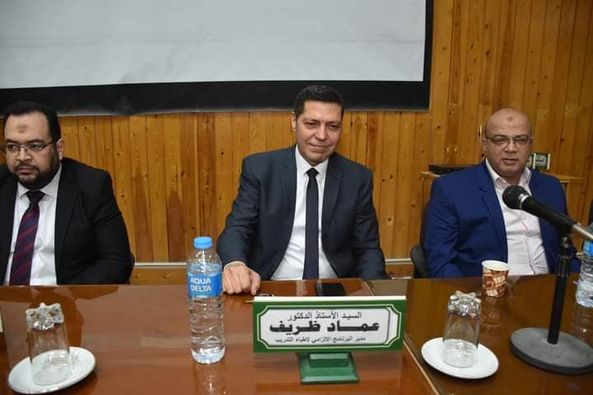
ا.د/ عماد ظريف -مدير البرنامج الإلزامي لأطباء الامتياز

ا.د/ احمد عباس- استاذ أمراض النساء والتوليد

د/ ادريس حسن- مدير مركز التوجيه المهني الطبي بمستشفيات جامعة اسيوط

وبحضور الدكتورة إحسان علي وكيل الوزارة رئيس الإدارة المركزية للشئون الطبية والعلاجية والاستاذ محمود حسين امين عام كلية الطب وبعض السادة اعضاء هيئة التدريس وطلاب امتياز دفعة ٥٧

وقام بتنظيم وتقديم الحفل الطبيب محمد جمال والطبيب عمر صلاح والطبيب بهاء علام.

وفي بداية حفل الترحيب تحدث الطبيب/ محمود عبدالواحد عن الدفعة (٥٦) عن تجربته الشخصية خلال فترة الامتياز.

وفي كلمته أشار ا.د/ علاء عطية أن فترة الامتياز هي الفترة الإلزامية التي يقضيها الطالب بعد تخرجه وتمثل مرحلة الانتقال من طالب الطب إلى طبيب مؤهل؛ العملية التي من خلالها يكتسب المتدرب ثقة أكبر في التعامل مع المريض بالفطنة المهنية، ويطبق المعرفة والمهارات في ممارسة الطب بشكل مناسب، وتعتبر هذه الفترة جزءاً مكملاً لدراسة الطب ولا يعتبر الطالب مؤهلاً لممارسة مهنة الطب إلا بعد اتمامها واجتياز امتحان مزاولة المهنة في نهاية هذه الفترة بنجاح.

وفي كلمة ا.د/ ايهاب فوزي أشار أن سنة التدريب تساعد طبيب الامتياز على الاستقلالية في العمل والقدرة على اتخاذ القرار والتعامل بكفاءة مهنية وفرصة لتعويد الطبيب على أسلوب التعامل الصحيح مع المريض وذويه، ومع الطاقم الطبي وهو وقت تنمية وتطبيق المعلومات الطبية من خلال التدريب العملي.

أضاف ا.د/ عماد ظريف أن سنة الامتياز فرصة لأهداف جديدة وخطوات جديدة وفرصة لاستكشاف واستطلاع الأقسام المختلفة تساعد الطبيب في تحديد التخصص المناسب، والإختيار الصحيح نتيجته طبيب ناجح قادر علي تحقيق رسالته الطبية وهي خدمة المرضي.

قدم د/ ادريس حسن - استشاري طب الاطفال ومدير وحدة برايت ميندز كلمة الى اطباء التدريب (الامتياز) وضح فيها اهم النقاط التي ينصح اتباعها في فترة الامتياز :

١. فترة الامتياز فترة جيدة ليكتشف الانسان شغفه .. نحن سنساعدك في وحدة برايت ميندز على ذلك

٢. تعرف على صفات شخصيتك والفرق بين نقاط القوة والضعف

٣. تعرف على بقية جوانب حياتك غير الجانب المهني الطبي

٤. تعرف واكتشف التخصص الانسب لك.

أضاف ا.د/ احمد عباس لابد من استغلال هذه الفترة لاستكشاف الأقسام المختلفة وتكوين علاقات جيدة مع الزملاء في مختلف التخصصات، حيث أن هناك تداخل وتكامل بين الأقسام والتعاون المثمر يصب في النهاية لمصلحة المريض، وضرورة الاحترام والتقدير المتبادل بين الزملاء وخاصة لمن هم أكبر منهم.

وفي ختام الحفل تم تكريم الطبيب/ اسلام أبوضيف لدوره في مساعدة زملائه في سنوات الدراسة.

111


AO Spine upper cervical injury classification system: a description and reliability study

Research Abstract

Background Context: Prior upper cervical spine injury classification systems have focused on injuries to the craniocervical junction (CCJ), atlas, and dens independently. However, no previous system has classified upper cervical spine injuries using a comprehensive system incorporating all injuries from the occiput to the C2–3 joint. Purpose: To (1) determine the accuracy of experts at correctly classifying upper cervical spine injuries based on the recently proposed AO Spine Upper Cervical Injury Classification System (2) to determine their interobserver reliability and (3) identify the intraobserver reproducibility of the experts. Study Design/Setting: International Multi-Center Survey. Patient Sample: A survey of international spine surgeons on 29 unique upper cervical spine injuries. Outcome Measures: Classification accuracy, interobserver reliability, intraobserver reproducibility. Methods: Thirteen international AO Spine Knowledge Forum Trauma members participated in two live webinar-based classifications of 29 upper cervical spine injuries presented in random order, four weeks apart. Percent agreement with the gold-standard and kappa coefficients (ƙ) were calculated to determine the interobserver reliability and intraobserver reproducibility. Results: Raters demonstrated 80.8% and 82.7% accuracy with identification of the injury classification (combined location and type) on the first and second assessment, respectively. Injury classification intraobserver reproducibility was excellent (mean, [range] ƙ=0.82 [0.58-1.00]). Excellent interobserver reliability was found for injury location (ƙ = 0.922 and ƙ=0.912) on both assessments, while injury type was substantial (ƙ=0.689 and 0.699) on both assessments. This correlated to a substantial overall interobserver reliability (ƙ=0.729 and 0.732). ConclusioNS: Early phase validation demonstrated classification of upper cervical spine injuries using the AO Spine Upper Cervical Injury Classification System to be accurate, reliable, and reproducible. Greater than 80% accuracy was detected for injury classification. The intraobserver reproducibility was excellent, while the interobserver reliability was substantial. © 2022 AO Foundation, AO Spine, AO Network Clinical Research

Research Authors
Vaccaro, Alexander R.a;Lambrechts, Mark J.a Send mail to Lambrechts M.J.;Karamian, Brian A.a;Canseco, Jose A.a;Oner, Cumhurb;Vialle, Emilianoc;Rajasekaran, Shanmuganathand;Dvorak, Marcel R.e;Benneker, Lorin M.f;Kandziora, Frankg;El-Sharkawi, Mohammadh;Tee
Research File
Research Journal
The Spine Journal
Research Publisher
Elsevier Inc.
Research Website
https://www.sciencedirect.com/science/article/pii/S1529943022008439?pes=vor
Research Year
2022
Subscribe to