Evaluation of Different Modalities of anterior Cervical Discectomy for Treatment of Single and Double Level Cervical Disc Herniation

Research Abstract

Abstract

Cervical disc herniation and degenerative disease of the cervical spine are the most common causes of cervical cord and nerve root dysfunction. It is found that after the age of 40 almost 60% of the population will have radiographic evidence of degenerative changes, and after the age of 65, 95% of men and 70% of women have radiographic evidence of degenerative changes [1]. Since the first description of the anterior cervical discectomy with fusion by Cloward and Smith in 1958 respectively in 1955, and the cervical anterior discectomy without fusion in 1960 by Hirsch a debate is started which of both methods is the best. While this discussion is still not closed, the advent of the cervical disc prosthesis has contributed to extra confusion. Instead of two possibilities, nowadays three possible treatments concur with each other: anterior cervical discectomy without implantation of any structure, anterior cervical discectomy with fusion, and finally, cervical discectomy with implantation of disc prosthesis [2]. Nowadays anterior cervical discectomy and fusion (ACDF) may be considered the standard procedure for treatment of degenerative disc disease of the cervical spine. However, there is evidence that ACDF may result in progressive degeneration of the adjacent segments [3].

Research Authors
Mohamed Khallaf
Research Date
Research Journal
Open Access Journal of Neurology & Neurosurgery
Research Year
2018

Epidemiological Features of Patients with Craniomaxillofacial Fractures: A Single Centre Study

Research Abstract

ABSTRACT

Purpose: It has been shown that cranial injuries associated with facial fractures may cause a great risk of mortality and neurological morbidity, which mainly occurs in young adults. Various studies have been carried out in various countries to study the epidemiology of the cranio maxillofacial injuries but the studies from Egypt are few. The aim of this study was therefore to assess the prevelance, etiology, type of injury, and site of fractures among patient attending Assiut University Hospitals. Material and Methods: Retrospective hospital study was carried out at Trauma unit, Assiut University Hospitals (Single Tertiary Hospital) between January 2010 and December 2017. Radiographs and hospital data of 1745 patients with craniomaxillofacial trauma were gathered and analyzed. The identified fractures, such as, age, gender, etiology of injury, and anatomical sites of fractures were classified as: frontal/skull base, naso-orbital, maxilla, zygoma, and mandible. According to GCS, patients were classified into 3 grades: mild, moderate and severe. Gathered data was coded and entered into a computer and analyzed using SPSS version 22. Result: Overall prevalence of cranio maxillofacial injuries was 3%. Age ranged from 1 - 90 with mean ± SD 25.75 ± 15.5. The greatest number of the patients had 18 to 40 years old (48.4%) and most of them were male (M/F ratio was 7:1). The most prevalent causes of the trauma in this study were the road traffic accidents (67.7%) and accidental fall (15%), respectively. Firearm injuries accounted for fractures in 86 patients (4.9%). The most common bone fracture among the patients was the mandibular bone (47.7%). 837 patients (48%) required surgical intervention. Conclusions: This retrospective population study demonstrates an insight into the demographics and fracture patterns in craniomaxillofacial trauma patients. The most common etiology of craniomaxillofacial injury was road traffic accidents followed by falls and assaults, suggesting that interventions addressing the prevention of this mechanism, and treatment of the associated injury patterns, have not been sufficient and require to be revised. The majority of victims were young adult males between the ages of 18 to 40 years. The mandibular bone and maxilla were the most common sites of fracture.

Research Authors
Mohamed Khallaf
Research Date
Research Department
Research Journal
Open Journal of Modern Neurosurgery
Research Year
2019

Supratentorial cavernoma and epilepsy: Experience with 23 cases and literature review

Research Abstract

Background:

The current study aimed to assess the role of microsurgical treatment of patients with supratentorial cavernoma with epilepsy based on analysis of our patients.

Methods:

This retrospective study included 23 patients with supratentorial cavernoma on computed tomography (CT) scan and magnetic resonance imaging (MRI) of the brain admitted to the Department of Neurosurgery, Assiut University Hospitals (single tertiary hospital) between January 2014 and January 2018 (minimum 12-month follow-up). Deep-seated hemispheric and multiple cavernomas were excluded. Radiographs and hospital data of the patients were gathered and analyzed. All patients underwent the surgical procedure by one experienced neurosurgeon and the diagnosis was confirmed by pathologic evaluation.

Results:

A total of 23 patients underwent surgical intervention consist of 15 (65%) men and 8 (35%) women. Their age varies from 11 to 59 year with an average of 36.6 years. All patients presented with seizure. The supratentorial cavernomas were located commonly in temporal lobes; 9 patients (39.1%). 19 (83%) of cavernoma located in the left side. 18 (78%) of cavernoma had a size <2 cavernoma. Complete excision was confirmed in postoperative investigations (CT and MRI brain images). All 10 patients with only one seizure preoperatively were seizure free at follow-up. Of nine patients who had experienced between two and five seizures preoperatively, 7 (78%) were seizure free, and of four patients with numerous seizures preoperatively, 3 (75%) were seizure free.

Conclusion:

Our retrospective population study demonstrates an insight into the supratentorial cavernoma and suggests that microsurgical removal of the symptomatic cavernoma is generally accepted as the most effective and safe method.

Research Authors
Mohamed Khallaf
Research Date
Research Department
Research Journal
surgical neurology international
Research Year
2019

The effect of dexmedetomidine versus propofol in traumatic brain injury: evaluation of some hemodynamic and intracranial pressure changes

Research Abstract

Background

Cerebral edema and increased intracranial pressure are of the major consequences of traumatic brain injury that affects the outcome. The aim of this study is to assess the efficacy of dexmedetomidine as an adjunct to conventional sedative therapy (propofol) compared to conventional sedative therapy alone in patients with traumatic brain injury, as regards its effects on hemodynamics and intracranial pressure.

Methods

This prospective randomized controlled clinical trial with 60 agitated and restless traumatic brain-injured patients was performed between May 2013 and May 2017. Patients who required mechanical ventilation, Glasgow coma scale (GCS) < 8, or hemodynamically instable were excluded. Patients were randomized into three equal groups: dexmedetomidine was infused in a dose of 0.5 μg/kg/h for 48 h in the first group, propofol 1% was infused in a dose of 4 mg/kg/h for 48 h in the second group, and dexmedetomidine was infused in a dose of 0.2 μg/kg/h and propofol was infused in a dose of 2 mg/kg/h for 48 h in the third group. ICP and CPP excursions and complications were assessed in the first 48 h.

Results

The number of ICP and CPP excursions per day was not significantly different between the three groups. Tachycardia, bradycardia, and hypertension in the three groups were statistically insignificant. As regards hypotension, there was a statistically significant difference between the three studied groups.

Conclusion

Dexmedetomidine or its combination with propofol is as effective as propofol alone in TBI; all alternatives are equal as regards the degree of sedation, effect on intracranial pressure, and cerebral perfusion pressure. The incidence of complications does not vary greatly between all groups.

Research Authors
Mohammed Khallaf
Research Date
Research Department
Research Journal
Egyptian Journal of Neurosurgery
Research Year
2019

Surgical management for large hypertensive basal ganglionic hemorrhage: single center experience

Research Abstract

Purpose

We aim to summarize the role of surgical treatment of spontaneous basal ganglionic hemorrhage based on prospective analysis of our patients and determine the factors that favor the outcome.

Methods

A prospective analysis was done of 66 patients from January 2014 to June 2017. Inclusion criteria for the patients in this study were as follows: patients aged between 15 and 60 years; CT scan showed basal ganglionic hematoma with or without intraventricular extension within 24 h post ictus; hematoma volume was Glasgow Coma Scale (GCS) scores ≥ 5, and stable vital signs. Surgical techniques are open craniotomy.

Results

A total of 66 patients underwent surgical intervention consisting of 47 (71.2%) men and 19 (28.8%) women. Their age varies from 15 to 60 with mean age ± SD (range) 46.53 ± 13.24 (18.0–60.0). According to GCS, patients were categorized into three groups: GCS 5–8, 21 (31.8%) patients; GCS 9–12, 30 (45.5%) patients; and GCS 13–15, 15 (22.7%) patients. The favorable outcome group was slightly younger (p value 0.050*). Also, the volume and extension of hematoma into the ventricular system, hydrocephalic dilatation, and midline shift greater than 5 mm had a significantly worse outcome with statistically significant difference.

Conclusion

The early surgical management with removal of the hematoma led to dramatic reduction of ICP and improved the prognosis. Patients with signs of brain herniation, a midline shift > 5 mm, hydrocephalic dilatation, ventricular hemorrhage, and a depressed level of consciousness have a poor prognosis.

Research Authors
Mohamed khallaf, Mohamed Abdelrahman
Research Date
Research Department
Research Journal
Egyptian Journal of Neurosurgery
Research Year
2019

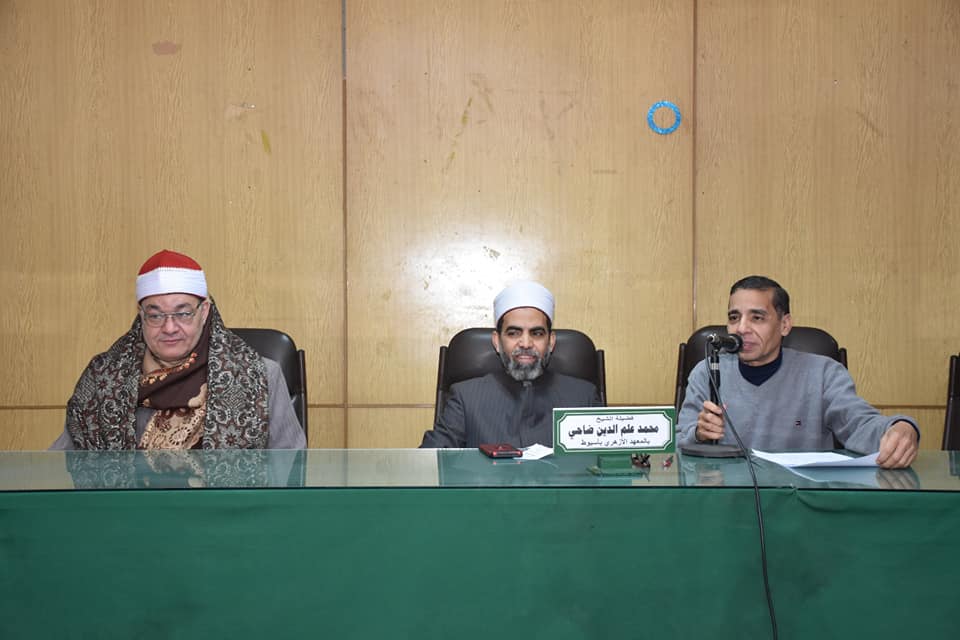
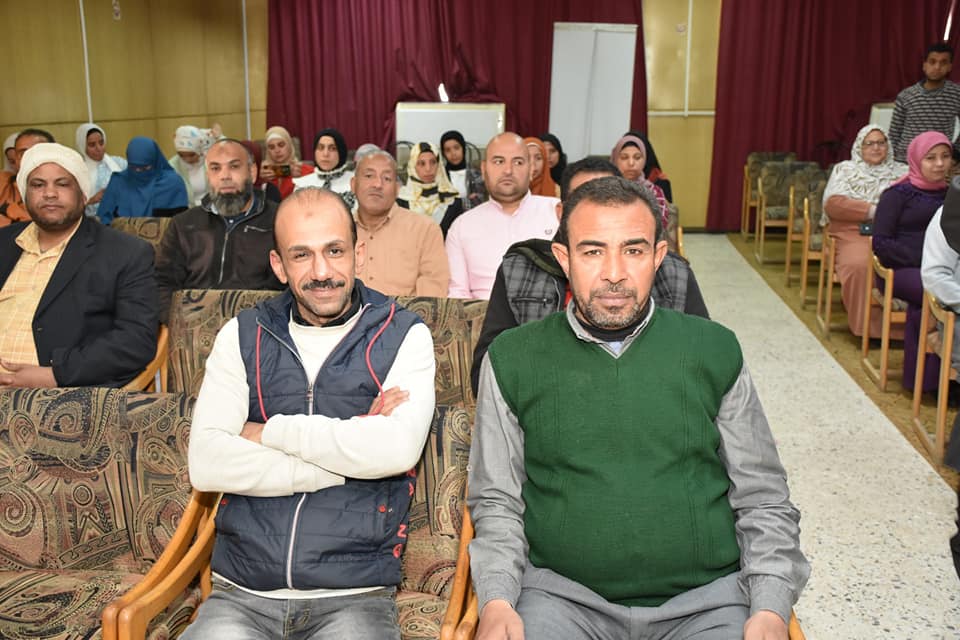
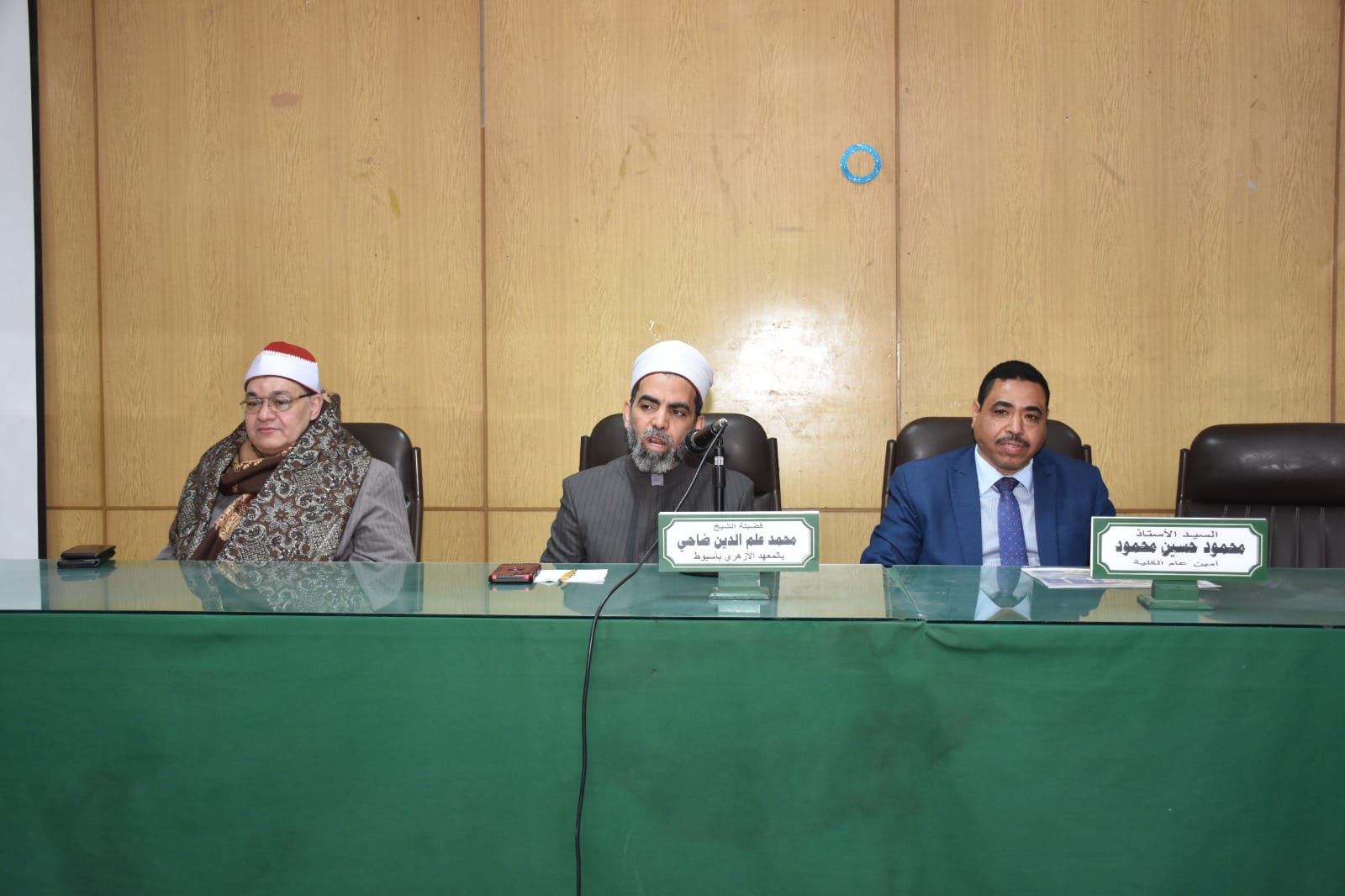
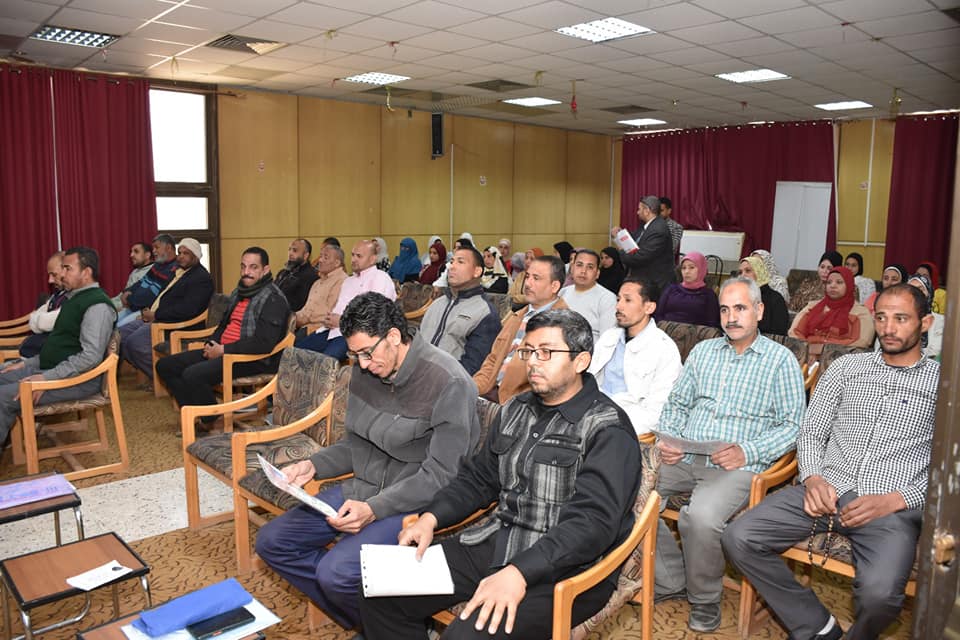
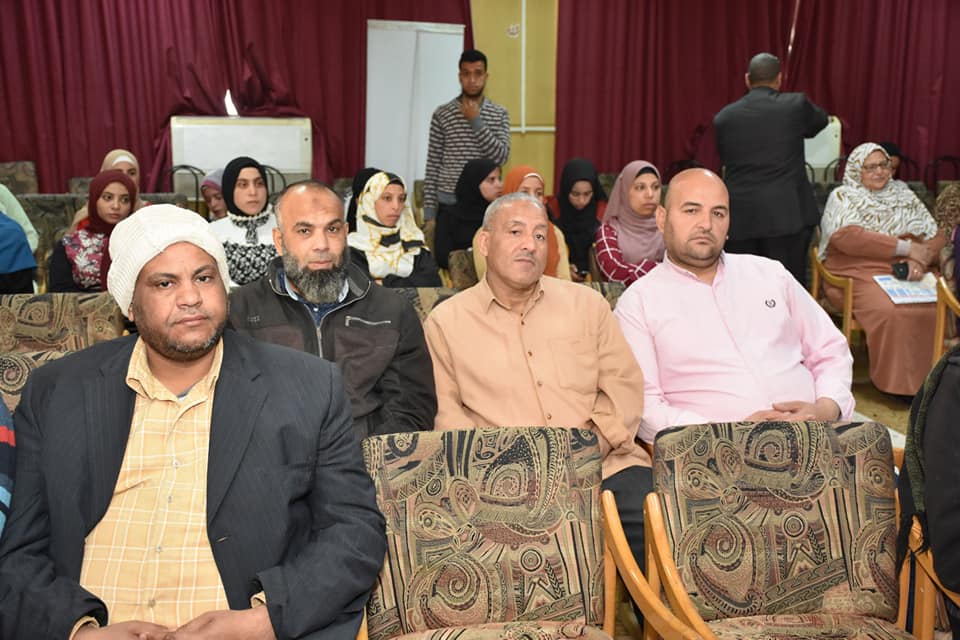
The activities of the “Fasting and Work Perfection Symposium” Sunday, April 2, 2023, in Conference Hall (A) on the fifth floor

فعاليات “ندوة الصيام واتقان العمل“ الاحد ٢ابريل ٢٠٢٣ بقاعة المؤتمرات (A)  بالدور الخامس والتي نظمها قطاع خدمة المجتمع وتنمية البيئة وتنسيق إدارة الأزمات والكوارث .

بحضور

الاستاذ/ محمود حسين امين عام الكلية

الشيخ/ محمد علم الدين ضاحي

والقارئ الشيخ/ محمد صديق البدراوي _قارئ القرآن

المهندس/اشرف دسوقي- مدير وحدة الازمات ومنسق الندوة

الاستاذ /احمد الشريف - منظم الندوة

وبحضور مجموعة من مديري الإدارات المختلفة بالكلية وبعض السادة العاملين ومجموعة من الطلاب.

ودارت المحاضرة حول شرح لمنهجية رسالة الحب الألهي وكيف أن يكون للأنسان خطة عمرية ووضع الأهداف والغاية التى يريد أن يصل إليها وقد أثرى فضيلة الشيخ الحاضرين بشرح عميق لبعض المفاهيم مثل الإيمان والعمل الصالح وكيف يكون الإنسان نفسه داعية لدين الله على حق وصدق المعاملات وتطوير الذات بالعلم لأن الإسلام هو تطبيق الأخلاق والمعتقدات الصحيحة كأسلوب حياة حتى تلقى الله بعملك فيجزيك خير الجزاء وأن أفضل الغايات وأرقها هو رؤية الله فى الجنة

الإمتناع عن الحرام فى رمضان وغير رمضان أما فى رمضان الصيام هو الإمتناع عن الحلال

وتحصيل ليلة القدر فى شهر رمضان هى أن تقوم كل يوم فى شهر رمضان قيام الليل فى الشهر كله وقيام ليله القدر بألف شهر (84 سنة) قيام ليل

وفى نهاية الندوه تمت الإجابه على جميع تساؤلات الحضور

1145

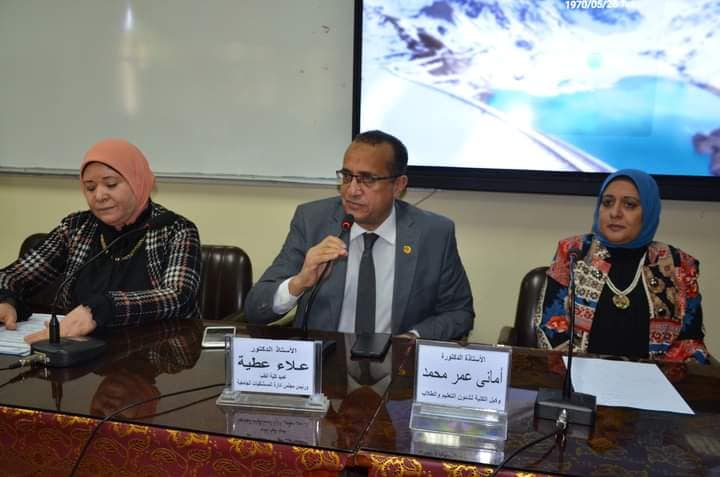
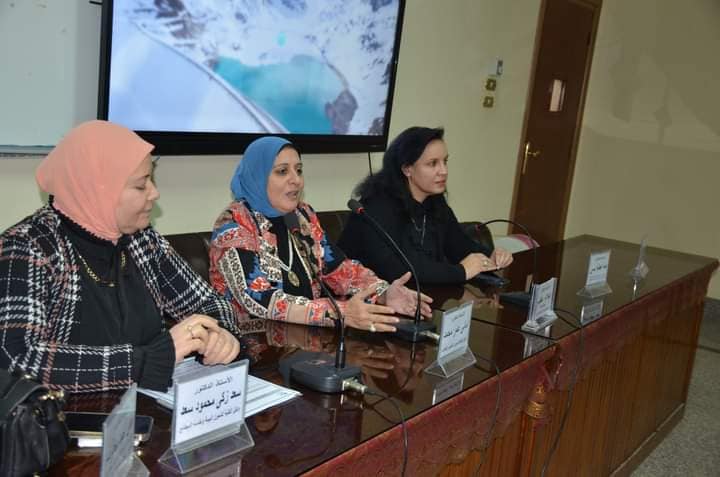
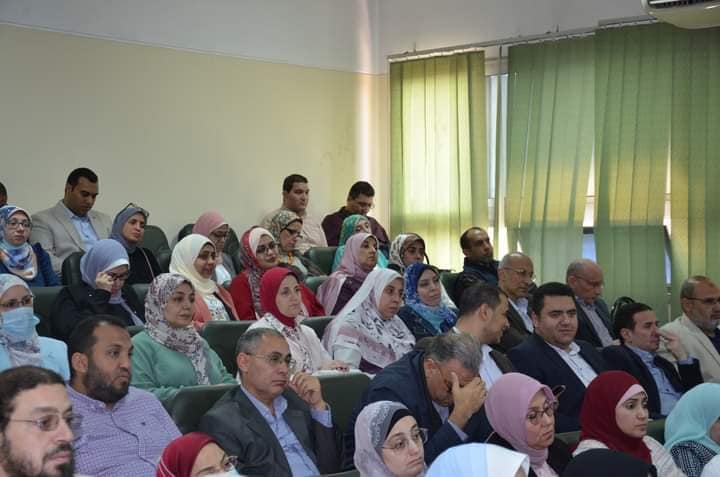
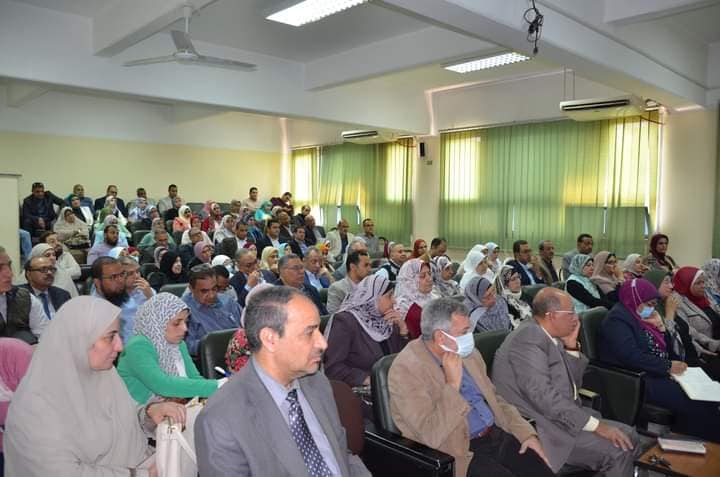
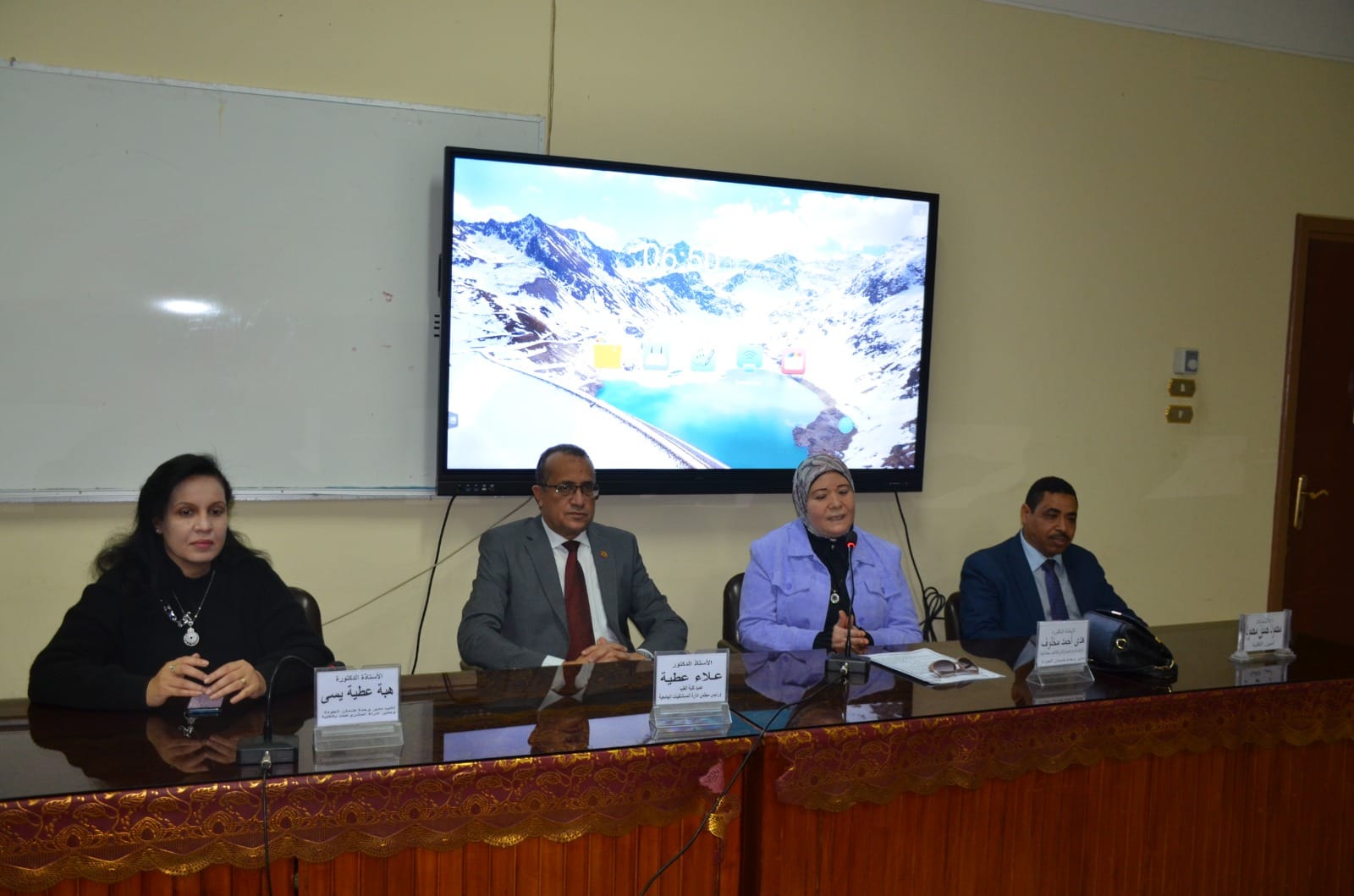
College management and quality meeting to discuss the renewal of accreditation with faculty members, department heads and block coordinators in the auditorium of the Quality Assurance Unit on the fifth floor of the College of Medicine

اجتماع ادارة الكلية والجودة لمناقشة تجديد الاعتماد بالسادة أعضاء هيئة التدريس رؤساء الأقسام و منسقي البلوكات بمدرج وحدة ضمان الجودة بالدور الخامس بكلية الطب

 بحضور

 أ.د/ علاء عطية - عميد كلية الطب ورئيس مجلس إدارة المستشفيات الجامعية

ا.د/ اماني عمر- وكيل الكليه لشئون التعليم والطلاب

ا.د/يوسف صالح وكيل الكليه لشئون الدراسات العليا والبحوث.

 أ.د/ هدي مخلوف- مدير وحدة ضمان الجوده

ا.د/ هبه عطية - نائب مدير وحدة ضمان الجوده.


1111

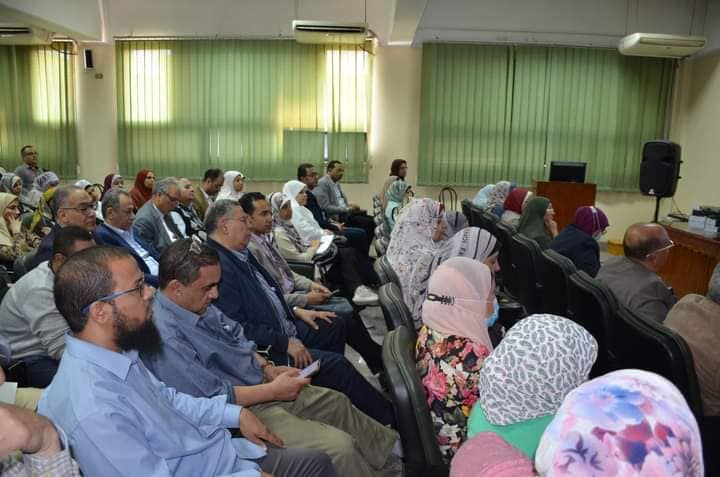
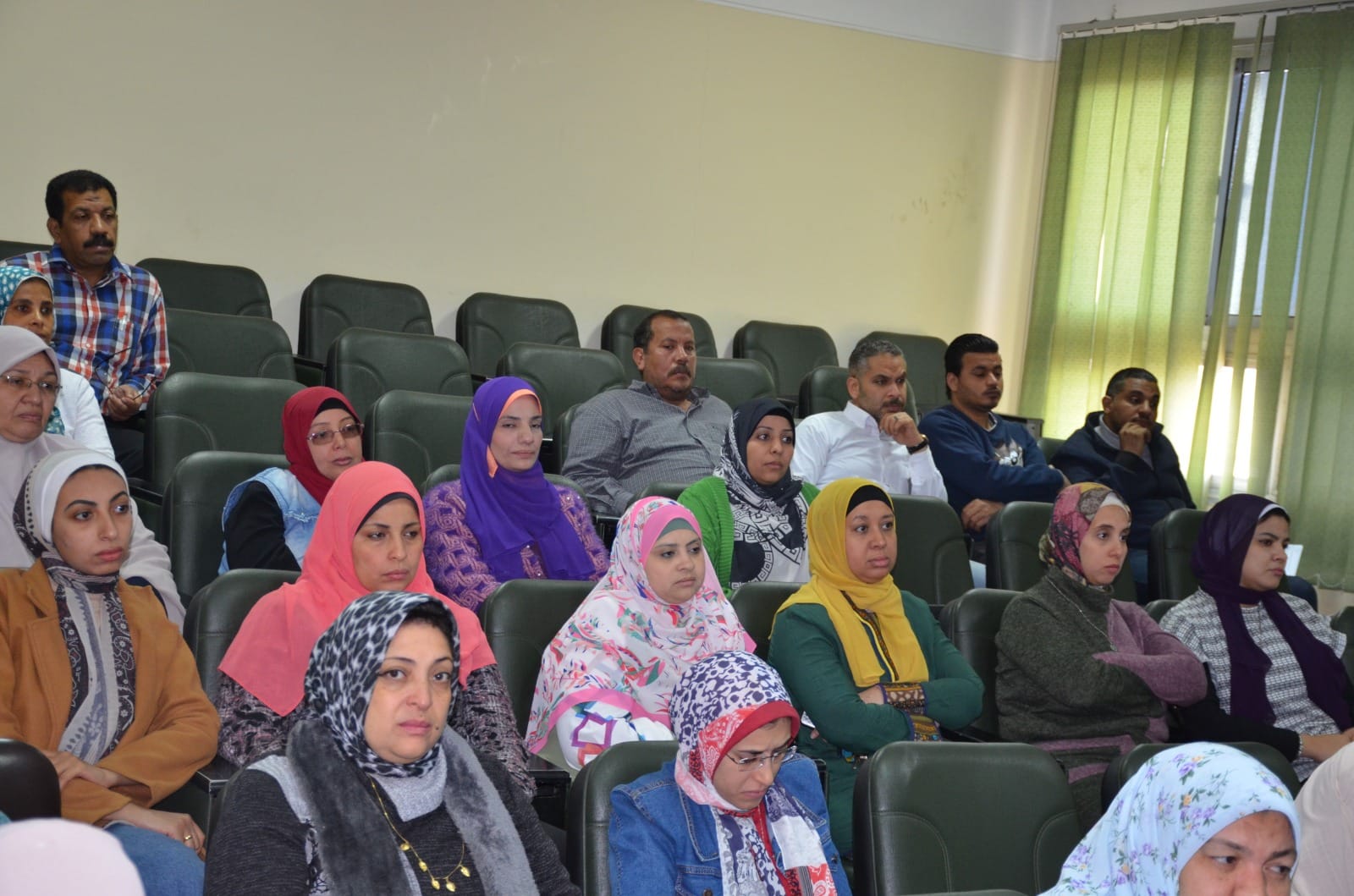
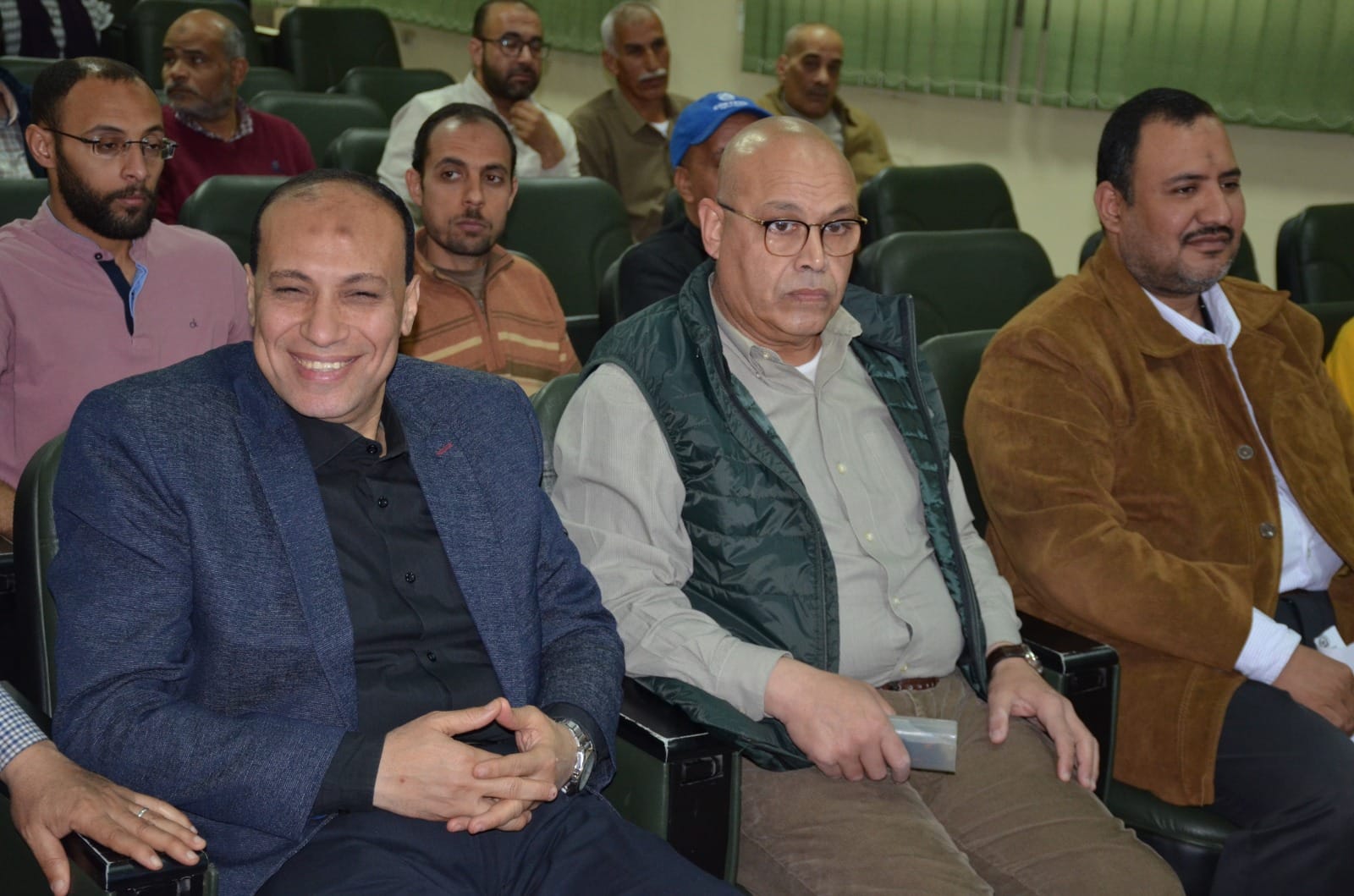
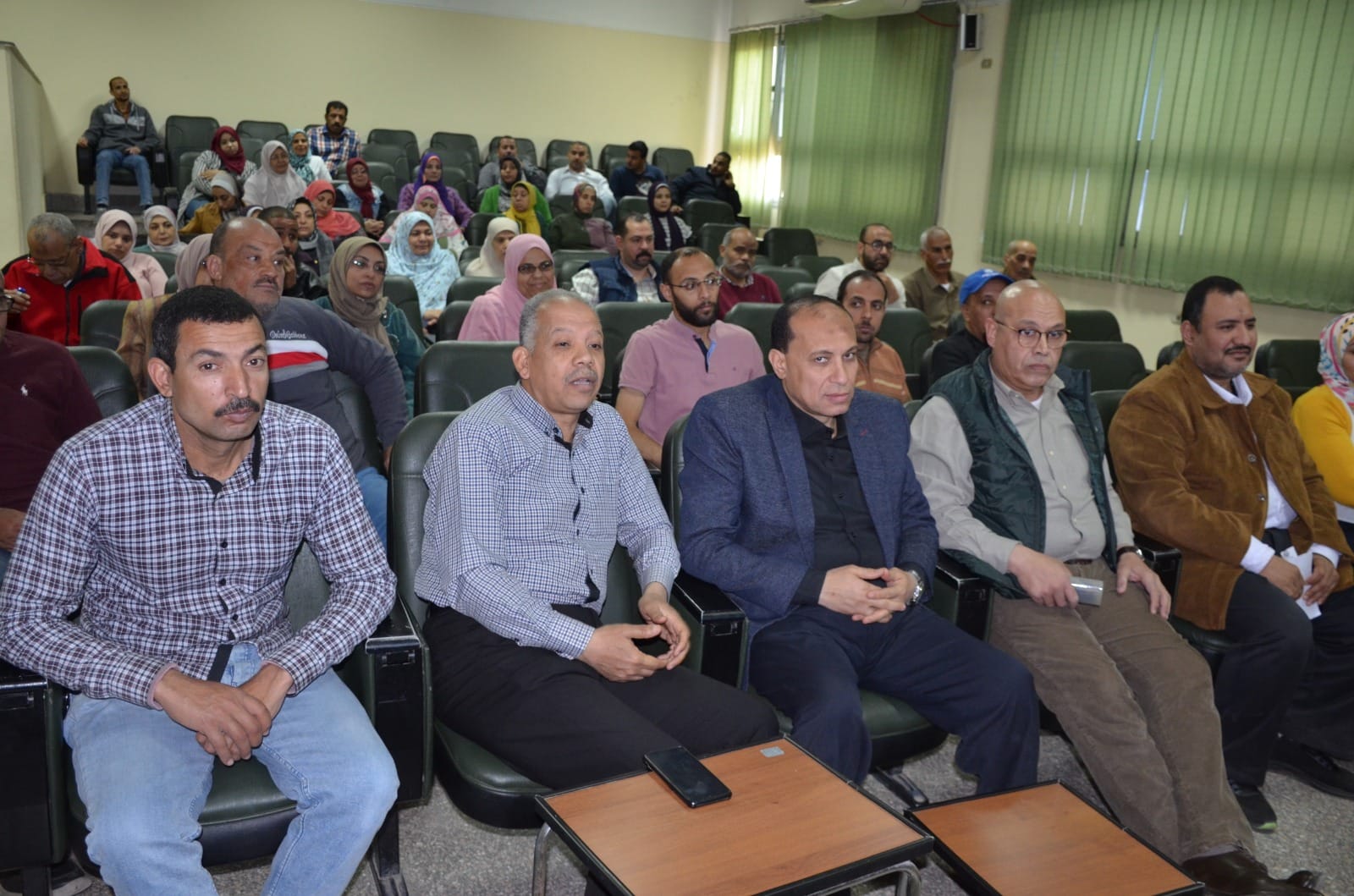
College management and quality meeting to discuss the renewal of accreditation with the directors of departments and employees of the College of Medicine in the auditorium of the Quality Assurance Unit on the fifth floor of the College of Medicine

اجتماع ادارة الكلية والجودة لمناقشة تجديد الاعتماد بالسادة مديري الإدارات والعاملين بكلية الطب بمدرج وحدة ضمان الجودة بالدور الخامس بكلية الطب

 بحضور

 أ.د/ علاء عطية-عميد كلية الطب ورئيس مجلس إدارة المستشفيات الجامعية

ا.د/ يوسف صالح- وكيل الكليه لشئون الدراسات العليا والبحوث

 أ.د/ هدي مخلوف- مدير وحدة ضمان الجوده

ا.د/ هبه عطية -نائب مدير وحدة ضمان الجوده.

الاستاذ/ محمود حسين -امين عام كلية الطب.

وتناول الاجتماع  

⬅️مفهوم الجودة و الاعتماد

⬅️ فوائده الإيجابية علي العاملين بالكلية .

⬅️استراتيجيه الكلية ورؤيتها.

⬅️ ودور الكلية إدارة واساتذه و طلبة من أجل الحصول علي تجديد الجودة  من الهيئة القومية لضمان جودة التعليم و الاعتماد.

1211


Subscribe to