 Do you have any questions?

Seminar by Dr. Abdel Rahman Mahmoud Mohamed Mahmoud - Assistant Lecturer - Department of Obstetrics and Gynecology
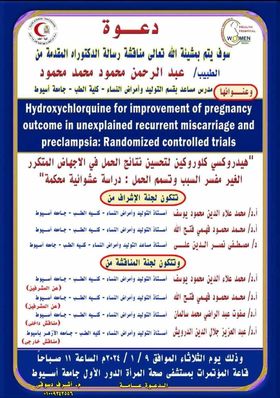
Seminar by Dr. Abdel Rahman Mahmoud Mohamed Mahmoud - Assistant Lecturer - Department of Obstetrics and Gynecology
Seminar by Dr. Abdel Rahman Mahmoud Mohamed Mahmoud - Assistant Lecturer - Department of Obstetrics and Gynecology
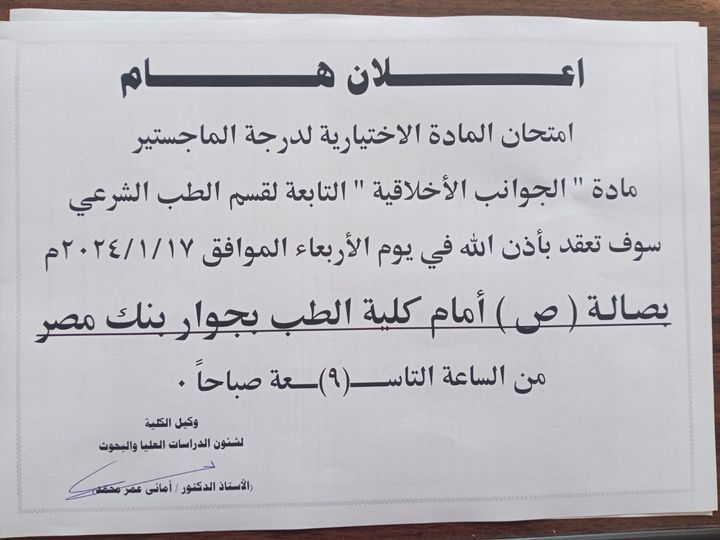
The date of the exam for the elective subject for the master’s degree: “Ethical Aspects” of the Forensic Medicine Department
Objectives/Hypothesis
To evaluate the potential of a minimally invasive transoral–transpalatal approach (MITA) to the retrocarotid petrous apex, as an adjunct to endoscopic endonasal approaches (EEAs).
Study Design
Cadaver study.
Methods
Five cadaveric specimens were dissected raising an inverted U‐shaped palatal mucoperiosteal flap, and drilling a rectangular palatotomy (between the greater palatine foramens, and just anterior to the palatine aponeurosis). This allowed a transpterygoid EEA with cross‐court access (contralateral line of sight), followed by an extradural clivectomy that exposed the petroclival junction bilaterally. Surgical targets were marked on the posterior and medial surface of the petrous internal carotid artery (ICA), at its anterior genu, midhorizontal portion, and posterior genu. For each target and approach, the surgical freedom and angles of approach (in the horizontal and vertical …
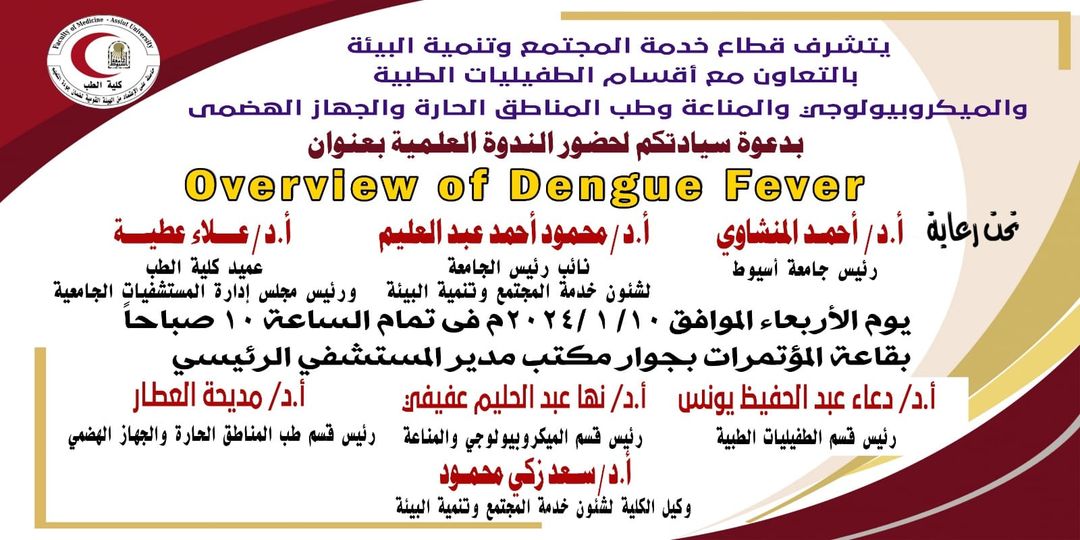
Invitation to attend the scientific symposium “Overview of Dengue Fever”

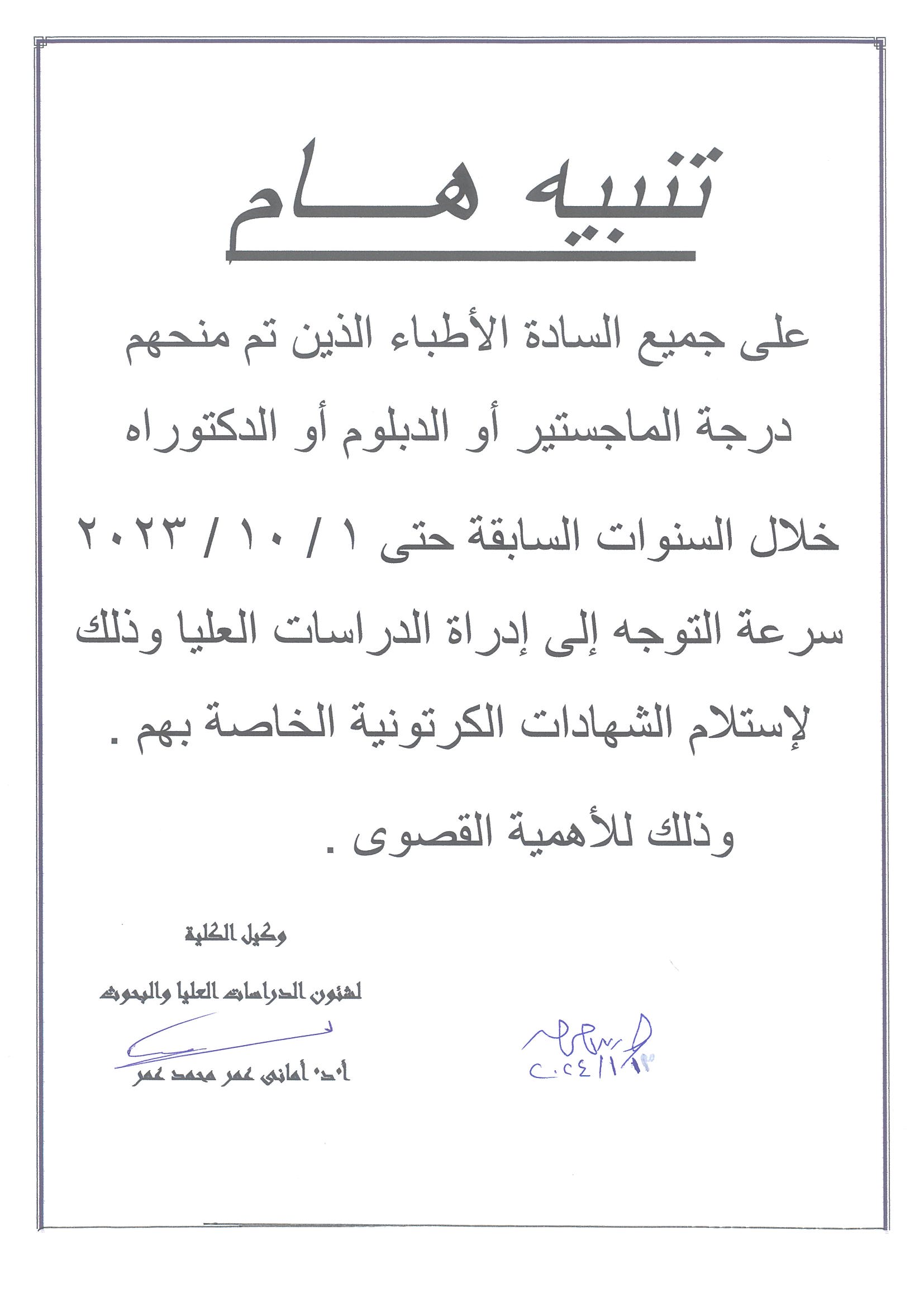
Important announcement for diploma, master’s and doctoral doctors
Chronic lymph ocytic leukemia (CLL) is a clonal expansion of small mature lymphocytes accumulating in the blood, bone marrow, and lymphoid organs. The interactions of the CLL microenvironment are known to promote CLL cell survival and proliferation. CD49d, an adhesion molecule belonging to the integrin family mediates cell-to-extracellular matrix and cell-to-cell interactions. CD44 is a glycoprotein and also a major hyaluronan receptor that mediates the response of cells to their cellular microenvironment.
COVID-19 represents a serious global threat due to scarcity of definitive cure and its infectious nature. The death rate of COVID-19 patients admitted to hospitals was quite high, and cytokine storms could be the mechanism of severity. Interleukin-6 (IL6) and C-reactive protein (CRP) may predict severity and mortality. We attempted to determine the role of IL6 and CRP as predictors of death in intensive care unit (ICU) patients. This Cross-sectional hospital study included 100 patients admitted to ICUs at Assiut University Hospitals from October 2020 to October 2021. Data including age, sex and comorbidities were recorded, laboratory investigations included CRP, ferritin, and IL6. Data were collected and analyzed. Morality predictors in ICU patients with COVID-19 infection were older age (> 60 years), presence of diabetes mellitus, chest diseases, CRP> 49, IL-6> 70 pg/ml. In conclusion, early ranking and identification of people, who are at risk of death among ICU patients, by monitoring of CRP, IL6, early treatment of cytokine storm, and good management of pre-existing comorbidities would be a very useful approach to reduce the mortality among ICU patients.