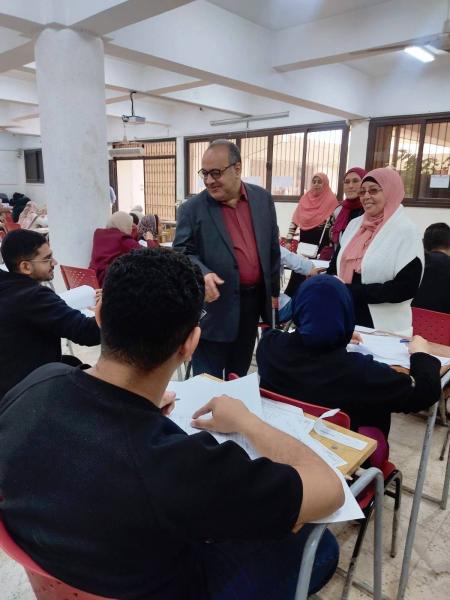
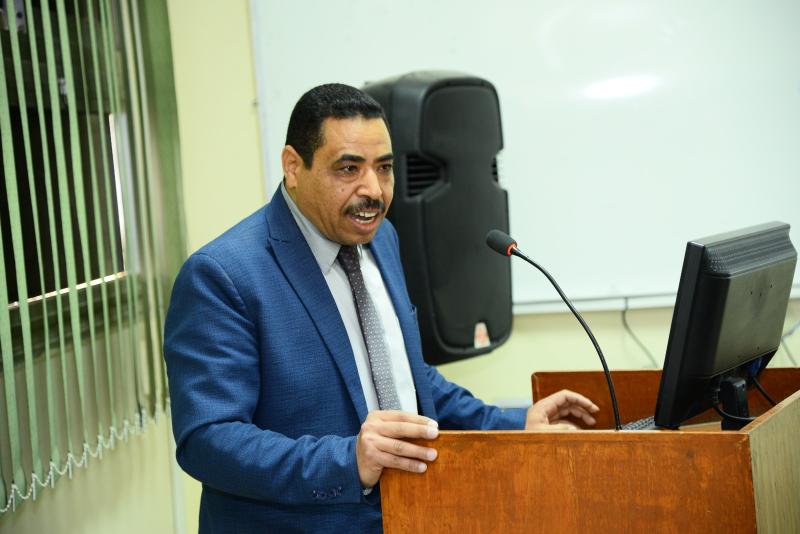
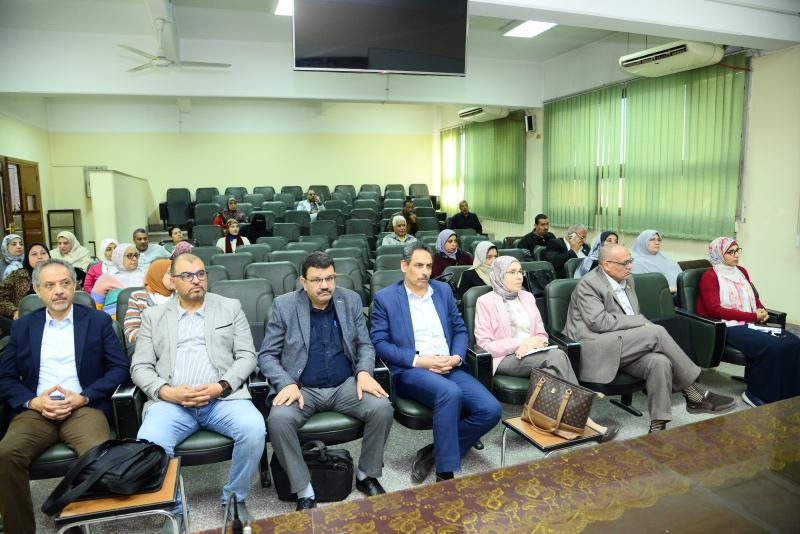
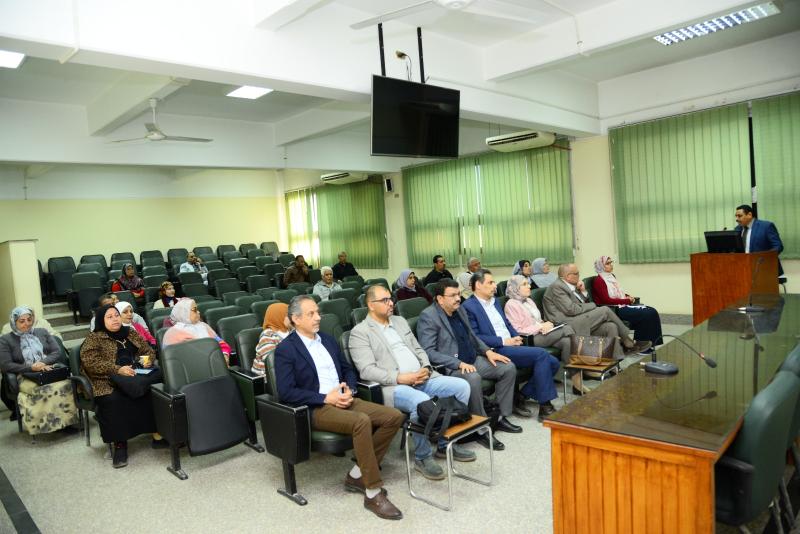
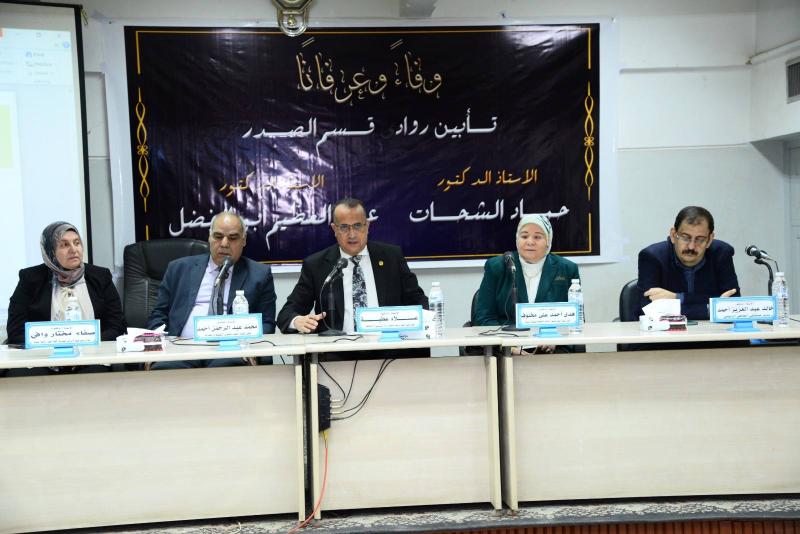
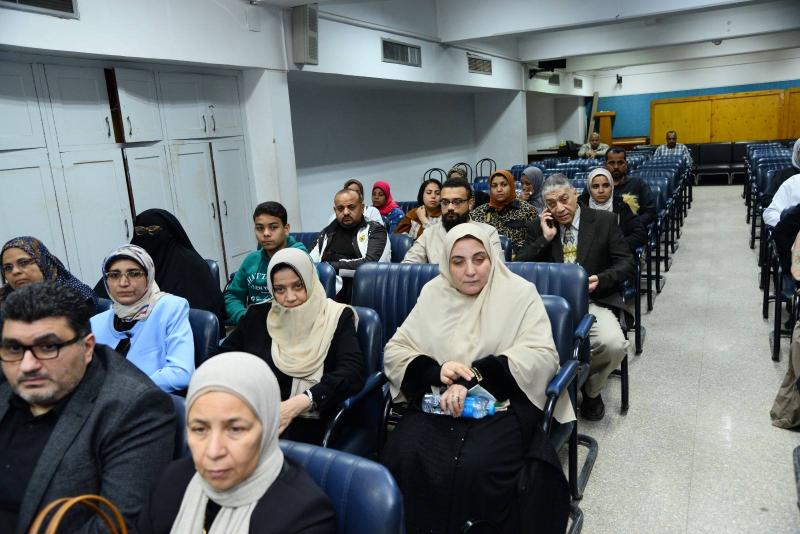
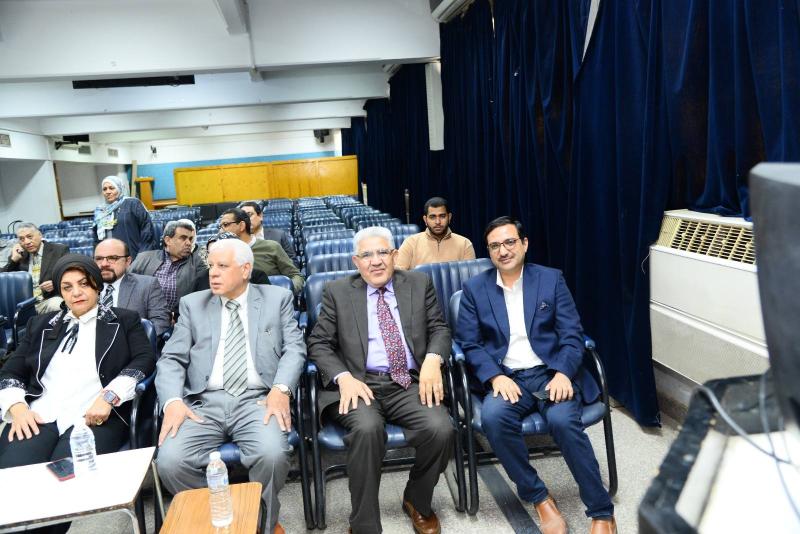
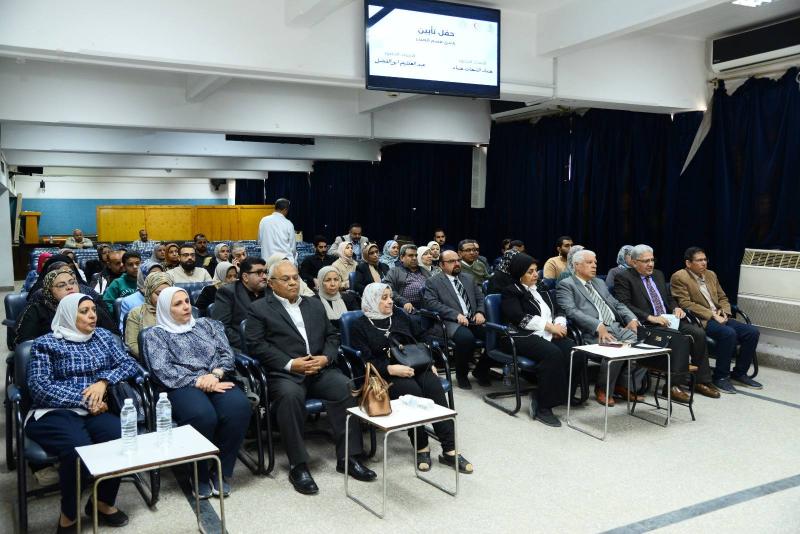
The Department of Otorhinolaryngology, Faculty of Medicine, Assiut University, is invited to the 15th conference on "The Latest Therapeutic and Surgical Technologies in the Field of Otorhinolaryngology."

The Department of Otorhinolaryngology, Faculty of Medicine, Assiut University, is invited to the 15th conference on "The Latest Therapeutic and Surgical Technologies in the Field of Otorhinolaryngology."

The Department of Otorhinolaryngology, Faculty of Medicine, Assiut University, is invited to the 15th conference on "The Latest Therapeutic and Surgical Technologies in the Field of Otorhinolaryngology."


Comparing the Role of Placental Tissue Remodeling Biomarkers MXRA5 and TIMP2 in Predicting the Severity of Preeclampsia

Research Abstract

To evaluate the role of matrix-remodeling associated 5 (MXRA5), and tissue inhibitor metalloproteinase 2 (TIMP2) levels in predicting the severity of preeclampsia. Forty-eight pregnant women complicated by preeclampsia, whose ages ranged from 20 to 40 years, in addition to 48 age- and sex-matched normotensive pregnant women, served as the control group included in the study. The placental samples in this study were obtained via cesarean section, frozen immediately in liquid nitrogen, and stored at − 80 °C until the time of assay for subsequent RNA and protein biochemical measurements. There was a statistically significant decrease in the mean MXRA5 level among cases compared with controls (p <0.001 for both). However, there was no statistically significant difference in the mean TIMP2 level between the cases and controls. There was a statistically significant lower mean difference in pAKT-ELIZA among PE patients (0.29±0.04) than among controls (0.56±0.14, p<0.001), with a positive correlation between pAKT and MXRA5. MXRA5 performed high accuracy (sensitivity: 96.7%, specificity: 94.4%) in excluding cases and controls with PE. Furthermore, MXRA5 exhibited greater sensitivity in distinguishing between severe and mild cases (95.5%, sensitivity 96.7%, specificity), whereas the role of TIMP2 was insignificant.
In conclusion: in pre-eclampsia patients, reduced MXRA5 expression is a highly sensitive biomarker for detecting and predicting the severity of PE.

Research Authors
Sara Atta, Mona A. H. El Baz , Ahmed M. A. Sobh, Alshimaa H. M. Hassan, Shimaa A. A. Hafeez
Research Date
Research Department
Research File
3+(1).pdf (300.19 KB)
Research Journal
South Eastern European Journal of Public Health (SEEJPH), ISSN: 2197-5248.
Research Pages
12
Research Publisher
South Eastern European Journal of Public Health (SEEJPH), published by Uphills Publishers LLC, Sheridan, United States.
Research Rank
Scopus (Q4, SJR = 0.18, H-index = 7)
Research Vol
Volume XXVI, S2,2025
Research Website
https://www.seejph.com/index.php/seejph/article/view/5829/3864
Research Year
2025

Neuroprotective Effects of Liraglutide and/or Rivastigmine Combination on the Rat Hippocampus

Research Abstract

This study evaluated the neuroprotective potential of a combination therapy using liraglutide (LIRA), an antidiabetic agent, and rivastigmine (RIVA), a standard treatment for Alzheimer's disease (AD), in a rat model of aluminum chloride (AlCl₃)‐induced AD. Male rats were divided into five groups: control, AD (AlCl₃,75 mg/kg for 60 days), RIVA‐treated (1 mg/kg daily for 6 weeks), LIRA‐ treated (300 µg/kg daily for 6 weeks), and combination‐treated (LIRA + RIVA). Cognitive function was assessed behaviorally, and hippocampal biomarkers related to AD—such as microtubule‐associated protein Tau (MAPt), Beta‐Site Amyloid Precursor Protein Cleaving Enzyme 1 (BACE1), Sequestosome 1 (SQSTM1/p62), and acetylcholinesterase (AChE) activity—were evaluated. Histopathological changes, immunohistochemistry, and transmission electron microscopy were also assessed. The levels of MAPt, BACE1, SQSTM1/p62, and AChE in the LIRA + RIVA group were 11.32 ± 0.467 ng/mL, 1069 ± 80.1 pg/mL, 408.7 ± 19.41 pg/mL, and 0.805 ± 0.342 µmol of acetylthiocholine iodide hydrolyzed/min/g of tissue, respectively. These levels were significant (p < 0.01) when compared with the AlCl3 group. Histological findings supported these biochemical data, indicating enhanced neuroprotection. LIRA may have a potential neuroprotective effect due to the rise in AChE, BACE1, (SQSTM1/p62) amyloid beta (Aβ), and caspase‐3 levels induced by AlCl3. Co‐administration of LIRA and RIVA provided superior neuroprotective effects compared with RIVA alone, suggesting a promising therapeutic strategy for preserving cognitive function in AD.
 

Research Authors
Raafat A. Abdel‐Aal| Mohammad Salem Hareedy | Dalia M. Badary | Sara Abdelnabi | Abeer M. R. Hussein
Research Date
Research Department
Research Publisher
wiley
Research Rank
4.2
Research Vol
86:e70160
Research Website
doi: 10.1002/ddr.70160.
Research Year
2025

Detection and genotyping of Cryptosporidium species in diarrheic patients in Assiut, Egypt: A parasite of potential zoonotic transmission

Research Abstract

bstract

Background: In Assiut, Upper Egypt, studies that estimate the burden of cryptosporidiosis are scarce. Besides, molecular speciation of Cryptosporidium is necessary for identifying possible transmission routes and consequently implementing successful preventive approaches.
Objective: To determine the burden of cryptosporidiosis in infecting diarrheic patients attending Assiut University Hospitals, and to identify the causative species.
Subjects and Methods: A total of 220 stool samples were collected from diarrheic patients of all ages and both sexes who attended outpatient clinics of Assiut University Hospitals. Samples were examined microscopically using modified Kinyoun's acid fast staining for detection of Cryptosporidium oocysts. Positive samples were subjected to nested PCR (nPCR) to amplify the gene encoding SSU rRNA, followed by restriction fragment length polymorphism (RFLP) to accurately distinguish Cryptosporidium species.
Results: The overall microscopically detected infection rate of Cryptosporidium spp. was 18.18% (40/220). Molecular diagnosis identified only 32 positive samples (14.54%). The RFLP yielded typical restriction patterns for C. parvum in 17 (53.13%), C. hominis in 11 (34.37%), and C. meleagridis in 4 (12.5%). While C. parvum was prevalent in rural areas, C. hominis dominated in urban areas, and all cases of C. meleagridis were recovered only in rural areas (P = 0.0005). Significant association was recorded between C. parvum, and C. meleagridis infection and contact with animals (P = 0.009).
Conclusion: The detection rate of C. hominis highlights the anthroponotic pathway in urban areas. In addition, the genetic diversity of Cryptosporidium spp. with the predominance of C. parvum suggested potential zoonotic transmission particularly in rural areas in Assiut, Egypt. These data are valuable for development of effective control approaches against human cryptosporidiosis
Research Authors
Ahmed kamal dyab
Research Date
Research Department
Research Journal
parasitologists United Journal
Research Member
Research Pages
10.21608/puj.2025.418255.1315
Research Publisher
Egyptian Parasitologists United Society (EPU)
Research Rank
Q4
Research Vol
on line
Research Website
https://puj.journals.ekb.eg/article_455271.htm
Research Year
2025

"Radial Nerve Palsy in Adult Traumatic Humeral Shaft Fractures: Epidemiology and Outcomes at a Level One Trauma Center."

Research Abstract

Introduction and Aim:

Traumatic humeral shaft fractures are common injuries, often managed conservatively. However, surgical interventions are frequently employed to improve outcomes. Associated primary radial nerve palsy is about 22%. This study aims to evaluate the incidence and consequences of radial nerve palsy in adult patients with traumatic humeral shaft fractures admitted at Assiut University Hospital from April 2022 to March 2023.

Patients and Methods:

A prospective case series was conducted at a level I trauma center on 51 patients (age >16 years) with humeral shaft fractures. Exclusions included pathological fractures, old presentations, or intra-articular extensions. Patients were followed for six months.

Results:

The mean patient age was 37.4 years, and 80.4% were male. Road traffic accidents were the predominant cause (68.6%). Fractures were predominantly AO type A (66.6%). Surgical management included posterior plating (64.7%), anterior plating (13.7%), Long PHILOS (5.8%), MIPO (1.9%), EXFIX (5.8%),Conserve (3.9%). Union was achieved in 94% of cases with an average DASH score of 11.5. Radial nerve palsy occurred in 11 patients (21.57%): 8 primary (15.56%) and 3 iatrogenic (5.88%). Seven patients (63.6%) had spontaneous recovery within 4-6 months following surgical exploration. Four required tendon transfer.

Conclusion:

 Radial nerve palsy was observed in 11 out of 51 patients (21.57%). Surgical exploration showed no visible abnormalities in recovering patients. The posterior approach was the most commonly used (33 cases), with the choice of approach based on fracture site and radial nerve involvement. Successful union was achieved in 94% of cases.

Keywords:  Humeral shaft fractures, radial nerve injury, adults

Research Authors
Youssef Sameh Yassin, Khaled M Balam, Amr A Fadle
Research Date
Research Journal
The Egyptian Orthopaedic Journal
Research Publisher
Egyptian Orthopaedic Association
Research Website
https://eoj.journals.ekb.eg/article_420054.html
Research Year
2025

The Faculty of Medicine website won second place in the Best Website Award at Assiut University in the Quality and Excellence Award in its third session for the year 2025.

The Faculty of Medicine website won second place in the Best Website Award at Assiut University in the Quality and Excellence Award in its third session for the year 2025.

حصد موقع كلية الطب المركز التانى فى جائزة افضل موقع إلكتروني بجامعة أسيوط فى جائزة الجودة والتميز" في دورتها الثالثة لعام ٢٠٢٥

موقع كلية الطب تحت رعاية الاستاذ الدكتور علاء عطية عميد كلية الطب، ورئيس مجلس ادارة المستشفيات الجامعية، واشراف الاستاذ الدكتور حسين الخياط، مدير وحدة الخدمات التكنولوجية ، والاستاذ محمد حسنى المدير الإدارى للوحدة، والسيدة رحاب حمزة منسق الوحدة، ويرتبط الموقع بشبكة معلومات الجامعة.

الجدير بالذكر ان الموقع يوفر العديد من الخدمات للسادة اعضاء هيئة التدريس والهيئة المعاونة والطلاب والخريجين وطلاب الدراسات العليا، وبلغ عدد الزوار ما يقرب من 800 الف .


123


Isolation and morphological and molecular characterization of waterborne free-living amoebae: Evidence of potentially pathogenic Acanthamoeba and Vahlkampfiidae in Assiut, Upper Egypt

Research Abstract

Free-living amoebae (FLA) are gaining attention due to the increasing number of related grave central nervous system (CNS) and sight-threatening eye infections and their role as Trojan horses for many bacteria and viruses. This study was conducted in Assiut City, Egypt to detect the presence of FLA in different water sources using morphological and molecular approaches and determine their potential pathogenicity. A total of 188 water samples (100 tap, 80 tank, and 8 swimming pool samples) were collected, cultivated on non-nutrient agar seeded with Escherichia coli, and inspected for FLA. Thermo- and osmo-tolerance assays were performed to determine their pathogenicity. Polymerase chain reaction and sequence analysis were performed to confirm the identification and analyze the genotype. Overall, 52 samples (27.7%) were positive for FLA. Of these, 20.7% were identified as Acanthamoeba, 1.6% as Vahlkampfiidae, and 5.3% as mixed Acanthamoeba and Vahlkampfiidae. Seven species of Acanthamoeba were recognized, of which AtriangularisApolyphagaAlenticulata, and Aculbertsoni are thermo- and osmo-tolerant, and AastronyxisAcomandoni, and Aechinulata are non-thermo- and non-osmo-tolerant. The phylogeny analysis revealed T4 and T7 genotypes. Among Vahlkampfiids, 61.5% were identified as thermo- and osmo-tolerant Vahlkampfia, and 30.8% were identified as non-pathogenic Naegleria. One isolate (7.7%) was identified as potentially pathogenic Allovahlkampfia, as confirmed by sequencing. This is the first report documenting the occurrence and phylogeny of waterborne FLA (Acanthamoeba …

Research Authors
Martina M Nageeb, Hanan EM Eldeek, Rasha AH Attia, Atef A Sakla, Samia S Alkhalil, Haiam Mohamed Mahmoud Farrag
Research Date
Research Department
Research Journal
PloS one
Research Pages
e0267591
Research Publisher
Public Library of Science
Research Vol
Volume 17 Issue 7
Research Website
https://scholar.google.com/scholar?oi=bibs&cluster=10978863283733431386&btnI=1&hl=en
Research Year
2022

COMPARATIVE EVALUATION OF MULTIPLE STAINING TECHNIQUES FOR IDENTIFICATION OF DIFFERENT DEVELOPMENTAL STAGES OF ACANTHAMOEBA AND NAEGLERIA

Research Abstract

Potentially pathogenic free-living amoebae (FLA) are unique protozoa that present a healthcare challenge. The appropriate choice of staining technique is crucial to improving the efficiency of microscopic diagnosis of FLA isolated from environmental as well as clinical samples. This study aimed to evaluate different staining techniques for morphologicalidentification of Acanthamoeba and Naegleria isolated from tap water samples in different localities in Assiut City, Egypt. A multi-attribute evaluation was performed to compare these techniques considering staining quality, ease of performance, cost and time of each procedure. Seven staining techniques were used including Lugol’s iodine and lactophenol cotton blue as temporary stains, with Giemsa, trichrome, iron hematoxylin, acid-fast and Gram stains as permanent stains. Both lactophenol cotton blue and Lugol's iodine showed good structural details of different stages of FLA and good contrast at a very short time and reasonable cost, followed by Giemsa. Both trichrome and iron hematoxylin stains gave comparable staining quality but at a longer time with more complex staining procedures and higher cost. Both modified acid-fast and Gram stains didn't provide sufficient staining quality to identify morphological details of FLA. According to the multi-attribute evaluation, both Lugol’s iodine and lactophenol cotton blue achieved the highest rank (92.85%) followed by Giemsa and Gram stains (64.28 %), modified acid-fast stain (57.14%), while iron hematoxylin and Masson’strichrome had the last rank (46.42%).

Research Authors
HANAN EM ELDEEK, RASHA AH ATTIA, MARTINA M NAGEEB, ATEF A SAKLA
Research Date
Research Department
Research Journal
Journal of the Egyptian Society of Parasitology
Research Pages
409-422
Research Publisher
The Egyptian Society of Parasitology
Research Vol
Volume 49, Issue 2
Research Website
https://scholar.google.com/scholar?oi=bibs&cluster=5740223843316781885&btnI=1&hl=en
Research Year
2019

The role of bees in wetland echosystems and sustainable development

Research Abstract

Bees are essential organisms, with approximately 20,000 species distributed across a variety of environments worldwide. They play a pivotal role in maintaining ecological balance, primarily through their function as key pollinators for plants. This process is not only crucial for sustaining biodiversity but also has a significant impact on both the environment and the global economy. In wetland regions, bees demonstrate their remarkable efficiency in pollinating a wide range of aquatic and semi-aquatic plants. Their role in these areas is particularly significant since they help maintain biodiversity and support the health of clean water systems. Additionally, bees interact with aquatic species, such as fish in lakes, fostering a balance between terrestrial and aquatic ecosystems. Despite their many contributions, bees face numerous challenges that threaten their survival and the crucial services they provide. Climate change, with its disruptions to flowering patterns and weather conditions, poses a significant threat, as does the widespread use of pesticides, which can weaken bee populations. These challenges could lead to declines in bee populations, disrupting ecosystems and food production worldwide. The importance of bees in supporting environmental health underscores their vital role in sustainable development. Bees not only contribute to food production and biodiversity but also play an integral role in ensuring the stability of ecosystems and water systems. By understanding and protecting bees, we can help safeguard the Earth’s ecological balance and contribute to a more sustainable future.

Research Authors
Fatma El-Zahraa A. Abd El-Aziz¹* , Asmaa F.A. Dawood2, 3, Nawaf Al Khashram², Salma Osman Taha², Abeir Bashir Hasan², Aliya Elamin Mohamed Elbadawi², Salwa A. Fouad⁴, Marwa A. Abdel-Mageed¹, Mariem A. Rabab¹, Leila H. Sayed¹
Research Department
Research Journal
Egyptian Journal of Aquatic Biology & Fisheries
Research Pages
643 – 660
Research Rank
Q3
Research Vol
29(3)
Research Year
2025

Melatonin-mediated ionic homeostasis in plants: mitigating nutrient deficiency and salinity stress

Research Abstract

Melatonin promotes plant tolerance to abiotic stresses by stimulating the expression of many stress-related genes and protecting plants from oxidative stress, which has been reviewed extensively. Salinity forces plants to uptake excessive amounts of sodium (Na+) and chloride ions, resulting in the alteration of essential minerals such as potassium (K+), calcium, magnesium, and iron homeostasis. Moreover, exposure to essential nutrient deficiencies, such as nitrogen, iron, sulfur, and potassium changes ionic homeostasis in plants. This review highlighted the effects of melatonin on the improvement of plant Na+-K+ balance and micronutrient homeostasis under salinity conditions and on the improvement of ionic homeostasis in plants under nutrient-deficit conditions. Melatonin inhibits Na+ loading in roots and increases Na+ retrieval from shoots resulting in increased K+ accumulation. Melatonin mainly maintains Na+-K+ homeostasis by upregulating the Na+/H+ antiporter 1 and AKT serine/threonine kinase 1 transporter genes. Moreover, melatonin improves calcium, magnesium, copper, and iron contents in plants under stress conditions. Under nutrient-deficient stress, melatonin modulates numerous transporter genes and regulates the uptake and translocation of different essential nutrients. In-depth ionomics studies should be performed in plants exposed to salinity and nutrient deficiency stress to better understand the potential mechanism of melatonin-assisted ionic homeostasis under these conditions.

Research Authors
Md. Tahjib-Ul-Arif, Ishrat Zahan, Md. Sazzad Hossain, Shahin Imran, Md. Hasanuzzaman, Mona F. A. Dawood, Asmaa F. A. Dawood, Md Asaduzzaman, Mohammad Saidur Rhaman, Zahra Souri, Amit Kumar Mishra & Marian Brestic
Research Department
Research Journal
Discover Plants
Research Vol
2
Research Year
2025
Subscribe to