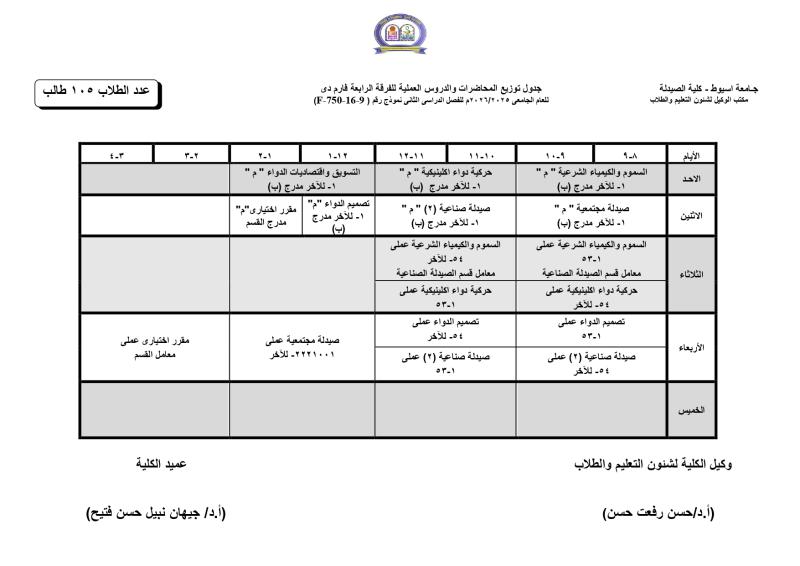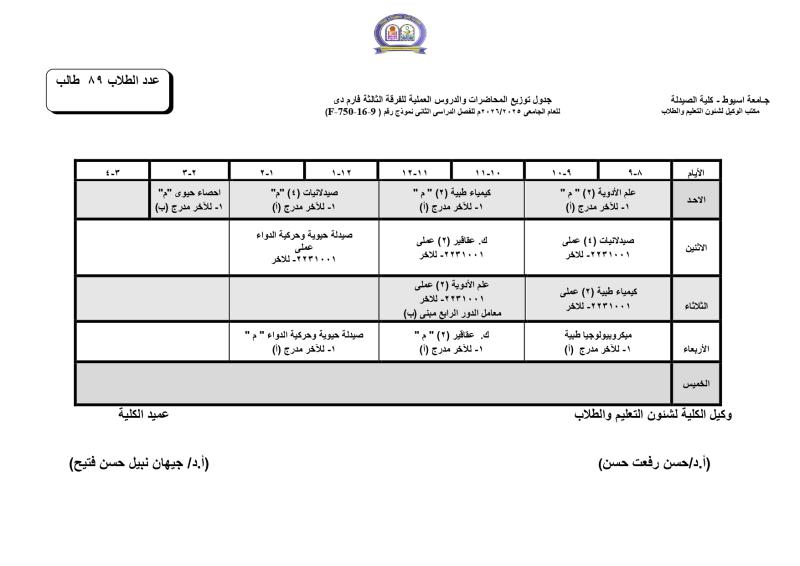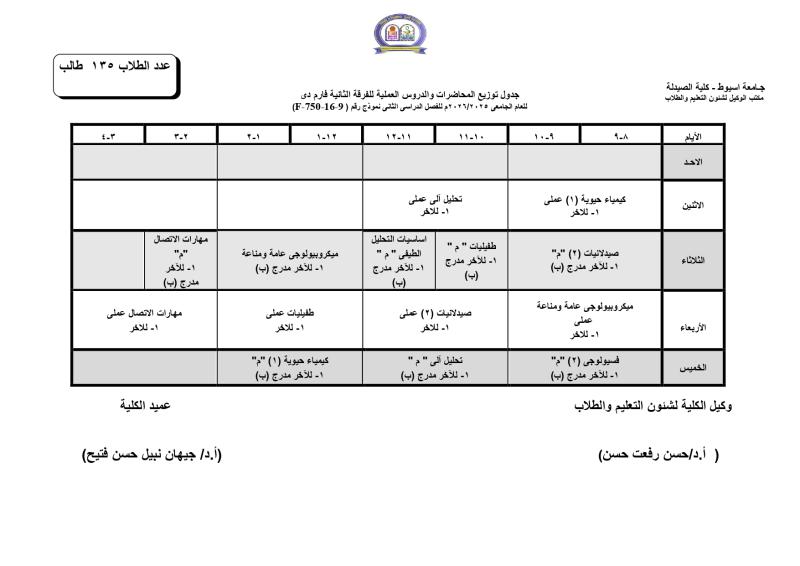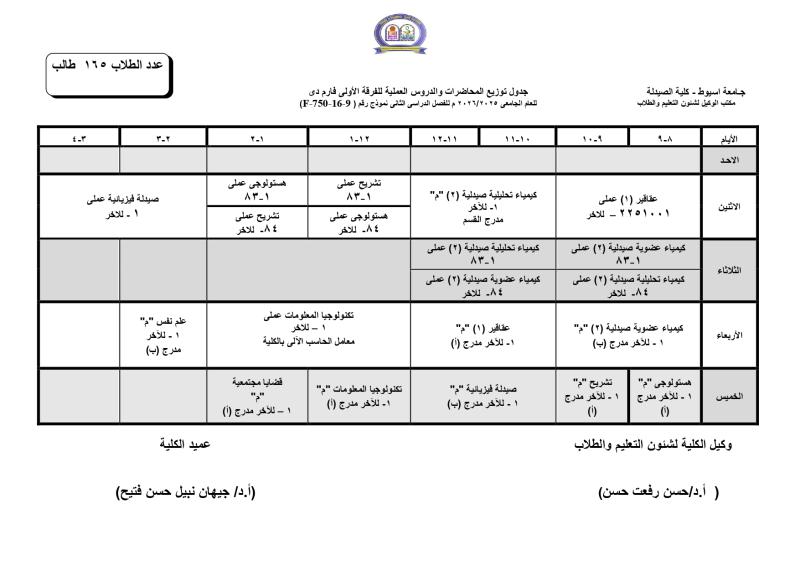



Meeting of the Council of the Pharmaceutics Department, Faculty of Pharmacy this will take place on Monday, July 7, 2025

سوف يعقد بمشيئة الله تعالي اجتماع مجلس قسم الصيدلانيات بكلية الصيدلة رقم (541) وذلك يوم الأثنين الموافق 7 يوليو 2025م  الساعة العاشرة صباحاً

بقاعة مجلس القسم  بالدور الثالث لمناقشة الموضوعات التى سنوافيكم بها فى حينه

news category
خبر عام

A Highly Sensitive Inclusion Complex Based Spectrofluorimetric Method for the Determination of Certain Sodium Glucose Cotransporter-2 Inhibitors: Greenness Assessment and Application to Different Biological Fluids

Research Abstract

This study introduces a remarkably simple, green, and highly sensitive inclusion complex based spectrofluorimetric method for analyzing two sodium glucose cotransporter-2 (SGLT2) inhibitors: empagliflozin (EGF) and dapagliflozin (DGF). The method utilizes beta-cyclodextrin (β-CD) complexation to enhance the native fluorescence of EGF and DGF in aqueous solutions, resulting in 11.0-fold and 9.0-fold intensity increases, respectively. Fluorescence measurements were conducted at 301 nm emission following 230 nm excitation for both drugs. The method demonstrates excellent linearity (0.9994 for EGF and 0.9993 for DGF) over concentration ranges of 5.0–250.0 ng/mL and 10.0–300.0 ng/mL, with low detection limits of 1.05 and 1.38 ng/mL for EGF and DGF, respectively. The method's versatility was validated through successful application in pharmaceutical formulations, content uniformity testing, and biological fluids. This eco-friendly approach primarily uses water as a solvent and requires minimal reagents. The method's environmental impact was comprehensively evaluated using the analytical eco-scale, green analytical procedure index (GAPI), and analytical greenness metric (AGREE).

Research Authors
Doaa H. Rushdy, Noha N. Atia, Marwa F. B. Ali, Samia M. El‑Gizawy
Research Date
Research Journal
Luminescence
Research Publisher
Wiley
Research Vol
39
Research Website
https://doi.org/10.1002/bio.4917
Research Year
2024

An innovative electrochemical sensor for brinzolamide detection in athletes' urine using a mercury–phen complex: a step forward in anti-doping

Research Abstract

Brinzolamide (BRZ) is an antiglaucoma drug also used by athletes for doping purposes; therefore, it is
prohibited by the World Anti-Doping Agency. Consequently, the presence of BRZ or its metabolites in
athletes' urine constitutes a violation of anti-doping rules. The current work presents a novel
electrochemical method that assesses the effectiveness of mercury oxide nanoparticles (HgO-NPs) and
a mercuric chloride–1,10-phenanthroline complex (HgCl2–Phen complex) as sensors for BRZ analysis. A
comparative analysis revealed that the synthesized HgCl2–Phen complex exhibited superior sensitivity
and efficiency in determining BRZ levels. The properties of the modifiers were extensively characterized
using elemental analysis, X-ray diffraction (XRD), Fourier transform infrared (FT-IR) spectroscopy, and
scanning electron microscopy (SEM). Furthermore, electrochemical characterization was conducted
using square wave voltammetry (SWV), cyclic voltammetry (CV), and electrochemical impedance
spectroscopy (EIS). The electrode showed a good response for SWV evaluations of BRZ in
a concentration range of 0.1 to 6.0 mmol L−1, with very low limits of detection (0.01 mmol L−1) and
quantitation (0.031 mmol L−1). The method's applicability was validated by detecting BRZ in urine samples
from healthy human volunteers and in pharmaceutical eye drops. Additionally, the practical effectiveness
of the method was assessed using the blue applicability grade index (BAGI). The key advantages of this
sensor include its simple manufacturing process, as well as its remarkable sensitivity and selectivity.

Research Authors
Noha G. Abdel-Hafez, Marwa F. B. Ali, Noha N. Atia, Samia M. El-Gizawy
Research Date
Research Journal
RSC Advances
Research Publisher
Royal Society of Chemistry
Research Vol
14
Research Website
https://doi.org/10.1039/d4ra06591c
Research Year
2024

Meeting of the Council of the Pharmaceutical Analytical Chemistry Department, Faculty of Pharmacy this will take place on Sunday, July 7, 2025.

God willing, The Pharmaceutical Analytical Chemistry Department Council will hold its regular monthly meeting number (528) this will take place on Sunday, July 7, 2025, at 11:00 AM.

In the meetings Hall of the Department

news category
خبر عام

Uranine-doped ZIF-8 nanocomposites: A novel sensor for the electrochemical detection of milnacipran

Research Abstract

Milnacipran (MCP) is a serotonin-norepinephrine reuptake inhibitor drug which is commonly prescribed for treating major depressive disorder and fibromyalgia. While electrochemical sensors play a crucial role in pharmaceutical and biomedical analysis, there is currently no sensor available for determining MCP. The present work illustrates the creation of an innovative electrochemical sensor for MCP and its integration in developing a square wave voltammetric (SWV) methodology for determining MCP in pharmaceutical and biological samples. Uranine (URN)-functionalized zeolitic imidazolate framework‑8 (ZIF-8) nanocomposites were obtained by one-pot synthesis and fabricated by controlled encapsulation on a carbon paste electrode. The materials and methodology used for fabrication of the sensor (URN@ZIF-8/CPE) were chosen due to their unique structural and analytical sensing performance characteristics. The interaction mechanism of URN@ZIF-8 was investigated and confirmed by spectroscopic techniques, computational analysis, and X-ray diffractometry. The encapsulation of URN within the microporous framework of ZIF-8 has been thoroughly investigated and the results revealed that this interaction occurs without the formation of covalent or coordination bonds; instead, it is primarily driven by electrostatic attraction and size complementarity within the ZIF-8 β-cage. The sensor (URN@ZIF-8/CPE) was fully characterized demonstrating uniform morphology, large specific surface area, and exceptional electrocatalytic performance to MCP. The optimum performance of the sensor was refined, analytical procedure of SWV was established and validated according to the analytical method validation guidelines. The linear range was 1.7 – 21.7 nM, with detection and quantification limits of 0.35 and 1.07 nM, correspondingly. The accuracy and precision of SWV procedure were confirmed as the recovery values ranged from 99.28 to 101.79 %, and the relative standard deviation values were ≤ 2.32 %. The established SWV approach was successfully applied to the quantitation of MCP in commercial tablets, plasma, and urine samples. The designed SWV methodology is the first electrochemical method for assessment of MCP in tablets and biological fluids. The importance of the method sits in its potential to provide a rapid, cost-effective, and reliable tool for quality control of MCP formulations and its therapeutic drug monitoring, which are crucial for ensuring optimum dosing and patient safety. Furthermore, the efficient integration of URN with ZIF-8 opens new avenues for the progress of advanced electrochemical probes for sensing of other biomolecules.

Research Authors
Noha M. Hosny , Antonio Frontera , Ibrahim A. Darwish
Research Date
Research Journal
Microchemical Journal
Research Member
Research Publisher
Elsevier
Research Rank
Q1
Research Vol
215
Research Website
https://doi.org/10.1016/j.microc.2025.114220
Research Year
2025

Transdermal delivery of doxorubicin-loaded lyotropic liquid crystals formulations for enhanced drug skin deposition and cytotoxicity against MCF-7 breast cancer cells

Research Abstract

The present study aimed to develop and evaluate various lyotropic liquid crystals (LLCs) loaded with doxorubicin
(DOX) as transdermal drug delivery systems for the potential treatment of breast cancer. The pseudo-ternary
phase diagram was constructed using fish oil and oleic acid, Tween 80, ethyl alcohol or glycerin, and water
to identify the region of LLCs. The microstructure of the selected LLCs was confirmed using polarized light
microscopy showing lamellar and hexagonal shapes. The selected LLCs exhibited promising characteristics, as
evidenced by their rheological behavior, pH, drug-loading capacity, and in vitro sustained drug release. Additionally,
their ex vivo skin permeation and deposition studies revealed up to 1.4- and 7-fold increases in the
permeability and skin deposition of DOX-loaded LLCs, respectively, when compared with DOX solution. Moreover,
enhanced permeability and deposition were confirmed by examining rat skin using confocal laser microscopy.
In the in vitro cytotoxicity study, DOX-loaded LLCs showed significantly higher activity against MCF-7 cell
lines (showing up to a 70-fold increase) when compared with DOX solution. Finally, the skin sensitivity study
indicated that LLCs have good skin safety and tolerability. Our findings indicate that LLCs have significant potential
as a transdermal drug delivery system for the management of breast cancer.

Research Authors
Mohamed Ali Attia Shafie, Hebatallah B. Mohamed , Aml I. Mekkawy
Research Date
Research Department
Research Journal
Journal of Drug Delivery Science and Technology
Research Member
Research Publisher
Elsevier
Research Vol
111
Research Website
https://doi.org/10.1016/j.jddst.2025.107170
Research Year
2025

The Department of Pharmaceutical Organic Chemistry announces the start of applications for the Summer Training Program for Pharmacy Students and National University Students – Academic Year 2024/2025 (Application form attached)

The Department announces the start of applications for summer training
for students of the Faculty of Pharmacy enrolled in all academic years in both programs (Bachelor of Pharmacy Program Pharm D and Pharm D Clinical Pharmacy Program),
as well as students from the National University,
to train in conducting scientific research in the field of Pharmaceutical Organic Chemistry at the department’s laboratories under the supervision of faculty members.

Students wishing to participate must submit:

  • Their Curriculum Vitae (CV)
  • The attached application form

Applications should be submitted to the Secretary of the Department of Pharmaceutical Organic Chemistry
during the period from June 29, 2025 to July 10, 2025.

يعلن قسم الكيمياء العضوية الصيدلية عن فتح باب التقدم للتدريب الصيفي لطلاب كلية الصيدلة وطلاب الجامعة الأهلية للعام الجامعى 2024/2025 (مرفق استمارة البيانات)

news category
قسم الكيمياء العضوية

The Faculty of Pharmacy – Assiut University announces the start of applications for Postgraduate Studies (Diplomas – Master's – Ph.D. – Pharm.D.) for the academic year 2025/2026

Click below to apply

?

? Diploma Application Link:
https://forms.gle/JSXvmcBQjvLFVJV3A

? Master's Degree Application Link:
https://forms.gle/4C5fpVXm78PsaUik7

? Ph.D. Degree Application Link:
https://forms.gle/NQvVjq3SDnscYDwM6

? Pharm.D. Application Link:
https://forms.gle/41ww94VkjRoy8SWQ7


تعلن كلية الصيدلة – جامعة اسيوط عن فتح باب التقدم للدراسات العليا (دبلومات – ماجستير – دكتوراه ـ دكتور الصيدلة) للعام الجامعى 2025/2026

تعلن كلية الصيدلة – جامعة اسيوط عن فتح باب التقدم للدراسات العليا (دبلومات – ماجستير – دكتوراه ـ دكتور الصيدلة) للعام الجامعى 2025/2026

news category
إعلانات الدراسات العليا
Subscribe to