
The Effect of Bone Marrow Derived Mesenchymal Stem Cells in Ameliorating Cytarabine-Induced Injury in The Submandibular Salivary Glands of Rats

Research Abstract

Cytarabine is one of the potent chemotherapeutic drugs that has many cytotoxic side effects. Our study was conducted to evaluate the possible ability of systemically injected bone marrow mesenchymal stem cells (BMMSCs) to ameliorate the cytotoxicity caused by Cytarabine in the submandibular salivary glands of rats.
Methods: 30 albino male rats with weights of 200–250 g were divided equally into three groups. Group I (control group). Group II (Cytarabine group) at a dose of 100 mg/kg for five consecutive days. Group III (Cytarabine and BMMSCs): BMMSCs were administered intravenously via the tail vein one day after the last dose of the Cytarabine drug at a dose of 1.5 million cells/body. After 6 days, the rats were sacrificed, and the submandibular salivary glands were dissected out. The glands were prepared for histological and immunohistochemical examination.
Results: Upon examination, Group II showed atrophied acini with cytoplasmic vacuolization. Dilatation of the striated ducts and stagnation of the secretory material in their lumen, the nuclei of the ductal cells showed pyknosis. Meanwhile, Group III showed well-arranged acini and nearly normal ducts. Immunohistochemical results using anti-caspase-3 antibodies showed improvement in Group III over Group II; there was a significant difference between the optical densities of Group II and Group III.

Research Authors
Areej,Fawzy,Elbehairy; Mohamed,Badawy; Saher,Sayed,Mohammed; Sahar,Abdel-Nasser
Research Date
Research Department
Research File
Research Journal
Egyptian Dental Journal
Research Pages
1203-1211
Research Publisher
Scinito
Research Rank
2
Research Vol
70
Research Website
https://journals.ekb.eg/article_347998.html
Research Year
2024

EVALUATION OF THE PUSH OUT BOND STRENGTH OF FIBER POST SYSTEM AND POLYETHERETHERKETONE (PEEK) POST AFTER DIFFERENT SURFACE TREATMENTS. (AN INVITRO STUDY)

Research Abstract

ABSTRACT

Objective: This study aimed to assess the effect of various surface treatments on the push-out bond strength of custom-made PolyEtherEtherketone(PEEK) and prefabricated glass fiber posts after being treated with different surface treatment materials.

Materials and methods: Sixty single rooted upper central incisors that were recently extracted were selected. All root canals were endodontically treated and post spaces prepared then divided into two equal groups based on posts type. Prefabricated glass fiber posts (n=30) were used in the first group(G), while milled PolyEtherEtherketone posts (n=30) were used in the second group(P). Based on surface treatment, each post group was randomly divided into three equal subgroups: subgroup(SB): sandblasting with 50µm Aluminum-oxide particles, subgroup(SE): etching with 98% Sulfuric acid and subgroup(HE+SC): etching using 9.5% hydrofluoric acid followed by silane coating. All post surfaces were examined using a scanning electron microscope (SEM). All posts were bonded with self-adhesive resin cement according to manufacturer instructions. All samples were sectioned into; coronal, middle and apical sections with a thickness of 2 mm each. Then, push-out test was carried out on the samples using a universal testing machine. Finally, the data were statistically analyzed.

Results: There was a statistically significant difference (P=0.002) with the mean push-out value higher in glass fiber than PEEK post (4.18±1.72MPa vs. 2.65±2.12MPa, respectively).

Conclusion: The glass fiber post’s bond strength was higher than that of the PEEK posts. PEEK posts that were sandblasted with aluminum-oxide particles showed a noticeable improvement in bonding and would be a good choice for PEEK post surface treatment

Research Authors
Eslam Mostafa Abd El-gawad * , Cherif Adel Mohsen** and Amna Taha Mohammed ***
Research Date
Research Journal
EGYPTIAN DENTAL JOURNAL
Research Member
Research Pages
1453:1464
Research Publisher
EGYPTIAN DENTAL JOURNAL
Research Rank
Local
Research Vol
70
Research Website
https://edj.journals.ekb.eg/article_348962.html
Research Year
2024

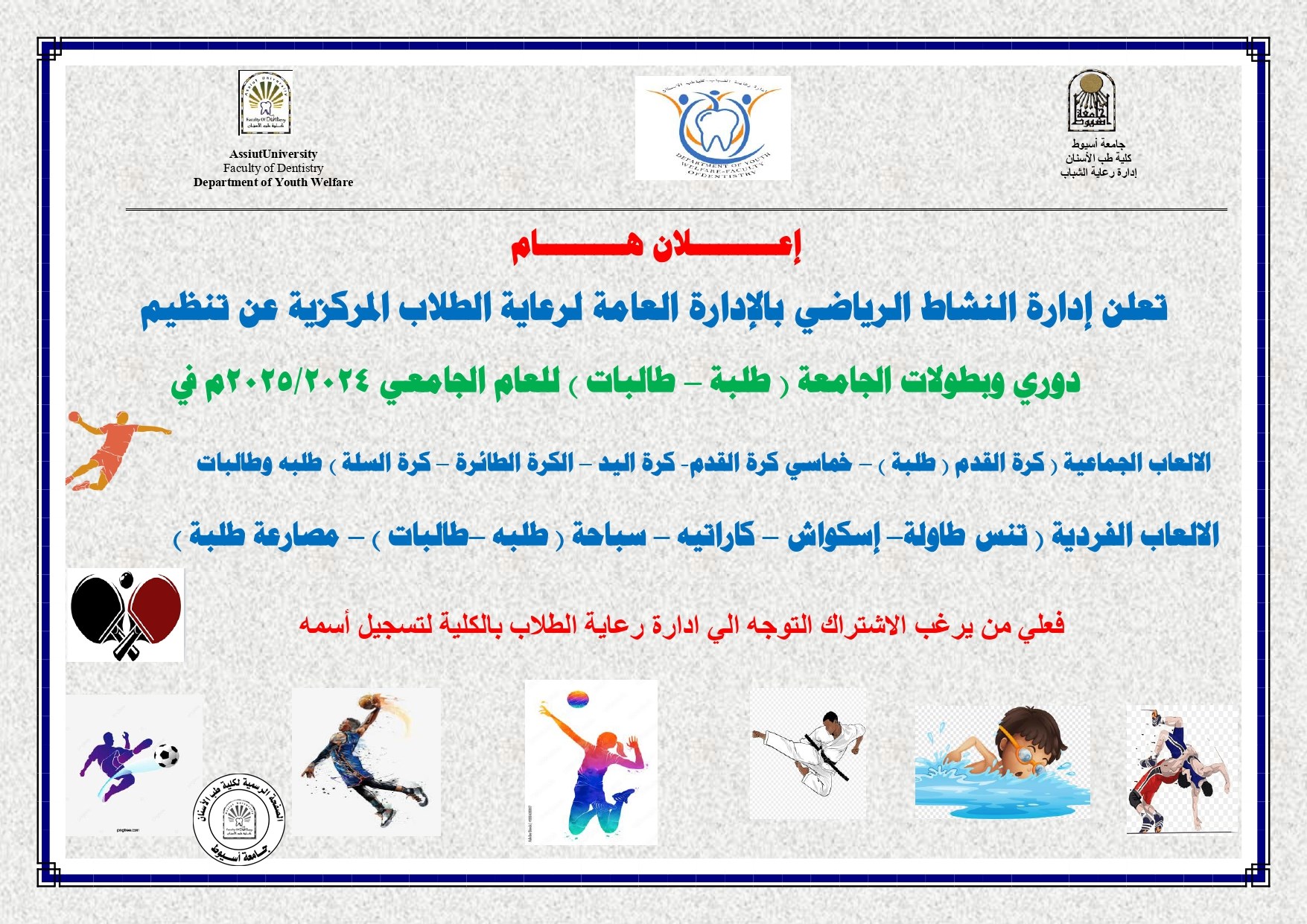
Assiut University Summer Sports Program

0

The Assiut University Center for Training Team and Individual Sports is thrilled to announce its summer program for all its students with our experienced trainers. The summer activities will be held from July 1st to August 28th, 2024.

It will include the following sports:

  1. Volleyball (males)
  2. Basketball (females)
  3. Handball (females)
  4. Ping-Pong (males & females)

Summer Activity: Granite Workshop for Students

0

The Department of Visual Arts in the Arts Administration is thrilled to offer a free Granite Workshop for students this July 2024.

Workshop Details:

  • Dates: Sundays and Wednesdays throughout July 2024
  • Time: 9:00 AM to 1:00 PM
  • Location: Visual Arts Atelier
  • Cost: Free
  • Materials: All materials provided by the department

Dentistry Recognizes Its Employees for Their Outstanding Contributions

The Faculty Dean and Vice Deans for Education, Students, and Environment

honored our outstanding employees by recognizing 13 individuals as Employees of the Month on Monday 26 June 2024.

For March 2024:

  1. Mrs. Amal Yusuf
  2. Mr. Ahmed Haridy

For April 2024:

  1. Huda Mahmoud Bakheet
  2. Muhammad Gamal Abd El-Aal.

For May 2024:

  1. Waleed Mahmoud Hussein
  2. Muhammad Saber Abo-Elhol.

For June 2024:

  1. Aref Thabet Mahmoud
  2. Mahmoud Ali Maghraby
  3. Asmaa Muhammad Sayed
  4. Yasmeen Muhammad Sayed
  5. Aml Ahmad Sayed
  6. Ahmad Ali Mahmoud
  7. Mahmoud Shehata Hussein

0

0

ا

د

ك

ن

00

اا

د

0

0

0

Vice President of University for Community Service and Environmental Development Visit to Faculty of Dentistry

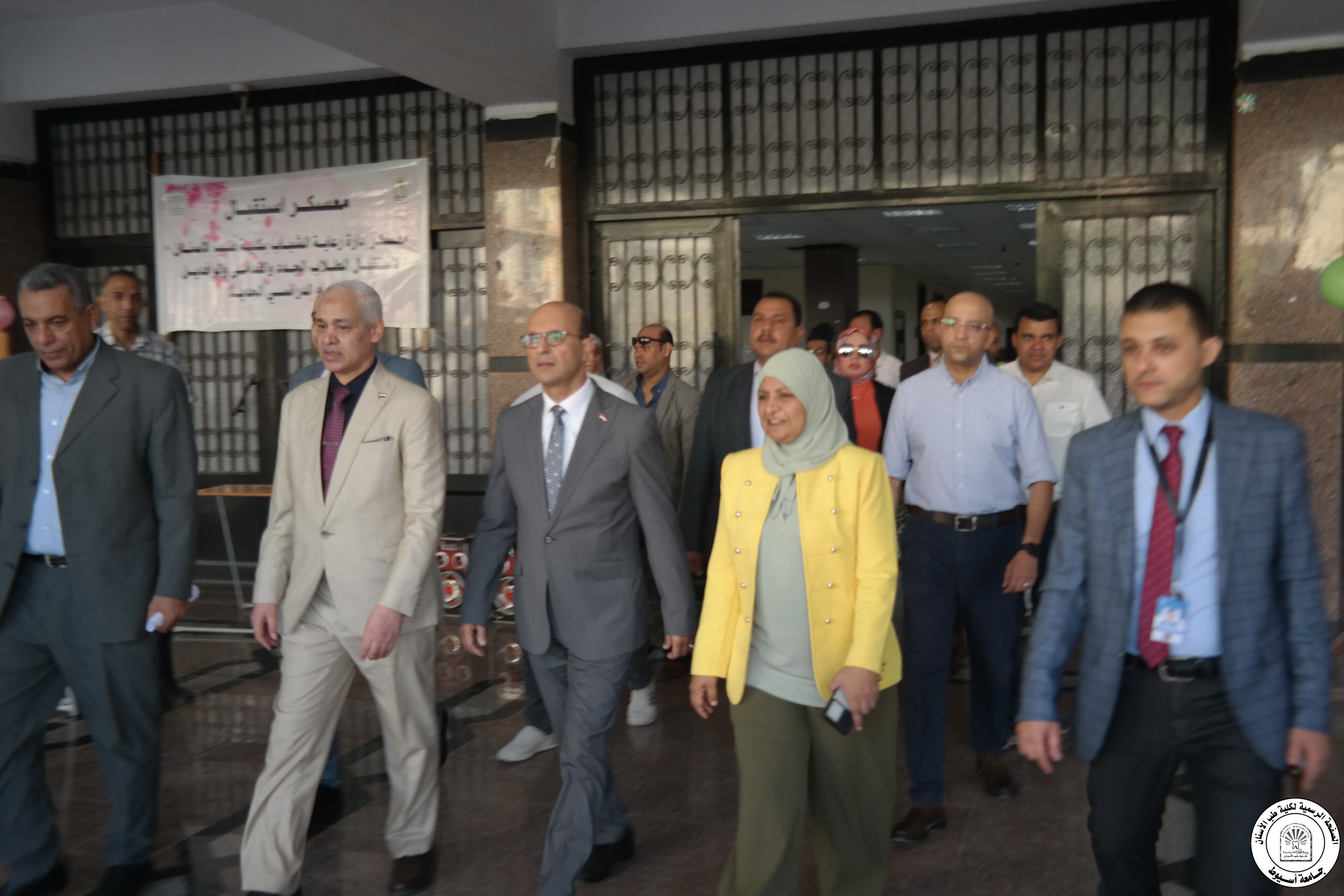
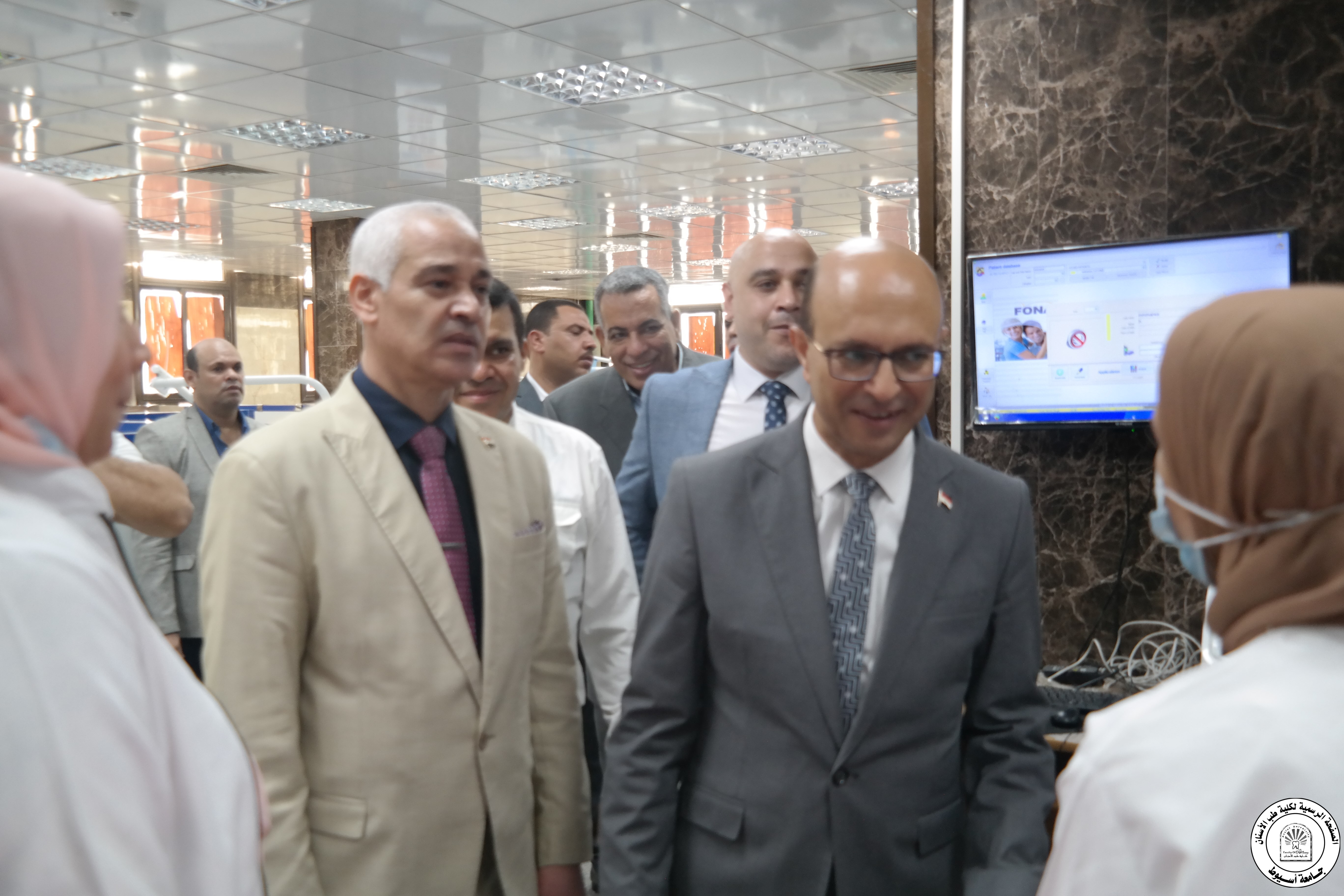
Prof. Mahmoud Abdel Alim, Vice President of Assiut University for Community Service and Environmental Development, visited the Faculty of Dentistry on Sunday 23 June 2024.

He was welcomed by Prof. Safaa Marzouk Tohami, Dean of the Faculty, Prof. Heba Allah Gamal Rashed, Vice Dean for Community Service and Environmental Development, Prof. Mohamed Badawi Abdel Hamid, Vice Dean for Education and Students, Prof. Mohamed Nahed Attia, Director of the University Dental Hospital, and Mr. Montasser Hussein Ahmed, Moderator of the Faculty.

His Excellency also made a tour inside the Dentistry Hospital, where he praised the level of service provided in the hospital clinics and laboratories and the fee-paying treatment and operations unit.


د00د

0

0

د

0

0

0

EFFECT OF FINISHING TECHNIQUE ON TRANSLUCENCY OF DENTAL CERAMICS

Research Abstract

ABSTRACT

Purpose: This research aimed to compare translucency of lithium disilicate glass ceramic and high translucent monolithic zirconia using different finishing techniques and after being exposed to a corrosive medium.

Materials and Methods: Two main ceramic materials, Lithium Di-silicate (IPS e.max CAD LT A3, C14) and High Translucent Zirconia (HTZ) from DD BioZx2 A3-HT, along with acetic acid as a corrosive agent was employed in this study. Forty ceramic discs(10x12mm) were classified into two groups (20 discs each) according to the type of ceramic used then each group was subdivided into two subgroups (10 discs each) according to the finishing procedure (glazed and polished) then each disc was tested for translucency parameter. All discs were immersed in 4% acetic acid as a corrosive agent to study the effect of aging on translucency of glazed and polished ceramic.

Results: In terms of translucency parameter (TP), both glazed and polished subgroups of E-max samples exhibited statistically no significant difference after corrosion (p-value=0.149). Similar trends were observed in HTZ samples (p-value=0.853). Additionally, when comparing glazed samples between E-max and HTZ, Results showed that there was no statistically significant difference between both materials (E-max/HTZ) p-value=0.067. While for the polished samples there was statistically significant difference between both materials (E-max/HTZ) favoring the superior translucency of polished E-max samples over HTZ ones. p-value=0.029.

Conclusions: The translucency parameter (TP) of the studied materials is not significantly affected by the finishing procedure (mechanical polishing or glazing). But compared to glazing, mechanical polishing produced better translucency outcomes for the examined samples. Also corroded E-max exhibits superior translucency in comparison to HTZ.

Research Authors
Aliaa A. Al- Qousy* , Moustafa S. Mohammed** and Cherif A. Mohsen***
Research Date
Research File
PR-133-3.pdf (745.82 KB)
Research Journal
EGYPTIAN DENTAL JOURNAL FOR RESEARCHERS
Research Member
Research Pages
2682-4760
Research Publisher
EGYPTIAN DENTAL JOURNAL FOR RESEARCHERS
Research Rank
Local
Research Vol
8
Research Year
2024

EFFECT OF FINISHING TECHNIQUE ON COLOR STABILITY OF DENTAL CERAMICS

Research Abstract

ABSTRACT

Purpose: This research aimed to compare lithium disilicate glass ceramic and high translucent monolithic zirconia using different finishing techniques and after being exposed to a corrosive medium.

Materials and Methods: Two main ceramic materials, Lithium Di-silicate (IPS e.max CAD LT A3, C14) and High Translucent Zirconia (HTZ) from DD BioZx2 A3-HT, along with acetic acid as a corrosive agent was employed in this study. Forty ceramic discs(10x12mm) were classified into two groups (20 discs each) according to the type of ceramic used then each group was subdivided into two subgroups (10 discs each) according to the finishing procedure (glazed and polished) each disc was tested for color stability. All discs were immersed in 4% acetic acid as a corrosive agent to study the effect of aging on color stability of glazed and polished ceramic.

Results: In terms of color stability (∆E), both glazed and polished subgroups of E-max samples exhibited statistically significant differences after corrosion, favoring the superior color stability of glazed over polished ones (p-value=0.001). Similar trends were observed in HTZ samples, with glazed samples demonstrating better stability (p-value=0.003). Additionally, when comparing glazed samples between E-max and HTZ, the HTZ group showed significantly better color stability (p-value=0.001). The same pattern was found in polished samples, favoring HTZ over E-max (p-value=0.001).

Conclusions: Corrosion of samples exerted a notable impact on the color stability of the tested Lithium Di-silicate (E-max) and High Translucent Zirconia (HTZ) ceramics, irrespective of the finishing techniques employed. The method of finishing played crucial roles, with glazed HTZ samples demonstrating the least susceptibility to corrosion in terms of color stability.

Research Authors
Aliaa A. Al-Qousy* , Moustafa S. Mohammed** , Mohammed G. Hussein** and Cherif A. Mohsen**
Research Date
Research File
paper 1.pdf (1002.87 KB)
Research Journal
EGYPTIAN DENTAL JOURNAL
Research Member
Research Pages
1445:1452
Research Publisher
EGYPTIAN DENTAL JOURNAL
Research Rank
Local
Research Vol
70
Research Website
https://edj.journals.ekb.eg/article_348961.html
Research Year
2024

Alminshawy Inspected Second Semester Exams for Second Year (Assiut Government & National Universities) - June 10th, 2024

Prof/ Ahmad Alminshawy, President of Assiut University, inspected the second semester exams for second year ((Assiut Government & National Universities) on June 10th, 2024.

Alminshawy was Accompanied by Prof/ Dr. Nobi Mohamed Hassan (Vice President of Assiut National University for Academic Affairs)

During the inspection, the President emphasized the importance of adhering to the examination regulations for exam supervisors, the need to take all necessary measures to ensure the smooth running of the exams, and the necessity of maintaining the calmness and discipline of the exam halls.

He also polled students about the nature and difficulty of the exams and inquired about any problems they encountered during the exams.

The President was also welcomed by Prof/ Safaa Marzouk Tohami (Dean of the Faculty), Prof/ Heba Allah Gamal El-Din Rashid (Vice Dean of the Faculty for Community Service and Environmental Development), Prof/ Mohamed Badawy Abdel Hamid (Vice Dean of the Faculty for Education and Students), Prof/ Mohamed Nahed Atia (Director of the University Dental Hospital), and Mr. Montasser Hussein Ahmed (Moderator of the Faculty).


ا 000


Subscribe to