
at the Faculty
We ask God Almighty to have mercy on the deceased and to inspire her family and relatives with patience and solace.

at the Faculty
We ask God Almighty to have mercy on the deceased and to inspire her family and relatives with patience and solace.
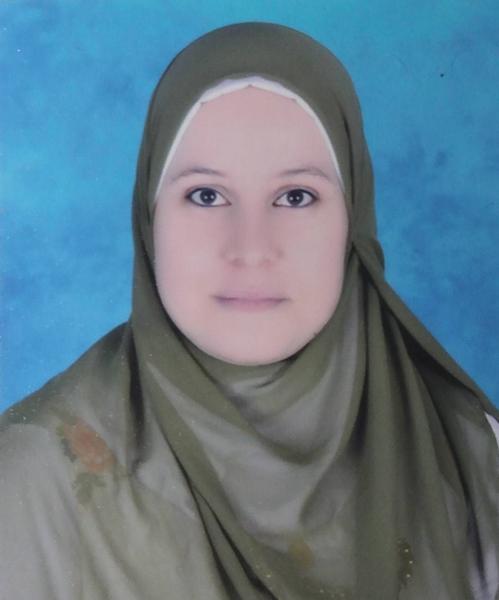
extend their warmest heartfelt congratulations
Best wishes on the occasion of the promotion of Dr. Siham Mohamed Abdel Hamid to the rank of Assistant Professor of Nursing Administration, Faculty of Nursing, Assiut University.
With sincere prayers for continued success and guidance, and more success and scientific and professional advancement in serving the faculty and advancing the educational and research process

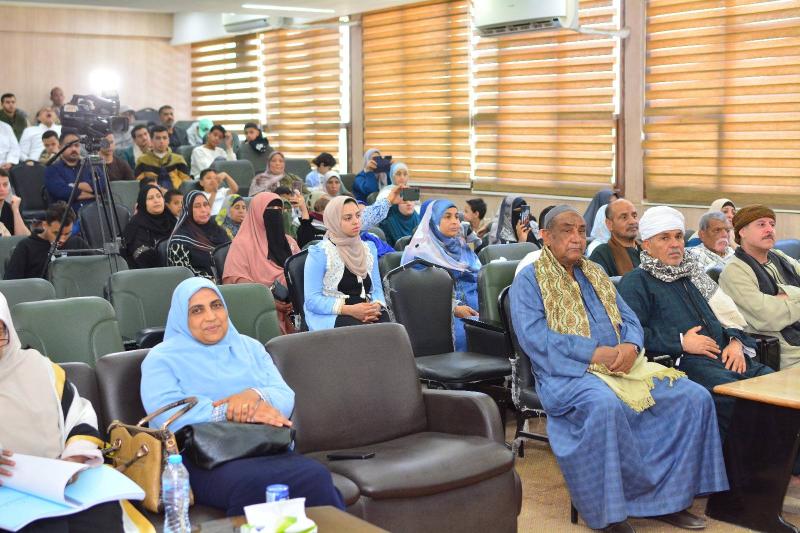
With my sincere congratulations and best wishes to His Excellency Major General/Governor of Assiut, and to the executive, security and popular leaderships, and all the people of Assiut Governorate, on the occasion of the celebration of the 227th National Day of Assiut Governorate, asking God Almighty to perpetuate security and stability in our dear governorate, and to achieve more progress and prosperity for it.
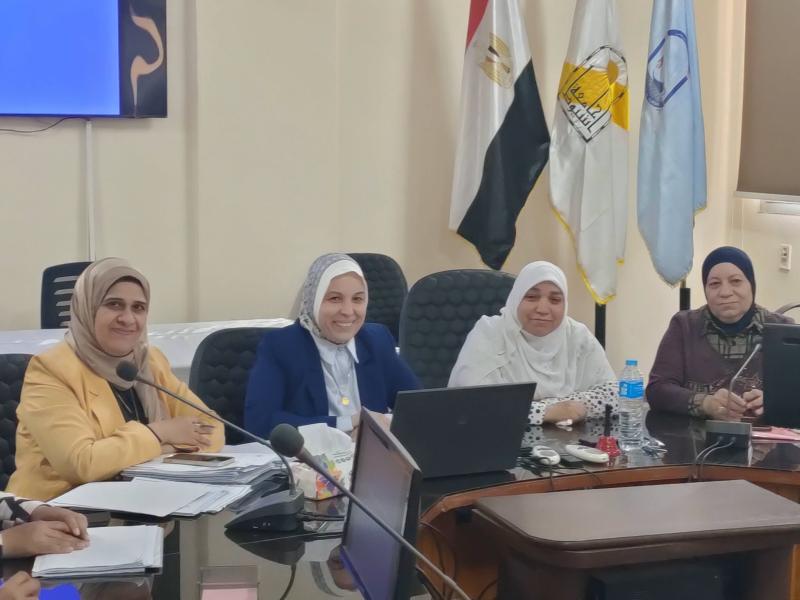
and the representatives of the units
The Council approved:
- The approval of the Board of the Department of Maternal and Neonatal Health Nursing, in its session No. (185) held on 04-01-2026, to appoint . Dr Mona Rabie Ahmed, a lecturer in the department, was awarded the rank of Assistant Professor, based on the decision of the Scientific Committee for Promotions to the Rank of Professors and Assistant Professors in Nursing dated 03-31-2026 AD, which states that the scientific production submitted by its Excellency promotes her to obtain the rank of Assistant Professor in Obstetrics and Gynecology Nursing at the Faculty of Nursing - Assiut University.
- The approval of the Board of the Department of Medical and Surgical Nursing, in its session No. (192) held on 04-02-2026 AD, to appoint. Dr Hanan Ali Ahmed, a lecturer in the department with the rank of Assistant Professor, based on the decision of the Scientific Committee for Promotions to the Rank of Professors and Assistant Professors in Nursing dated 03-31-2026 AD, which states that the scientific production submitted by its Excellency promotes her to obtain the rank of Assistant Professor of Medical and Surgical Nursing at the Faculty of Nursing - Assiut University.
- The approval of the Board of the Department of Medical and Surgical Nursing, in its session No. (192) held on 04-02-2026 AD, to appoint Dr Kawthar Badri Maabad is a teacher in the department with the rank of assistant professor, based on the decision of the Scientific Committee for Promotions to the Rank of Professors and Assistant Professors in Nursing dated 03-31-2026 AD, which states that the scientific production submitted by Her Excellency promotes her to obtain the rank of assistant professor in Medical and Surgical Nursing at the Faculty of Nursing - Assiut University.
- The approval of the Board of the Department of Medical and Surgical Nursing, in its session No. (192) held on 04-02-2026 AD, to appoint. Dr Fatima Jareh Ahmed, a lecturer in the department with the rank of Assistant Professor, based on the decision of the Scientific Committee for Promotions to the Rank of Professors and Assistant Professors in Nursing dated 03-31-2026 AD, which states that the scientific production submitted by Her Excellency promotes her to obtain the rank of Assistant Professor in Medical and Surgical Nursing at the Faculty of Nursing - Assiut University.
- Approval of the appointment of Ms. Dr. at its session No. (186) held on 04-00-2026 AD dr Siham Mohamed Abdel Hamid, a lecturer in the department with the rank of Assistant Professor, based on the decision of the Scientific Committee for Promotions to the Rank of Professors and Assistant Professors in Nursing dated 4-14-2026 AD, which states that the scientific production submitted by Her Excellency promotes her to obtain the rank of Assistant Professor in Nursing Administration at the Faculty of Nursing - Assiut University.
- The approval of the Elderly Nursing Department Council, in its session No. (88) held on 04-09-2026 AD, to appoint Dr. Zainab Shaker Abdullah, assistant lecturer in the department, with the rank of teacher, as she was granted a doctorate degree on 3-17-2026 AD.
- The approval of the Council of the Department of Medical and Surgical Nursing, in its session No. (192) held on 04-02-2026 AD, to appoint Dr. Israa Ezzat Abdel Karim, the teaching assistant in the department, with the rank of assistant lecturer, as she was granted a master's degree on 3-24-2026 AD.
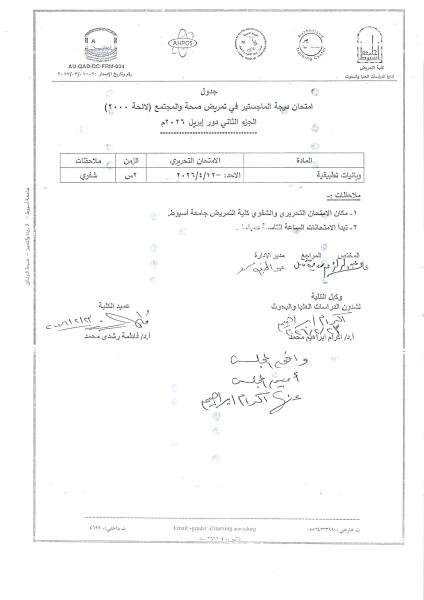
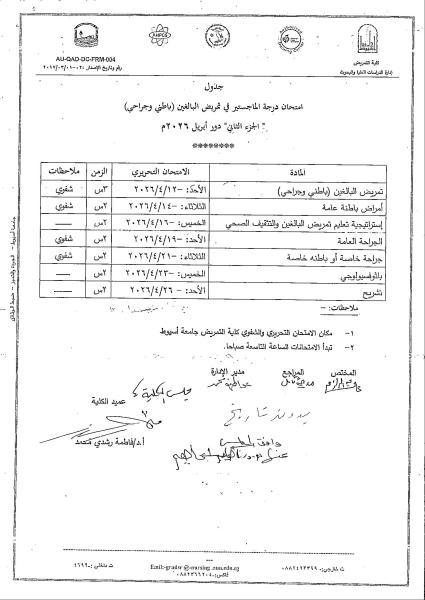
- Presentation of the final theoretical practical exam schedules for the May 2026 session.
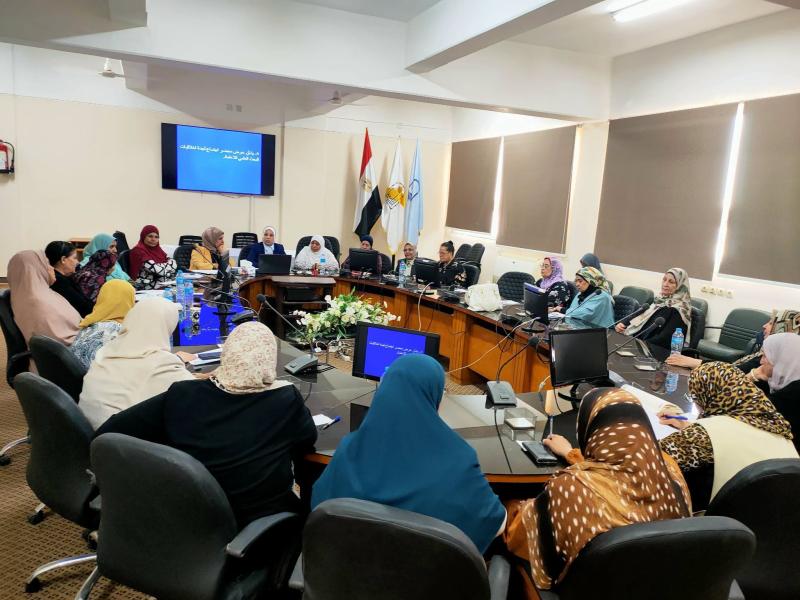
The Council also discussed various topics for the department councils as well as the various sectors of the faculty.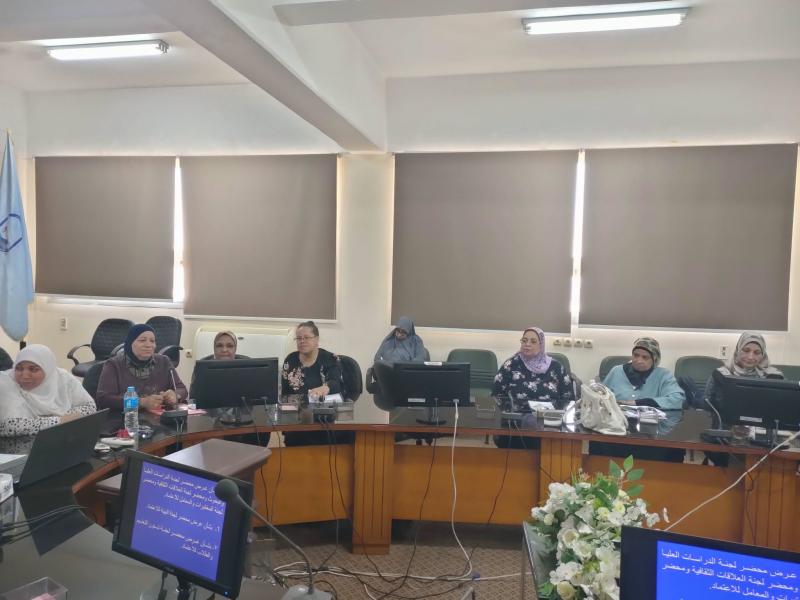
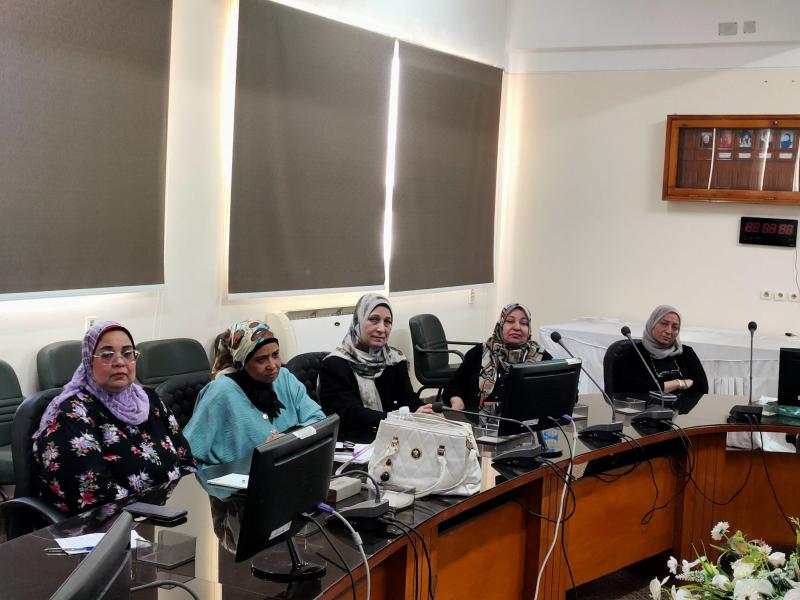
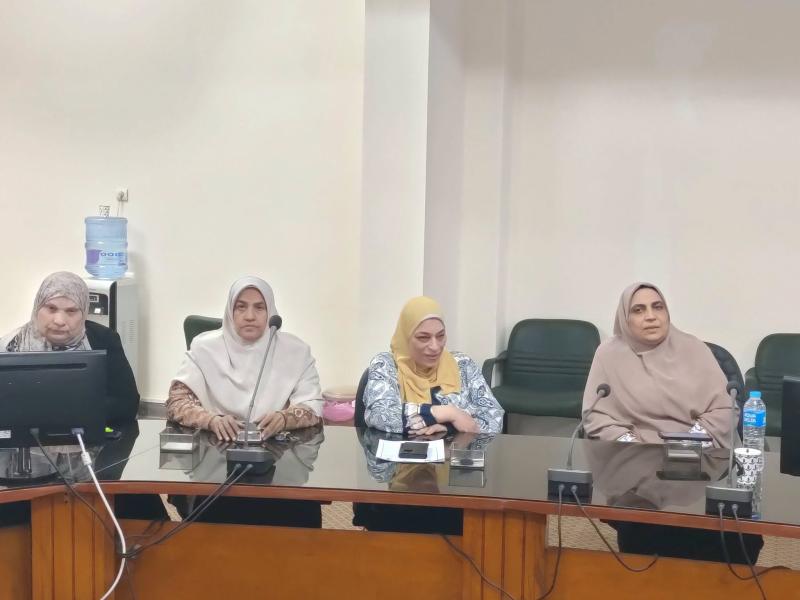
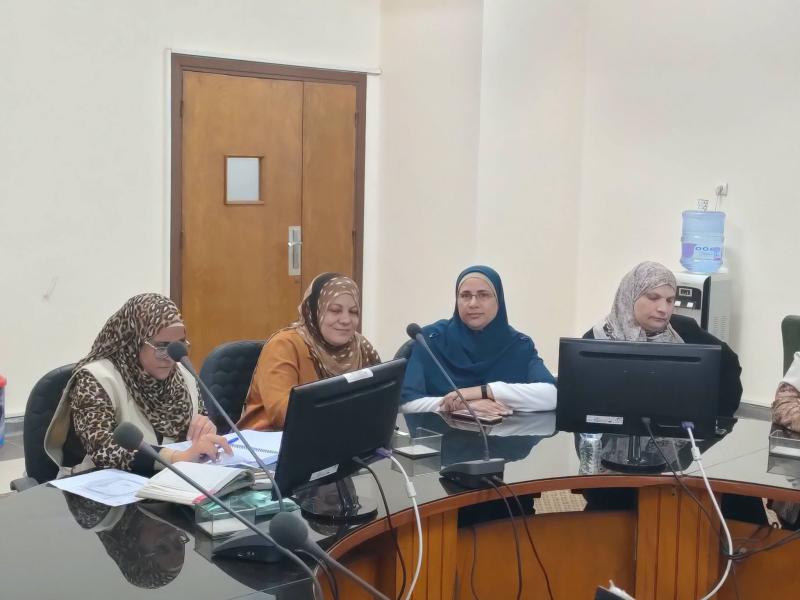

and sympathy for the death of the wife of Professor Dr. Amal Sayed Muhammad, Professor of Nursing Administration Director of the Technical Institute of Nursing.
We ask God Almighty to have mercy on him, forgive him, and free him from Hell, and our family offers our sincere condolences, and to inspire them with patience and solace, and to God we belong and to Him we shall return
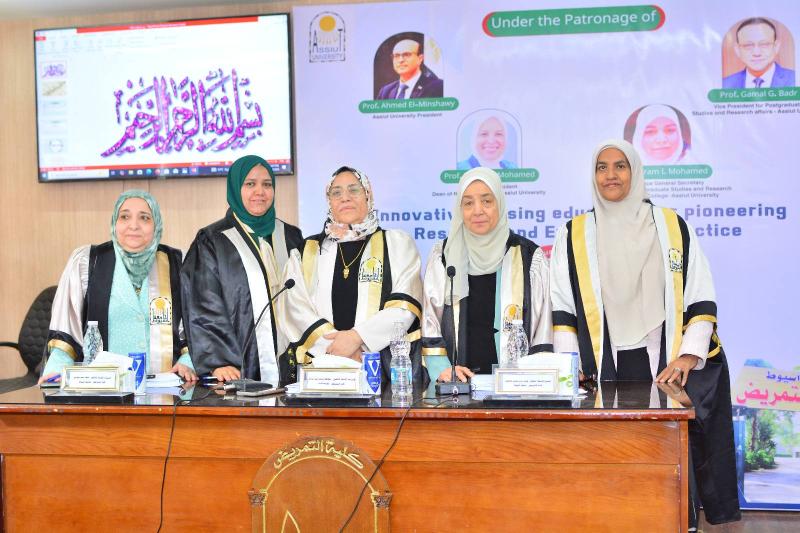
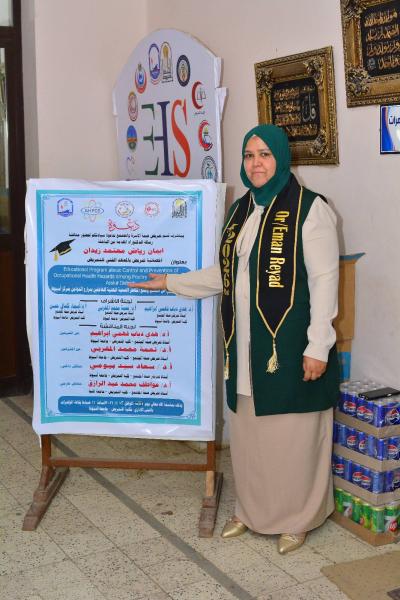
, on the occasion of accepting the doctoral thesis
Titled
Educational Program about Control and Prevention of Occupational Health Hazards among Poultry Farms' Workers at Assiut District
Supervision and Discussion Committee:
Prof. Hoda Diab Fahmy Ibrahim, Professor of Community Health Nursing - Faculty of Nursing - Assiut University. (About the supervisors)
Prof. Nima Mohamed Al-Maghribi, Professor of Community Health Nursing - Faculty of Nursing - Assiut University. (About the supervisors)
Prof. Souad Sayed Bayoumi, Professor of Community Health Nursing - Faculty of Nursing - Assiut University. (Internal discussant)
Prof. Awatif Abdel Razek Mohamed, Professor of Community Health Nursing - Faculty of Nursing - Minya University. (External discussant)
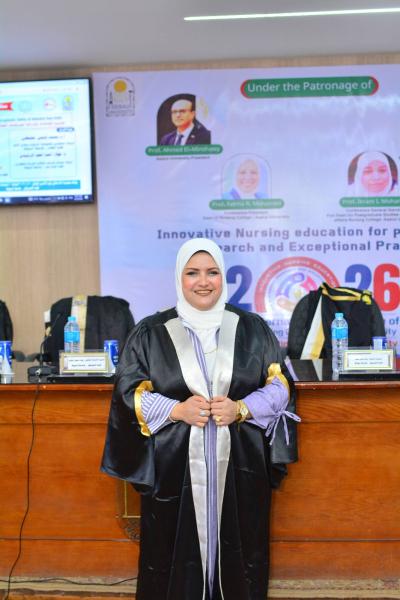
, on the occasion of accepting the master's thesis
Titled:
Assessment of Attitudes and Perception of Critical Care Nurses on Patients' Safety at Intensive Care Units
Supervision and Discussion Committee
Prof. Majda Mohamed Mohani, Professor of Critical Care and Emergency Nursing, Faculty of Nursing - Assiut University, Internal Discussant
Prof. Mohamed Fathi Mustafa, Professor of Anesthesia, Intensive Care and Pain Treatment, Faculty of Medicine - Assiut University, about the supervisors
Dr. Naglaa Ahmed Ahmed Al-Rashidi, Assistant Professor of Critical Care and Emergency Nursing, Faculty of Nursing - Assiut University, on behalf of the supervisors
Dr. Sanaa Saber Mohamed, Assistant Professor of Critical Care and Emergency Nursing, Faculty of Nursing - Sohag University, External Discussant
With sincere wishes for continued success and payment
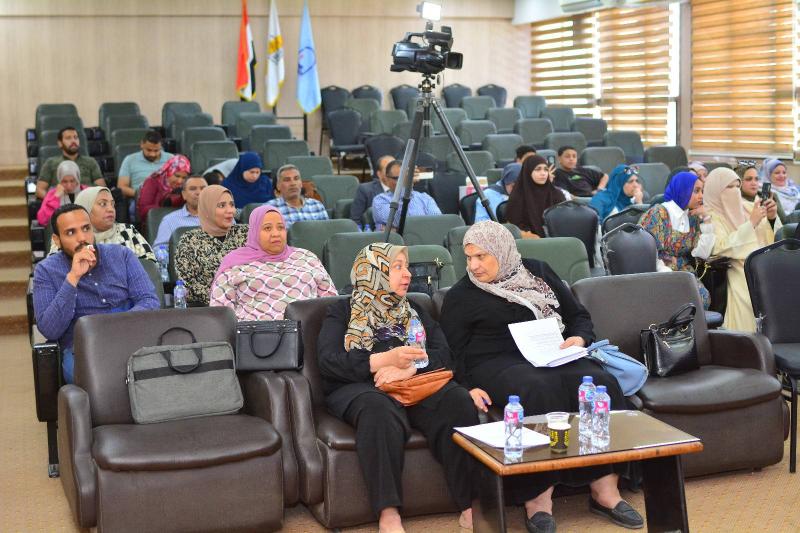
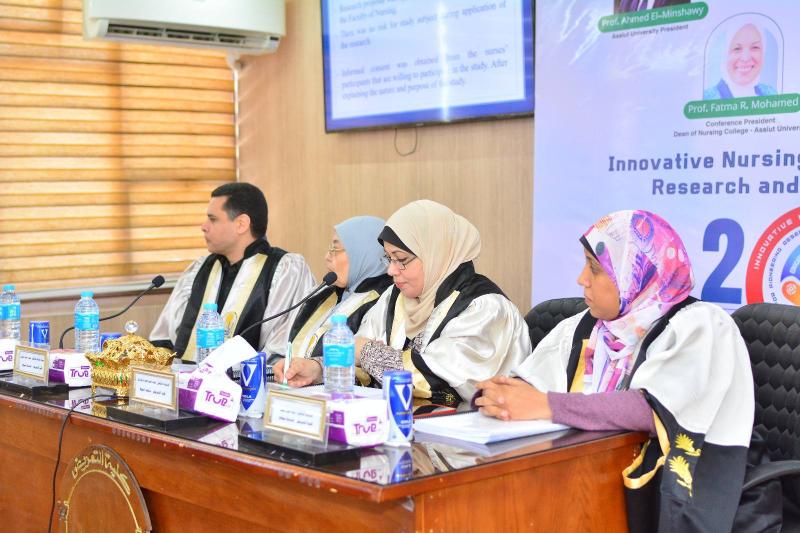
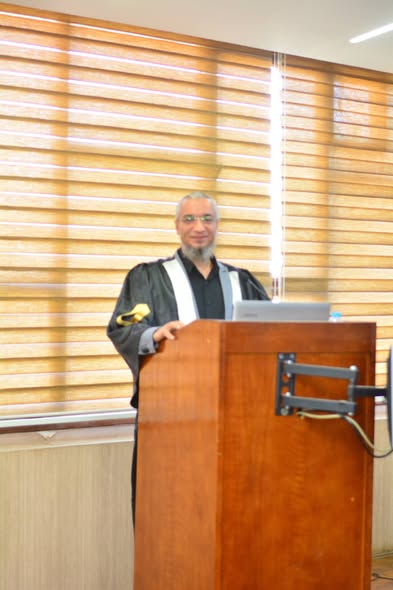
General Hospital - Hamad Medical Corporation - Qatar Master's in Nursing Sciences, Cairo University
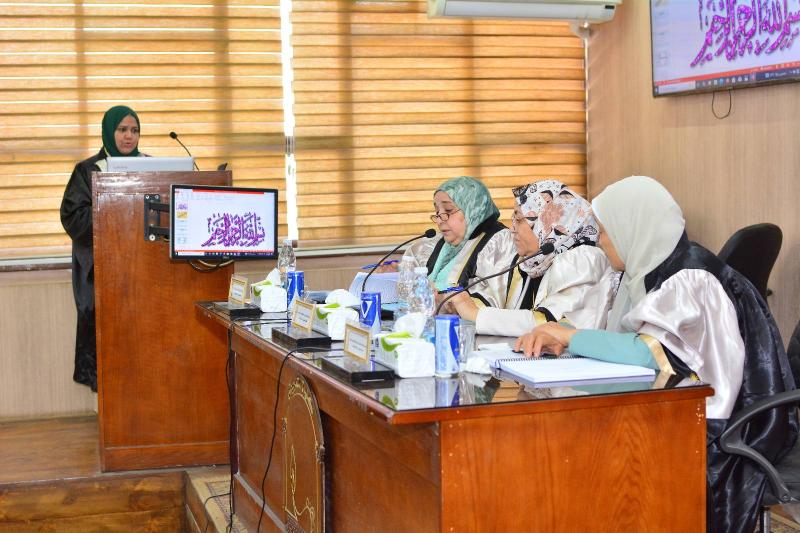
On the occasion of the acceptance of the doctoral thesis entitled
Auditing of Nursing Care for Patients with Burn Injury:Designing and Implementing Nursing Guidelines in Burn Unit - at Assiut University
. Supervision and Discussion Committee
Prof. Mohamed Mohamed El Shazly, Professor and Head of the Department of Burns and Plastic Surgery - Faculty of Medicine - Assiut University, on behalf of the supervisors
Prof. Sahra Zaki Azar, Professor of Medical and Surgical Nursing - Faculty of Nursing - Assiut University, about supervisors
Prof. Esmat Sayed Abdel Majeed, Professor of Medical and Surgical Nursing - Faculty of Nursing - Assiut University, Internal Discussant
Prof. Jihan Sayed Ali Asia, Professor of Medical and Surgical Nursing - Faculty of Nursing - Minya University, External Discussant
With sincere wishes for continued success and guidance in his scientific and research career.