
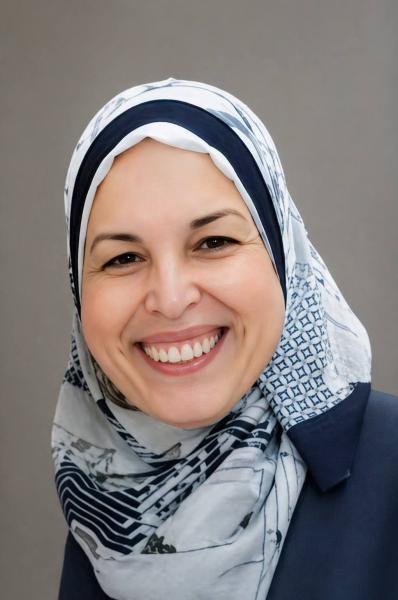
Best wishes on the occasion of the promotion of Dr. Heba Mustafa Mohamed Ismail to the rank of Professor of Obstetrics and Gynecology Nursing, Faculty of Nursing, Assiut University.
With sincere calls for continued success and guidance, and more success and scientific and professional advancement in serving the faculty and advancing the educational and research process.

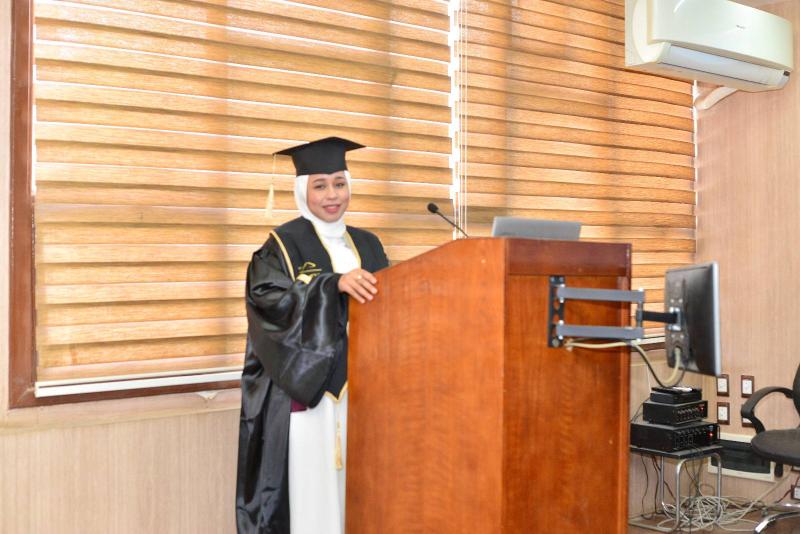
and Emergency Nursing at the Faculty of Nursing, Aswan University, on the occasion of accepting the master's thesis
Under the title:
Predicting Sepsis at Critical Care Units: Implementing Clinical and Laboratory Markers
Supervision and Discussion Committee:
Prof. Magda Mohamed Mohani, Professor of Critical Care and Emergency Nursing, Faculty of Nursing, Assiut University, about the supervisors
Prof.Mona Ali Mohamed, Professor of Critical Care and Emergency Nursing, Faculty of Nursing, Assiut University
Internal discussant
Dr. Naglaa Ahmed Ahmed Mohamed, Assistant Professor of Critical Care and Emergency Nursing, Faculty of Nursing – Assiut University About the Supervisors
Dr. Sanaa Saber Mohamed, Assistant Professor of Critical Care and Emergency Nursing, Faculty of Nursing – Sohag University, External Discussant
With sincere wishes for continued success and guidance in her scientific and research career.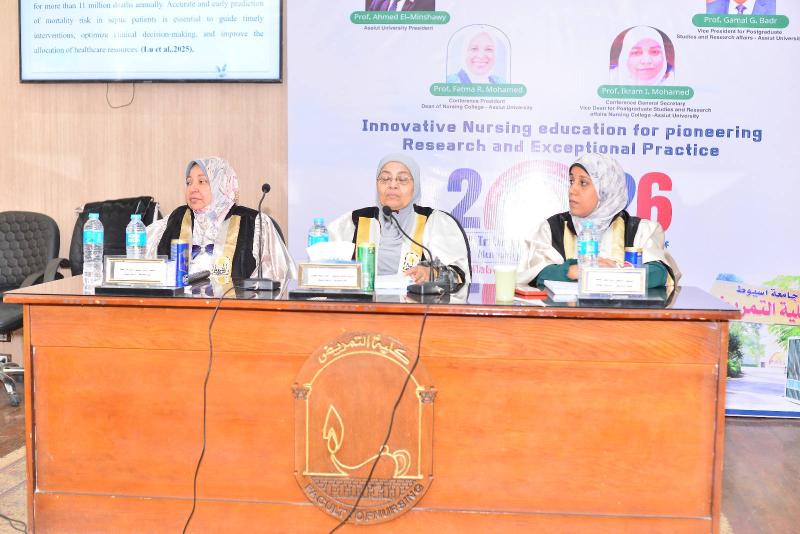
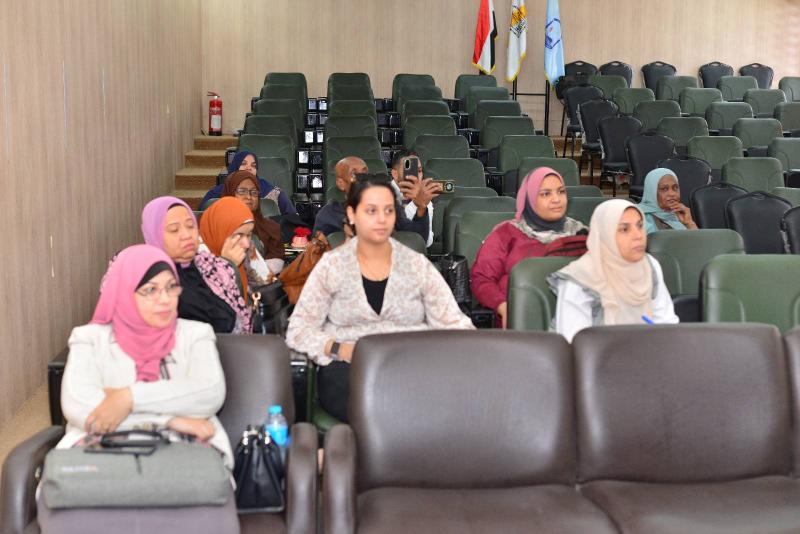
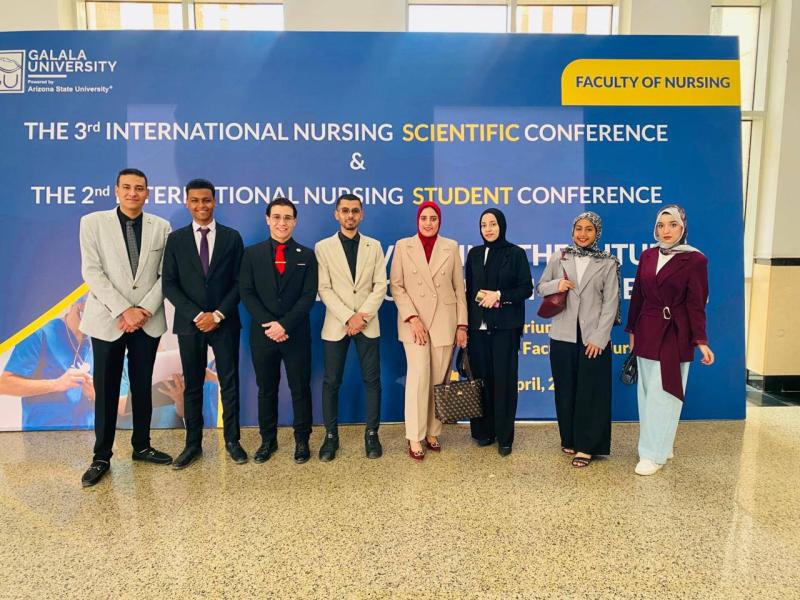
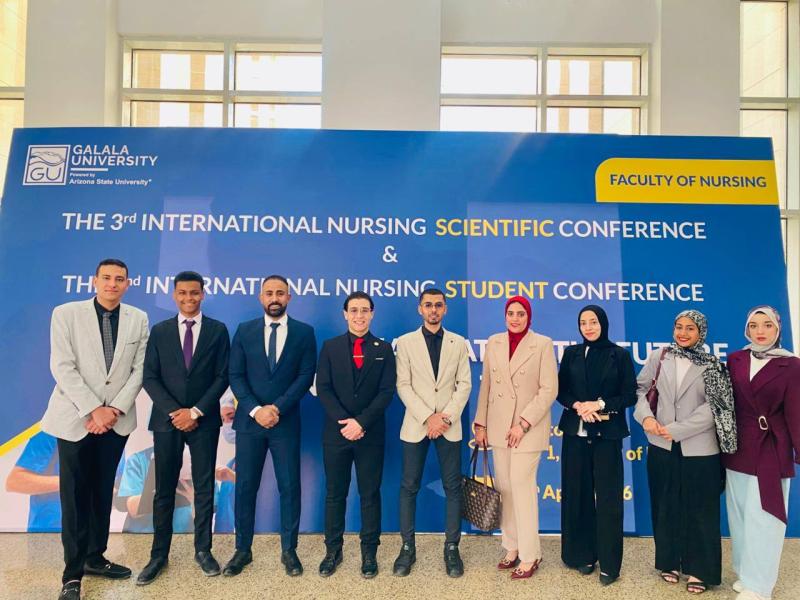
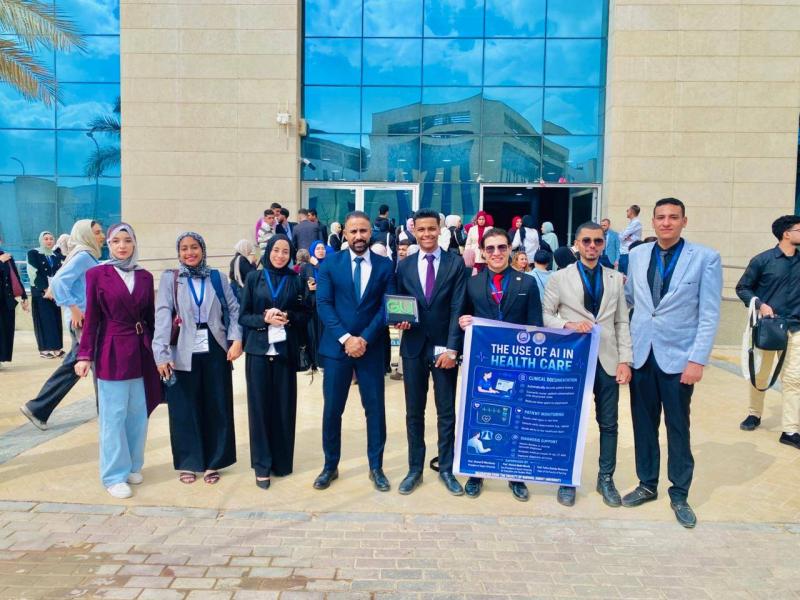
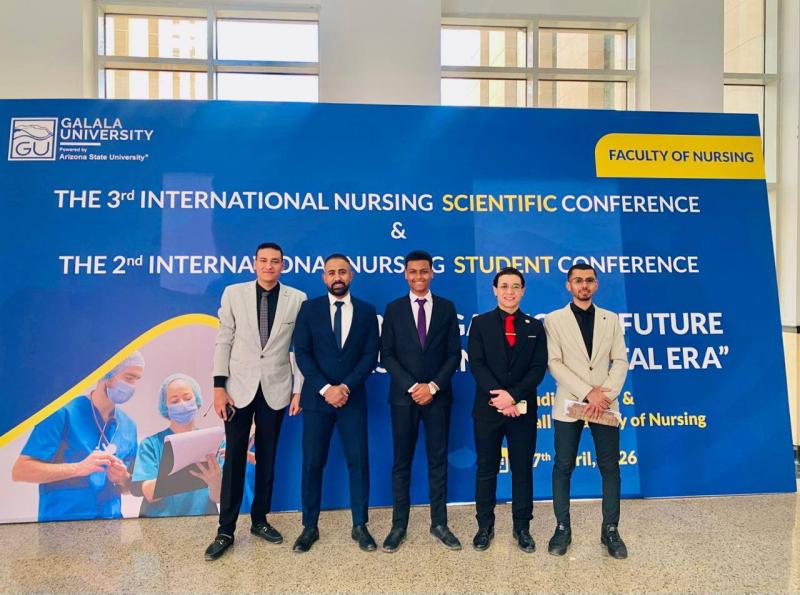
of its students, a delegation from the Faculty of Nursing – Assiut University participated in the activities of the third conference
To Al Galala University under the title:
"Navigating the Future of Nurses in the Digital Era"
This is done with the distinguished participation of nursing facultys at Egyptian universities.
Under the auspices of:
Prof.. Ahmed El-Menshawy – President of the University
Prof.. Ahmed Abdel Mawla – Vice President of the University for Education and Student Affairs
Prof.. Fatima Rushdi Muhammad – Dean of the Faculty
Prof.. Magda Ahmed Mohamed – Vice Dean for Education and Student Affairs
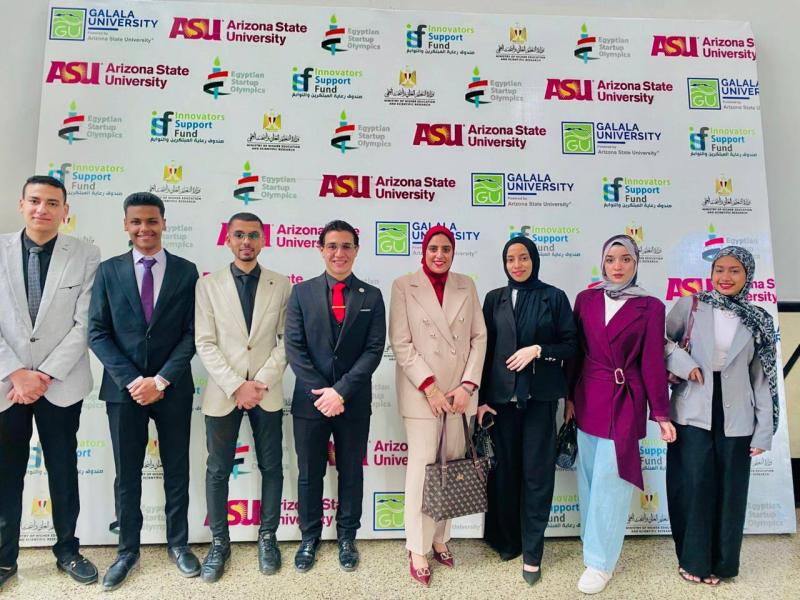
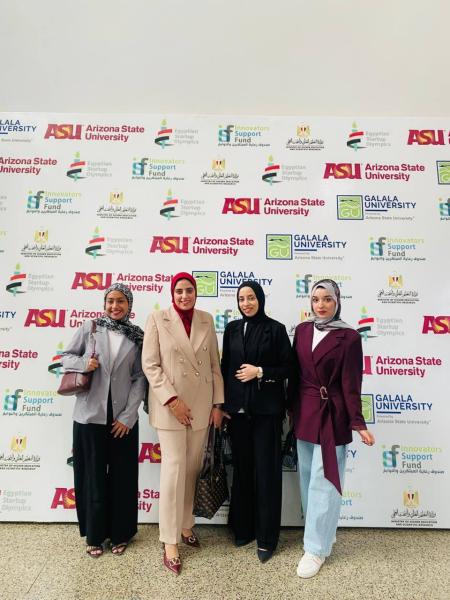
The delegation of the Faculty of Nursing, Assiut University included:
- Mr. Mahmoud Ahmed Abdullah – Director of the Youth Welfare Department
- Dr. Asmaa Abu Bakr Helmy – Faculty Member
- Students:
Student/Mohamed Hassanein – Third Year
Student/ Muhannad Heshmat – Third Year
Student/ Arif Abdel Rahim – third year
Student/ Mustafa Mahmoud – Third Year
Student/ Hibat Allah Muhammad – Fourth Year
Student/Mennatallah Muhammad – Third Year
Student/ Rasha Abdel Hai – First Year
This participation comes within the framework of the faculty's efforts to enhance students' awareness of the latest global developments in the field of nursing, and to prepare cadres capable of keeping pace with the digital transformation in the health sector, in line with the state's vision towards developing the health system.
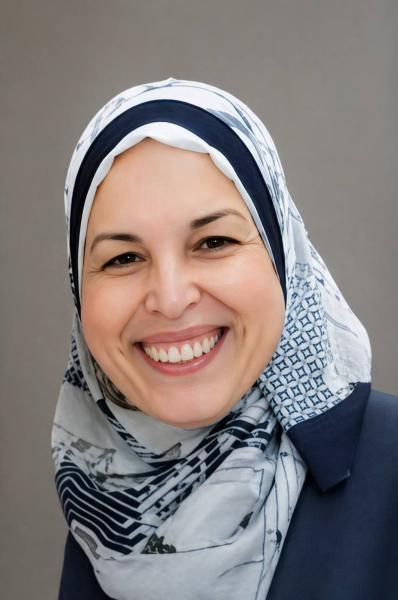
Prof.. Fatima Rushdi Muhammad – Dean of the Faculty
Prof.. Magda Ahmed Mohamed – Vice Dean for Education and Student Affairs
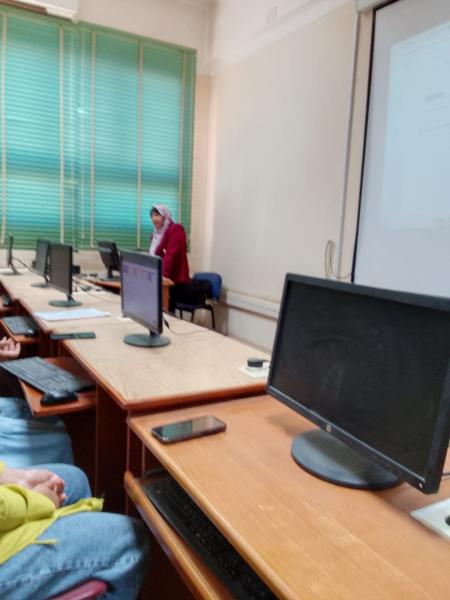
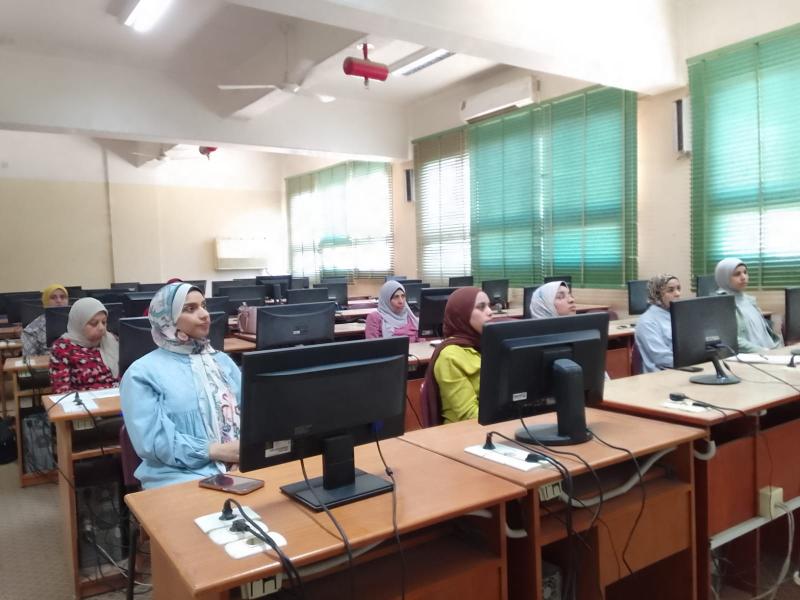
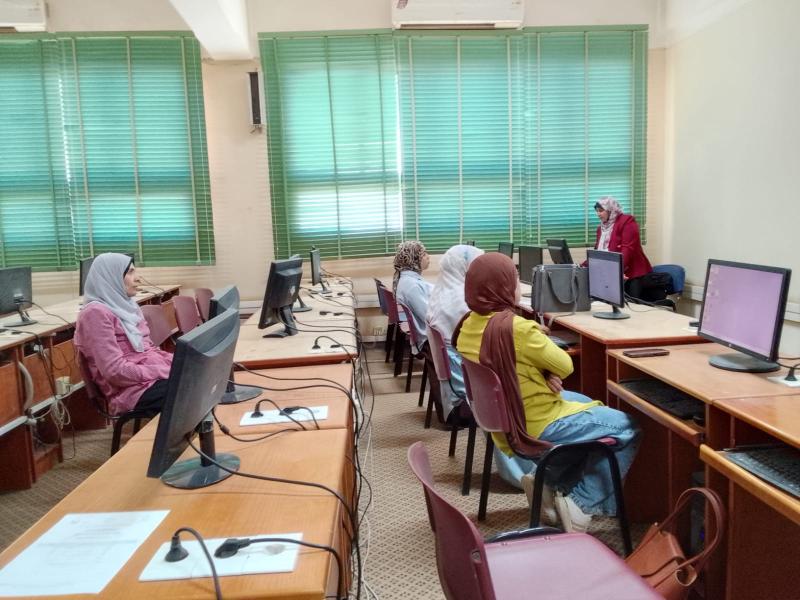
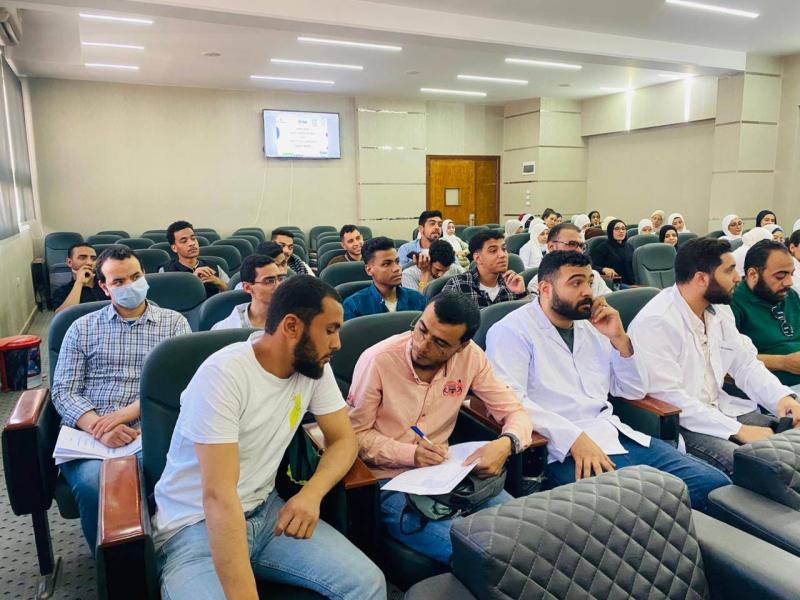
The Nursing Faculty Students Union – Assiut University is honored to hold an introductory seminar on the National Program for Preserving the Egyptian Family "Mawadda"
This is within the framework of the initiative to implement "affection" training within Egyptian universities, which aims to spread family awareness and promote the concepts of healthy married life among young people.
Lectures the symposium:
Professor Dr. Ghada Abdel Rahman Mahmoud
Certified trainer in the "Mouda" program at Egyptian universities.
Coordination and supervision:
Mr. Mahmoud Ahmed Abdel-Latif – Director of the Youth Care Department
Ms. Amna Al-Sayed Abdel Rahim Muhammad – Supervisor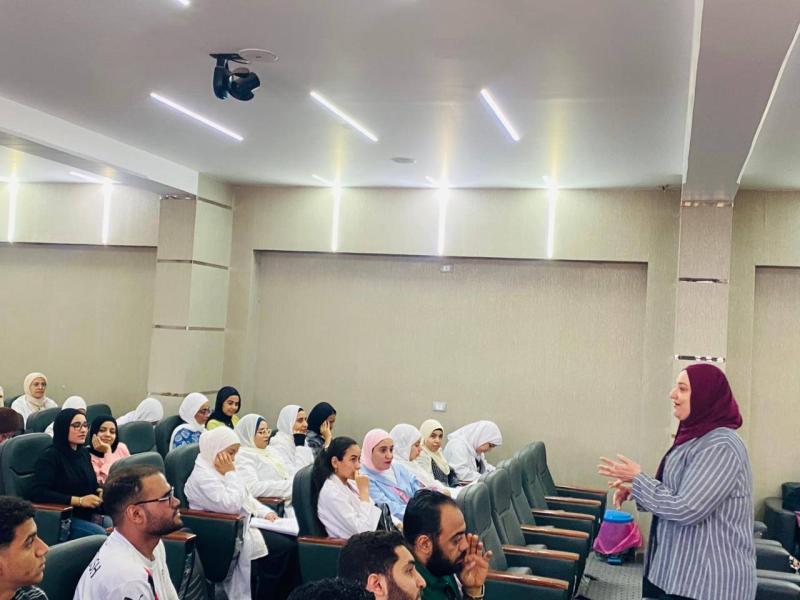
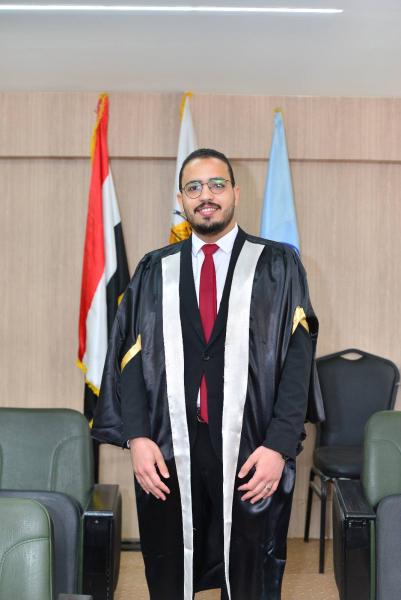
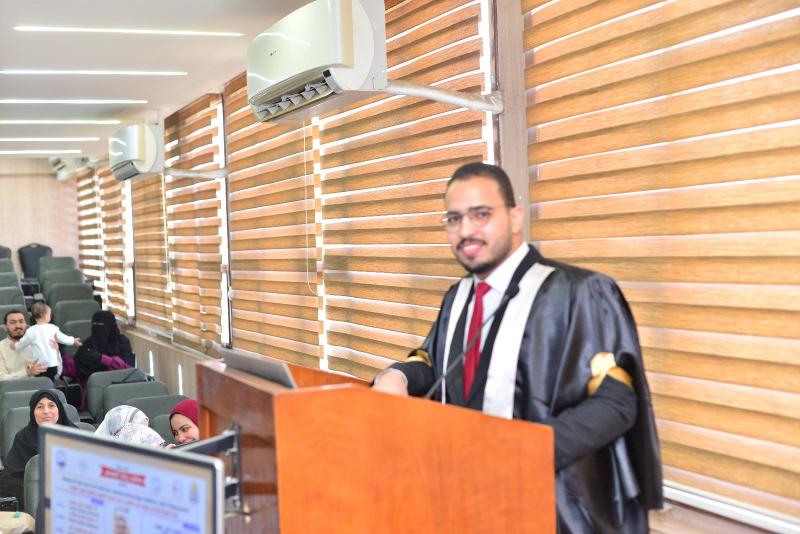
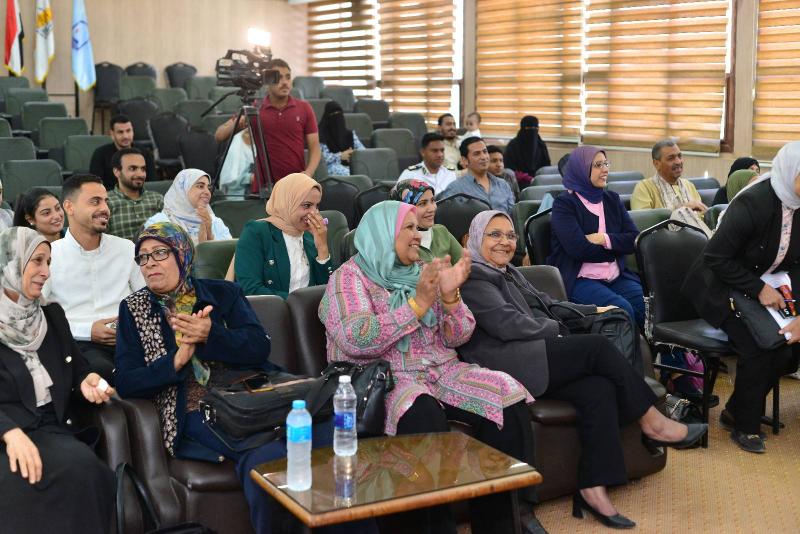
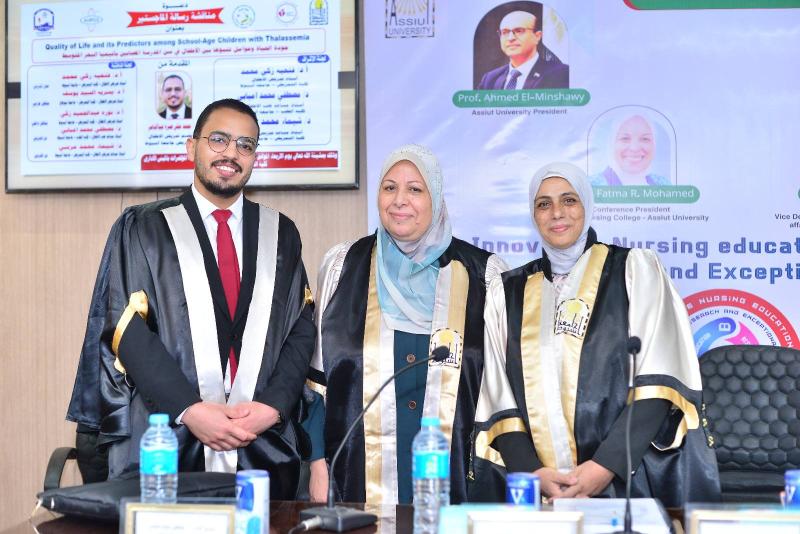
Under the title
Quality of Life and its Predictors among School-Age Children with Thalassemia
Supervision and Discussion Committee:
Prof. Fathia Zaki Mohamed, Professor of Pediatric Nursing – Faculty of Nursing – Assiut University (from supervisors)
Prof.Yousrya Al-Sayed Youssef, Professor of Pediatric Nursing – Faculty of Nursing – Sohag University. (External discussant)
Prof. Noura Abdel Hamid Zaki, Professor of Pediatric Nursing – Faculty of Nursing – Assiut University. (Internal discussant)
Dr. Mustafa Mohamed Embabi, Assistant Professor of Pediatrics – Faculty of Medicine – Assiut University. (About the supervisors)
Dr. Shaima Mohamed Morsi, Assistant Professor of Pediatric Nursing – Faculty of Nursing – Assiut University. (About the supervisors)
With sincere wishes for continued success and guidance in his scientific and research career.
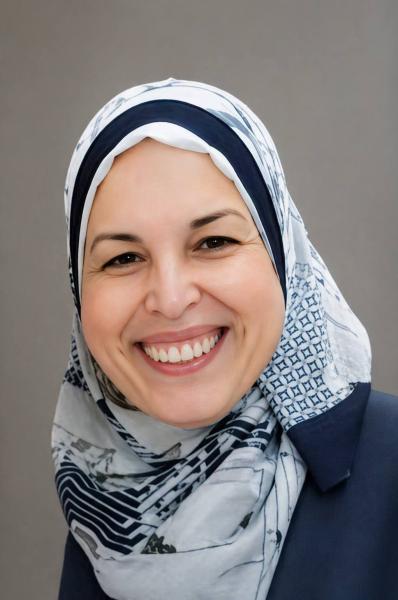

and all members of the administrative staff extend their warmest heartfelt congratulations and best wishes
On the occasion of the promotion of Dr. Ghada Hassan Ahmed to the rank of Professor of Medical and Surgical Nursing, Faculty of Nursing, Assiut University.
With sincere calls for continued success and guidance, and more success and scientific and professional advancement in serving the faculty and advancing the educational and research process.