

One of the best ways to impart important skills to trainees is through simulation-based training, which is more reliable than the conventional clinical examination method. It is used in pediatric nursing training to allow nurses to practice and improve their clinical and conversational skills during an actual child encounter. A heel-prick is a complex psychomotor task that requires skill and knowledge from the pediatric nurse performing the procedure while applying for the National Newborn Screening Program.
This study aimed to assess the impact of simulation-based training on pediatric nurses’ knowledge and performance regarding the heel-prick technique used during newborn blood screening tests in select hospitals in Saudi Arabia and Egypt.
This study utilized an experimental pre-test and post-test design. The G*Power Program® Version 3.1.9.4 was employed to determine the sample size to fulfil the study’s objectives. The sample consisted of 50 nurses recruited from the Maternity & Children Hospital Bisha, Al-Namas General Hospital in the Kingdom of Saudi Arabia, and Pediatric Assiut University Hospital in Egypt; they were randomly divided into two groups of 25 nurses, intervention and control. The sample size was calculated assuming α level of 0.05, a β level of 0.20, and a desired power of 80%. The study was conducted from June 1st to August 30th, 2023. Two data collection instruments were used: a structured questionnaire and an observational checklist for the heel-prick technique in newborn bloodspot screening sample collection. Before the training intervention, a pre-test assessing knowledge and performance was administered. Intervention and control groups received two hours of instruction every 5 days. The researcher utilized PowerPoint presentations, videos, and interactive learning session intervention to deliver the instructional content to increase nurses’ knowledge and also employed mannequins for a newborn blood spot test simulator to train participants on performance. A post-test 1 was administered immediately after the training sessions. Additionally, post-test 2 was conducted 20 days after the study and followed up after 40 days of intervention (post-test 3).
The study participants ranged in age from 25 to 30 years, with the majority being female. A statistically significant difference was observed in the knowledge and performance of pediatric nurses following simulation-based training. The majority of nurses demonstrated correct responses after the simulation-based learning intervention. However, the nurses’ knowledge varied, as evidenced by the mean scores of their total knowledge regarding the heel-prick for the newborn bloodspot screening test. Immediately after the learning intervention session, the mean scores were 37.86 ± 1.28 and 34.84 ± 1.22 in the experimental and control groups, respectively. At 20 days post-training, the mean scores were 40.16 ± 1.11 and 33.55 ± 1.18 in the experimental and control groups, respectively, with a highly statistically significant difference (P-value = 0.0001). Moreover, at 40 days post-training, the mean scores were 39.54 ± 1.09 and 29.66 ± 1.32 in the experimental and control groups, respectively, and a statistically significant difference was found (P-value = 0.0001). Conversely, the level of nurses’ performance before training was below average, with 52% and 56% in the experimental and control groups, respectively. Immediately after the simulation-based learning, the majority of nurses in the experimental group demonstrated a good level of performance in post-test 1, post-test 2, and post-test 3, with a statistically significant difference compared to the nurses in the control group (P-value = 0.001).
The use of newborn blood spot test simulators is useful during simulation-based training in raising the overall level of the pediatric nurses’ knowledge and performance, especially through 1, 2, & 3 post-training tests. The findings have several practical implications, and one is that pediatric nurses’ performance and knowledge concerning newborn blood screening tests should be prioritized to guarantee patient safety and quality of care in pediatric patient scenarios. It is essential for nursing trainers to effectively train pediatric nurses’ by using simulators to improve their caring knowledge and performance in educational settings. By improving nurses’ knowledge and performance, we can reduce the dangers caused by their training on real neonates; also, it can be an attractive way to train nurses when trained by simulators and ultimately enhance the overall quality of nursing services in the hospital.
Background
Climate changes have led to health and environmental risks, so it has become essential to measure climate change literacy among the entire population, especially nursing students. The significant role of nursing students in raising public awareness and future healthcare roles emphasizes assessing the predictors of climate change literacy among nursing students.
Aims
This study seeks to identify the predictors of climate change literacy among nursing students in A Multi-Site Survey.
Design
A multi-site descriptive cross-sectional study adheres to the guidelines outlined in A Consensus-Based Checklist for Reporting Survey Studies collected for five months, from the 1st of July 2023 to November 2023. The study participants comprise 10,084 nursing students from all 27 governments in Egypt. The researcher used the Predictors of Nursing Students’ Climate Change Literacy scale in this study. Data was …

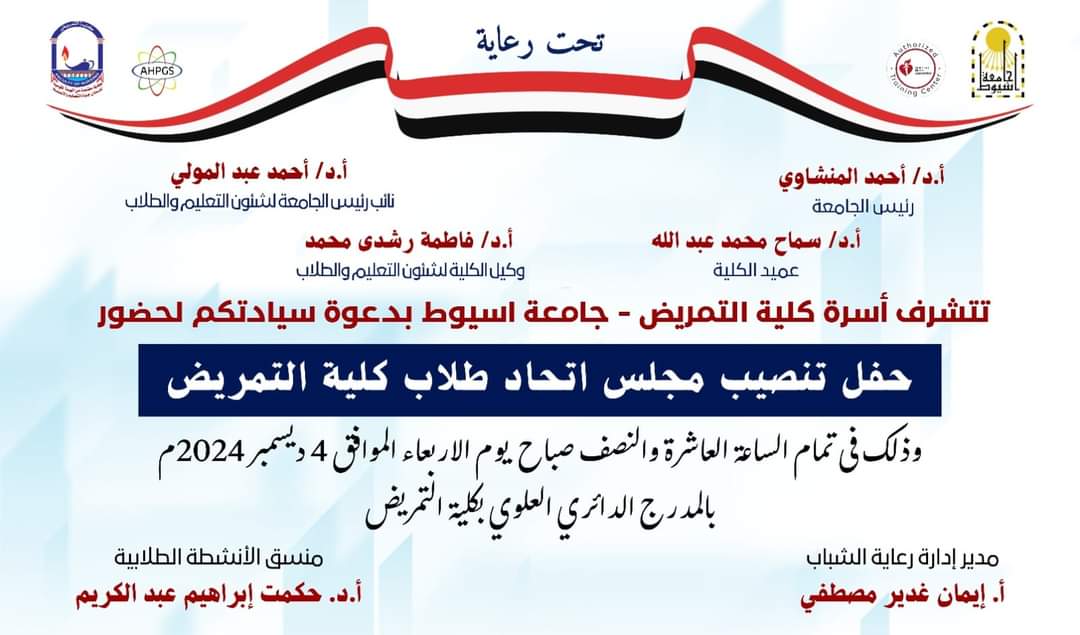
Prof. Dr. Samah Mohammed Abdullah, Dean of the Faculty of Nursing
Prof. Dr. Fatima Roshdy Mohamed, Vice Dean for Education and Student Affairs
Mrs. Iman Ghadeer Mustafa, Director of the Youth Welfare Department and Secretary General of the Faculty of Nursing
The participation of the Jawali clan and the Jawwalat of the College of Nursing in the forty-third scouting and twenty-ninth guidance session during the period from November 28 to December 4, 2024..



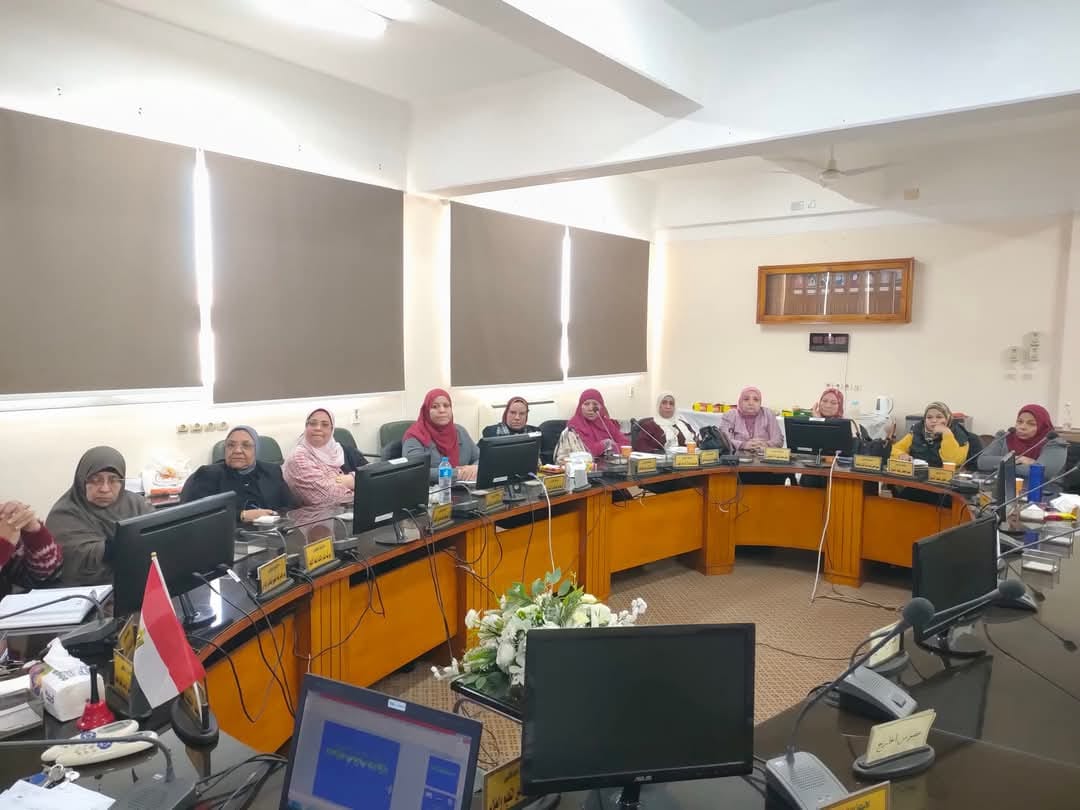
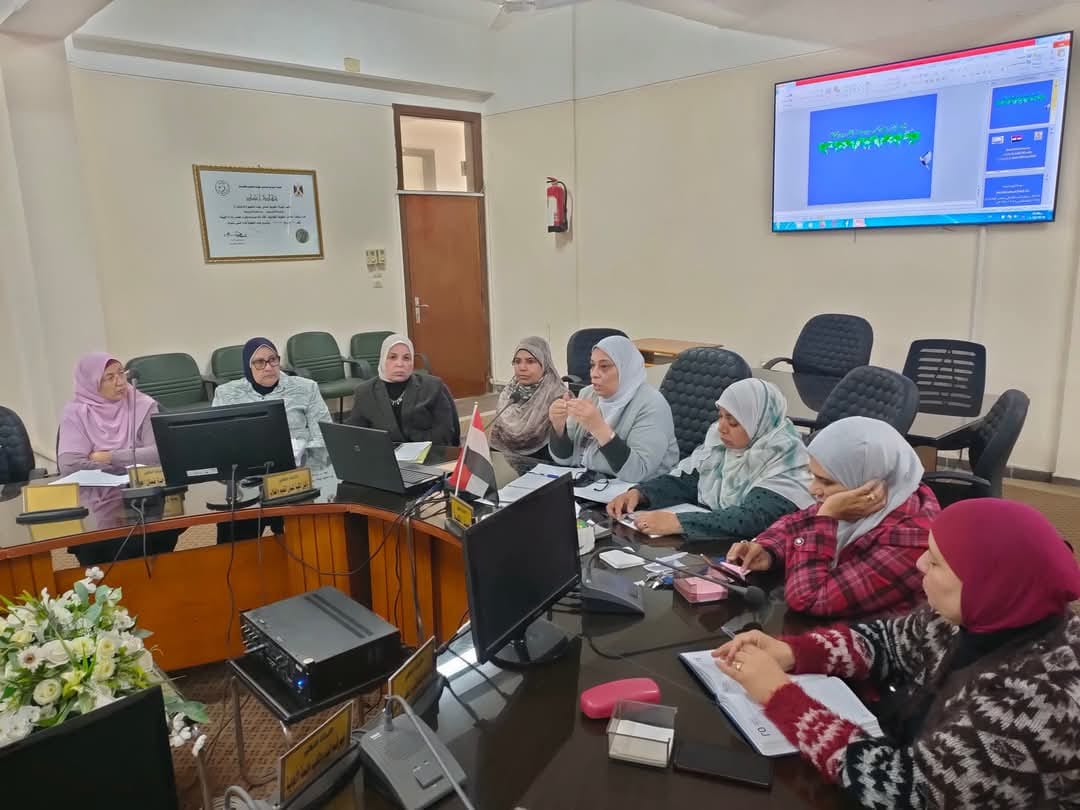
The council was opened by preparing for the first term exams, which are the council’s most important priorities, as the Dean of the College affirmed the readiness and readiness of all departments for the exams and emphasized following all procedures and precautionary measures, as well as providing all means of comfort and calm for the students and providing the appropriate climate for them, while emphasizing the presence of all faculty members. Teaching and staff during exams, as well as emphasizing supervision of exam halls and their readiness.
Some items were discussed:
- The approval of the Maternal and Neonatal Health Nursing Department Council meeting to appoint Mrs. Aya Salah Abdel Hakim to the position of Assistant Lecturer in the Department, as she was awarded a Master’s degree.
- The Council of the Maternal and Neonatal Health Nursing Department held the approval of the appointment of Mrs. Nada Alaa Qutb to the position of Assistant Lecturer in the Department, as she was awarded a Master’s degree.
- The Family and Community Health Nursing Department Council, held on December 1, 2024, approved the appointment of Mrs. Samah Ashraf Sayed as an assistant lecturer in the department, as she was awarded a master’s degree.
- The Critical Care and Emergency Nursing Department Council approved the appointment of Mr. Mustafa Mohamed Ahmed as an assistant lecturer in the department, as he was awarded a master’s degree.
- The Council of the Critical Care and Emergency Nursing Department, held, approved the appointment of Mr. Taha Hussein Muhammad as an assistant lecturer in the department, as he was awarded a master’s degree.- The Board of the Department of Internal-Surgical Nursing approved the appointment of Mrs. Martha Hilal Rushdie as an assistant lecturer in the department, as she was awarded a master’s degree.
- The Pediatrics Department Council approved the appointment of Mrs. Sabreen Abdullah Mustafa as a teacher in the department, as she was awarded a doctorate degree.
The council discussed various topics for department councils as well as various sectors of the college.

and Mrs. Professor Dr. Fatima Rushdi Muhammad, Vice Dean of the College.
For education and student affairs, under the supervision of Professor Dr. Hikmat Ibrahim Abdel Karim, Head of the Pediatric Nursing Department, and the distinguished faculty members.
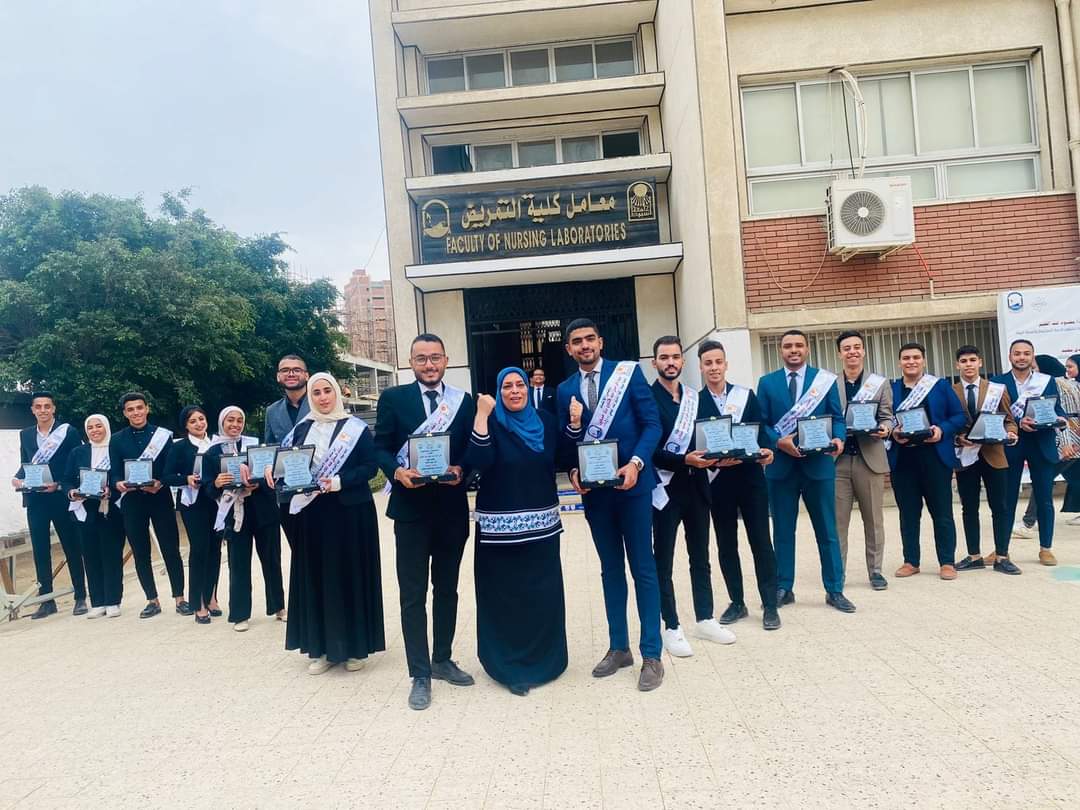
Today, Mr. Professor Dr. Hikmat Ibrahim Abdel Karim honored the students who obtained the highest grades in the quarterly exams.
To encourage them and urge them to excel, as well as create a spirit of competition among students and motivate them to excel and succeed, with sincere wishes to all students for good luck and success.