
Effect of Educational Program about First aid and Prevention of Chocking for Mothers of Preschool age Children

Research Abstract

Abstract
Background: Choking is an important public health problem for young children. Choking hazards are primarily associated with food, coins, and toys. The comprehensive choking-prevention effort will rely on the education of parents, teachers, and childcare workers. So, this study aimed to: Evaluate the effect of educational Program about first aid and prevention of choking for mothers of preschool-age children. Research Design: Quasi-experimental design was utilized in this study. Subjects: Included a convenience sampling of 200 mothers from outpatient clinics at Assuit university children's hospital. Tools of data collection: Three tools included Personal characteristics of mothers and their children, mothers’ knowledge and practices regarding choking first aids and prevention. Results: The majority of the studied mothers (82.5%) had inefficient knowledge score regarding prevention and first aid of chocking while only 17.5% of them had efficient knowledge before mobile education compared to 99.5 % of them had efficient mean knowledge after mobile education. There were statistically significant differences between the mother’s knowledge and reported practice pre and post-Mobile-based program application for choking prevention (P value <0.001). Conclusion: The mother's knowledge and reported practices regarding choking prevention were improved after the implementation of the mobile-based program. Recommendations: Health promotion programs through nurses using new educational technology about choking first aid and prevention should be directed to mothers, children’s caregivers, and teachers in all pediatric care sittings and nursery schools.

Keywords: First aids, Mothers, Prevention of choking & Program.
 

Research Authors
Shadia Abd Elmoniem Syan1, Nora Abd- Elhamid Zaki2, Amira Hassan Abd Alfatah Ahmed3 & Fatma Elzahraa Kamal Alsayed Ali4
Research Date
Research Department
Research File
Research Journal
Assiut Scientific Nursing Journal
Research Pages
1-11
Research Publisher
Assiut Scientific Nursing Journal
Research Vol
Vol , (01 ) No, (33),
Research Website
https://scholar.google.com/citations?view_op=view_citation&hl=ar&user=XEf9dAcAAAAJ&citation_for_view=XEf9dAcAAAAJ:Y0pCki6q_DkC
Research Year
2022

Effect of progressive muscle relaxation technique on reducing stress among adolescents at orphanage in Assiut city

Research Abstract

Back ground: Stress threatens the wellbeing and perception of adolescents and reduces their ability to cope with threat. Adolescents in foster care are more liable for stress than other adolescents. The aim of this study was to assess the effect of progressive muscles relaxation technique on reducing stress among adolescent at Orphanage in Assiut City. Subjects and method: This study was conducted in three foster care settings at Assiut , these settings were lelianTrasher, Dar-ElSafa and Dar-Elhanan). A quasi Experimental research design was used. A convenient sample of all adolescents either males or females and their ages ranged from 12-18 years. One tool was used in this study. Results: A adolescents in the study group had lower level of stress in posttest1,2,3 than on pretest(severe stress was present in 18.9%,24.3%,27% and 91.9%).Meanwhile there were no statistical significant difference between adolescents in the control group in relation to their level of stress (severe stress was present in 89.2%,86.5%,89.2% and 91,9%).It was concluded that progressive muscle relaxation technique reduces the level of stress among adolescents in study group. Recommendations: Social workers in orphanage institutions should use and teach different types of relaxation techniques as progressive muscle relaxation technique to promote psychological wellbeing of orphan children.

Key Words: Adolescents, Stress, progressive Muscle Relaxation Technique, Orphanage

Research Authors
Amira H.,A. Ahmed1;Hamdy N., El-tallawy2;HekmatI., Abd El-Kariem1&Marzoka A.Gadallah1
Research Date
Research File
Research Journal
1st International Conference Faculty of Nursing"Nursing Practices &Era Challenges
Research Pages
1-14
Research Publisher
1st International Conference Faculty of Nursing"Nursing Practices &Era Challenges
Research Website
https://scholar.google.com/citations?view_op=view_citation&hl=ar&user=XEf9dAcAAAAJ&citation_for_view=XEf9dAcAAAAJ:hqOjcs7Dif8C
Research Year
2017

Developing orphanage adolescents stress scale

Research Abstract

Abstract
Stress is a natural part of every adolescent's life. Adolescents in orphanage are more liable for stress than other adolescents. The aim of this study was to develop Orphanage Adolescents Stress Scale. Tool: The Orphanage Adolescents Stress Scale was developed by the researcher. Subjects and method: This questionnaire surveys were conducted with 74 adolescents to examine the psychometric properties. The final Orphanage Adolescents Stress Scale 58-items contain four domains: Emotional deprivation, Future planning, Relationships inside the organization, Relationships outside the organization and Stress symptoms. Result: Scale scores showed satisfactory internal consistency and two weeks test–retest reliability. Conclusion: OASS is an effective scale with acceptable psychometric properties and was especially adapted to measure stress in orphanage adolescents. Recommendations: For researchers who have a particular interest in stress among orphan adolescents, the OASS suggested to be effective tool.
Key words: Adolescents, Stress, Scale &Orphanage.

Research Authors
Amira Hassan Abd-AlFatah, Hamdy Nageeb El-Tallawy, Hekmat Ibrahim Abd El-Karim & Marzoka Abd-Al Aziz Gadallah.
Research Date
Research Department
Research File
Research Journal
Assiut Scientific Nursing Journal
Research Pages
172-180
Research Publisher
Assiut Scientific Nursing Journal
Research Vol
Vol , (5) No , (12)
Research Website
https://scholar.google.com/citations?view_op=view_citation&hl=ar&user=XEf9dAcAAAAJ&citation_for_view=XEf9dAcAAAAJ:Se3iqnhoufwC
Research Year
2017

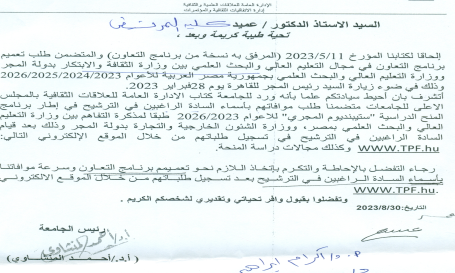
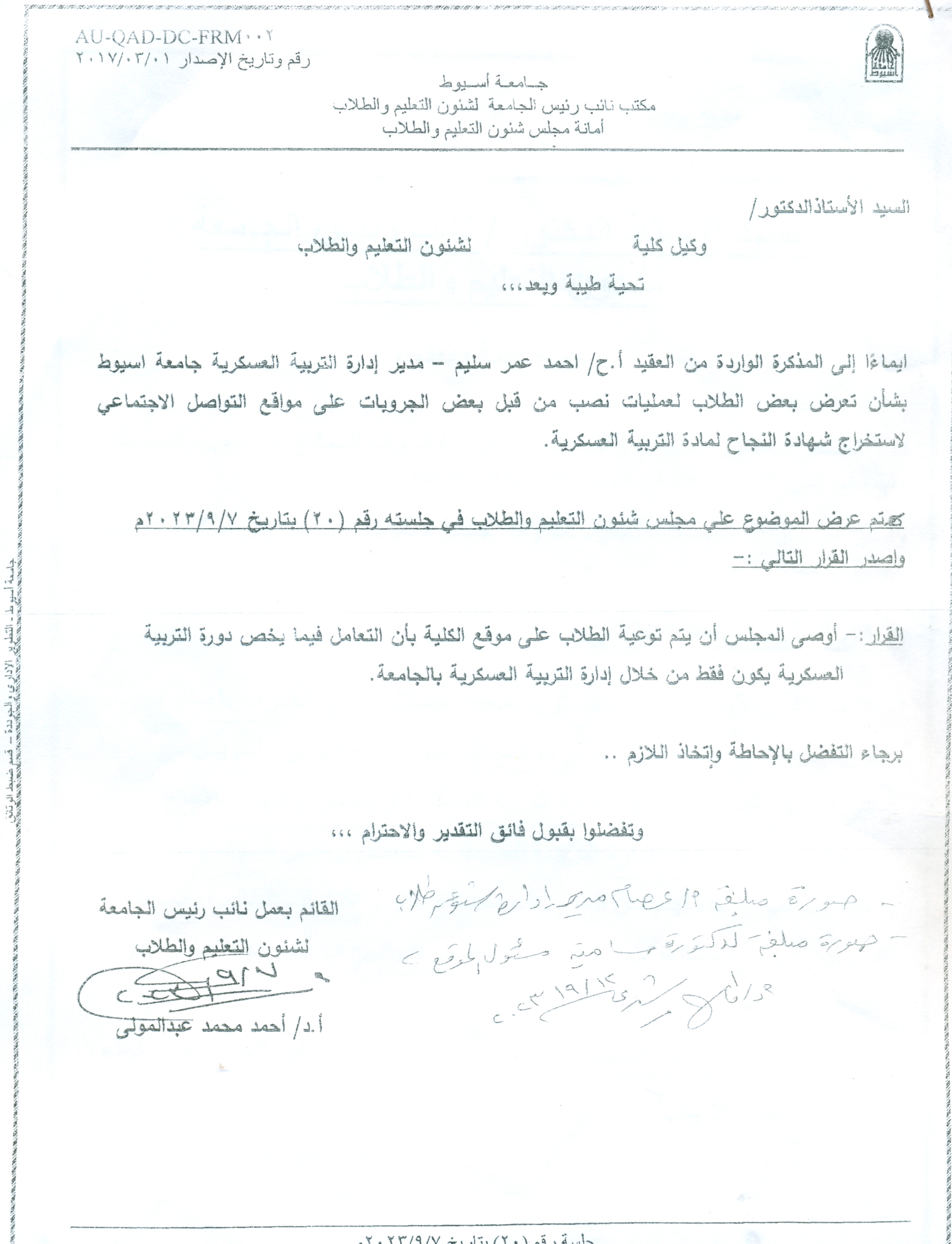
Request to circulate the cooperation program in the higher education and scientific research program between the Ministry of Culture and Innovation in Hungary and the Ministry of Education and Scientific Research in the Arab Republic of Egypt

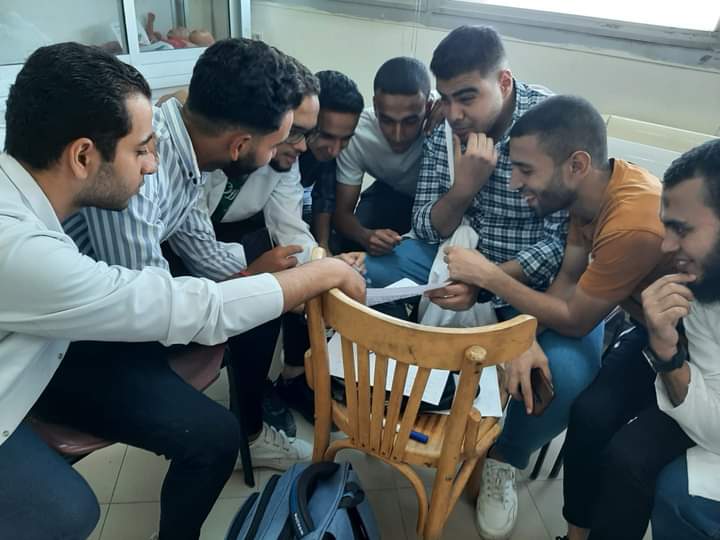
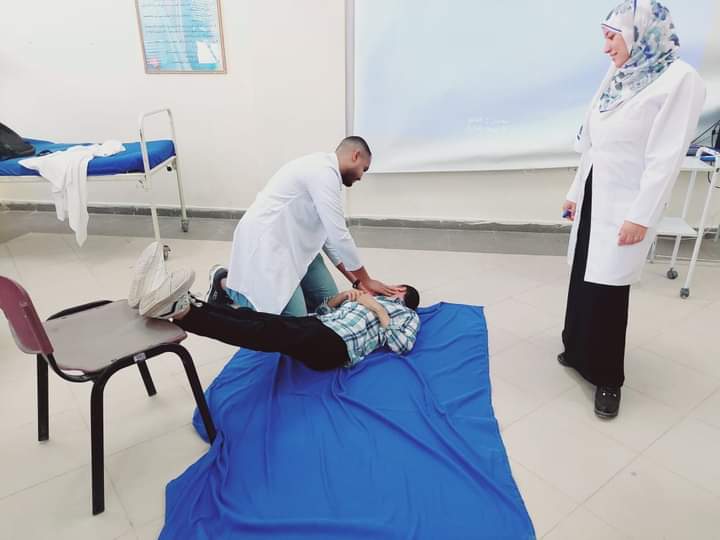
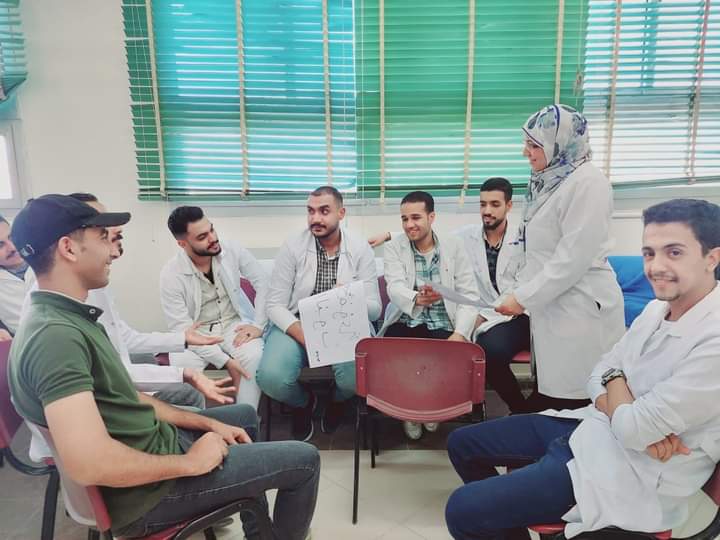
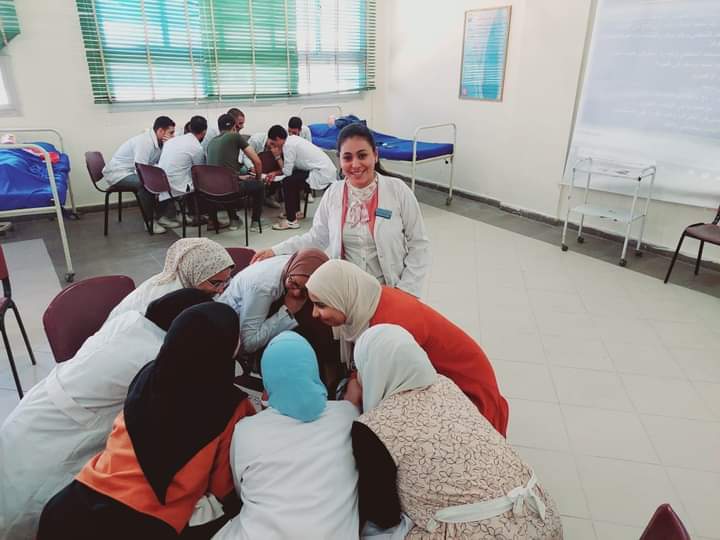
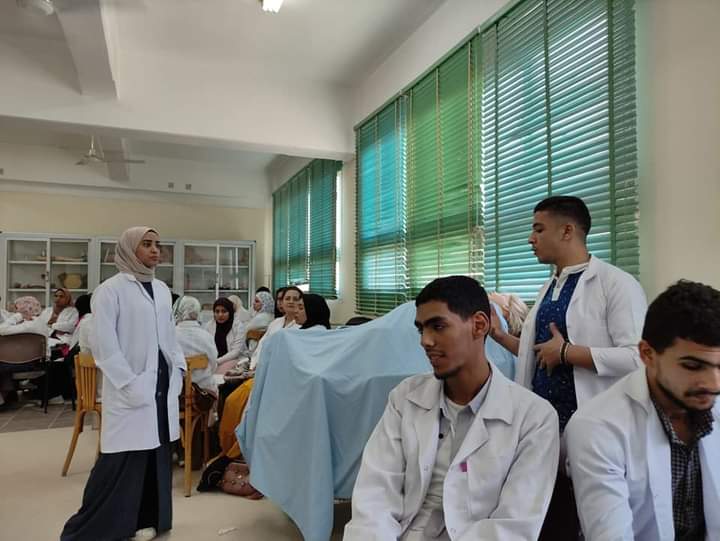
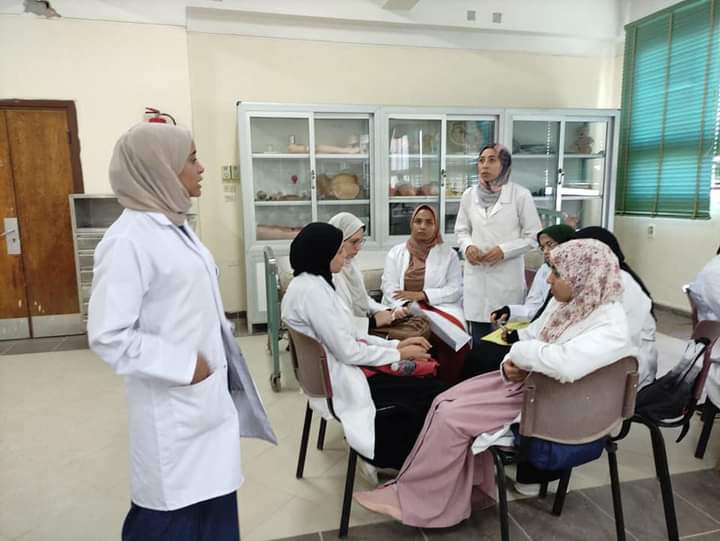
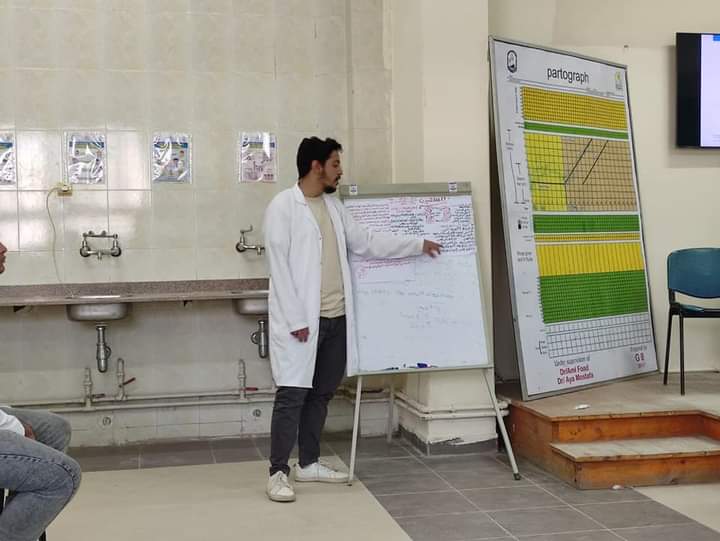
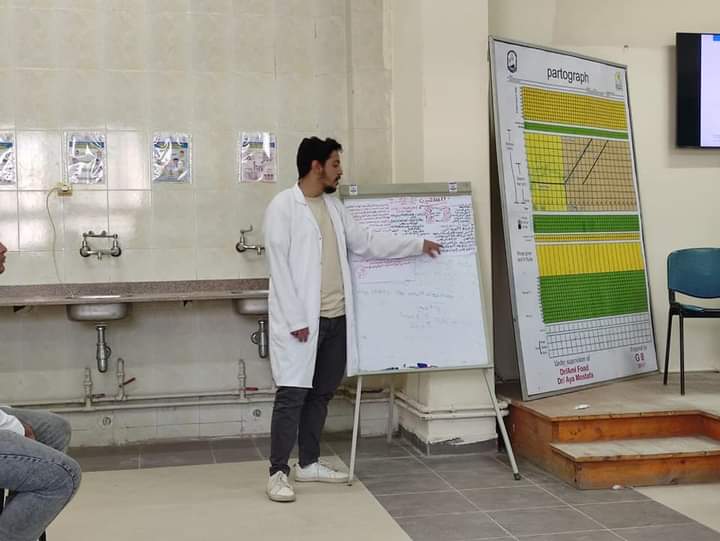
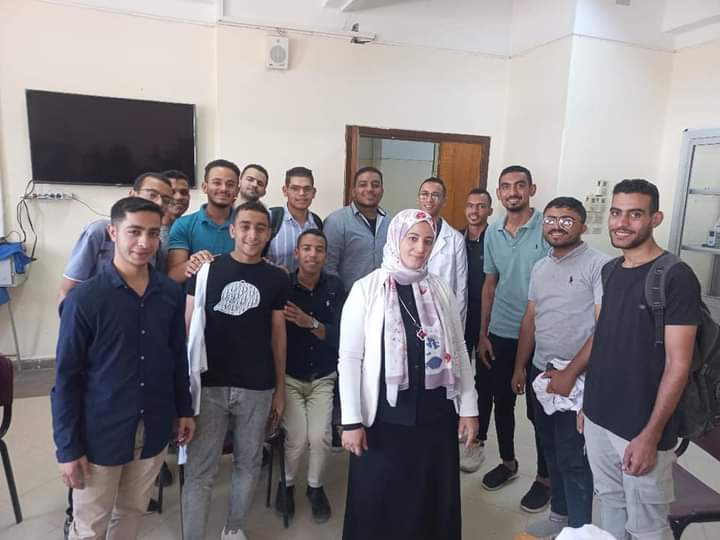
In pictures, the start of the orientation program for the compulsory training year (internship year) for the second group


Under the auspices of Prof. Dr. Samah Muhammad Abdullah, Dean of the Faculty and Chairman of the Board of the Internship Committee, and the supervision of Prof. Dr. Fatima Roshdy Mohamed, Vice Dean for Education and Student Affairs, and the follow-up of Prof. Dr. Mervat Ali Khamis, Director of the Training Center, and the follow-up of Dr. Hanaa Mohamed Ahmed, Internship Coordinator.

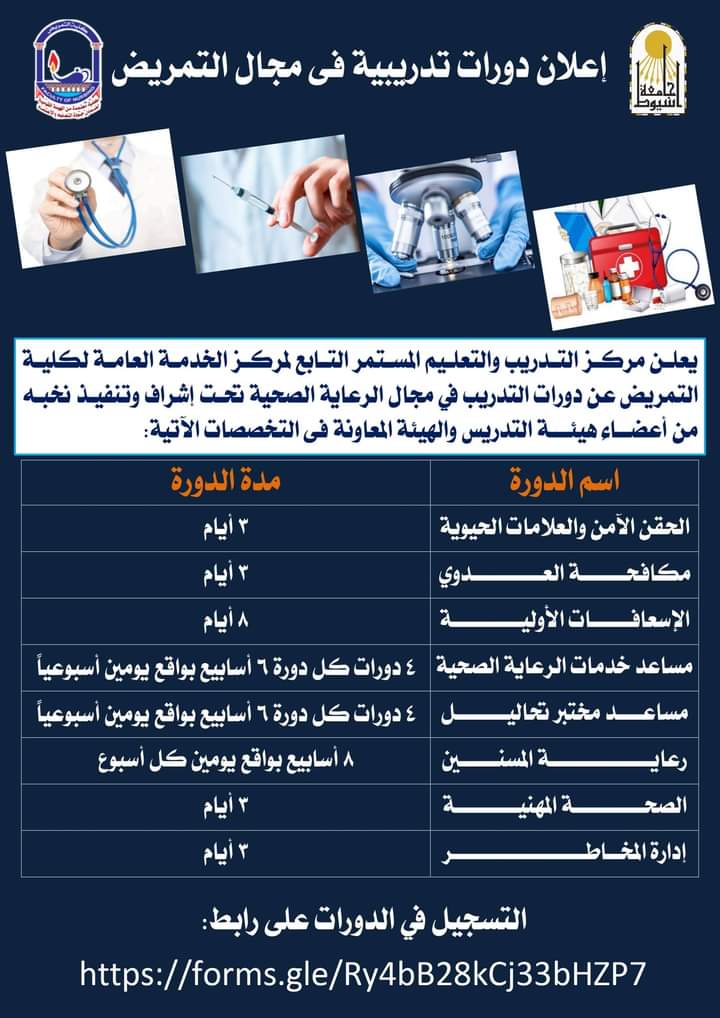
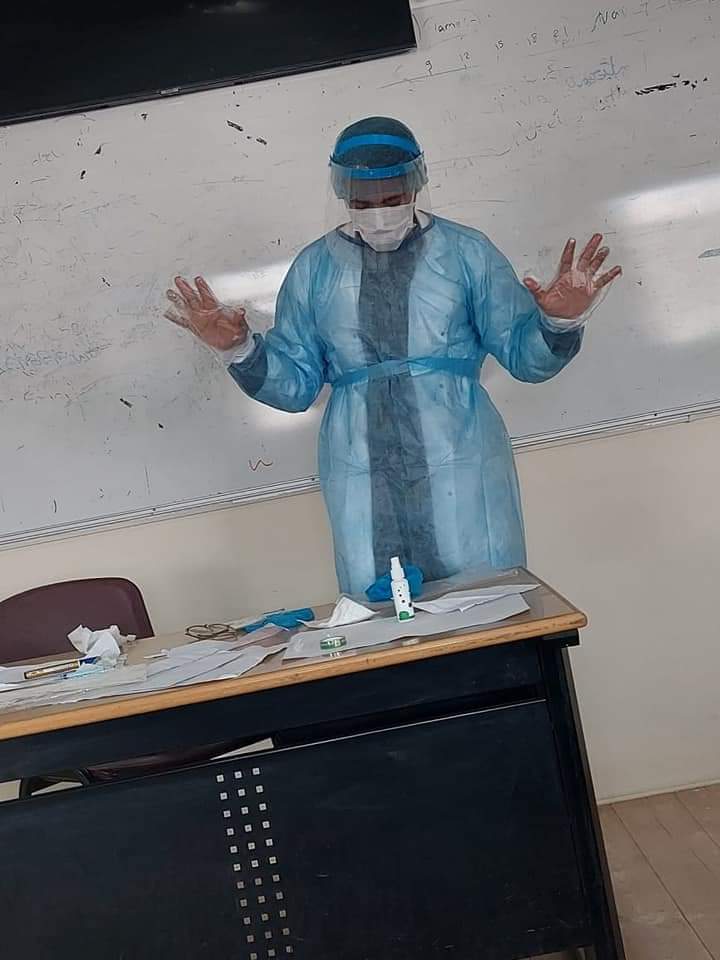
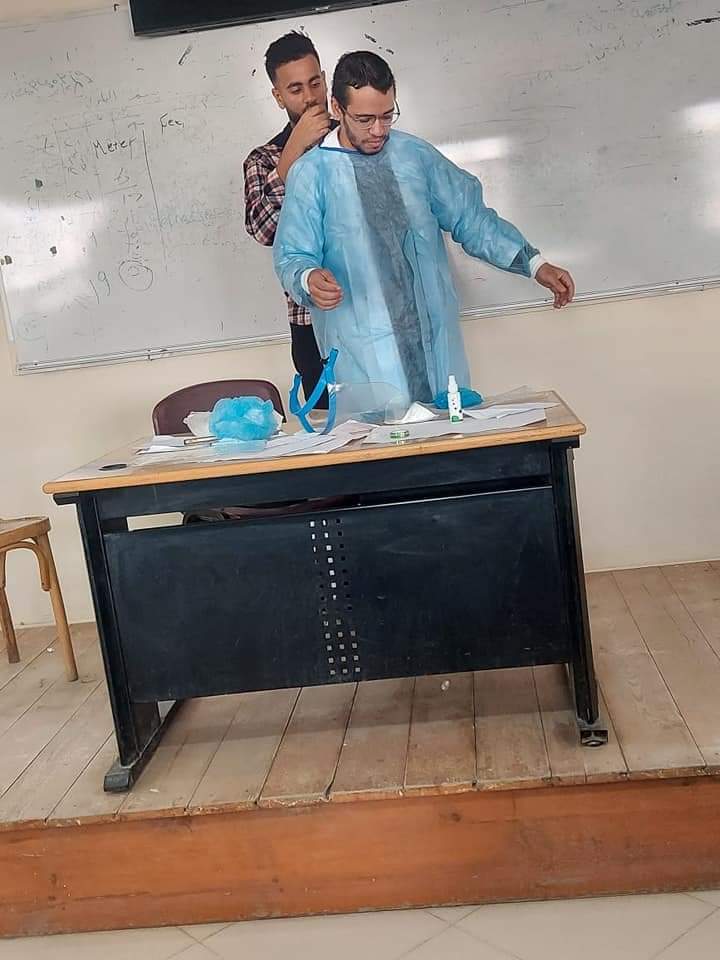
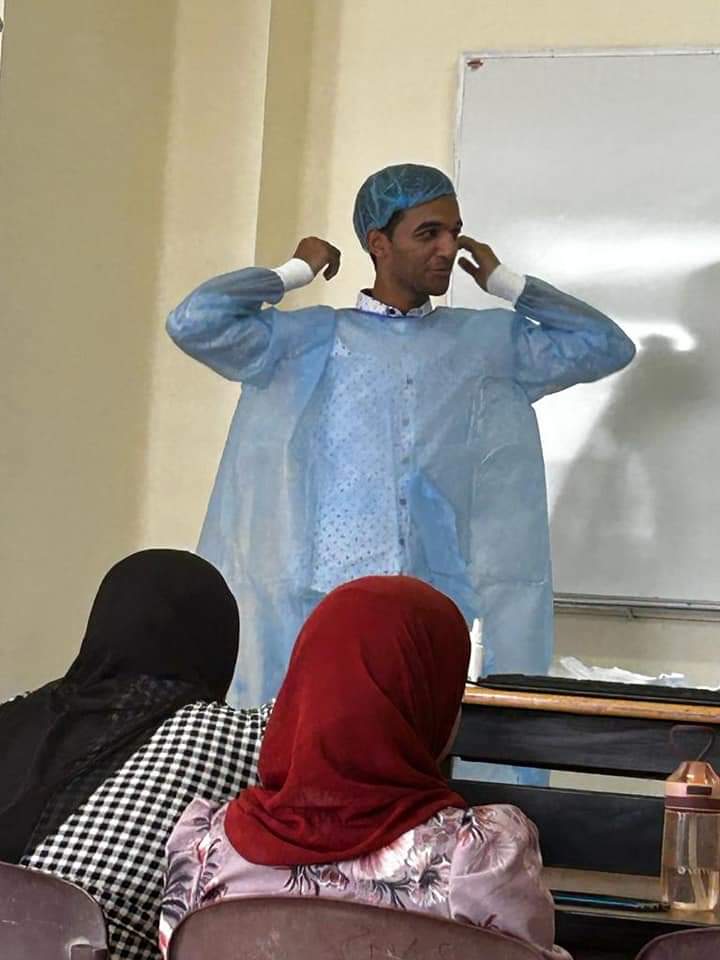
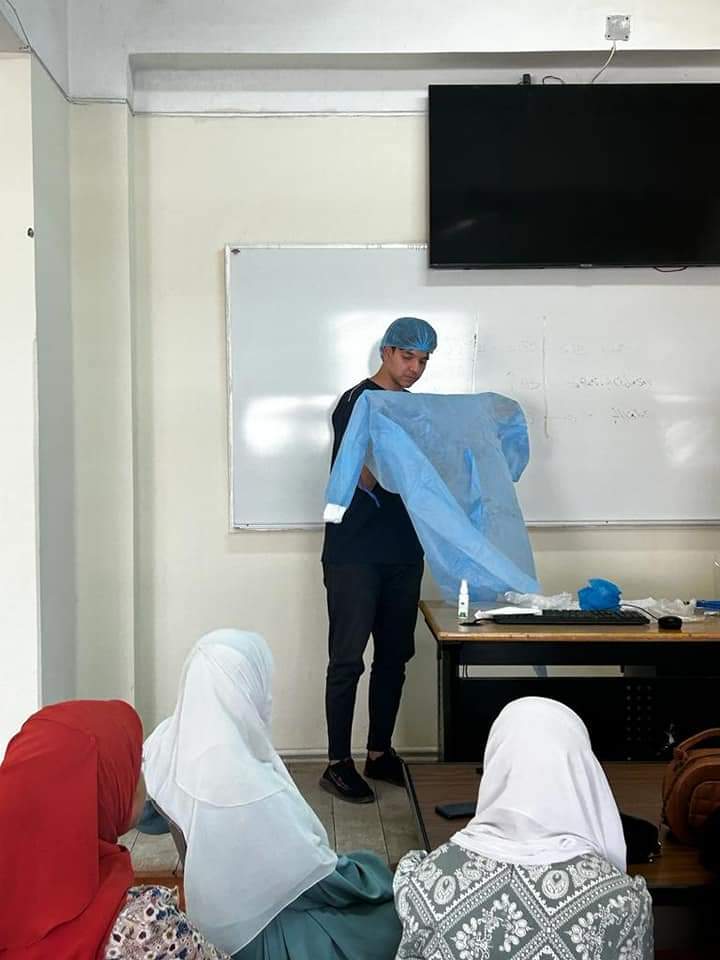
Holding training courses for internship students and conducting the orientation program for students, which includes a first aid course as well as an infection control course. And multiple meetings with the college administration and university hospitals

2222


22222


00000000000000


999999999999999


Training on safe Injections and hindrance The tools are the workshops for the fourth day for internship students in the college, as well as the infection control and hand washing course at the Training

333

and Continuing Education Center and the college laboratories

Under the auspices of Prof. Dr. Ahmed Al-Minshawi, Acting President of the University, Prof. Dr. Mahmoud Abdel Alim, Vice President for Community Service and Environmental Development, and the leadership of Prof. Dr. Samah Muhammad Abdullah, Dean of the Faculty, and the supervision of Prof. Dr. Fatima Roshdy Mohamed, Vice Dean for Education and Student Affairs, and the follow-up of Prof. Dr. Mervat Ali Khamis, Director of the Training and Continuing Education Center, and the presence of Dr. Hanaa Mohamed, Internship Coordinator

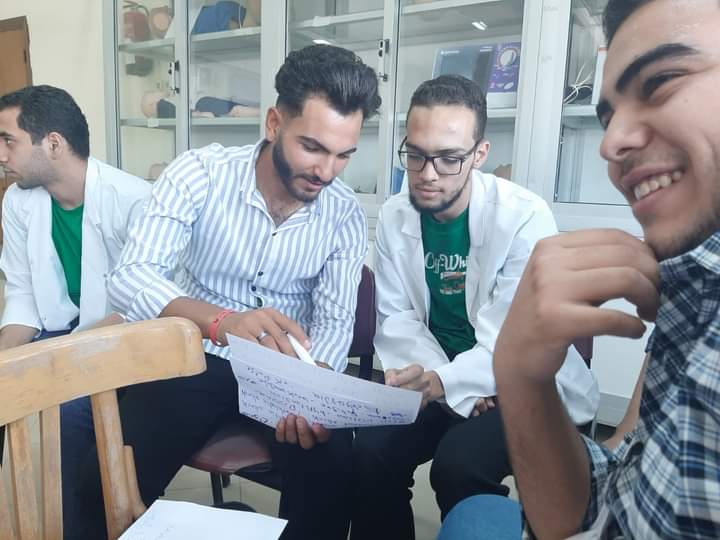
Students of the fourth year of the bachelor's degree continue the training course for the second day in a row within the orientation program for the compulsory training year for the infection control course and a first aid course, as well as panel discussions on brainstorming and exchange of experiences between students

We wish everyone success.


333


3333333333


Subscribe to