Assiut University Information Network (AUIN) Public Service Center Announcement: Accredited Digital Transformation Courses Accredited by the Supreme Council of Universities (SCU) The Public Service Center at AUIN, an authorized center for training and exa

 and examinations, announces the opening of registration for Digital Transformation courses. These courses are mandatory for postgraduate students and available for university employees and members of the civil society.
Seats are limited—Register Now!

Course Curriculum

1. Mandatory Modules (5 Subjects):

  • IT Essentials and Operating Systems
  • Word Processing
  • Electronic Spreadsheets (Excel)
  • Presentations (PowerPoint)
  • Database Essentials (Access)

2. Elective Modules (Choose at least 2):

  • Internet Research
  • Mobile Applications
  • Networking
  • Distance Learning and Virtual Classrooms
  • Cloud Computing

Why Choose Assiut University Information Network for Your Exams?
  1. High-Speed Internet: Enjoy an ultra-fast connection ensuring a hassle-free and smooth examination experience without interruptions.

  2. Advanced Hardware: Modern and high-performance computers to ensure comfort and peak performance during your test.

  3. Instant Practical Exams: Our advanced system loads practical exams in moments—no technical glitches or freezing.

  4. No Waiting Lists: We value your time; your exam is prepared immediately without long delays.

  5. Fast Scheduling: Take your exam within just two weeks of registration.

  6. Optimized Environment: Carefully designed halls with balanced capacity to ensure maximum focus and comfort.

  7. Rapid Results: Get your results the very next day. Postgraduate grades are processed without delay.

  8. 24/7 Online Study Materials: Access SCU-accredited scientific materials online at any time.

  9. Fast Certification: Receive your accredited certificate within only 3 weeks after passing the exam.


Key Information

  • Schedule: A one-week gap is provided between the first and second examination days.
  • Training Options: Available both Online and Offline (at the center's labs).
  • Fees:
    • Training + Exams + Material: 1,050 EGP
    • Exams + Material only: 910 EGP

Contact & Location

  • Location: AUIN Building – Opposite the Faculty of Dentistry – 1st Floor.
  • Contact (During Official Working Hours):
    • Mobile: 01018282489
    • Landline: 088-2345606 / 088-2345670


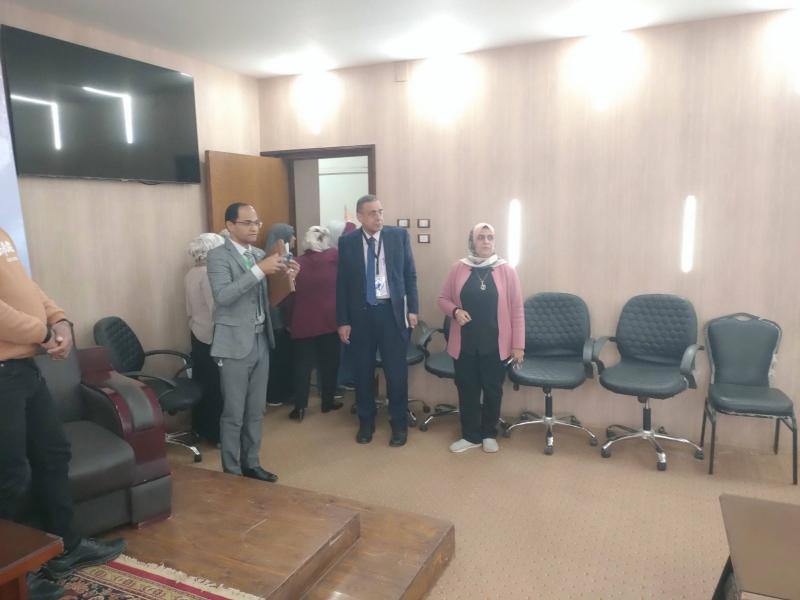
Prof. Fatima Roshdy Mohamed, Dean of the Faculty, along with the Vice Deans, Heads of Academic Departments, and all members of the administrative team, extend their heartfelt congratulations to Dr. Shaimaa Mohamed Morsi on her promotion to the rank

 of Assistant Professor of Pediatric Nursing, and to Dr. Maha Nafadi on her promotion to the rank of Assistant Professor of Medical-Surgical Nursing. Wishing you continued success and career advancement


منن


حع


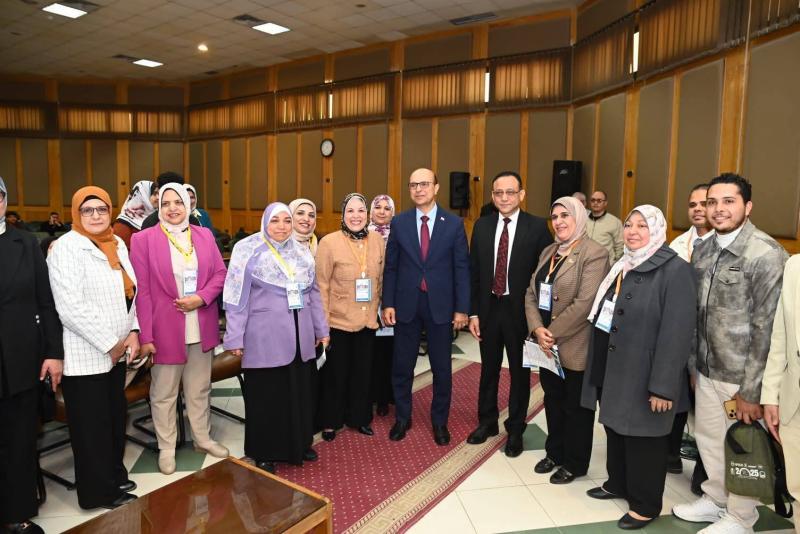
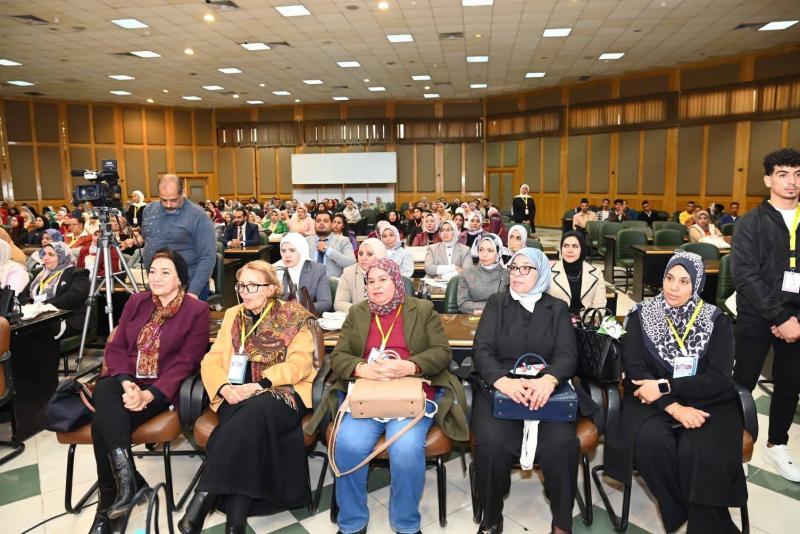
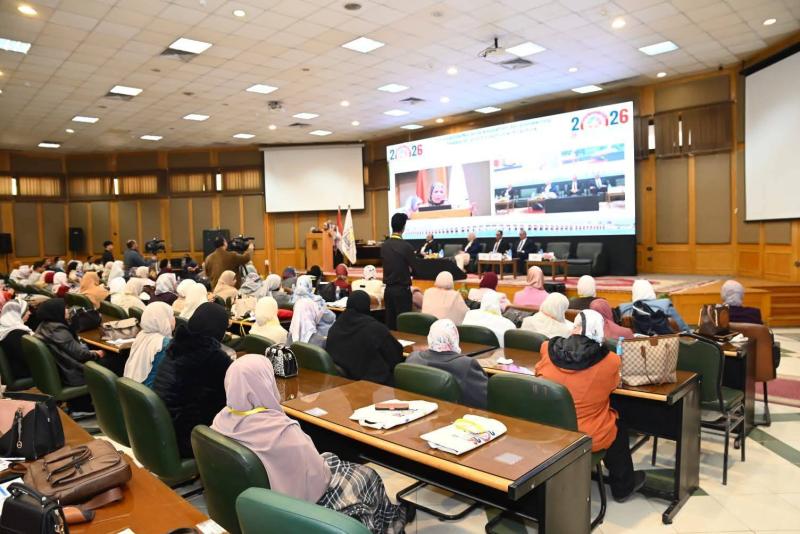
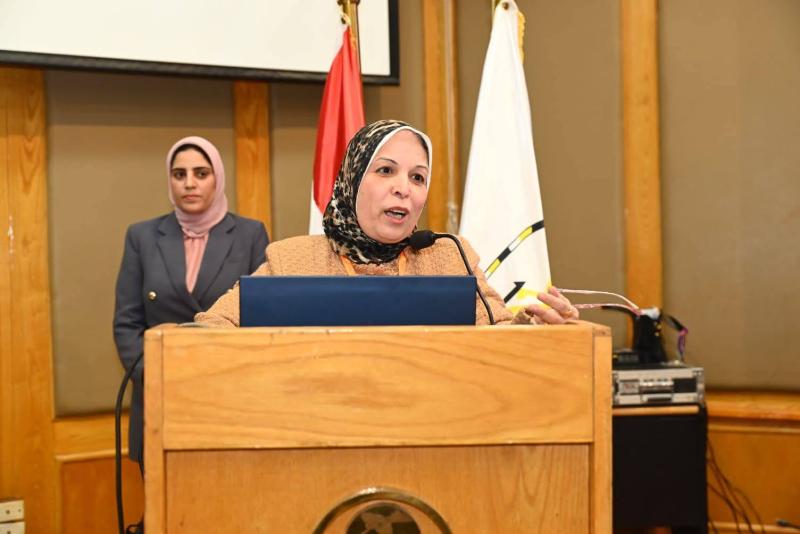
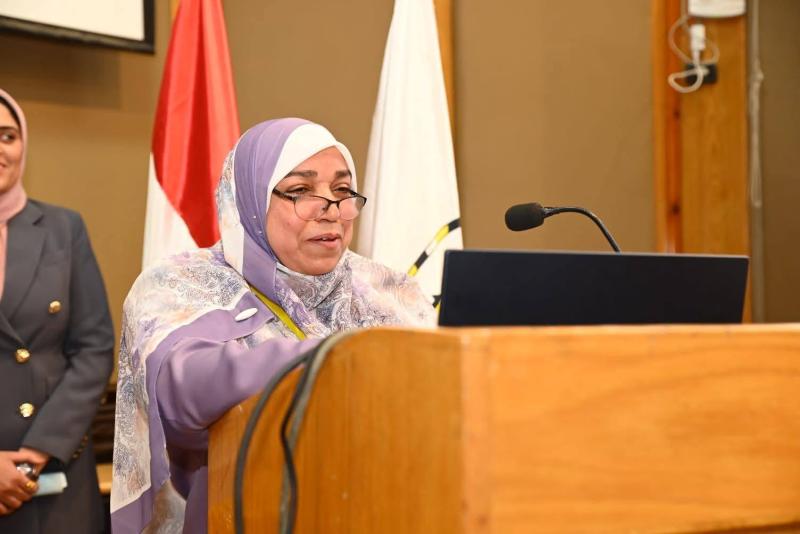
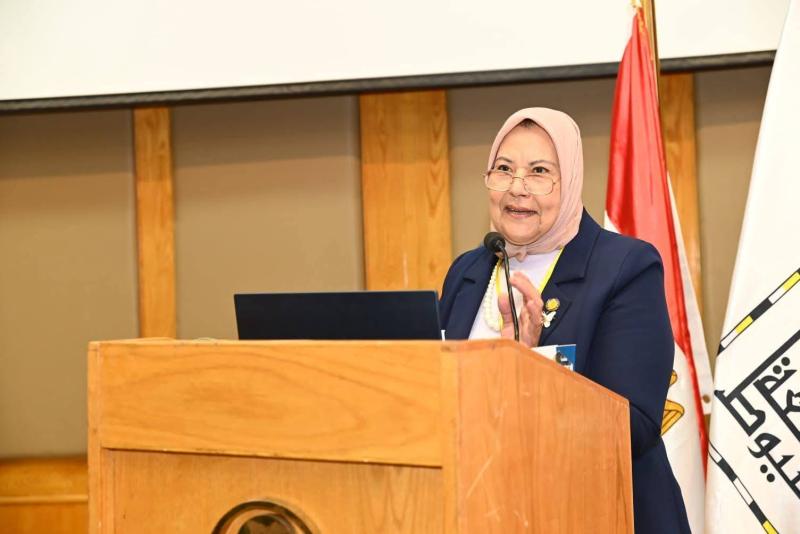
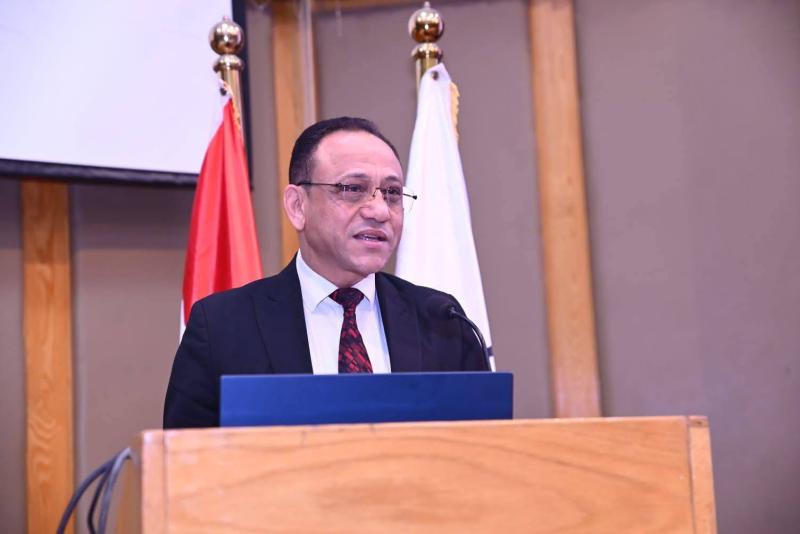
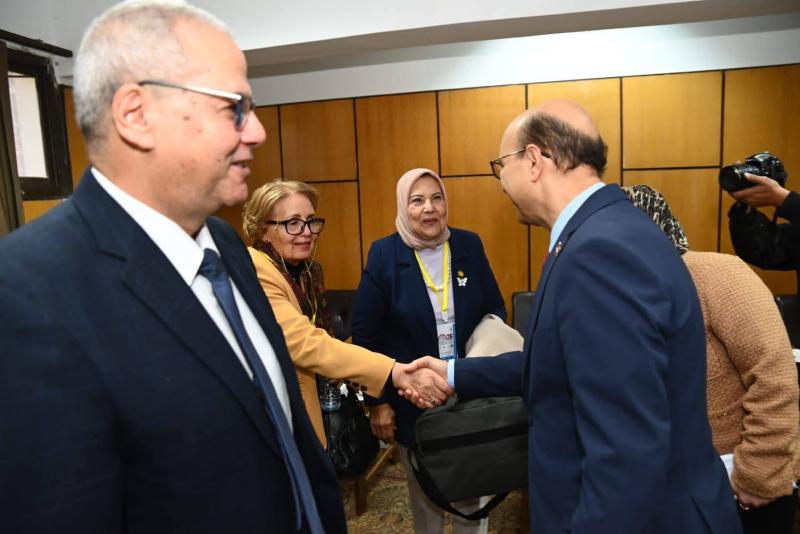
Assiut University’s Faculty of Nursing Celebrates World Diabetes Day Under the auspices of Professor Ahmed El-Minshawy, President of Assiut University, and Professor Mohamed Ahmed Ali Adawy, Vice President for Community Service

ككككككك

 and Environmental Development.

The event was led by:

  • Professor Fatima Rushdie Mohamed – Dean of the Faculty of Nursing.
  • Professor Nahed Shawkat Abu Al-Majd – Vice Dean for Community Service and Environmental Development.
  • Professor Magda Ahmed Mohamed – Head of the Medical-Surgical Nursing Department.
  • Professor Hikmat Ibrahim Abdel-Karim – Head of the Pediatric Nursing Department.

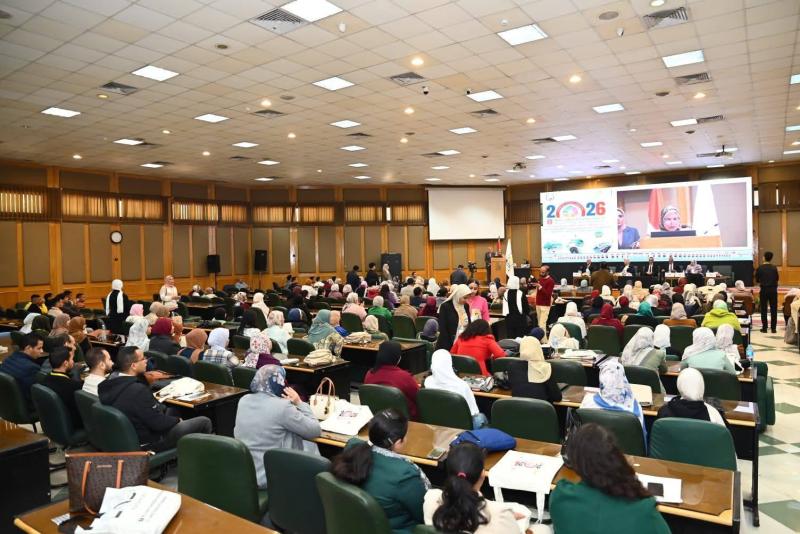
Scientific Day for World Diabetes Day Celebration 

Theme: "Diabetes and Well-being: Know More, Act More for Diabetes"

Date: Thursday, November 27, 2025

The Medical-Surgical Nursing Department, in collaboration with the Pediatric Nursing Department and the Community Service and Environmental Development Sector, organized a scientific day to celebrate World Diabetes Day. This initiative aligns with the faculty’s role in raising health awareness and supporting community health initiatives.

The event was attended by:

  • The Vice Dean for Postgraduate Studies and Research.
  • Several heads of scientific departments, faculty members, and teaching assistants from the Faculties of Nursing and Medicine.
  • Directors of nursing departments at university hospitals.

  • Members of the nursing staff.
  • Students from various academic levels.
  • Administrative staff and faculty employees.

Scientific Sessions

1. Diabetes and Quality of Life Presented by: Prof. Manal Ezz El-Din – Professor of Internal Medicine, Endocrinology, and Diabetes, Faculty of Medicine, Assiut University. The session explored the relationship between diabetes and quality of life, covering:

  • Definition of the disease, its types, and complications.
  • The physical, psychological, and social impact of diabetes.
  • Strategies to enhance quality of life through health education and psychological support.

2. Parents and Children with Diabetes Presented by: Prof. Hikmat Ibrahim Abdel-Karim – Professor and Head of the Pediatric Nursing Department, Faculty of Nursing, Assiut University. This lecture focused on the family's role in supporting children with Type 1 diabetes by:

  • Promoting psychological and social adaptation.
  • Nutritional guidance and physical activity.
  • Supporting the use of modern technology, such as continuous glucose monitoring (CGM) devices.

3. Diabetes Education Presented by: Dr. Heba El-Sherif – Lecturer in Medical-Surgical Nursing. She highlighted health education as a cornerstone for disease management, including:

  • Goals of education and patient empowerment.
  • Core elements of education (Nutrition, Exercise, Medication, Self-monitoring, and Psychological support).
  • The role of the nursing team in raising awareness.

4. Epidemiology of Diabetes Presented by: Prof. Walaa Anwar – Professor of Internal Medicine, Endocrinology, and Diabetes, Faculty of Medicine, Assiut University. The discussion included:

  • Global and local prevalence rates.
  • Factors leading to the increase in infections.
  • Public health strategies for prevention and early detection.

5. Artificial Intelligence (AI) in Elderly Diabetes Care Presented by: Assoc. Prof. Saeeda Abdel-Hamid – Associate Professor of Gerontological Nursing. She addressed:

  • The role of AI in prediction and analysis.
  • Remote monitoring applications.
  • Training the elderly on how to use smart devices.

6. The Role of Artificial Intelligence in Diabetes Care Presented by: Mahmoud Fathy Abdel-Hafiz – Assistant Lecturer in Medical-Surgical Nursing. He showcased the latest smart applications, including:

  • Blood glucose monitoring and diagnosis of complications.
  • Integrating technology into nursing education.
  • Ethical and practical challenges of health technology.

Accompanying Activities

  • Scientific discussions between professors and students regarding the future of AI in nursing.
  • Display of awareness materials and slogans for World Diabetes Day.
  • Distribution of educational brochures on healthy living.
  • Free health screening services:
    • Blood glucose testing.
    • Blood pressure measurement.
    • Weight and waist circumference measurement.
    • Body Mass Index (BMI) calculation.
  • Awareness tours conducted by students to educate faculty employees about diabetes.

Recommendations

Activate diabetes education programs within hospitals.  Integrate Artificial Intelligence into the follow-up care for diabetic patients.  Train nursing staff on the use of smart healthcare tools.  Establish specialized nursing clinics for education and psychological support.  Support joint research between the Faculties of Medicine and Nursing.  Enhance community awareness campaigns.  Include Artificial Intelligence modules in nursing curricula.

📌 Media Office - Faculty of Nursing, Assiut University

+تلالالالالالالا


نت


نكا


اخه


غغخ


خحغال


Influence of an educational program utilizing VAK and Kolb’s learning theories on basic cardiopulmonary resuscitation knowledge and practices among private home nurses in Qatar

Research Abstract

Abstract

Background

Basic CPR is vital for home nurses, yet knowledge and practice gaps remain. Theory-based training can enhance skill effectiveness.

Aim

This study aimed to evaluate the influence of VAK and Kolb’s learning theories on basic cardiopulmonary resuscitation knowledge and practices among private home nurses in Qatar.

Methods

Quasi–experimental pre–/post study. One–hundred–thirty–four nurses were randomized to VAK and Kolb group (each n = 67). A learning–style inventory, CPR knowledge questionnaire, basic life and automated external defibrillator checklists were completed at baseline, immediately post–training, and at 6 and 9  months. The intervention composed of multimodal training program combined a 1–h multimedia lecture incorporating case-based scenarios with a 3–h European Resuscitation Council four–stage workshop customized to cover all learning styles in both groups.

Results

Participants were predominantly female (88.1 %), aged 35–44  years (44.8 %) and bachelor–prepared (59.7 %). Immediately after training, satisfactory CPR knowledge rose from 35 % to 90 %, BLS competence from 1.5 % to 100 % and AED operation from 23 % to 100 % (all p < 0.001). Retention fell sharply at 6  months (25.6 %, 25.6 % and 60.5 %, respectively) and only partly recovered by 9  months (53.3 %, 27.4 % and 71.4 %). Visual, auditory and concrete–experience learners showed the steepest decline, whereas kinesthetic and reflective–observer learners maintained the highest performance.

Conclusion

Retention patterns differed sharply across learning styles. Visual, auditory, and concrete–experience nurses reached near–perfect scores right after training but lost much of those gains within six months. By nine months, kinesthetic (VAK) and reflective–observer (Kolb) learners still led CPR and AED performance, while visual, active–experimenter, and abstract–conceptualizer groups showed the steepest drop–offs. Sustained competence therefore hinges on both refresher timing and the cognitive–sensory mode through which skills were first acquired.

Recommendations

Use VAK and Kolb profiling during initial competency checks to tailor refresher frequency (quarterly low-dose sessions for visual, auditory, and concrete learners; semi-annual for kinesthetic and reflective learners), conduct an annual full-skills audit, and assign a dedicated Resuscitation Officer to coordinate and monitor these activities.
Research Authors
Mohamed Elsayed Saad Aboudonya a , Hoda Diab Fahmy Ibrahim b , Safaa R. Osman b
Research Date
Research Department
Research Publisher
Resuscitation Plus- Science Direct
Research Vol
26
Research Website
https://www.sciencedirect.com/science/article/pii/S2666520425002085
Research Year
2025

Workload Tolerance Affects Organizational Citizenship Behaviors: Exploring Association.

Research Abstract

Background: Employees with more control over their tasks can handle workload better when having organizational
citizenship behaviors (OCBs). Aim: Explore the association between workload tolerance and OCBs. Study design:
cross-sectional descriptive correlational design. Setting: Faculty of Nursing & Technical Nursing Institute at Assiut
University. Subjects: Assistant teaching staff (no=69) and nursing educators (no=30). Tools: I- CarMen-Q Mental
workload questionnaire II- organizational citizenship behaviors scale. Results: the highest percentage of study
subjects had high level of workload tolerance and OCBs (82.8%, and 85.9%), respectively at Technical Nursing
Institute, also the highest percentage of study subjects has high workload tolerance and OCBs at Faculty of Nursing
Assiut University (89.9%, and 91.1%) respectively. Conclusion: There are positive correlations with statistically

significant relation between workload tolerance and OCBs. Recommendations: Conduct further research, across
broader educational settings and with larger, more diverse samples is recommended to generalize findings and guide
policy-making. And Promote strategies to enhance workload tolerance.
Keywords: Assistant teaching staff, Nursing educators, OCBs, &Workload tolerance

Research Authors
Seham Mohamed Abd Elhamed1, Magda Ahmed Mohamed2 & Amal Sayed Mohamed
Research Date
Research File
الاول_0.pdf (812.03 KB)
Research Journal
Assiut Scientific Nursing Journal
Research Pages
210-218
Research Vol
9
Research Year
2021
Subscribe to