

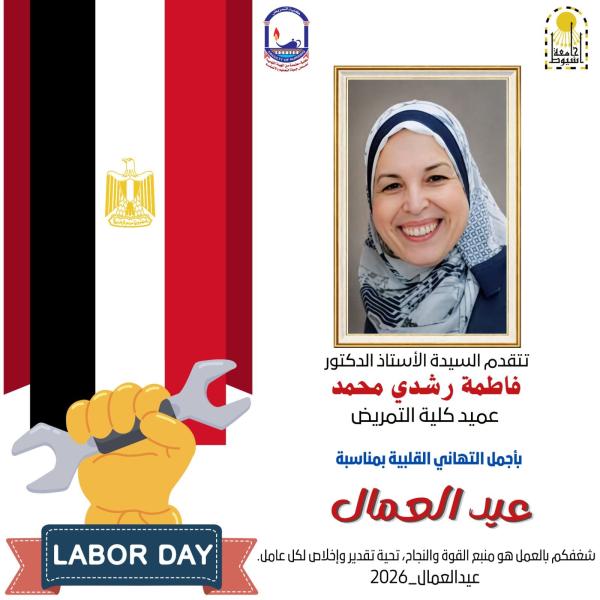
Wishing you all a happy Workers' Day, always representing diligence and hard work, and being a pillar of progress and development.
#Media_Faculty_of_Nursing_Asyut_University
#Media_Faculty_of_Nursing_Asyut_University
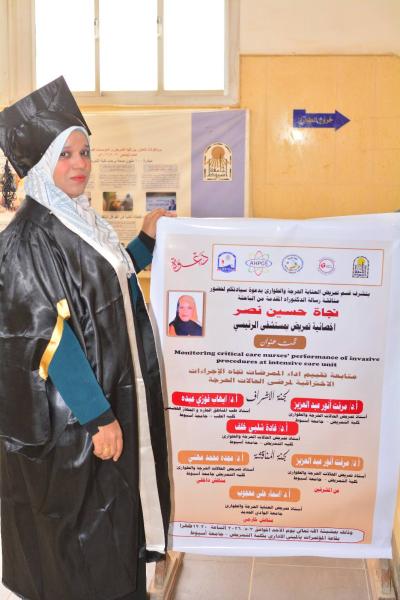
Monitoring critical care nurses’ performance of invasive procedures in the intensive care unit
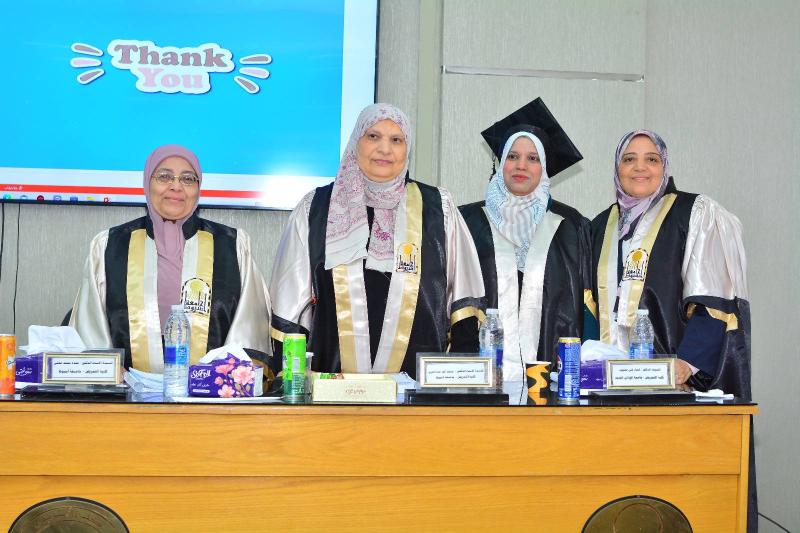
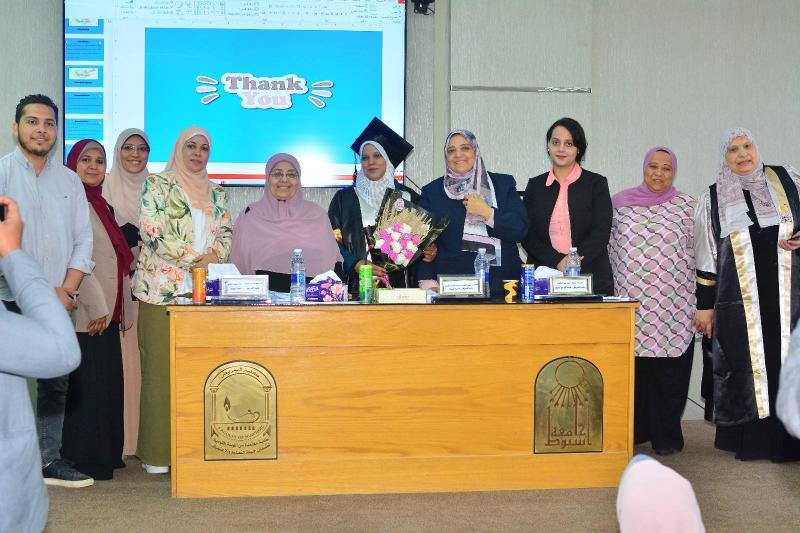
Supervision and Discussion Committee:
Prof. Magda Mohamed Mahny, Professor of Critical and Emergency Care Nursing, Faculty of Nursing, Assiut University (Internal Examiner)
Prof. Ihab Fawzi Abdo, Professor of Gastroenterology and Free Zones Medicine, Faculty of Medicine, Assiut University (Supervisor Representative)
Prof. Mervat Anwar Abdel Aziz, Professor of Critical and Emergency Care Nursing, Faculty of Nursing, Assiut University (Supervisor Representative)
Prof. Asmaa Ali Mahboub, Professor of Critical and Emergency Care Nursing, Faculty of Nursing, South Valley University (External Examiner)
Prof. Ghada Shalaby Khalaf, Professor of Critical and Emergency Care Nursing, Faculty of Nursing, Assiut University (Supervisor Representative)
We wish her continuous success and achievements in her academic and research journey.
#Assiut_University_Nursing_Faculty_Media