Gynecologic Surgery Proportion and Utilization Trends in the NSQIP Database from 2010 through 2015 with Correlation to Technology and Policy

Research Abstract

Objective: To assess the volume and temporal trends in utilization of gynecologic surgery codes between 2010 and 2015.

Study design: The American College of Surgeons National Surgical Quality Improvement Program (NSQIP) was queried to determine the frequency of individual gynecologic surgical procedures from 2010 to 2015. The National Inpatient Sample was used to further define the frequency of minimally invasive hysterectomies from 2012 to 2016. Data were analyzed using linear regression and chi-squared tests.

Results: Gynecologic procedures represented 6.8% (95% confidence interval 6.8–6.9) of all surgical procedures included in the NSQIP database from 2010 through 2015 and this percentage was stable during the study period. The top 10% of procedures make up ∼70% (66.5%–71.2%) of all procedures performed. The top 40% of procedures make up ∼97% (96.8%–97.5%) of all procedures. Although hysterectomy codes were consistently among the top 10 most utilized codes, significant trends were observed in utilization related to the route of hysterectomy with rise of total laparoscopic hysterectomy (TLH). This was correlated with increasing adoption of robotic-assisted laparoscopy and decline of total vaginal hysterectomy (TVH) and abdominal hysterectomy (p < 0.001). There was also a large increase in concomitant adnexal surgery at the time of TLH, which potentially mirrors the recent rise in opportunistic salpingectomy.

Conclusion: In this analysis, we highlight changes in the utilization of different gynecologic procedures to inform policy makers of challenges to appropriate reimbursement for laparoscopic procedures and a potential skills loss in open and vaginal procedures.
Research Authors
John M. Nakayama, David Sheyn, Amr Mahran, and Sherif A. El-Nashar
Research Date
Research Department
Research Publisher
Mary Ann Liebert, Inc., publishers
Research Website
https://www.liebertpub.com/doi/abs/10.1089/gyn.2020.0180
Research Year
2021

Abdominal and vaginal pelvic support with concomitant hysterectomy for uterovaginal pelvic prolapse: a comparative systematic review and meta-analysis

Research Abstract

Introduction and hypothesis

While approximately 225,000 pelvic organ prolapse (POP) surgeries are performed annually in the US, there is no consensus on the optimal route for pelvic support for the initial treatment of uterovaginal prolapse (UVP). Our objective is to compare the outcomes of abdominal sacrocolpopexy (ASC) to vaginal pelvic support (VPS) with either uterosacral ligament suspension (USLS) or sacrospinous ligament fixation (SSF) in combination with hysterectomy for treating apical prolapse.

Methods

A systematic search was performed through March 2021. Studies comparing ASC with VPS for treatment of UVP were included in the review. The primary outcome was the rate of overall anatomic prolapse failure per studies' definition. Secondary outcomes included evaluating isolated recurrent vaginal wall prolapse, postoperative POP-Q points, total vaginal length (TVL), and Pelvic Floor Distress Inventory (PFDI-20) scores. Random effect analyses were generated utilizing R 4.0.2.

Results

Out of 4225 total studies, 4 met our inclusion criteria, including 226 patients in the ASC group and 199 patients in the VPS group. ASC was not found to be associated with a higher rate of vaginal wall prolapse recurrence (OR = 0.6; 95% CI = 0.2–2.4; P = 0.33). There was no significant difference between groups for anterior or apical vaginal wall prolapse recurrence (P = 0.58 and P = 0.97, respectively). ASC was associated with significantly longer TVL (mean difference [MD]: 1.01; 95% CI = 0.33–1.70; P = 0.02) and better POP-Q Ba scores [MD = −0.23; 95% CI = −0.37; −0.10; P = 0.01].

Conclusions

ASC and vaginal pelvic support (either USLS or SSF) have comparable anatomical outcomes. However, weak evidence of a difference in TVL and Ba was found. The strength of the evidence in this study is based on the small number of observational studies. A large, randomized trial is highly warranted.

Research Authors
Anood Alfahmy, Amr Mahran, Britt Conroy, Rosemary R Brewka, Mostafa Ibrahim, David Sheyn, Sherif A El-Nashar, Adonis Hijaz
Research Date
Research Department
Research Pages
2021–2031
Research Publisher
Springer International Publishing
Research Vol
32
Research Website
https://link.springer.com/article/10.1007/s00192-021-04861-4
Research Year
2021

Sacral neuromodulation treating chronic pelvic pain: a meta-analysis and systematic review of the literature

Research Abstract

Introduction and hypothesis

Sacral neuromodulation (SNM) is gaining popularity as a treatment option for chronic pelvic pain (CPP). Our hypothesis is that SNM is effective in improving CPP.

Methods

A systematic search was conducted through September 2018. Peer-reviewed studies using pre- and postpain intensity scores were selected. The primary outcome was pain improvement on a 10-point visual analog scale (VAS) (adjusted or de novo) in patients with CPP. Secondary outcomes included comparing SNM approaches and etiologies and evaluating lower urinary tract symptoms (LUTS).

Results

Fourteen of 2175 studies, evaluating 210 patients, were eligible for further analysis. The overall VAS pain score improvement was significant [weighted mean difference (WMD) −4.34, 95% confidence interval (CI) = −5.22, to−3.64, p < 0.0001)]. Regarding SNM approach, both standard and caudal approaches had significant reduction in pain scores: WMD −4.32, CI 95% = −5.32, to −3.31 (p < 0.001) for the standard approach, compared with WMD −4.63, 95% CI = −6.57 to −2.69 (P < 0.001), for the caudal approach (p = 0.75). While significant improvement in pain was observed both in patients with and without interstitial cystitis/bladder pain syndrome (IC/BPS), the observed improvement was lower in patients with (WMD −4.13, CI 95% −5.36 to −2.90 versus without (WMD −5.72, CI 95% = −6.18, to−5.27) IC/BPS (p = 0.02). SNM was effective in treating voiding symptoms (frequency, urgency, nocturia) associated with IC/BPS (all p < 0.01).

Conclusions

SNM is an effective therapy for CPP in both IC/BSP and non-IC/BSP patients, with better results in non-IC/BSP patients. Outcomes of the antegrade caudal approach were comparable with the standard retrograde approach.

Research Authors
Amr Mahran, Gina Baaklini, Daisy Hassani, Hassan A Abolella, Ahmed S Safwat, Mandy Neudecker, Adonis K Hijaz, Sangeeta T Mahajan, Steven W Siegel, Sherif A El-Nashar
Research Department
Research Pages
1023–1035
Research Publisher
Springer International Publishing
Research Vol
30
Research Website
https://link.springer.com/article/10.1007/s00192-019-03898-w
Research Year
2019

Aplastic anemia and COVID-19: how to break the vicious circuit?

Research Abstract

Aplastic anemia (AA) is a type of anemia that is caused by an intrinsic defect of hematopoietic progenitors or an extrinsic immune mediated destruction of stem cells. Patients commonly presented with pancytopenia, particularly leukopenia that renders patient susceptible to various infections. COVID-19 is one of these infections that could be life threatening and highly contagious. Infection with COVID-19 is expected in a patient who developed fever, respiratory manifestations, leukopenia and lymphopenia together with history suggestive of exposure to infection. Furthermore COVID-19 was found associated with thrombocytopenia, agranulocytosis and monocytopenia in severe cases. Thus the relationship between COVID-19 infection and AA would be a vicious circle as both cause leukopenia and lymphopenia. This study aimed to break this circle, through proposing risk stratification of vulnerability to COVID-19 in AA patients who were admitted in our institution in the period from Mar. 2018 to Mar. 2020 followed by a strict preventive plan tailored for each risk group. 79% of AA patients were at high risk of acquiring COVID-19 infection if exposed. This group of patients have to be targeted with more aggressive preventive plan than normal healthy persons. In conclusion this study proposed next step in combating COVID-19 infection through mass survey of high risk people then application of specific precautions to them, perhaps they could be candidate for future vaccine or prophylactic treatment.

Research Authors
Safaa AA Khaled1, Ahmed A Hafez2
Research Date
Research Department
Research Journal
American Journal of Blood Research
Research Pages
60-67
Research Publisher
e-Century
Research Rank
Q3
Research Vol
10(4)
Research Year
2020

Percutaneous cystolithotripsy in the management of pediatric bladder stone

Research Abstract

Background
Bladder stones in children represent up to 15% of all pediatric urolithiasis. Variant methods of managing vesical stones in children are available now with comparable success rates. Percutaneous cystolithotripsy (PCCL) was introduced to our department to be offered for male children on a routine basis.
Aim
To evaluate our experience in managing bladder stones in male children less than 14 years of age via PCCL regarding safety and efficacy.
Patients and methods
A total of 37 children underwent PCCL for their bladder stones in the period between November 2016 and November 2017 in Assiut Urology and Nephrology Hospital. Their median age was 36 (12–144) months and median stone size was 11 (7–26) mm. Initial diagnosis was urethral stones in 26 (70.3%) patients and bladder stones in 11 (29.7%) patients. Patients were followed up for periods ranging from 5 to 33 months (median 18 months).
Results
The median operative time was 14 (5–45) min. Twenty-one (56.8%) patients underwent direct stone extraction without disintegration of their bladder stones. Sixteen (43.2%) patients needed disintegration of their stones, of which 13 (81.25%) had pneumatic disintegration of their stones, whereas three (18.75%) had laser disintegration. Success was achieved in 36 (97.3%) patients. Complications were reported in three (8.1%) cases, and prolonged catheterization was reported in two (5.4%) patients.
Conclusion
PCCL is a safe and effective minimally invasive method for treating bladder stones in children.

Research Authors
AA Kamel, AA Shahat, AS Safwat, AK Abdaallah
Research Date
Research Department
Research Journal
Journal of Current Medical Research and Practice
Research Pages
164-167
Research Publisher
Medknow Publications
Research Rank
1
Research Vol
Vol.5
Research Website
https://www.jcmrp.eg.net/article.asp?issn=2357-0121;year=2020;volume=5;issue=2;spage=164;epage=167;aulast=Kamel
Research Year
2020

CURRENT STATUS OF SCHISTOSOMIASIS AND ITS SNAIL HOSTS IN ASWAN GOVERNORATE, EGYPT

Research Abstract

Abstract
Human schistosomiasis is one of the most important neglected tropical diseases. Ongoing  control  measures  have  markedly  decreased  the  incidence  of  the  disease. This study determined  the
prevalence of Schistosoma hematobium and S. mansoni infection among school children and adults and  the snail  intermediate  hosts in  Aswan  Governorate.
A  cross-sectional  study  was  carried  out  in  four  villages,  El-Molcata,  Karor,  El-Mocla  and  Elkhatara.  Parasitological examination of 1200 inhabitants’ stool and urine samples was  examined 
using  direct stained smear and  Kato-Katz  concentration methods  as well as  urine sedimentation
technique. Snail vectors were collected from different water streams, identified, and examined 
for  schistosomes  infective  stages  by  shedding  and  crushing  methods.  Statistical  analysis  was 
conducted using SPSS, version 25.
The  results  showed that  S. hematobium  was 4.7% and  S. mansoni  was 1.25% among  school 
children  and adults ,  with risk  factors;   gender  and  exposure  to  canal water. Also,  the  freshwater  snails
were  Bulinus truncatus, Biomphalaria alexandrina,  Valvata  nilotica,  Physa acuta, &  Lymnaea 
truncatula.  B. truncatus  was  widely  distributed  but  did not show cercariae shedding. 
Keywords: Egypt, Aswan Governorate, Schistosoma mansoni, S. hematobium, Snails.

Research Authors
AHMED KAMAL DYAB
Research Date
Research Department
Research Journal
Journal of the Egyptian Society of Parasitology
Research Member
Research Pages
553-558
Research Publisher
The Egyptian Society of Parasitology
Research Vol
51
Research Website
https://jesp.journals.ekb.eg
Research Year
2021

The value of quantitative diffusion tensor imaging indices of spinal cord disorders

Research Abstract

Background: Different lesions affecting the spinal cord can lead to myelopathy. Diffusion tensor imaging (DTI) is widely used to predict the degree of spinal cord microstructure affection and to assess axonal integrity and diffusion directionality. We hypothesized that not all DTI parameters have the same affection with different spinal cord patholo‑ gies. The purpose of this study is to assess the value of the quantitative diffusion tensor imaging indices in different spinal cord lesions. Results: There is highly statistically significant difference of the fractional anisotropy (FA), relative anisotropy (RA), vol‑ ume ratio (VR) and secondary eigenvector values (E2 and E3) between various studied cord lesions and control levels. There is no statistically significant difference of the apparent diffusion coefficient (ADC) and the primary eigenvector value (E1) (ANOVA test). The ROC curve analysis showed the higher sensitivity and accuracy were ‘88% and 62.5%, respectively,’ with FA cutoff value about 0.380. Conclusion: The resulted quantitative DTI indices ‘fractional anisotropy, relative anisotropy, volume ratio and second‑ ary eigenvalues’ work as a numerical in vivo marker of overall tissue injury in different pathologies affecting the spinal cord. Keywords: MRI, Diffusion tensor imaging, FA, ADC, VR, RA, Eigenvector values, Myelopathy

Research Authors
Mohammad Koriem Mahmoud Omar, Abd El‑Karem Hasan Abd Allah, Mona Gouda Maghrabi and Mohamed Zidan Mohamed
Research Date
Research Journal
Egyptian journal of radiology and nuclear medicine

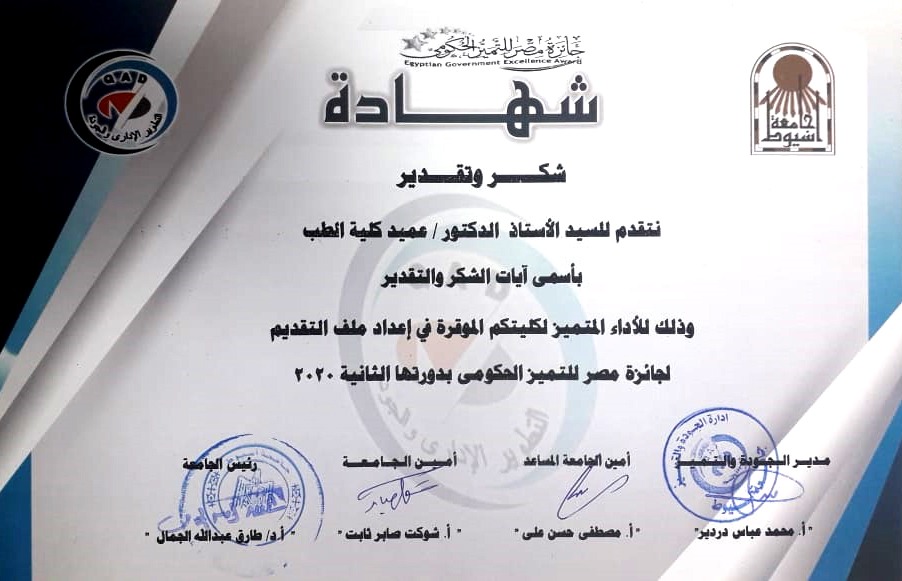
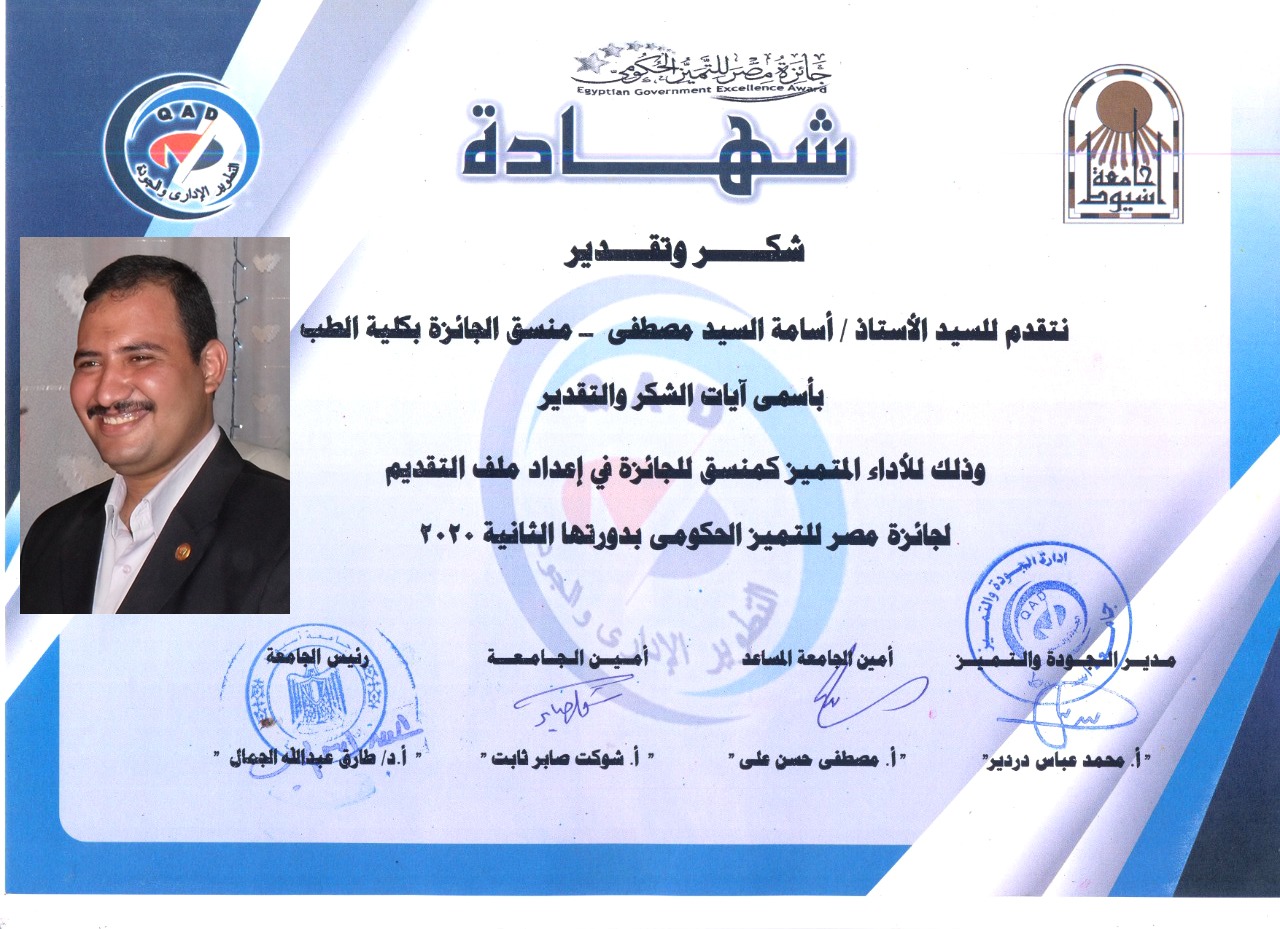
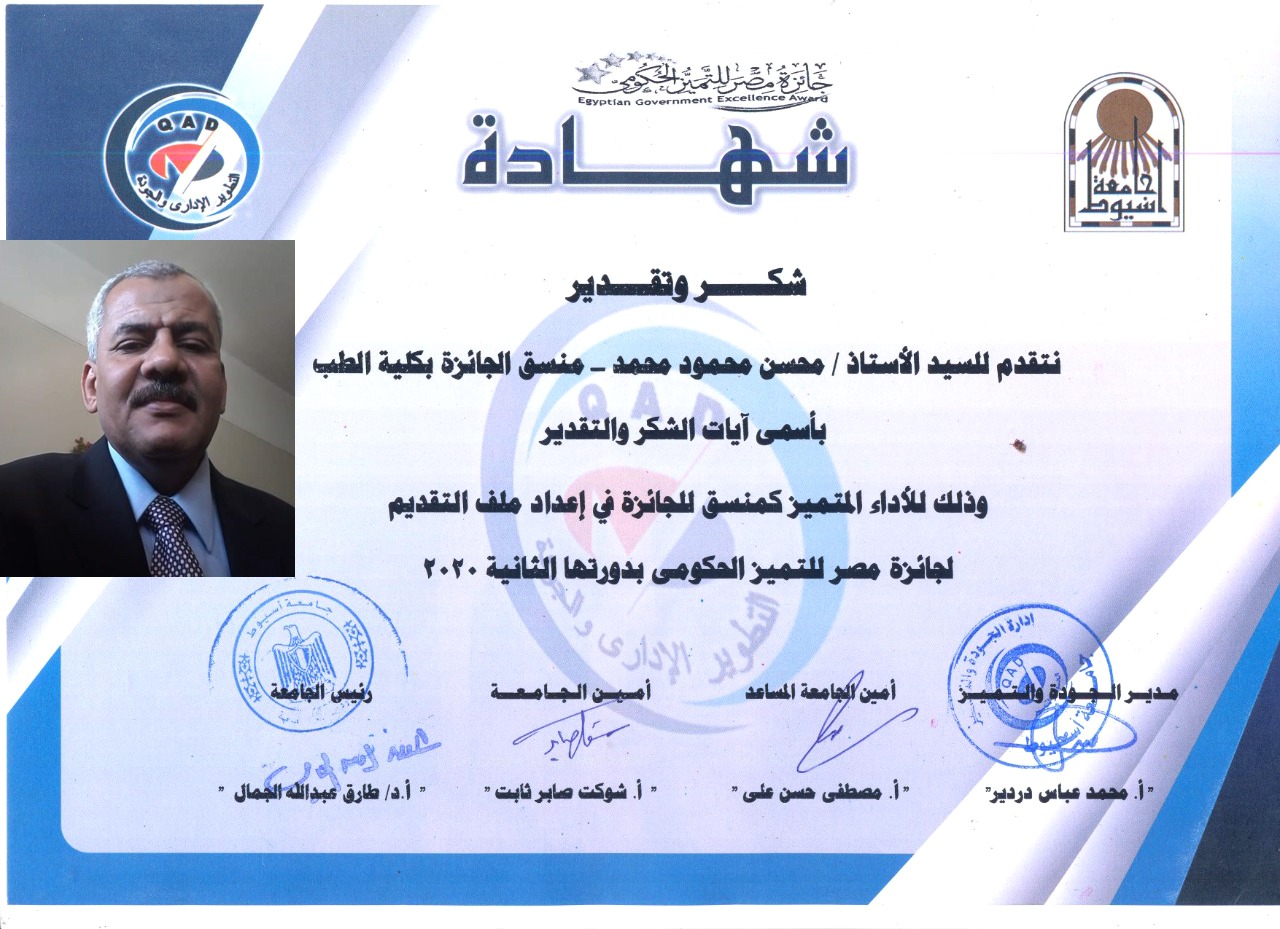
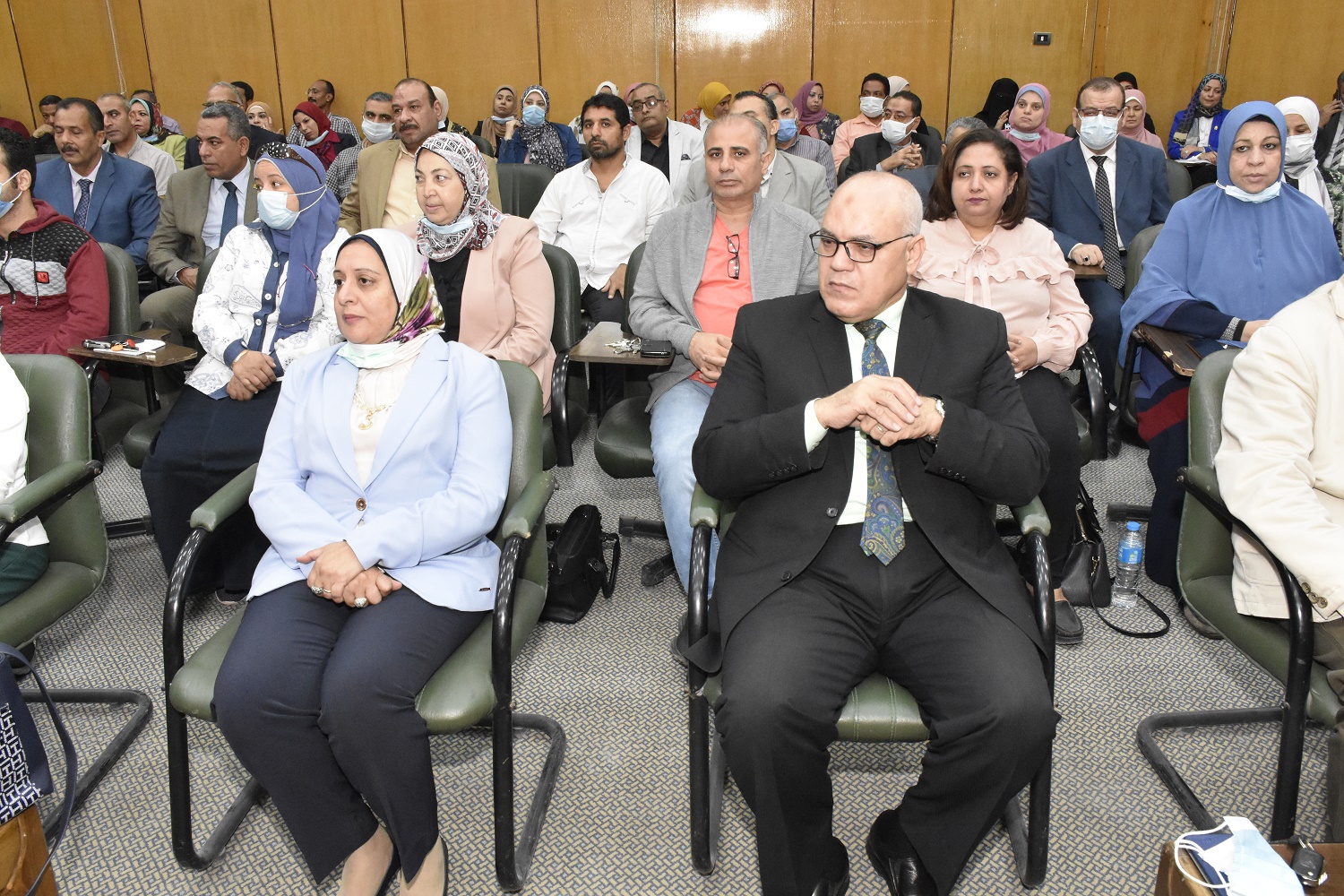
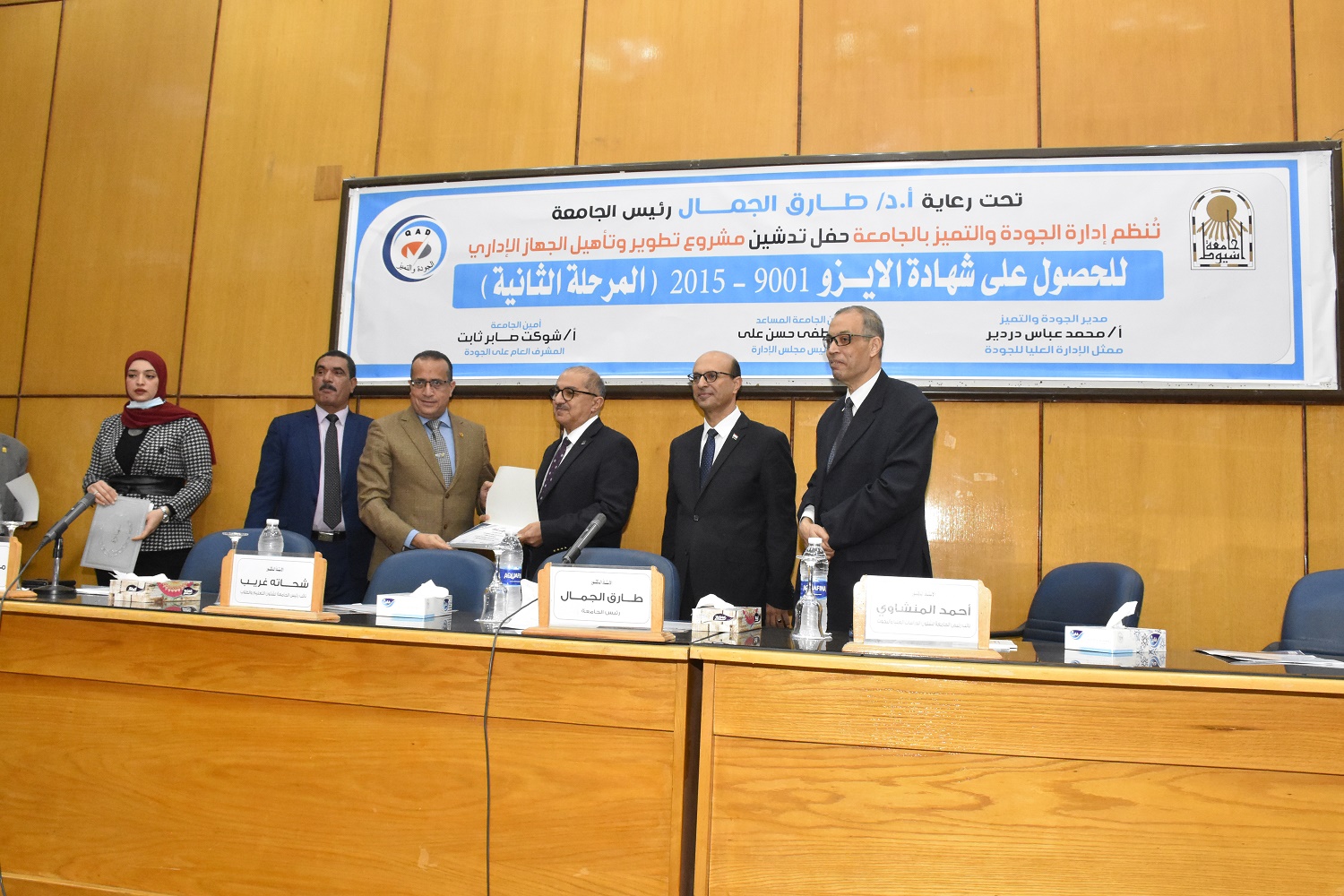
The President of the University honors the Dean of the Faculty of Medicine, and the coordinators of the Egypt Award for Governmental Excellence for the second session for the year 2021 AD

The President of the University honors the Dean of the Faculty of Medicine, and the coordinators of the Egypt Award for Governmental Excellence for the second session for the year 2021 AD

010203

237

C-Reactive Protein and Antistreptolysin O Titer in Acute Myocardial Infarction.

Research Authors
Mahmoud K. Farrag , Nadia Selim , Mahmoud El-Tahtawy , Sahar Saoud
Research Date
Research Department
Research Journal
The Egyptian Heart Journal
Research Pages
637-647
Research Publisher
Egyptian Heart Journal
Research Vol
55 (4)
Research Year
2003
Subscribe to