Understanding the pathogenesis and the molecular mechanisms of diabetic nephropathy (DN) helps its timely detection and prevention. The current work aims tomeasure serum sestrin 2 and betatrophin levels in healthy and type diabetic (T2DM)subjects with/or without diabetic nephropathy (DN) and also to test their correlation with serum neutrophil gelatinase associated lipocalin (sNGAL); indicator of DN.
This study included 96 subjects; 20 healthy (G1) and 76 T2DM [22 normoalbuminuric (G2), 35 microalbuminuric (G3) and 19 macroalbuminuric (G4)]. Serum sestrin 2, betatrophin and NGAL were measured by their corresponding kits.
Significant low levels of serum sestrin 2 andhigh levels of serum betatrophin were found in T2DM group when compared to G1 (p = 0.002,p > 0.001, respectively) and this difference is manifested in G4 followed, in order, by G3, G2 then G1 (p= > 0.001 for both). Also, serum sestrin2 levels showed significant negative correlations with sNGAL in G1 (r = −0.497, p = 0.026), G2 (r = −0.784, p > 0.001), G3 (r = −0.894, p > 0.001) and G4 (r = −0.896, pp. > 0.001) while serum betatrophin levels showed significant positive correlations with sNGAL in G2 (r = 0.681, p > 0.001), G3 (r = 0.518, p > 0.001) and G4 (r = 0.727, p > 0.001).
Serum sestrin 2 levels decrease significantly while betatrophin levels increase significantly in T2DM patients with DN especially those with macroalbuminuria. These levels have significant effect strengths on the indicator of diabetic nephropathy; sNGAL which might indicate their valuable role in the timely detection and prevention of the development of DN.
Background: Oxidative stress, lipid profile and renal functions are well-known conventional risk factors for diabetes mellitus (DM). Metformin and gliclazide are popularly used monotherapy drugs for the treatment of DM. Aims: This study aims to assess the short-term treatment of single and dual therapy of glipizide/metformin on oxidative stress, glycemic control, serum lipid profiles and renal function in diabetic rats. Methods: DM was induced in rats with streptozotocin (STZ), then five different treatments were applied, including group I (untreated healthy control), group II (diabetic and untreated), group III (diabetic and treated with metformin), group IVI (diabetic and treated with glipizide) and group V (diabetic and treated with a combination of metformin and glipizide. Lipid peroxidation (LPO), nitric oxide (NO), total antioxidant capacity (TAC), fasting blood glucose (FBG), glycated hemoglobin (HbA1c), total cholesterol, triglycerides, high-density lipoprotein (HDL), low-density lipoprotein (LDL), creatinine and urea were measured. Results: Compared to the untreated DM group, FBG and HbA1c were significantly reduced in the DM groups (p < 0.01) treated with metformin (159.7 mg/dL & 6.7%), glipizide (184.3 mg/dL & 7.3%) and dual therapy (118 mg/dL & 5.2%), respectively. Treatment with dual therapy and metformin significantly decreased LPO and NO levels but increased TAC in diabetic rats more than glipizide compared to untreated diabetic rats. Furthermore, metformin (19.8 mg/dL, p < 0.001), glipizide (22.7 mg/dL, p < 0.001), and dual therapy (25.7 mg/dL, p < 0.001) significantly decreased urea levels in the treated rats compared to untreated DM rats (32.2 mg/dL). Both drugs and their combination exhibited a substantial effect on total cholesterol, HDL, LDL and atherogenic index. Conclusions: These results suggest that the therapeutic benefits of metformin and glipizide are complementary. Metformin exhibited superior performance in improving glycemic control and decreasing oxidative stress, while glipizide was more effective against dyslipidemia. These findings could be helpful for the treatment of future vascular patients, antilipidemic medicines and antioxidant therapy to improve the quality of life.
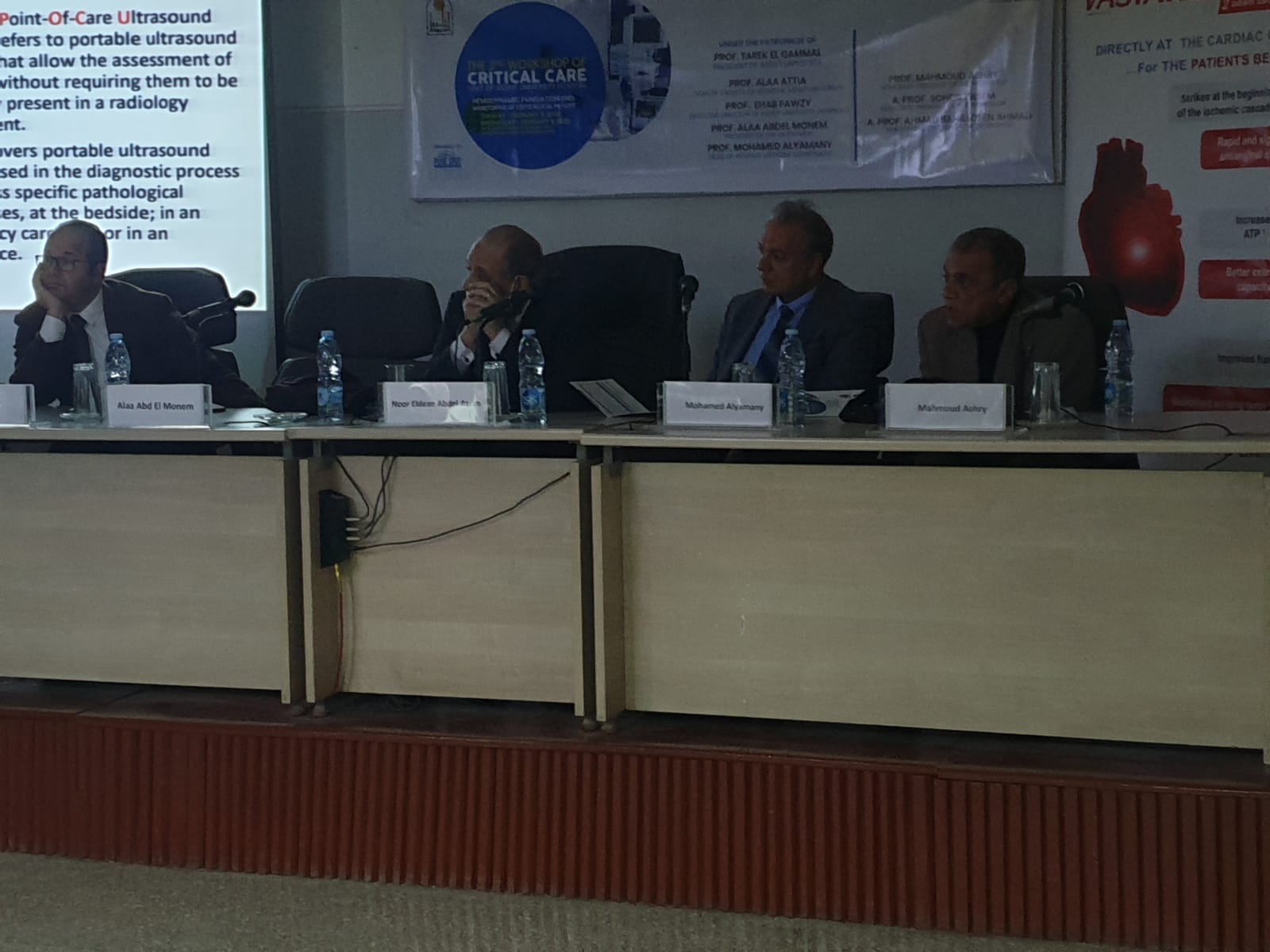
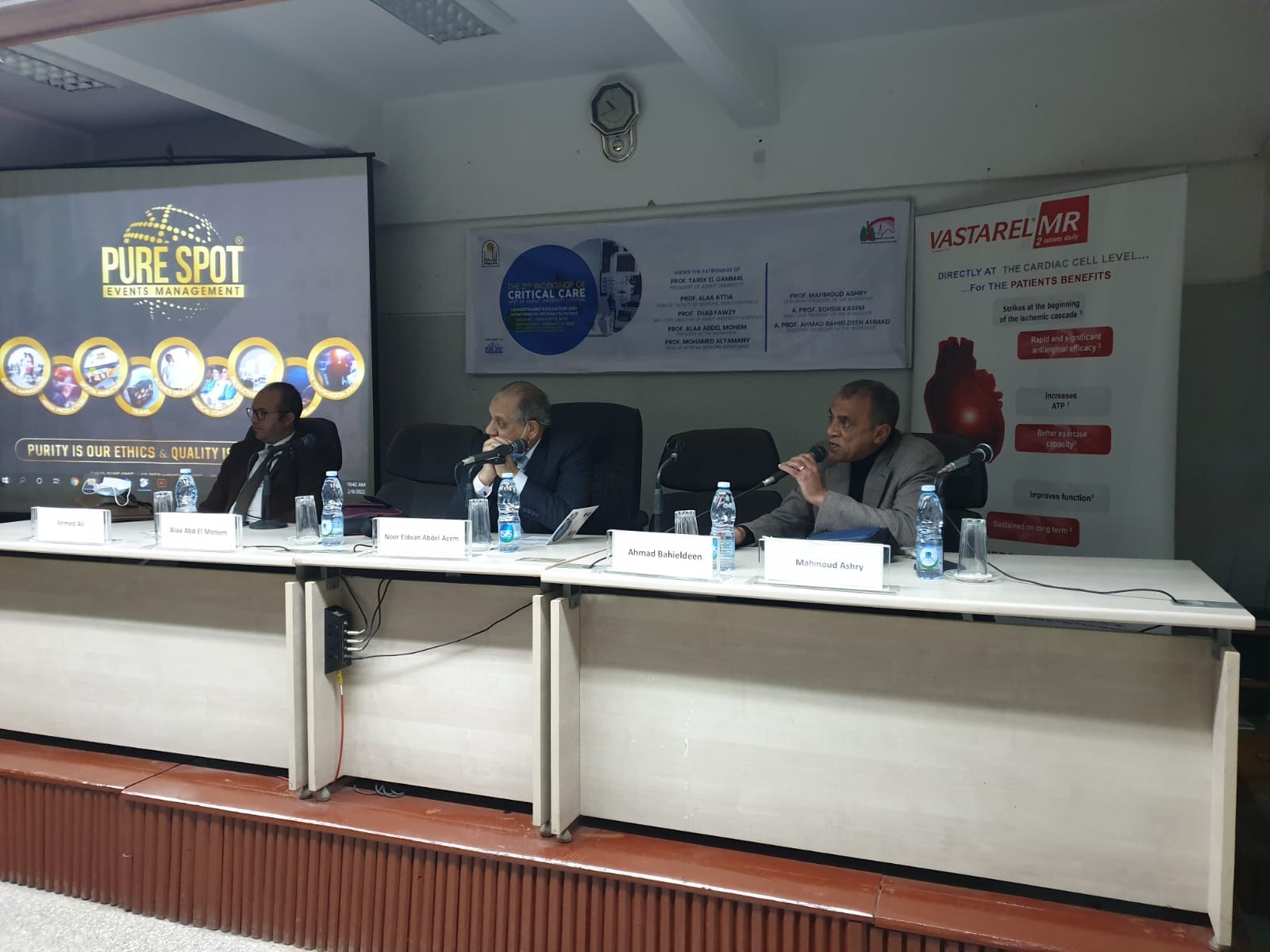
تحت رعاية
ا. د/طارق الجمال رئيس الجامعة
ا. د/ علاء عطية عميد كلية الطب ورئيس مجلس إدارة المستشفيات الجامعية
ا. د/ إيهاب فوزي المدير التنفيذي للمستشفيات الجامعية
ا. د/علاء الدين عبد المنعم مدير المستشفى الرئيسي
ا. د/ محمد اليمني رئيس قسم الباطنة العامة
ا. د/محمود عشري رئيس وحدة الحالات الحرجة
د/ سهير قاسم. استاذ م باطنه ومنظم الورشة
د/ أحمد بهي الدين استاذ م باطنه ومنظم الورشة
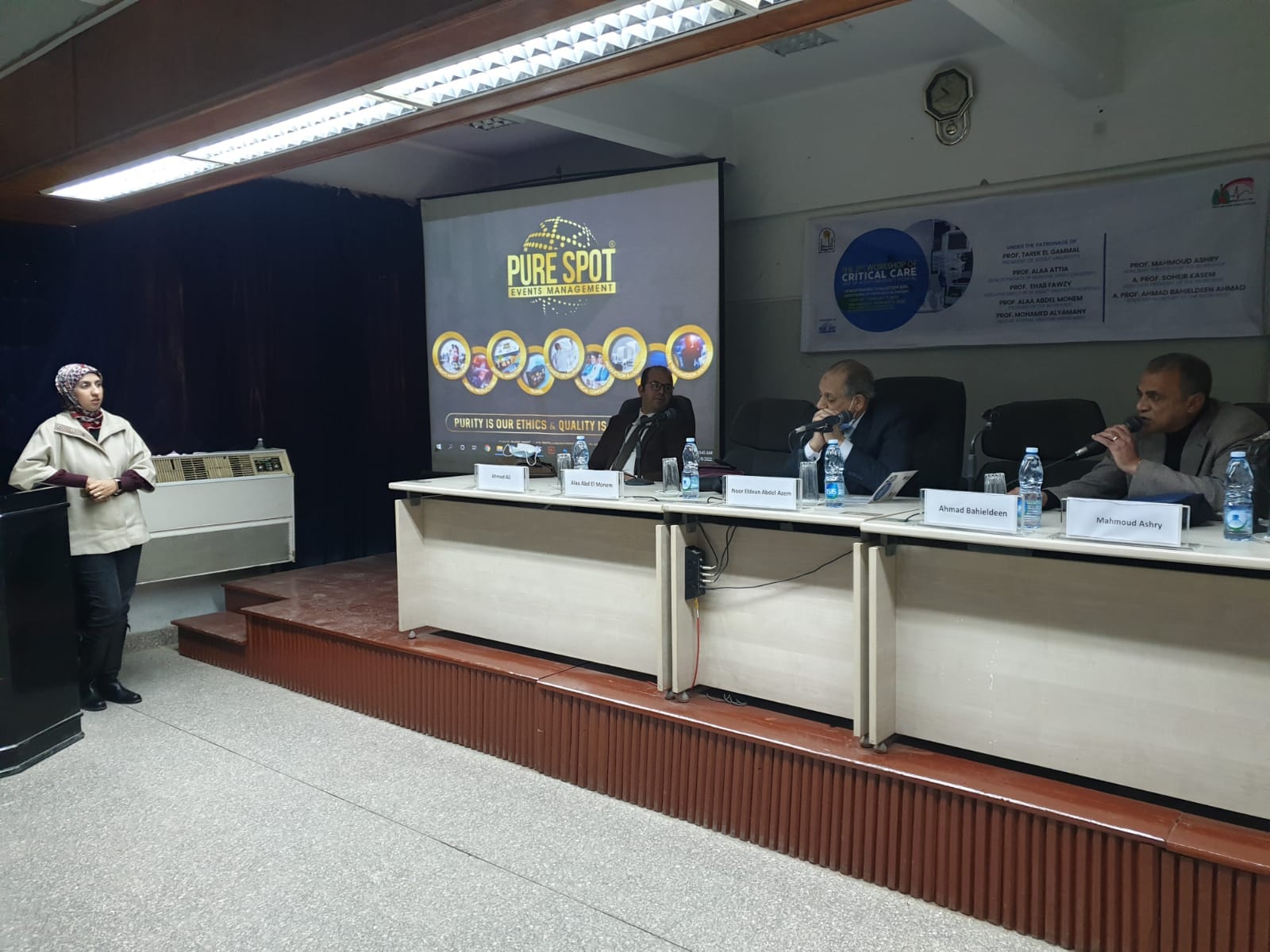
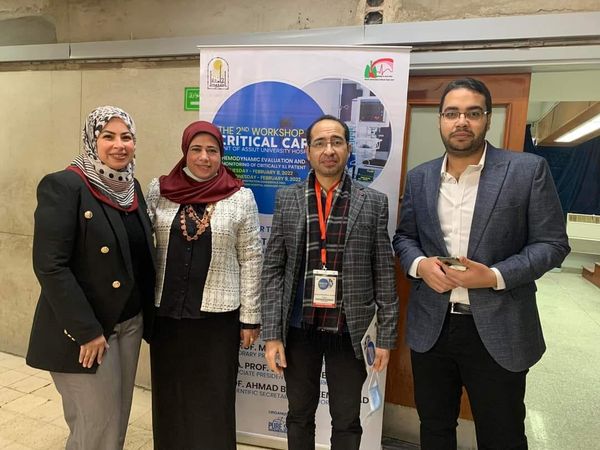
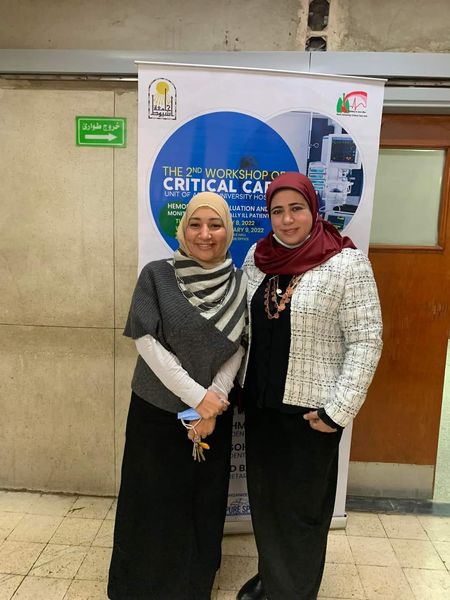
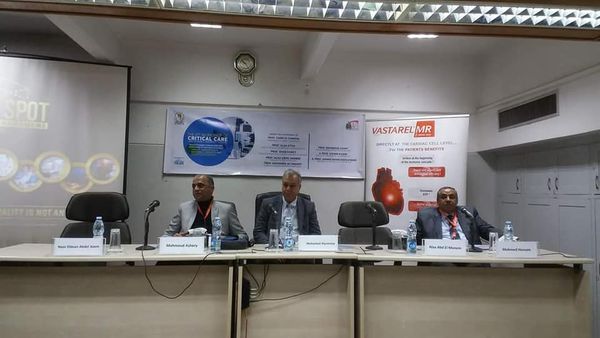
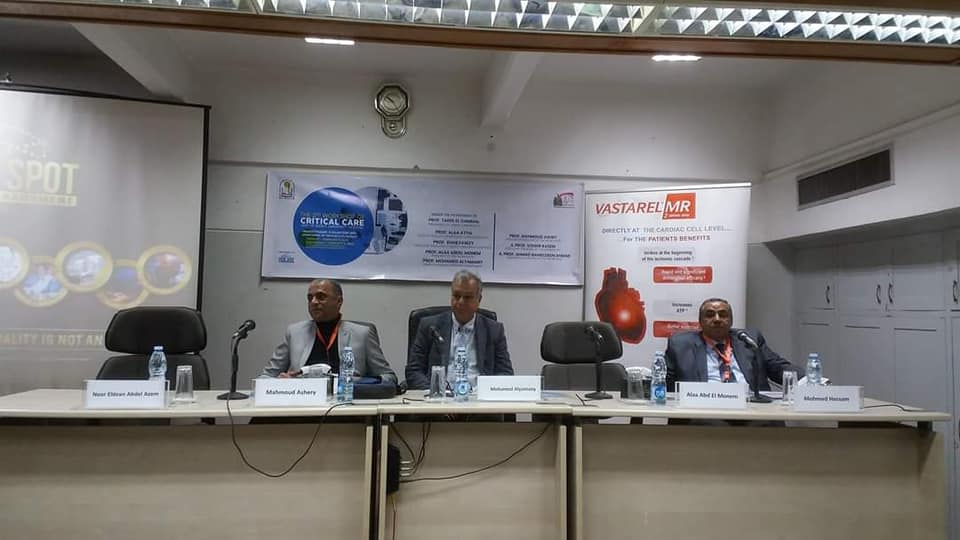
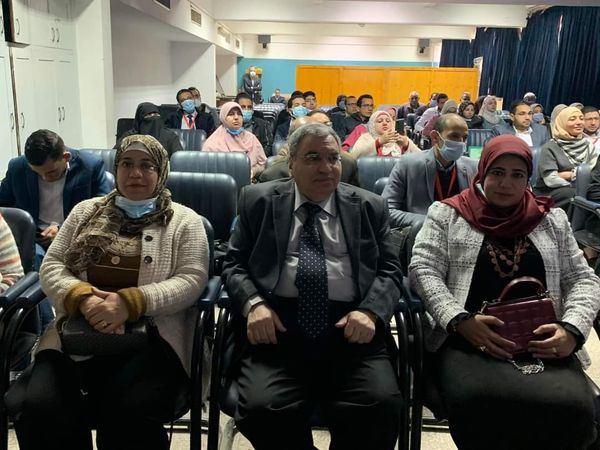
ورشة عمل حول ديناميكية الدم
يومي ٨_٩ فبراير
وحدة الحالات الحرجة بقسم الامراض الباطنة
بمشاركة قسم التخدير وقسم الصدر
والمستشفيات التابعة لوزارة الصحة
تعد ورشة العمل هذه من اهم الورش التى تتناول تقييم ديناميكيه الدورة الدمويه فى مرضى الحالات الحرجة سواء اكلينيكيا او باستخدام أجهزة السونار والايكو.