Announcement of the start of application for the US Embassy scholarship to spend half an academic year in America under the name "Global Student Exchange Program"
جامعة أسيوط تعلن عن بدء التقديم في منحة السفارة الأمريكية لقضاء نصف عام دراسي بأمريكا تحت مسمى "البرنامج العالمي للتبادل الطلابي"
إدارة الإعلام:
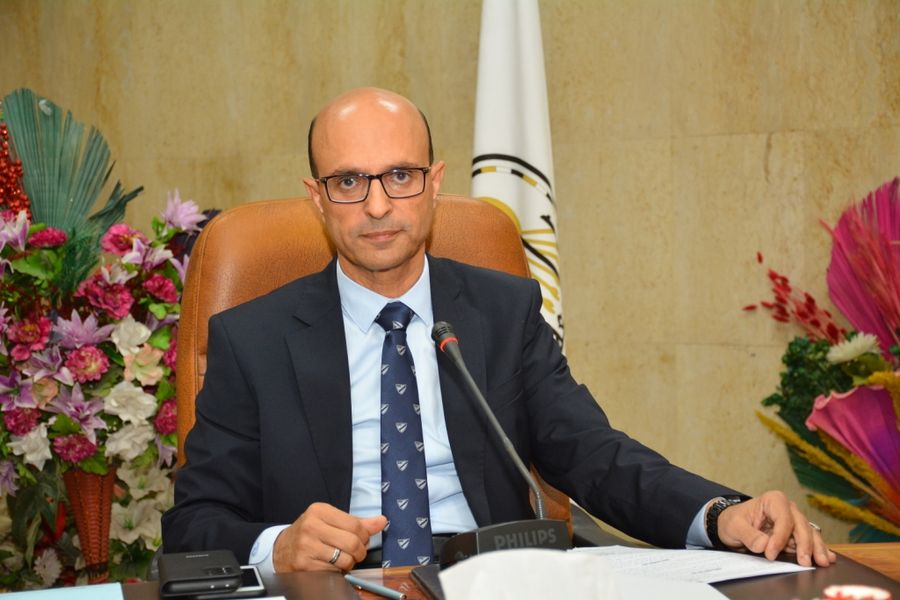
أكد الدكتور أحمد المنشاوي القائم بعمل رئيس جامعة أسيوط، على حرص إدارة الجامعة على التعاون مع مختلف الهيئات والمؤسسات العلمية والبحثية المحلية والدولية في سبيل تطوير الخدمات التعليمية والبحثية التي تقدمها لطلابها وباحثيها في مختلف المجالات بما يعمل علي تعزيز مهاراتهم علمياً وعملياً خاصةً من خلال التعرف على مختلف الثقافات العالمية، وهو ما يعمل بدوره على تطوير الخدمات التي يقدمها أبناء الجامعة للمجتمع.
جاء ذلك تعقيباً على إعلان الدكتور أحمد عبد المولى القائم بعمل نائب رئيس الجامعة لشئون التعليم والطلاب عن بدء التقديم في برنامج السفارة الأمريكية بالقاهرة تحت مسمى "البرنامج العالمي للتبادل الطلابي"
(Global Undergraduate Exchange Program – Global UGRAD)
والذي يستهدف الطلاب الدارسين بالجامعات المصرية العامة والخاصة بهدف تعميق فهمهم لمجتمع الولايات المتحدة وثقافتها ومؤسساتها الأكاديمية بما يعزز من مهاراتهم المهنية، حيث سيدرس المشاركون، الدورات الدراسية الجامعية وغير الجامعية من مناهج المؤسسة المضيفة، فضلاً عن مقرراً معتمداً لتعزيز معرفتهم بالولايات المتحدة، كما سيقيمون في مرافق سكنية في الحرم الجامعي مع نظرائهم الأمريكيين، وسيطلب منهم المشاركة في 20 ساعة من الخدمة المجتمعية.
وأضاف الدكتور جمال بدر منسق مكتب العلاقات الدولية أن من شروط التقدم للحصول على إحدى هذه المنح أن يكون المتقدم مصري الجنسية وأن يجيد اللغة الإنجليزية تحدثاً وكتابةً وألا يكون له خبرة سابقة بالولايات المتحدة الأمريكية، مشيراً إلى أن آخر موعد للتقديم هو 15/12/2022م وذلك من خلال الرابط:
ا. د/ مها كامل غانم نائب رئيس الجامعة لشئون خدمة المجتمع وتنمية البيئة
ا. د/ علاء عطية عميد كلية الطب ورئيس مجلس إدارة المستشفيات الجامعية
ا. د/ سماح محمد عبدالله عميد كلية التمويض
ا. د/ سعد زكي محمود وكيل الكلية لشئون خدمة المجتمع وتنمية البيئة
ا. د/ مرفت علي خميس وكيل الكلية لشئون خدمة المجتمع وتنمية البيئة
ويحاضر في الندوة كل من
ا. د/ عاطف فاروق القرن. _استاذ امراض الصدر
د/ حنان عزوز _مدرس تمريض الاطفال.
والندوة في إطار مبادرة "جامعة اسيوط مستقبلنا الاخضر" التي اطلقها الاستاذ الدكتور احمد المنشاوي القيام بأعمال رئيس الجامعة في بداية الشهر الجاري وتستمر حتى نهاية الشهر، وذلك تزامناً مع مؤتمر التغيرات المناخية المنعقد حالياً بشرم الشيخ.
اكدت الاستاذة الدكتورة مها كامل غانم حرص إدارة الجامعة علي القيام بدورها المجتمعي بضرورة تفعيل المشاركة المجتمعية الهادفة الي مواجهة التغيرات المناخية والإحتباس الحراري. تسعي الجامعة لتسخير إمكانياتها العلمية والبحثية لخدمة هذه القضية.
حيث إن التنمية المستدامة والعمل المناخي مرتبطان، وكلاهما ضروري لرفاهية البشرية في الحاضر والمستقبل.
من جانبه أعرب الاستاذ الدكتور علاء عطية عن سعادته لمشاركة الكلية إحتفالية "جامعة أسيوط ومستقبلنا الأخضر" مع كلية التمريض الذي يأتي تماشياً مع مبادرة إتحضر للأخضر و هى أول مبادرة بيئية فى تاريخ مصر ؛ وتأتى المبادرة فى إطار الاستراتيجية القومية للتنمية المستدامة "مصر ٢٠٣٠ وتستهدف تغيير السلوكيات ونشر الوعى البيئى وحث المواطنين - وخصوصًا الشباب - على المشاركة فى الحفاظ على البيئة والموارد الطبيعية لضمان استدامتها حفاظًا على حقوق الأجيال القادمة.
وأوضحت الدكتورة سماح محمد عبدالله أن ظاهرة المناخ هي أهم القضايا المطروحة على مائدة المناقشة في كل دول العالم وذلك في ظل ما يمكن أن يترتب عليها من تغيرات خطيرة تهدد مستقبل البشر كافة على الأرض، وأثر التغيرات المناخية على الإنسان وصحته وعلى المجتمعات السكانية.
اضاف الاستاذ الدكتور سعد زكي أن التغيرات المناخية تعد القضية الحاسمة في عصرنا الحالي والتحدي الذي يعيشه العالم، و ناقوس خطر يهدد الحياة البشرية على كوكب الأرض فلابد من توعية الأفراد لخطورة تلك التغيرات.
واكد علي ضرورة أن تبدأ بنفسك أولًا، بنشر التوعية لمن حولك بخطورتها لنضمن حياة كريمة ومستقبل أمن، ولنقضي على الخطر الذي يهدد حياتنا
وتناقش الندوة:
ظاهرة التغيير المناخي
اثار وعواقب التغيرات المناخية.
كيف يؤثر الخلل المناخي علي الصحة العامة.
وذلك بحضور لفيف من السادة اعضاء هيئة التدريس بكلية التمريض والطب والعاملين والطلاب.
 Do you have any questions?

 ظاهرة التغيير المناخي