Do you have any questions?

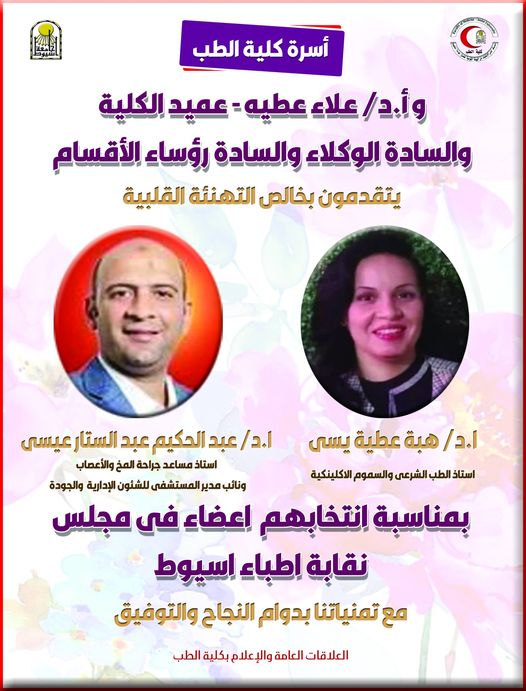
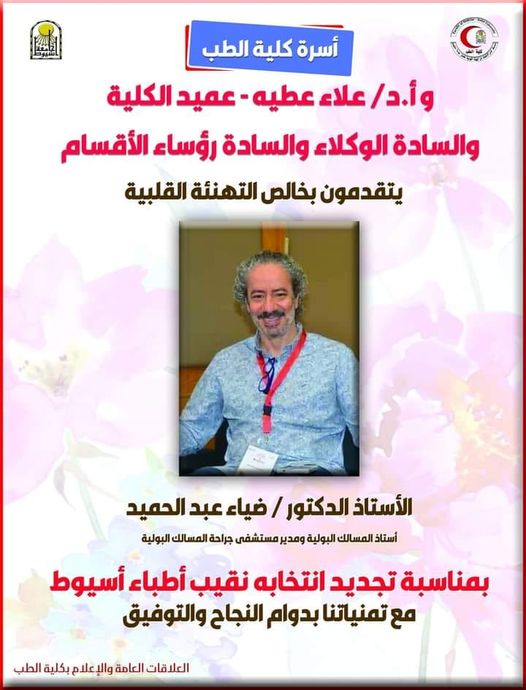
Congratulations to Professor Dr. Heba Attia Issa and Professor Dr. Abdel Hakim Abdel Sattar Issa

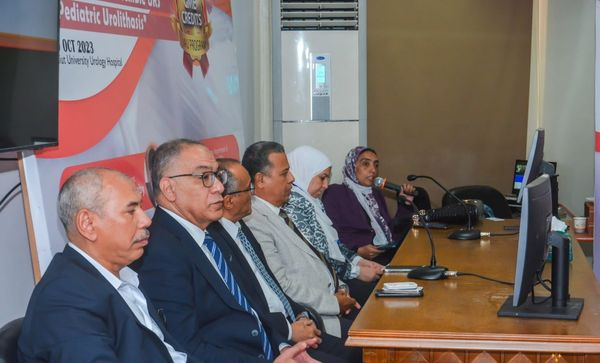
 اسباب تكون الحصوات لدى الأطفال هل اسباب تكوينها وراثي هل الاخرون معرضون للإصابة.انواع الحصوات وطرق تشخيصها مخاطر التخدير أثناء الاشعة التشخيصية. هل الافضل ترك الحصوات وما المضاعفات المحتملة عند تركها.طرق علاج الحصوات.العلاج الدوائي للحصوات ومدى تأثيره في الأطفال.التخدير أثناء التداهلات المختلفة علي الحصواتالطرق الممكنة لمنع تكوين الحصوات مرة اخرى
The effect of adding alpha lipoic acid (ALA) to pulsed radiofrequency (PRF) for treatment of lumbar-sacral pain was evaluated.
to evaluate the effect of using ALA as an adjuvant therapy with PRF for treatment of chronic lumbosacral radicular pain caused by herniated disc.
One hundred twenty patients with lumbo-sacral radicular pain allocated into 2 groups. Group I: treated with PRF at 42°C for 120 seconds. Group II: treated as in group I, plus oral ALA 600 mg (Thiotacid 600 mg, EVA PHARMA, Egypt) three times per day (1800 mg/day) for 3 weeks then 600 mg once daily for 2 weeks. The lumbo-sacral radicular pain evaluated using the numerical rating pain score and Oswestry Disability Index.
Success rate was significantly higher in group II at 3 and 6 months after intervention. The median values of the numerical rating pain score and the Oswestry Disability Index were significantly lower in group II with no significant difference in Epworth Sleepiness Scale. No major complications were reported in both groups.
The current study supports the use of ALA with PRF on the dorsal root ganglion for treating lumbosacral radicular pain.
Emergence agitation is a postoperative negative behavior that affects mainly children. We studied the effect of two different doses of dexmedetomidine on the incidence and degree of EA in children undergoing strabismus surgery.
90 patients were allocated into three equal groups; patients received 0.5 µg.kg−1 of dexmedetomidine in high Dex group, 0.25 µg.kg−1 of dexmedetomidine in low Dex group, or normal saline in the placebo group. All drugs were received with the closure of the conjunctiva before the end of the surgery. Pediatric Anesthesia Emergence Delirium (PAED) scale was used to evaluate the agitation, and Face, Legs, Activity, Cry, Consolability (FLACC) scale was used for pain assessment. Adverse effects of dexmedetomidine and recovery times were recorded.
The incidence of agitation was significantly lower in high Dex group compared to other groups and it was significantly lower in low Dex group compared to placebo group. The median (range) of FLACC score was significantly lower in both Dex groups compared to placebo group. Recovery times; time from removal of laryngeal mask to eye opening and time stay in post anesthesia care unit was significantly longer in high Dex group compared to other groups. No significant bradycardia or hypotension was recorded. Recovery time was significantly longer in high Dex group compared to the other two groups.
Dexmedetomidine (0.5 µg.kg−1) before emergence from general anesthesia resulted in a reduction in the incidence of emergence agitation compared to a dexmedetomidine (0.25 µg.kg−1) but on the expense of recovery times without adverse effects.
Between 25 and 40% of extubated patients with traumatic brain injury (TBI) in the intensive care unit at our hospital (Assiut University Hospital–Assiut–Egypt) require reintubation. This reflects the importance of developing better criteria for predicting successful extubation in TBI. We evaluated the accuracy of semi-quantitative cough strength score (SCSS) and Glasgow coma scale (GCS) in predicting extubation outcomes in TBI.
This prospective observational study included patients (18–65 years), with TBI on mechanical ventilation more than 24 h who were ready to be weaned off. Three tools were used. Tool I: Patient assessment sheet, this tool used to assess socio-demographic and clinical data of patients. Tool II: Semi-quantitative cough strength score (0–5). Tool III: Factors affecting successful extubation, this tool used to confirm the presence or absence of factors that can interfere with the results of extubation outcomes. After extubation, patient was followed up for 72 h to check for extubation success. Multivariate logistic binary regression test was used to calculate odds ratio for different clinical data collected before extubation as independent factors and successful extubation as a dependent factor.
Among 80 patients of mean age 40.6 (± 16.1), 34% were female, median admission GCS was 8 (4–13), extubation occurred on mean post-injury day 6.5 (± 4), and 46.3% required reintubation. Successfully extubated patients had higher semi-quantitative cough scores and GCS. 81.3% patients with SCSS 5 were successfully extubated, while all patients with SCSS 0 were reintubated. All patients with GCS 15 were successfully extubated, and all patients with GCS < 12 required intubation.
SCSS has shown promise in predicting successful extubation in TBI.