Research Abstract
ABSTRACT
Pigeons (Columba livia) are closely related to humans and serve various purposes as birds. Both domestic and racing pigeon (Columba livia) populations are vulnerable to several protozoal infections that pose health challenges to the pigeons and may impact public health. Therefore, this study aimed to investigate the prevalence, biodiversity, and effects of protozoan infections in domestic and racing pigeons in Assiut Governorate, focusing on zoonotic infections. A total of 140 clinically ill pigeons, comprising 92 domestic and 48 racing pigeons of varying ages, were examined for gastrointestinal, blood, and tissue protozoal infections from February 2023 to April 2024. The birds were necropsied and examined for gastrointestinal, blood, and tissue protozoal infections. The overall protozoal infection rate was 98.6% among the examined pigeons, which was higher in racing pigeons at 100%, compared to 97.8% in domestic pigeons. Additionally, the prevalence varied slightly with climate and age, showing higher rates in colder climates and among squabs. The commonly observed protozoan was Trichomonas sp., found in 90% of the samples (126 out of 140), followed by Cryptosporidium sp. at 48.6% (68/140), Atoxoplasma at 37.1% (52/140), and Haemoproteus at 34.3% (49/140). Leucocytozoon had a prevalence of 14.3% (20/140), while both Toxoplasma and Ehrlichia had the same prevalence of 12.9% (18/140). Aegyptianella was found in 11.4% (16/140) of samples. Microsporidia had a prevalence of 7.1% (10/140), and Eimeria and Plasmodium each had a prevalence of 5.7% (8/140). The least frequently observed protozoan was Cyclospora, found in 2.9% of the samples (4/140). This research highlights the prevalence and diversity of protozoal infections in pigeons and the public health risks associated with some protozoa's zoonotic nature. This emphasizes the need for targeted control measures to reduce the impact of these parasites on pigeon health.
Keywords: Pigeon, Race, Domestic, Zoonotic protozoa, Toxoplasma, Trichomonas sp., Cryptosporidium, Atoxoplasma, and Haemoproteus, Agyptenella, Leucocytozoan sp., Plasmodium sp
 Do you have any questions?

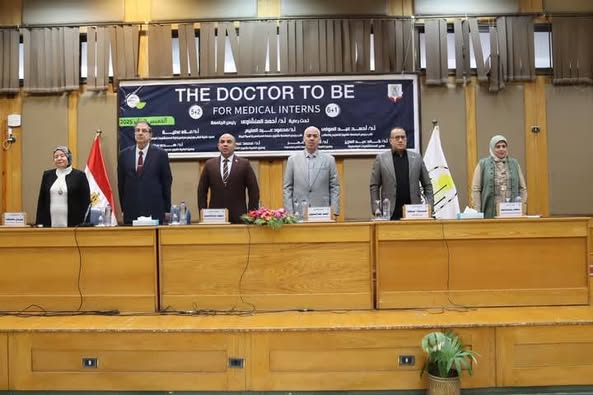
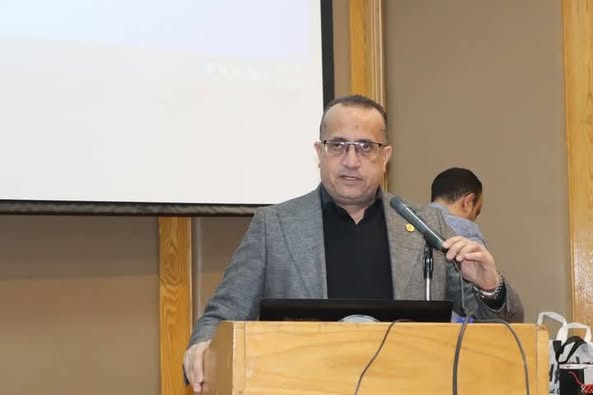
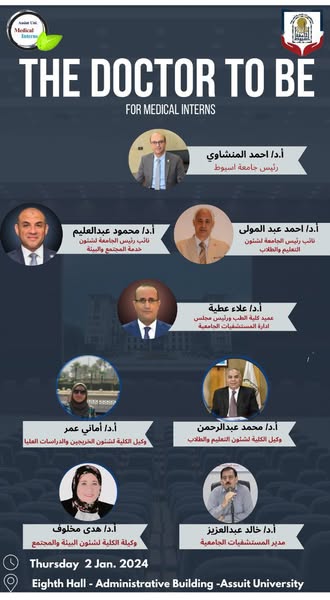
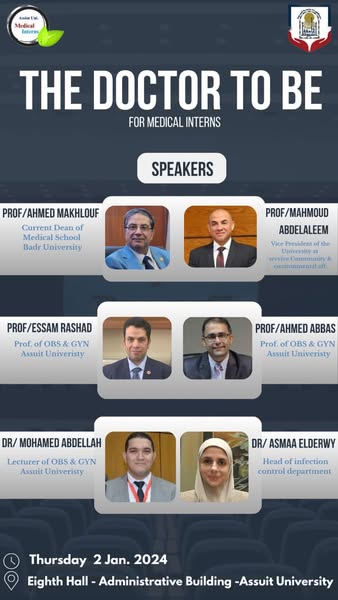
 محاضرة الاستاذ الدكتور محمود عبدالعليم عن تقديم الرعاية الطبية؛ بكفاءة واحترام، ودورها في تعزيز العلاقة بين الطبيب، والمريض، وترسيخ القيم الإنسانية في المجال الطبي"؛ حيث تحدث فيه عن؛ العلاقة بين الطبيب، والمريض.