Do you have any questions?

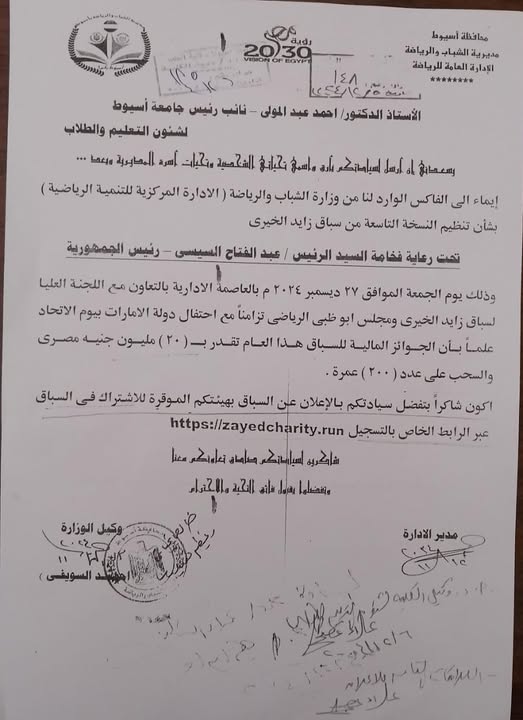
Youth sponsorship advertisement - for running enthusiasts
Background: Newly designed COVID-19 vaccines were approved and administrated worldwide. However,
the interaction between parasitic infections and COVID-19 vaccines and their efficacy is still obscure.
Objective: To correlate cytokines (TNF-α and IL-4) levels with COVID-19 vaccine administration in
patients with concomitant parasitic infections. A secondary objective is to assess the impact of parasitic
infections on COVID-19 efficacy.
Subjects and Methods: The study included 128 patients divided into 2 groups according to an answered
questionnaire, and routine laboratory investigations (stool, urine and blood film examination). Both
groups included vaccinated (received full doses of COVID-19 vaccine within 6 months of sample collection),
and non-vaccinated. A third matching group was recruited as control apparently health participants, i.e.,
neither parasitic infected nor received COVID-19 vaccines. Molecular detection of cytokines (TNF-α, and
IL-4) gene expression was performed for all study samples using real-time PCR.
Results: In comparison to the control group, there was up-regulation of TNF-α in patients with parasitic
infection, whether vaccinated or not. According to parasitism, IL-4 showed different gene expression.
In case of helminthic infections, it was up regulated in non-vaccinated patients, and down regulated in
vaccinated patients. Meanwhile, it was down regulated in patients with protozoal infections whether
vaccinated or not.
Conclusion: COVID-19 vaccinated patients with concomitant helminthic infections are susceptible to
reduced vaccine efficacy. Generally speaking, parasitism however, could provoke cytokine storm syndrome
ABSTRACT
Cats, as widely embraced companions in various settings, are at risk of significant health threats due to gastrointestinal infections. The current study investigates the prevalence of gastrointestinal parasitic infection in domestic cats from Tahta, Sohag Governorate, Egypt. Two hundred fecal samples were collected and examined using various techniques: direct smear examination, simple sedimentation, formal ether sedimentation, and flotation with Sheather's solution. The flotation method demonstrated the highest efficacy in isolating Toxocara spp. eggs and protozoan oocysts. The findings reveal a significant prevalence of gastrointestinal parasitic infections, with 71% of the cats examined carrying at least one species of parasite. The most frequently identified parasite was Toxocara leonine (47.5%), followed by Toxocara cati (10%) and mixed infections of both species (6.5%). Other less prevalent parasites included hookworm eggs (2%), Giardia spp. (2%), Cryptosporidium spp. (1%), Entamoeba spp. (1%), and Mite infections (1%). Notably, embryonation of Toxocara spp. eggs was achieved using a 0.01% sodium bicarbonate solution, resulting in embryonation of 60% of incubated eggs. The prevalence of parasitic infections showed no significant variation based on age or gender, however, seasonal factors significantly influenced the rate of infection (P ≤ 0.05). These findings underscore the high prevalence of gastrointestinal parasites among domestic cats in Sohag Governorate, highlighting the urgent need for effective parasite control strategies to safeguard feline and public health.
ABSTRACT
Background: Although ducks are pathogen-resistant, their preferred habitat is typically a
favorable home for parasites' survival and replication, especially in tropical and subtropical areas
like Egypt. Many parasites can exploit ducks using them as ultimate and intermediate hosts.
Methods: This study screened the prevalent intestinal parasites infecting domestic ducks [Native
breed and Muscovy ducks (Cairina moschata)] and their variability in Assiut, Egypt, from April
2023 to September 2024 to study. One hundred fresh intestinal samples were collected and
examined parasitologically using a light microscope. Some coccidia-positive samples were
histopathologically examined. Results: A total prevalence of 46% parasitic infection was
detected in examined ducks, categorized into single (30%) and mixed (16%). The recognized
parasites were verified into nematodes and protozoa. Nematodes included Ascaridia galli (6%)
and Trichuris spp. (2%) while protozoa oocysts were the oocysts of Cryptosporidium (42%) and
coccidian species (10%). The discriminated coccidian was identified as Eimeria anatis, Tyzerria
spp, Eimeria mullardi, and Wenyonella anatis. The histopathological examination revealed their
destructive effect on the intestinal tissue. Conclusion: the intestinal parasitic infection of
domesticated ducks is prevalent and variable in Assiut, Egypt. The current investigation is the
first report in Assiut showing the presence of Cryptosporidium infection in ducks, which could
contribute to assessing their possible role in the dissemination of Cryptosporidium species. Some
detected parasites are damaging to the intestinal tissue which may seriously cause loss of duck's
health and the nutritive value of their meat.
Keywords: Domestic duck, intestinal parasi
Background: Atherosclerosis is modulated by inflammation and oxidative stress, which play pivotal roles in the pathogenesis of coronary artery disease (CAD), especially in young patients without traditional risk factors for atherosclerosis. In this study, we aimed to study the role of some inflammatory and oxidative stress markers in triggering ST segment elevation myocardial infarction in Egyptian young patients and the potential correlation to the severity of coronary artery lesions in the Egyptian population.
Methods: This case-control study recruited 115 premature STEMI patients (aged <45 years) and 55 age-matched healthy controls. Serum CRP, TNF-a, IL-10, and oxidative stress biomarkers [reduced glutathione, total antioxidants, L-ascorbic acid, nitric oxide (NO), and lipid peroxides] were assayed using commercially available kits and correlated with the coronary artery lesion severity, assessed by the SYNTAX score (SS). The ROC curve assessed the biomarker potential of CRP, TNF-a, IL-10, and the TNF-a/IL-10 ratio to discriminate patients from healthy controls.
Results: In our study, we found that serum CRP (38.7 ± 1.9 versus 0.8 ± 0.04 mg/L; P < 0.001), TNF-a (68.4 ± 4.7 pg/mL versus 10.8 ± 0.7 pg/mL; P < 0.001), IL-10 (11.9 ± 0.8 pg/mL versus 8.7 ± 0.4 pg/mL; P = 0.001), and TNF-a/IL-10 ratio (6.8 ± 0.5 versus 1.7 ± 0.2; P < 0.001) were significantly higher in patients compared to healthy controls. Regarding oxidative stress markers, serum T-AOC levels (25.5 ± 0.9 versus 14.9 ± 0.4 U/mL; P < 0.001), NO (10.5 ± 0.3 versus 8.1 ± 0.3 nmol/mL; P < 0.001), serum LPO levels (15.8 ± 0.4 versus 4.1 ±0.2 mmol/L; P < 0.001) and lower GSH levels (3.8 ± 0.1 mg/mL versus 5.2 ± 0.2; P < 0.001) were significantly different in patients versus controls. CRP, TNF-a, and NO levels have been significantly correlated with the severity of CAD as assessed by the SYNTAX score.
Conclusion: Inflammation and oxidative stress are pathogenically implicated in premature STEMI and correlated with the severity of CAD lesions. The investigated biomarkers can be utilized in risk stratification and are theranostically targetable.
Peritalar dislocation is treated first by a trial of closed reduction. If closed reduction fails, no further attempts should be done because soft-tissue entrapment is the cause of irreducibility. 4 Urgent intervention is mandatory to prevent skin necrosis that is caused by pressure of the dislocated talar head. After reduction, the joint usually is stable because of the fitting of the shape of the articular surfaces. Presence of instability after reduction indicates severe soft-tissue and ligamentous injury that needs repair and secured immobilization by cast or external fixator.
The incidence of Slipped capital femoral epiphysis (SCFE) after management of femoral neck fracture in pediatrics is very rare. In this case report, a nine-year-old female child sustained left sided femur neck fracture after a motor car accident. The fracture was fixed by two cannulated screws and healing with mild varus occurred after six weeks. However, progressive slippage of femoral epiphysis was observed. This was treated by subtrochanteric valgus osteotomy and fixed by tension band and Wagner technique. Better radiological and functional outcomes were obtained at the short term follow up.
Osteogenesis imperfecta (OI) patients usually sustain repeated fractures from trivial trauma and also have skeletal deformities that affect walking. The bone fragility and repeated fractures produce deformities of the long bones especially in femur and tibia. However, neck of femur (NOF) fractures in OI are rarely described.
A 11-year-old male patient known to have OI (Sillence type IV) sustained a NOF fracture after a fall. He also had proximal femoral anterolateral bowing proximally and over an intramedullary (IM) rod inserted 4 years back. He was treated by corrective osteotomy and stabilisation with an IM telescoping nail for the deformed femur and the Wagner technique for the NOF fracture. One year after operation, the patient had recovered satisfactory functional outcome with union of the NOF fracture and correction of the femoral deformity.
The method of the Wagner technique can achieve stable fixation for femoral neck fractures and introduces the least interference with concurrent telescoping nail insertion.