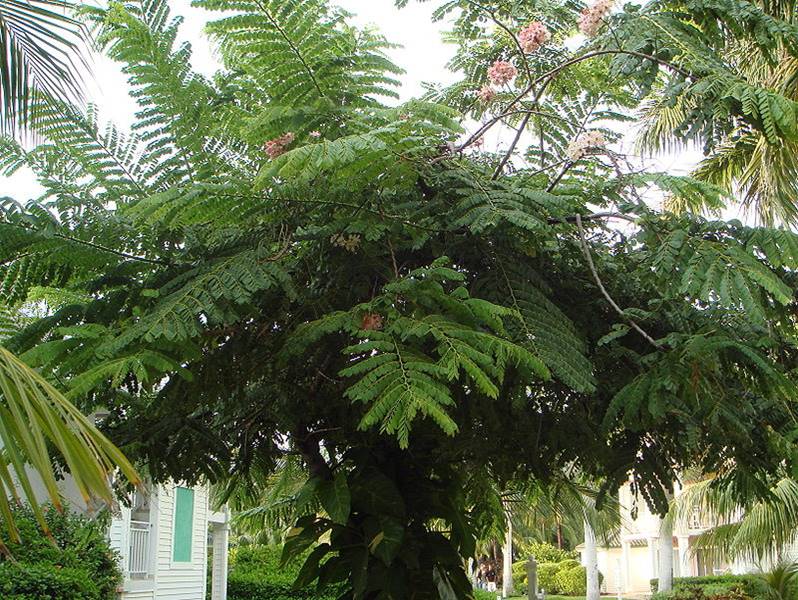
Thevetia peruviana
Faculty
العلوم
شجرة مستديمة الخضرة، تزرع لجمال أزهارها – زيت بذرة الثيفيتيا يستخدم كمضاد للفطريات، البكتيريا والمكافحة الحيوية للحشرات.
Arabic Title
ثيفيتيا
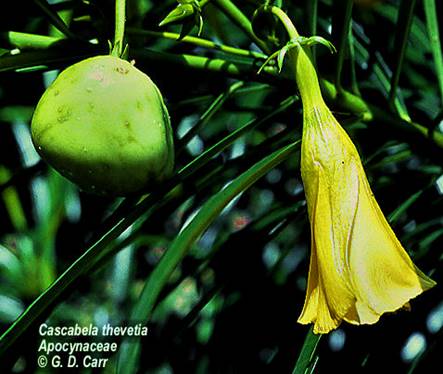

شجرة مستديمة الخضرة، تزرع لجمال أزهارها – زيت بذرة الثيفيتيا يستخدم كمضاد للفطريات، البكتيريا والمكافحة الحيوية للحشرات.
شجرة مستديمة الخضرة، تزرع للظل، خشبها يستخدم فى صناعة الأثاث الفاخر
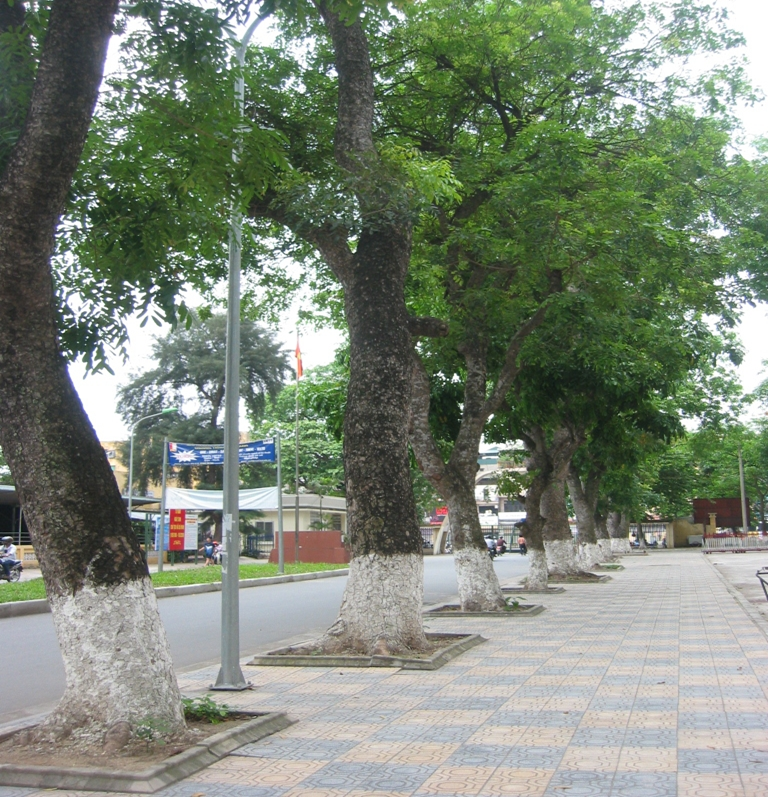
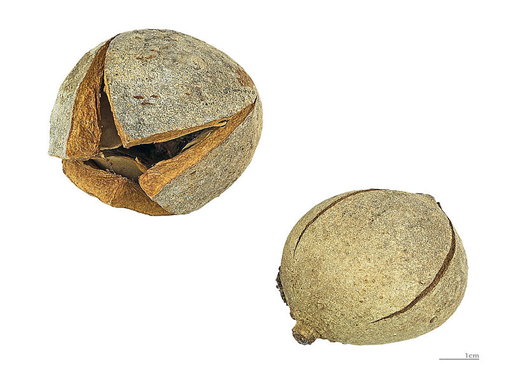

Deciduous tree, up to 25 m high. Leaves pale green, imparipinnate, with zig-zag rachis; leaflets 3-5, alternate, broadly ovate to suborbicular, entire, acuminate, terminal leaflet long-stalked. Flower pale yellow, appear in spring. Pod thin, yellowish-brown with ripe, 1-4 seeded.
The tree is native of india and was introduced into many tropical and subtropical countries.
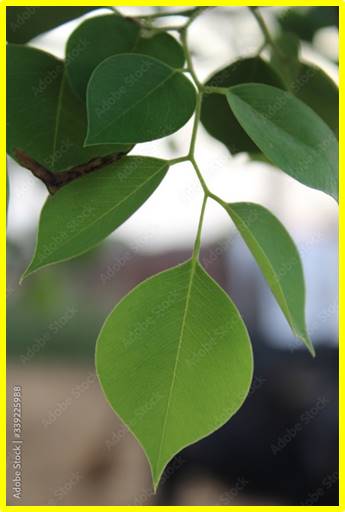
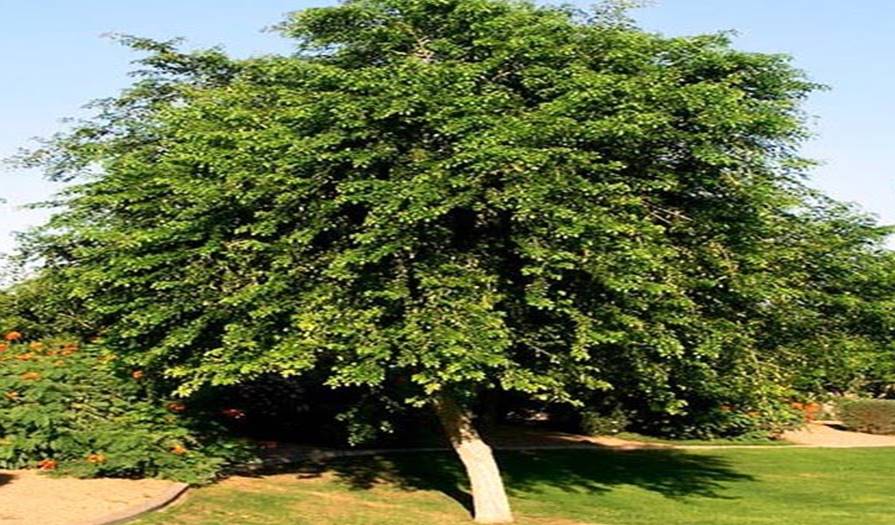

شجرة مستديمة الخضرة، عالية الإرتفاع، تستخدم كمصد للرياح، فى الأغراض الطبية.
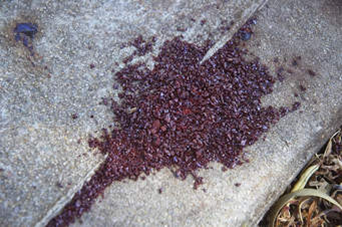
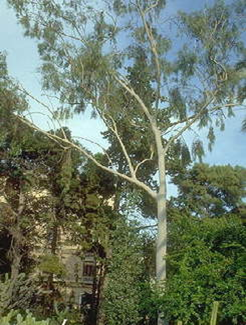

شجرة متساقطة الأوراق، تزهر على العظم، تزرع لجمال أزهارها، خشبها خفيف.
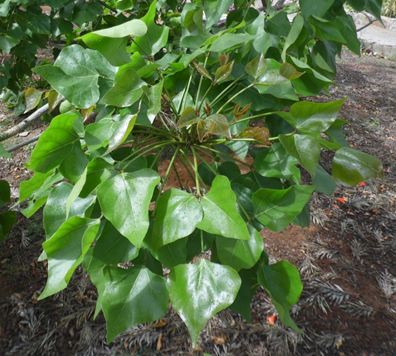
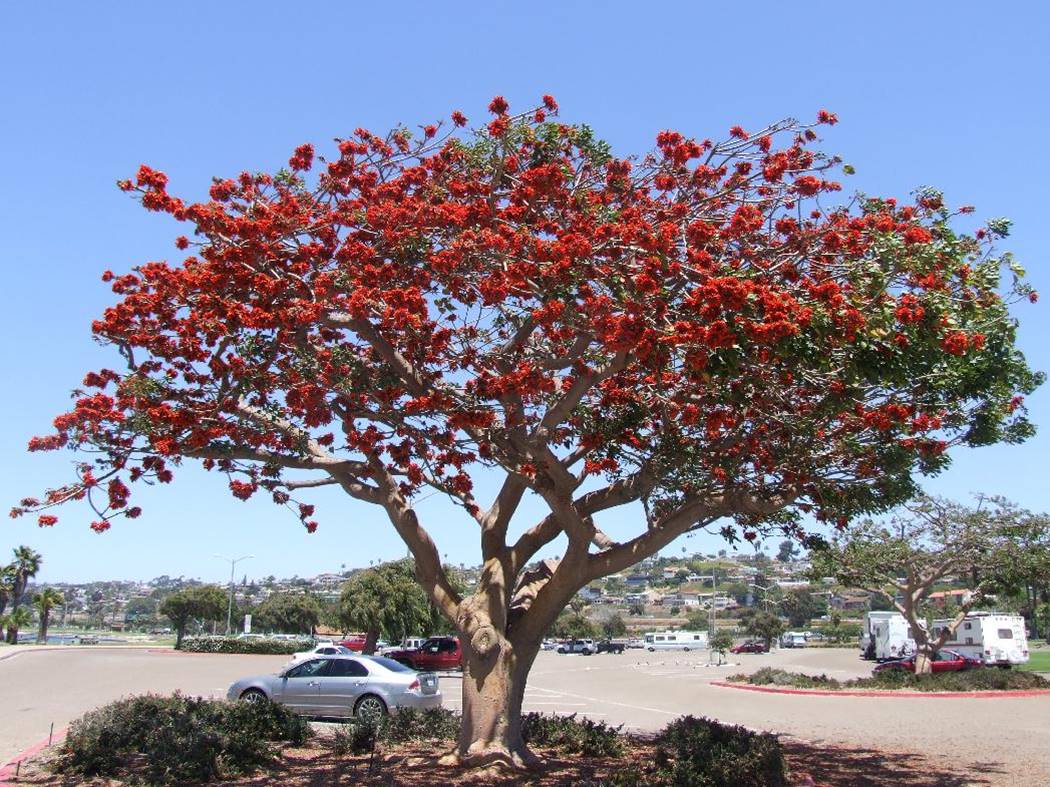

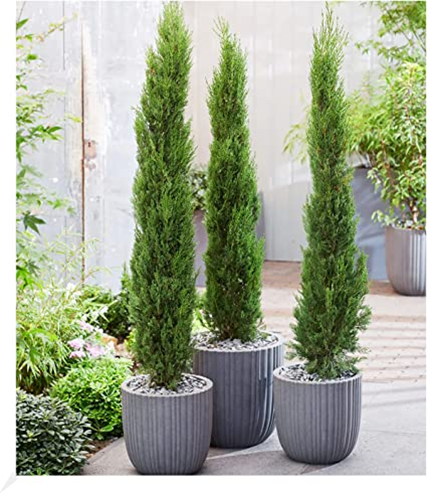
Evergreen tree, 10-30 m high. Leaves small, scale-like, dull green, closely adpressed to the branchlets. Male flowers terminal on the branchlets, in yellow-brown ovoid cones, 3-5 mm long. Female cones on short lateral shoots near the base of the branchlets, subglobose, with 8-14 coriaceous scales. Seed 8-20 on each scale, dark reddish-brown, elliptic-oblong.
The tree is native in East Mediterranean, probably the Agean region

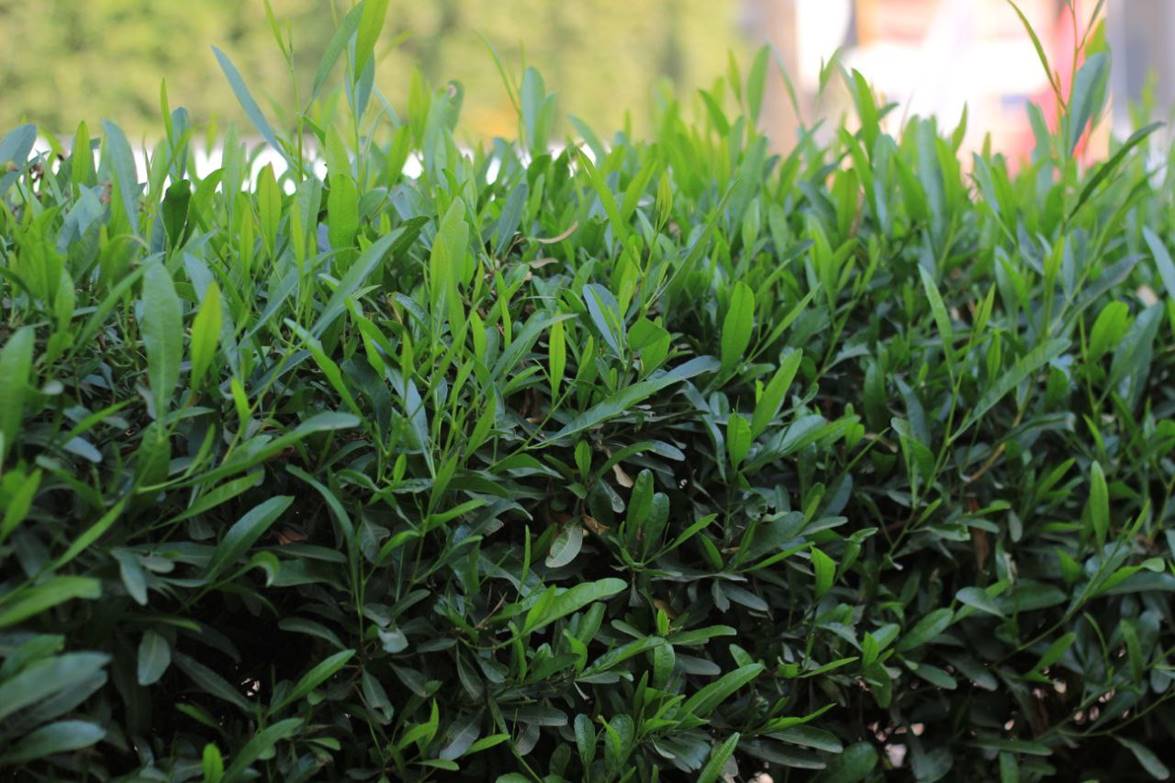
النبات الأكثر انتشارا في الزراعة كنبات سياج وهو شجيرة مستديمة الخضرة يتراوح ارتفاعه من 1م - 3م . الأوراق بسيطة ، و الأزهار وحيدة الجنس صفراء أو خضراء اللون مبيضة . معدل النمو سريع جدا وقابل النبات للقص والتشكيل ويتحمل النبات للظروف البيئية الجافة

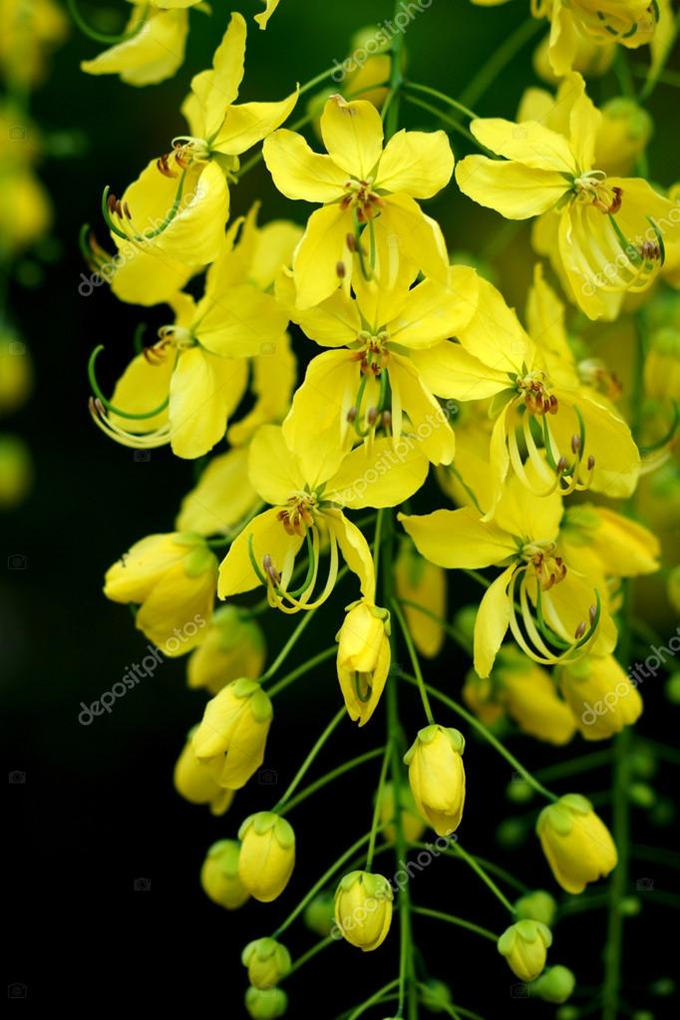
Deciduous medium-sized or large tree, up to 10 m high. Leaves pinnate, 30-40 cm long , petiole; leaflets 4-8 pairs, ovate, acute, blade 5-12 cm long. Flowers yellow about 5 cm across, in lax long. Fruit blackish, cylindrical, indehiscent, 60-80 cm long pod, with black seeds.
The tree is native of Indian and Burmese deciduous forests.

من احب نباتات التربية الخاصة و أكثرها انتشارا لسهولة تكاثرها وسرعة نموها وتتميز بموسم ازهار طويل والازهار عطرية وعديدة الألوان . هي من النباتات المتسلقة بواسطة المحاليق و النبات يزيد عن 3م ، و التكاثر بالبذرة تزرع في نصف شهر سبتمبر حتى نهاية شهر أكتوبر بالأرض المستديمة
Deciduous medium-sized or large tree, up to 10 m high. Leaves bipinnate, pinnae 2-6 pairs; leaflets 8-12 pairs, elliptic-oblong, apex acute. Flowers showy, fragrant. Pod cylindrical, 30-50 cm long.
The tree is originally from India.