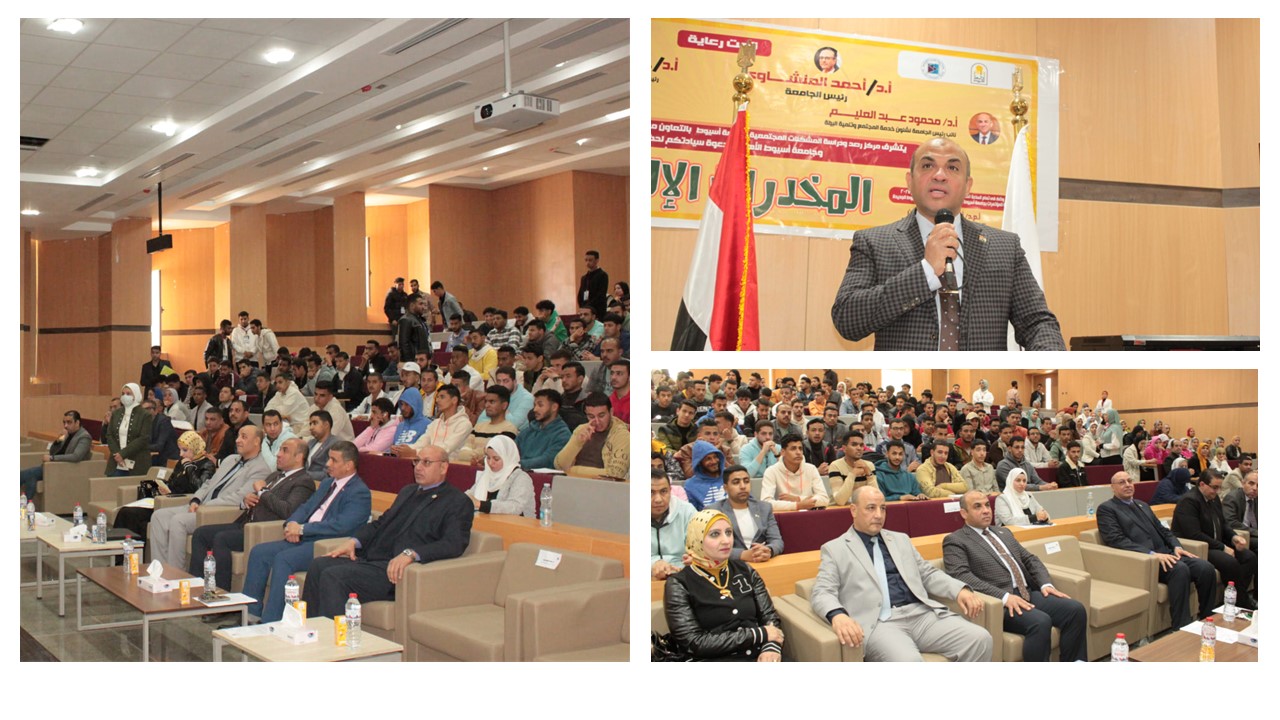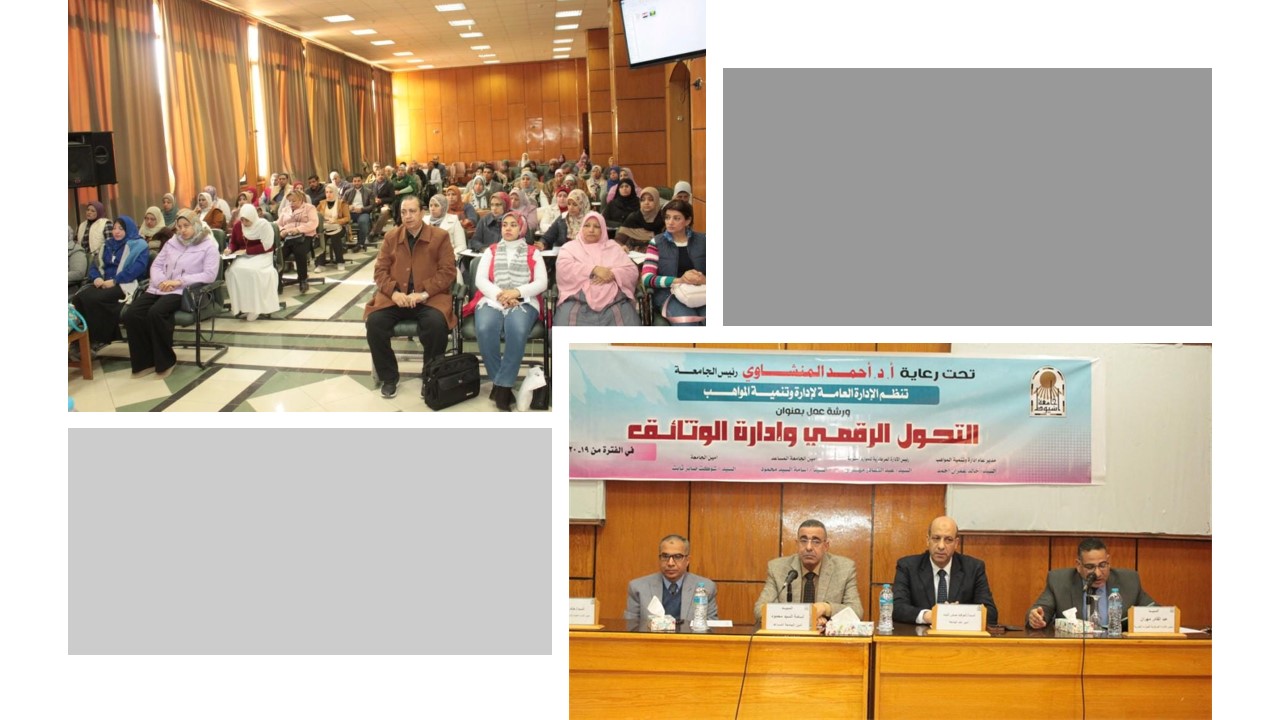
جامعة أسيوط تعلن توصيات المؤتمر الدولي الثاني عشر للتنمية والبيئة في الوطن العربي"التنمية المستدامة ومواجهة التغيرات البيئية، والمناخية.. التحديات والحلول"
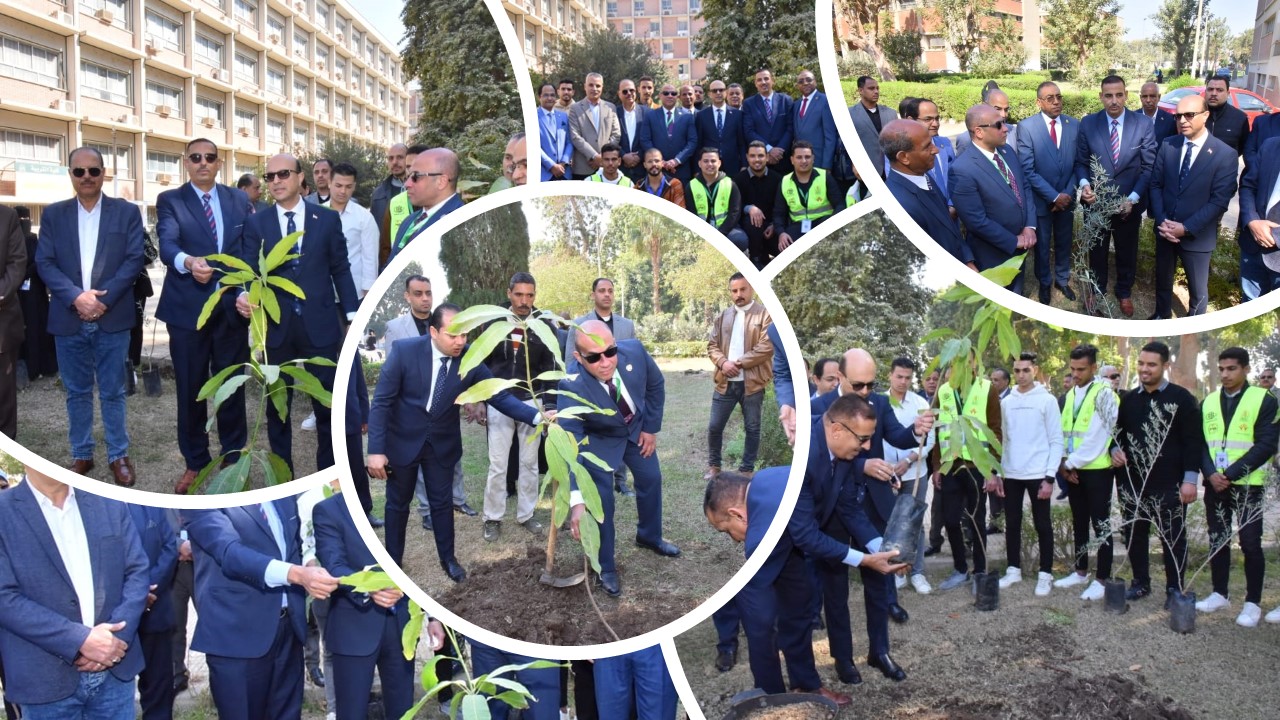
د. المنشاوي: غرس ١٠٠٠ شجرة مثمرة بحرم جامعة أسيوط
رئيس جامعة أسيوط: ندعم كافة المبادرات المجتمعية التي تخدم المجتمع وتعزز ثقافة الاستدامة البيئية
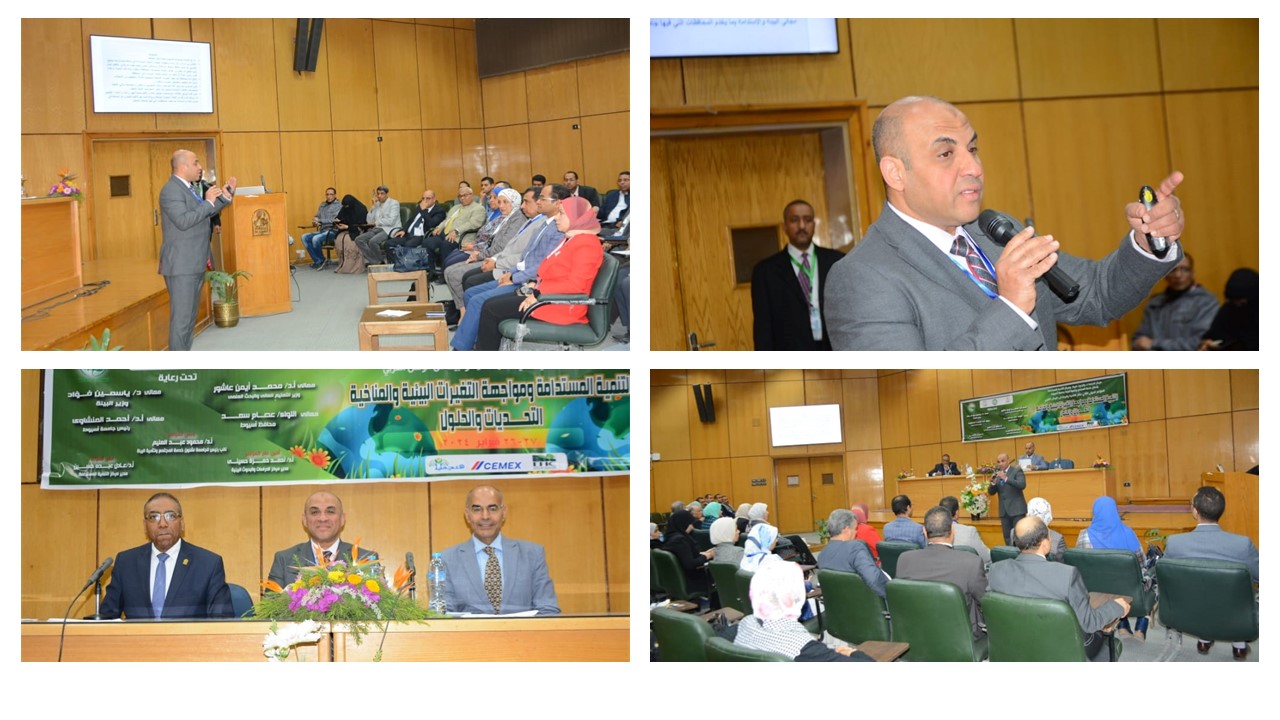
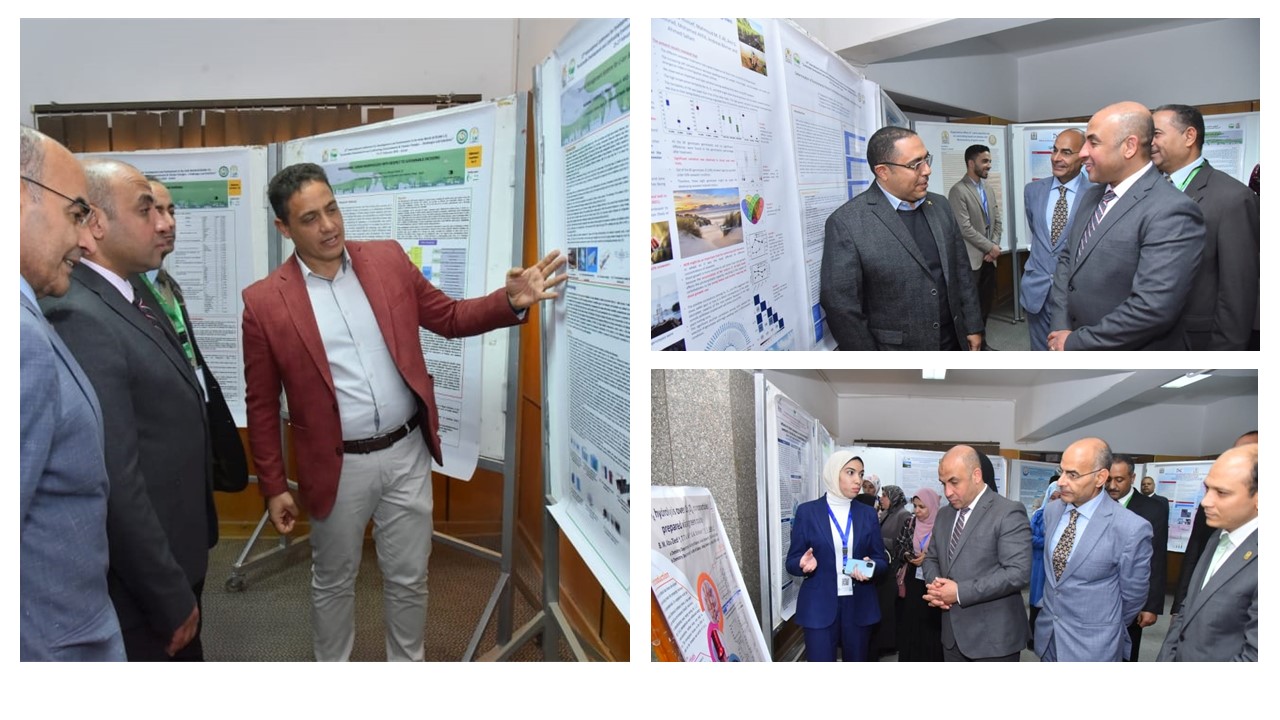
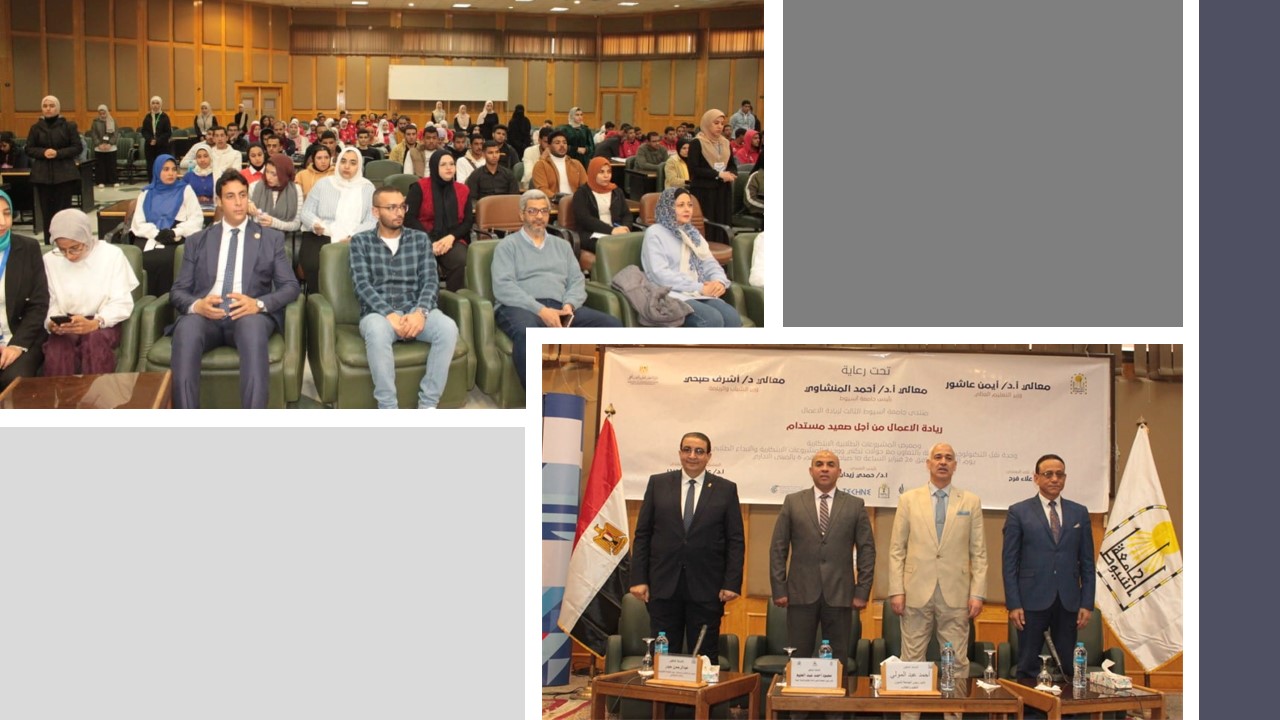
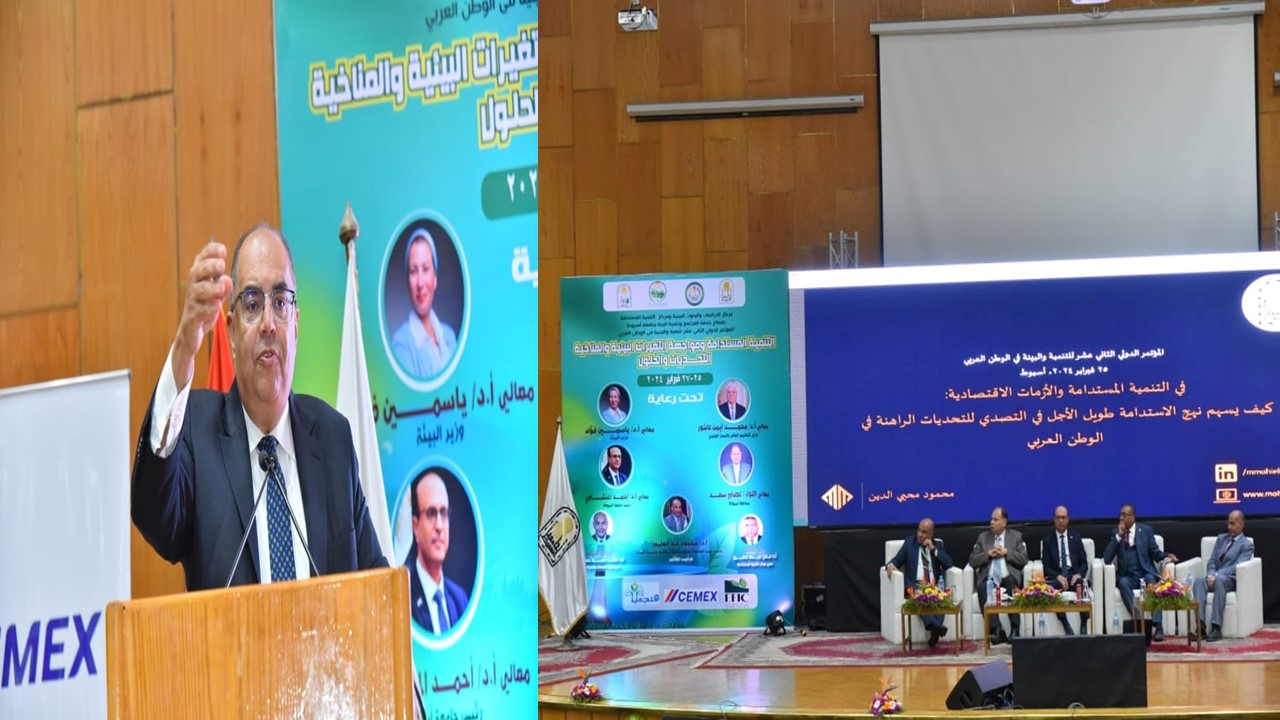
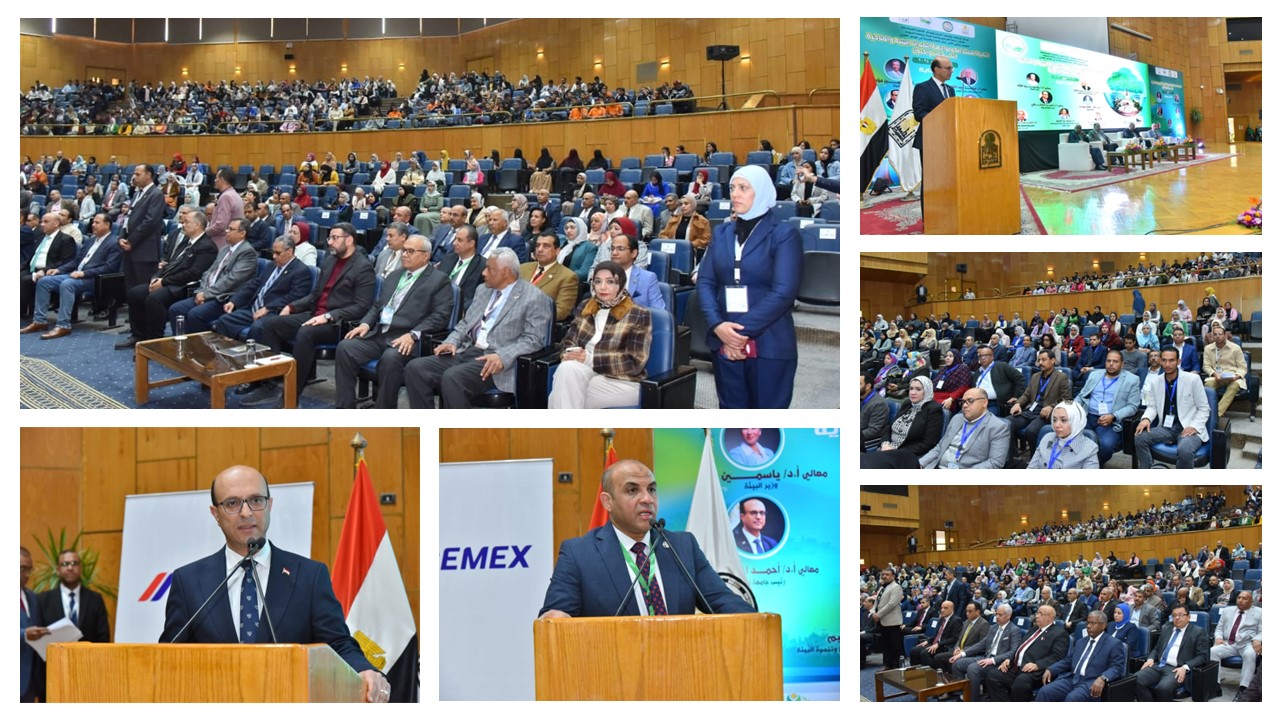
دشن الدكتور أحمد المنشاوى رئيس جامعة أسيوط، اليوم الأحد ٢٥ من فبراير؛ مبادرة "هنجملها" للتنمية المستدامة؛بغرس شجرة مثمرة بمحيط كلية التربية، وذلك ضمن ١٠٠٠ شجرة مهداة من مؤسسة " هنجملها للتنمية المستدامة" للجامعة، بحضور المهندس محمد قبطان منسق عام المبادرة وأمين مجلس أمناء المؤسسة، والدكتور محمود عبدالعليم نائب رئيس الجامعة لشئون خدمة المجتمع وتنمية البيئة، وذلك فى إطار أنشطة المبادرة؛ لزيادة الرقعة الخضراء، ومواجهة التغير المناخي، والاحتباس الحراري؛ جاء ذلك ضمن فعاليات المؤتمر الدولي الثاني عشر "للتنمية والبيئة في الوطن العربي"، والمنعقد في رحاب جامعة أسيوط على مدار يومي ٢٥ و٢٦ من فبراير؛ بعنوان : "التنمية المستدامة. ومواجهة التغيرات البيئية، والمناخية ..التحديات والحلول".
وصرح الدكتور أحمد المنشاوى؛ إن مبادرة "هنجملها" للتنمية المستدامة، أهدت الجامعة ١٠٠٠ شجرة مثمرة؛ زيتون، ومانجو، وتين، وذلك؛ لاستخدامها في تشجير الحرم الجامعي بالكامل؛ دعماً للمبادرة الرئاسية" ١٠٠ مليون شجرة مثمرة"، التي أطلقها الرئيس عبد الفتاح السيسي رئيس الجمهورية، والتي تهدف إلى نشر الوعي البيئي، والحد من الآثار السلبية لتغير المناخ، وإعلاء قيم الجمال، موضحاً: إن مشاركة الجامعة في مبادرة "هنجملها" ؛يأتي انطلاقاً من الدور المجتمعي الذي تتبناه جامعة أسيوط، نحو نشر ثقافة الاستدامة البيئية، وزيادة المساحات الخضراء؛ مؤكداً أن الجامعة حريصة على المشاركة في جميع المبادرات المجتمعية التي تخدم المجتمع، وتساعد في الحفاظ على البيئة.
وفى هذا الإطار؛ توجه الدكتور أحمد المنشاوي، بخالص الشكر؛ لكافة القائمين على مبادرة " هنجملها "؛ لجهودهم الحثيثة في العمل على توفير بيئة نظيفة، ونشر الوعي البيئي لدى المواطنين، والحد من التغيرات المناخية، وتفعيل دور المشاركة المجتمعية؛ لتحقيق التنمية المستدامة، ورؤية مصر 2030.
ودعا الدكتور أحمد المنشاوي؛ عمداء الكليات إلى دعم هذه المبادرة، وتشجيع الطلاب على المشاركة بها، وتنمية وعيهم نحو الحفاظ على البيئة؛ من خلال استغلال المناطق الفارغة بحرم الجامعة، والإفادة منها فى زرع الأشجار المثمر؛ وذلك يسهم في زيادة المسطحات الخضراء بالجامعة، والحفاظ على البيئة، ومواردها الطبيعية.
ومن جهته؛ كشف المهندس محمد قبطان : إن المبادرة تعكس جهود الدولة المصرية؛ للتعامل مع قضية تغير المناخ، والحفاظ على البيئة، ورفع الوعي البيئي لدى جميع فئات المجتمع؛ لتحقيق، وتطبيق نظم الاستدامة البيئية، وإستراتيجية مصر لتغيير المناخ 2050؛ داعياً كافة طلاب الجامعة إلى المشاركة في غرس الأشجار المثمرة؛ للوصول إلى حرم جامعي؛ صحي، وخالٍ من الملوثات.
وعلى صعيد متصل؛ شارك في زراعة الأشجار المثمرة بالحرم الجامعي؛ الدكتور أحمد حمزة مدير مركز الدراسات والبيئية بالجامعة، والدكتور عادل عبده مدير مركز التنمية المستدامة؛ وذلك بحضور الدكتور محمد جابر قاسم وكيل كلية التربية لشئون التعليم والطلاب، والدكتور محمد مصطفى حمد وكيل كلية التربية لشئون خدمة المجتمع وتنمية البيئة، والدكتور سيد شحاتة رئيس قسم نباتات الزينة والمشرف على إدارة الحدائق بالجامعة، والدكتور هيثم ابراهيم مدير عام الإدارة العامة لرعاية الشباب، والدكتور محمود عبدالمعطي الأستاذ بقسم اللغة العربية بالجامعة.