
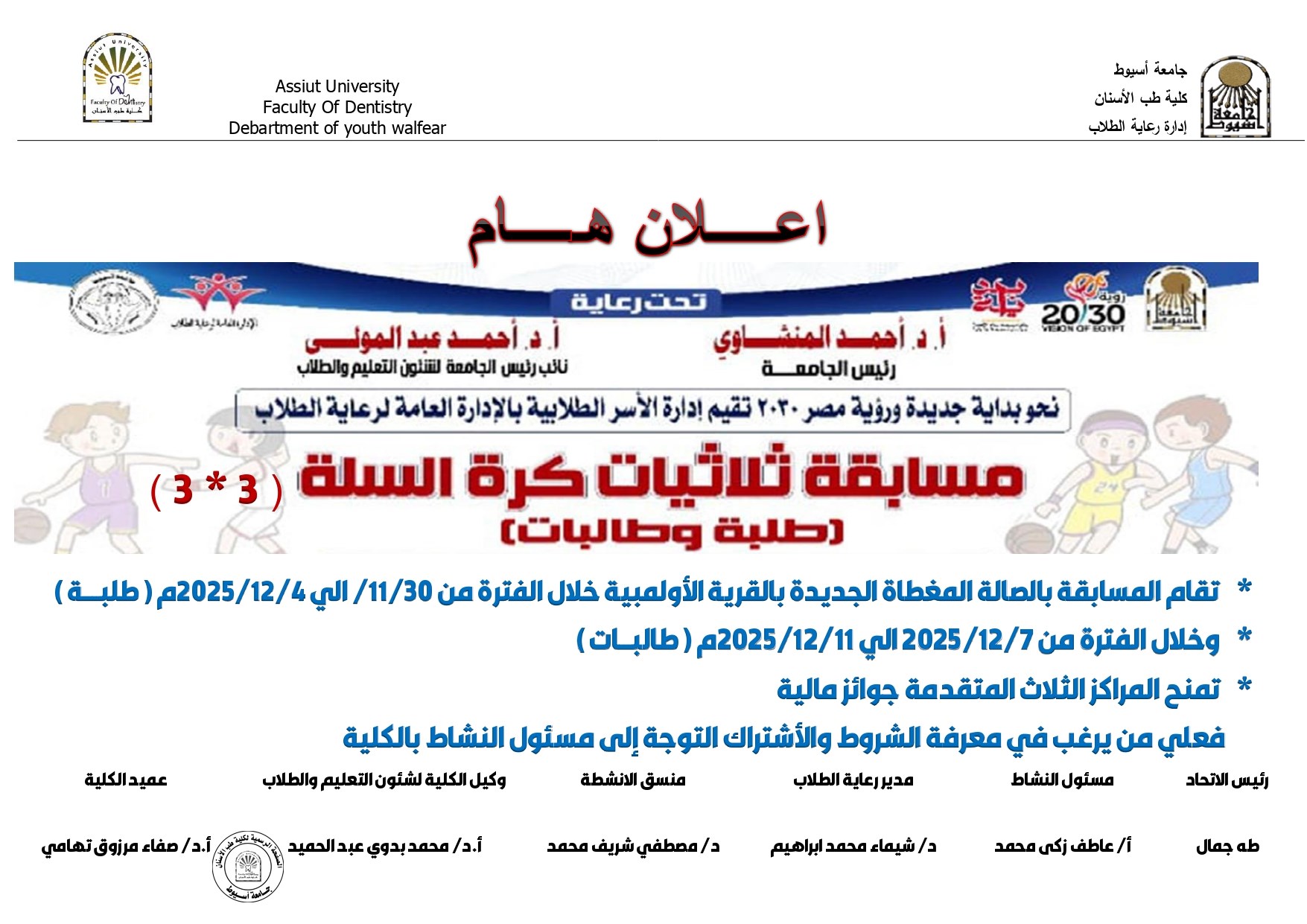
Announcement of a basketball three-on-three competition, for male and female students.
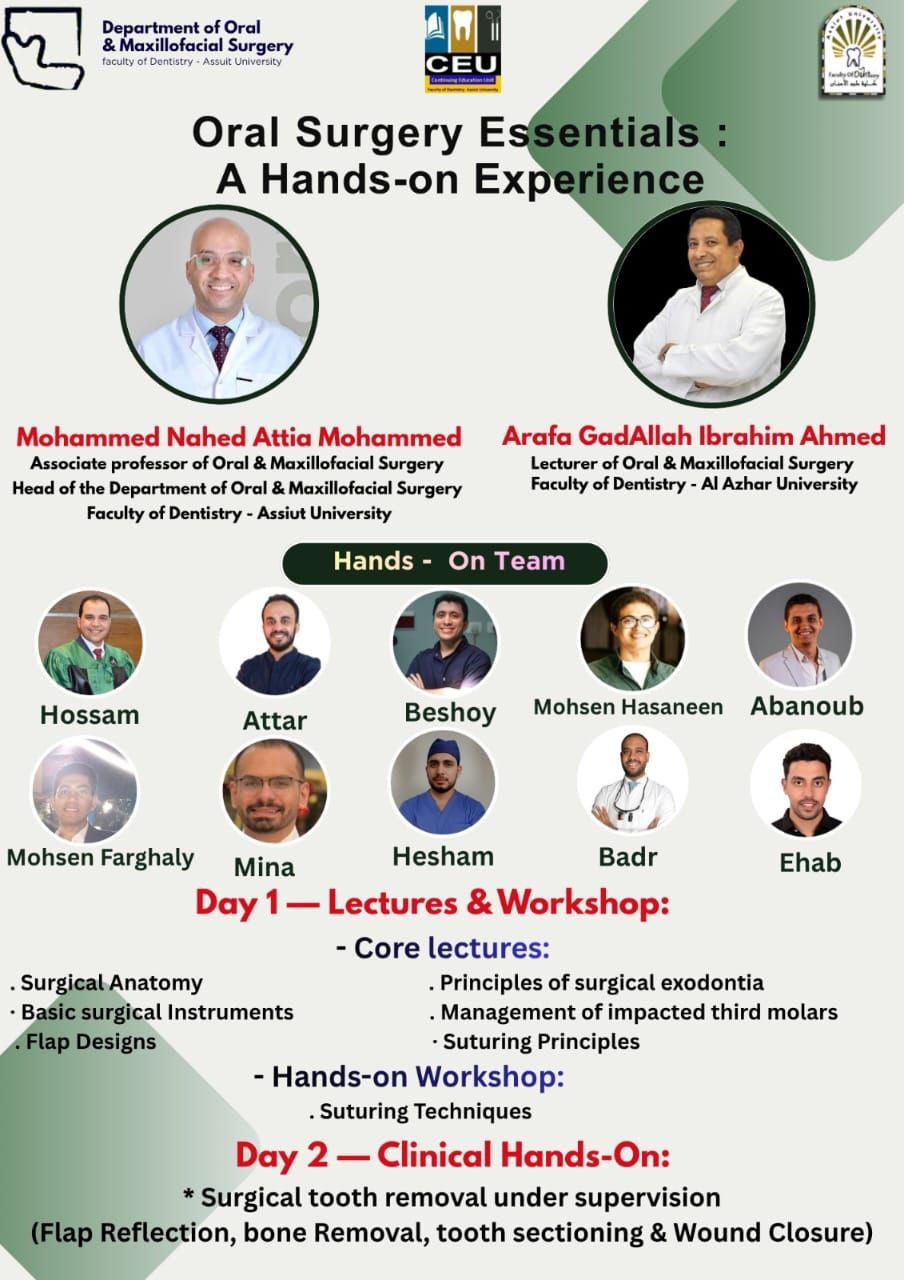
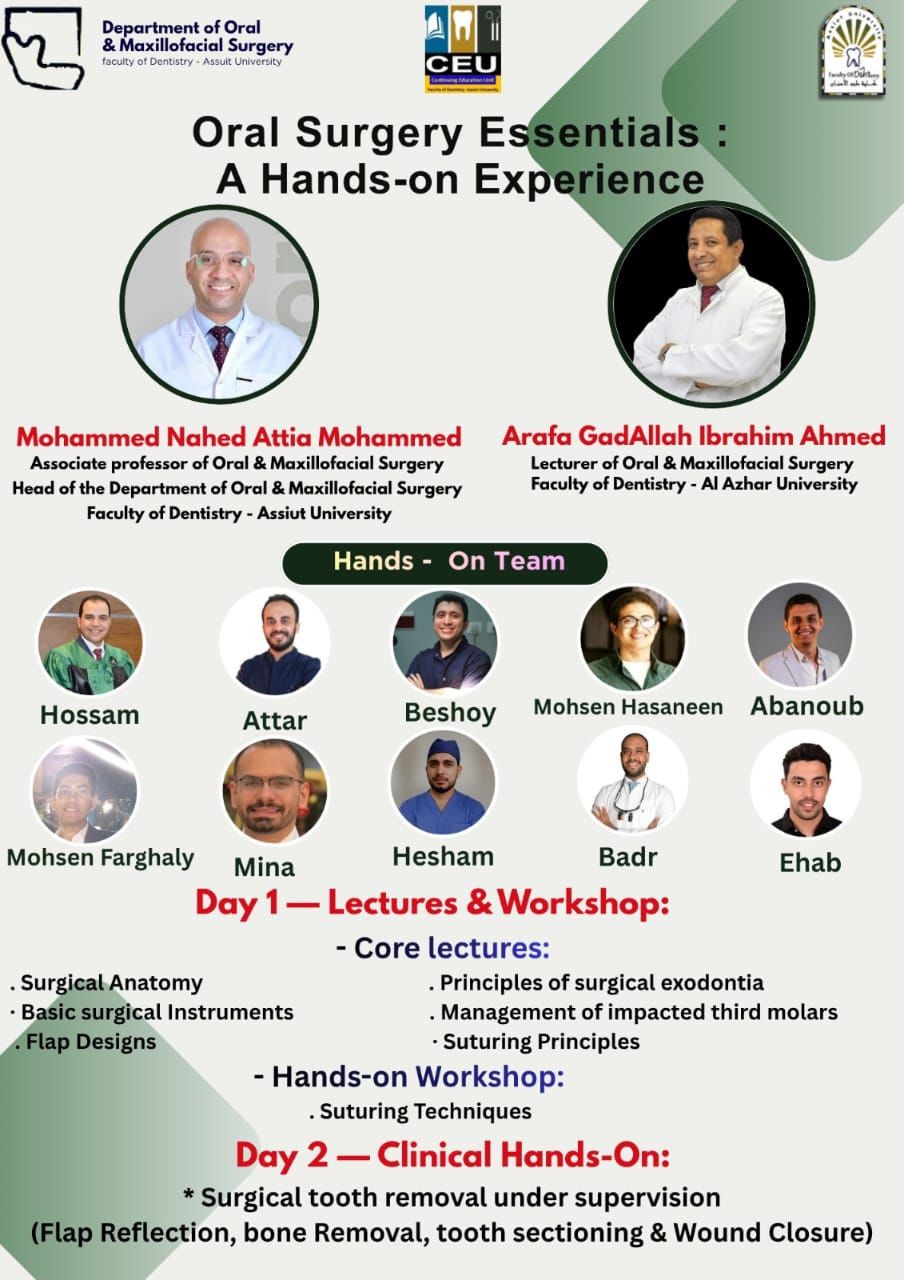
Announcing a workshop on the fundamentals of oral surgery on Monday and Tuesday, December 15th and 16th

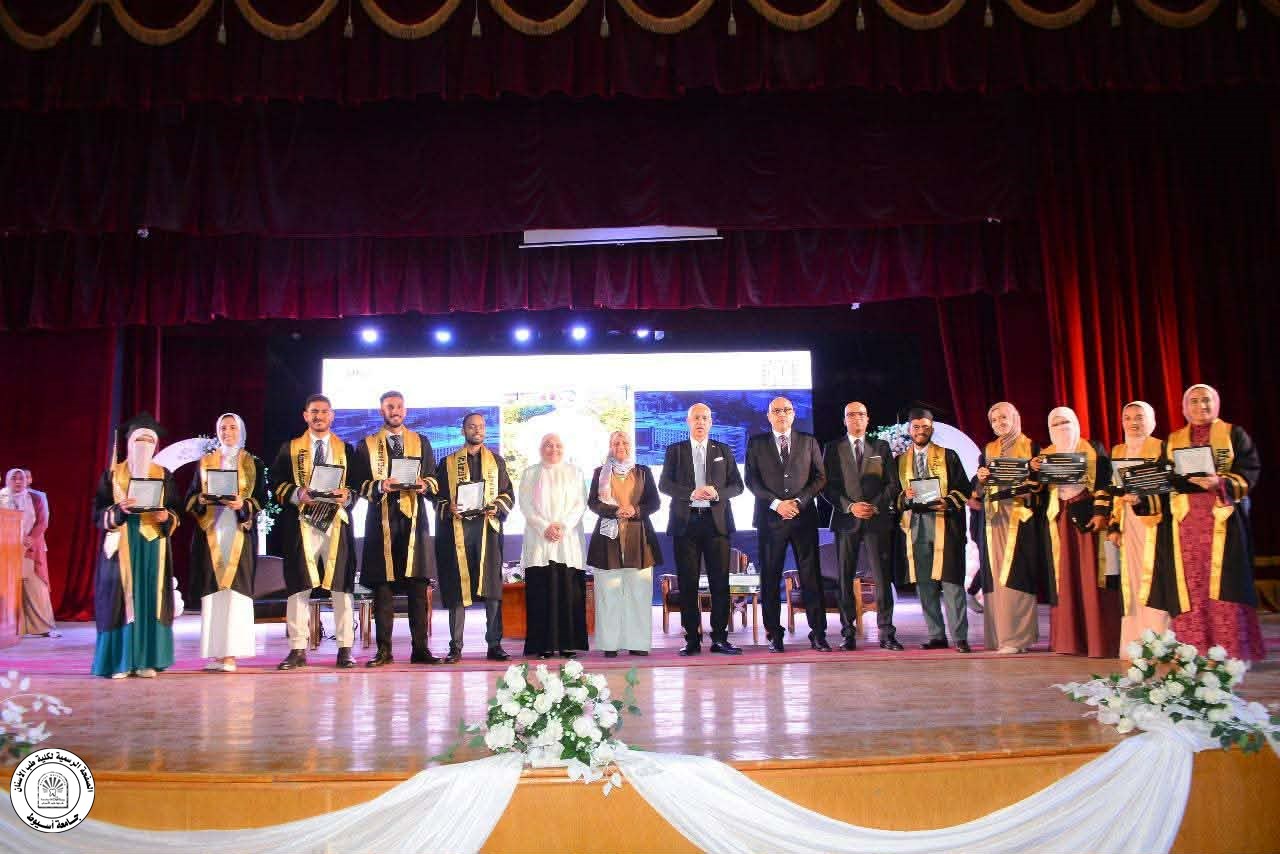
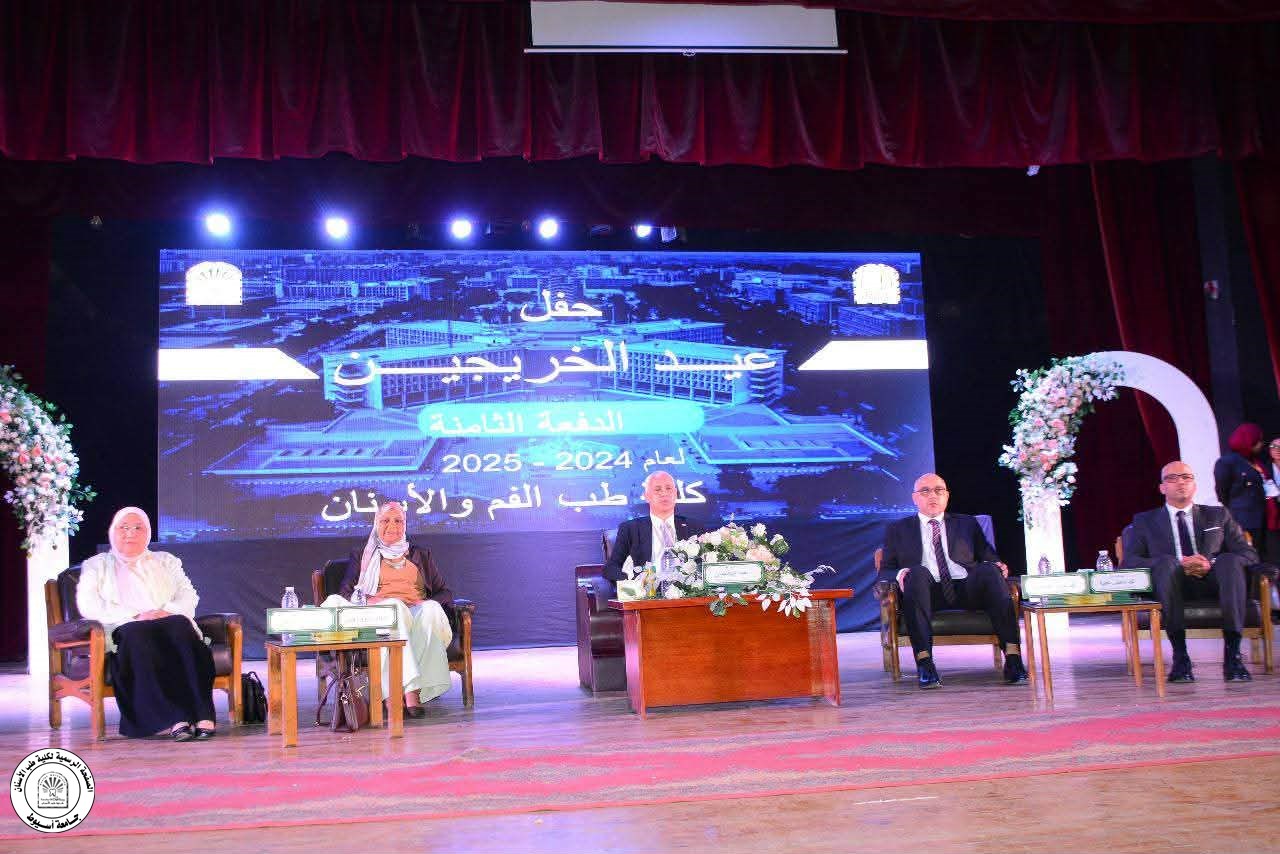
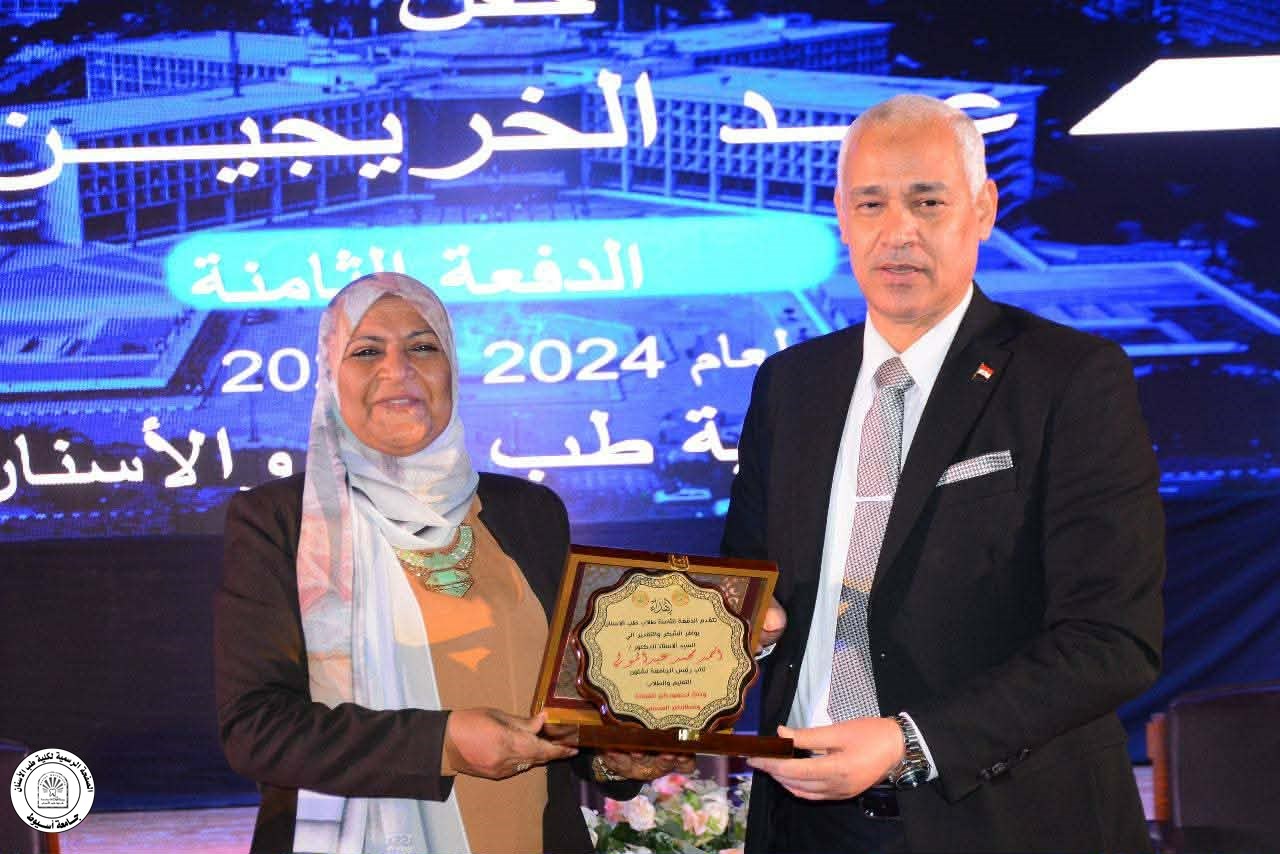
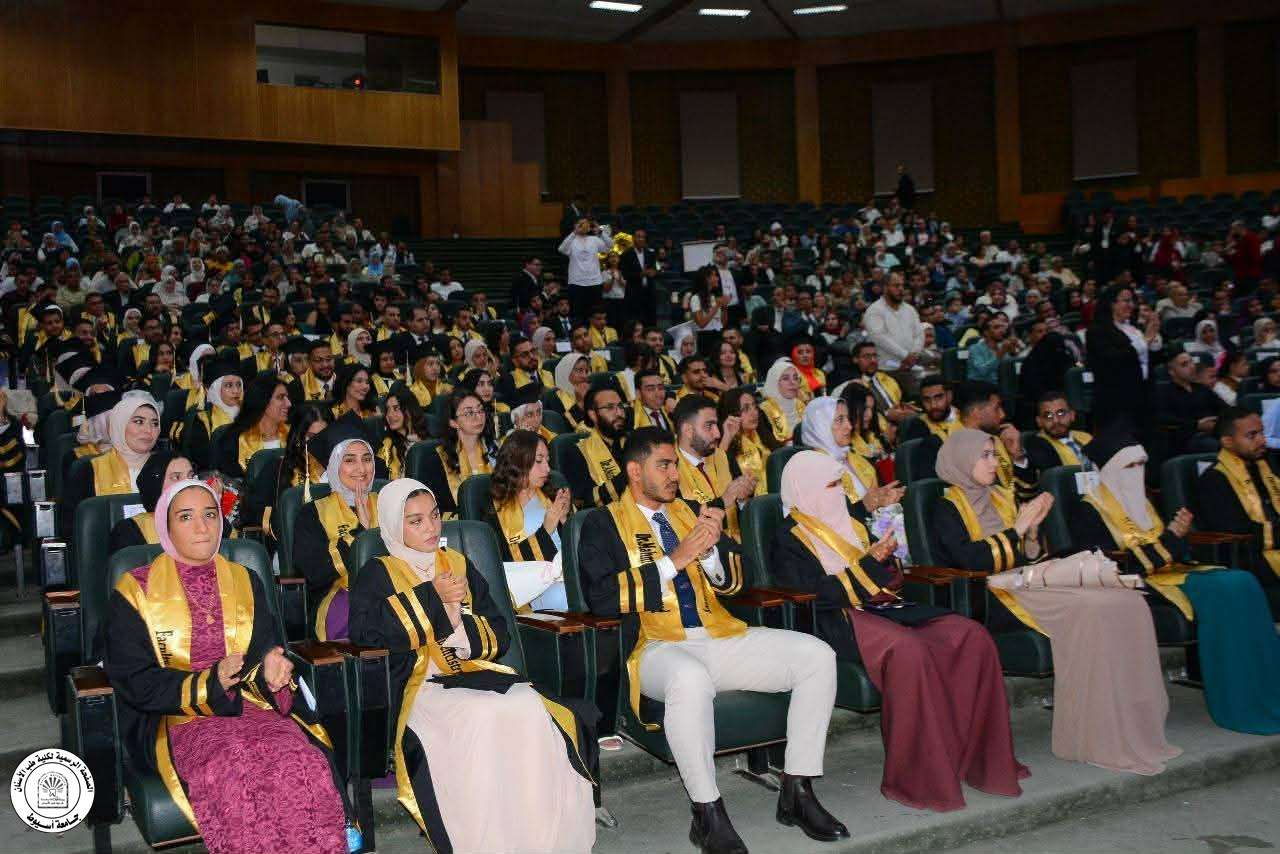
Graduation ceremony of the eighth batch .
تحت رعاية السيد ا.د /احمد المنشاوى رئيس الجامعة
والسيد ا.د/ احمد محمد عبد المولى نائب رئيس الجامعة لشئون التعليم والطلاب
والسيدة ا.د /صفاء مرزوق تهامى عميد كلية طب الأسنان
والسيد ا.د/محمد بدوى عبدالحميد وكيل الكلية لشئون التعليم والطلاب
والسيد ا.د/محمد ناهض عطية وكيل الكلية لشئون خدمة المجتمع وتنمية البيئة
أقيم حفل الخريجين الدفعة الثامنة اليوم الخميس الموافق 30/10/2025فى تمام الساعة الثالثة عصرا بمركز النيل للاشعاع الحضارى .
وقد القى كل من ط/ سهيلة محمد اول الدفعة كلمة التخرج
. والطالب /طه جمال رئيس اتحاد الطلاب كلمته تهنئة للدفعة ،
كما ألقى ا.د/محمد بدوى وكيل الكلية لشئون التعليم والطلاب
كما تم تكريم السادة منسقى البرامج د/امنه طه منسق برنامج الأهلية
والسيد د/مصطفى الشريف منسق الأنشطة الطلابية
وكذلك د/نشوى هلال منسق برنامج الوافدين .
كما تم تكريم المتميزين من أعضاء الهيئة المعاونة وهم . د/مريم رومانى . د/عبد الرحمن حمدى . د/ احمد هشام . د/احمد سيد . د/اريج فوزى . د/مريت أسامة .
وعلى هامش الحفل تم تكريم المتميزين من أعضاء الهيكل الادارى وهم . ا/منتصر حسين احمد امين عام الكلية والسيدة /منى عرفات كامل مديرة مكتب العميد والدكتور / عصام قاسم مدير شؤون الطلاب والسيد /شحاتة عشم مدير مكتب الخدمة العامة والدكتورة /شيماء محمد ابراهيم مدير إدارة رعاية الطلاب والسيد /عمرو سيد عيد اخصائي رياضى بإدارة رعاية الطلاب.
ثم جاء كلمة السيد الدكتور /محمود عبد السلام أمين عام نقابة اطباء اسنان أسيوط و حلف القسم .
Evaluating the Impact of Vertical Dimension on Masticatory Muscle Activity during Clenching in Complete Denture Wearers: An Electromyographic (EMG) Analysis
Research Abstract
Aims: This study aimed to investigate the impact of vertical dimension (VD) on the activity of masticatory muscles during clenching in complete denture wearers using electromyography (EMG)
Materials and Methods: A group of participants with complete dentures participated in the study. Three VD conditions were established for each participant: ideal VD, increased VD (VDO+3mm), and decreased VD (VDO3mm). Surface EMG electrodes were placed on the masseter and temporalis muscles bilaterally. Participants performed standardized clenching tasks at each VD condition, and EMG data was recorded. Statistical analysis was conducted to assess the influence of VD on muscle activity.
Results: The results revealed significantly lower electrical activity in both masseter and temporalis muscles at the ideal VD compared to increased or decreased VD conditions. No significant difference in muscle activity was observed between VDO+3mm and VDO-3mm conditions.
Conclusion: Achieving an accurate vertical dimension is crucial for maintaining balanced muscle activity during clenching in complete denture wearers. Deviations from the ideal VD lead to increased activity in masticatory muscles, potentially contributing to discomfort or fatigue. These findings highlight the importance of accurate VD determination in complete denture fabrication for optimal patient comfort and function.
Research Date
Research Department
Research File
AADJ_Volume 7_Issue 2_Pages 159-165.pdf
(1.12 MB)
Research Journal
AL-AZHAR Assiut Dental Journal
Research Member
Research Pages
159-165
Research Publisher
AL-AZHAR Assiut Dental Journal
Research Rank
Local
Research Vol
7
Research Website
https://aadj.journals.ekb.eg/article_393569.html
Research Year
2024
Polymer vs. Silicone Denture Liners: Tensile Strength with TiO2 and Thermocycling
Research Abstract
Aim : This study evaluated the tensile strength of polymer-based and silicone-based soft denture liners, with and without 2% titanium dioxide (TiO₂) nanoparticles, under thermocycling conditions.
Subjects and methods: Specimens were fabricated using heat-cured acrylic resin discs coated with soft liners and subjected to thermocycling (3000 cycles, 5°C–55°C). Tensile strength was assessed using an Instron testing machine.
Results: they showed that polymer-based liners had significantly higher tensile strength than silicone-based liners (p < 0.001). Thermocycling minimally affected polymerbased liners but reduced the strength of silicone-based liners. The addition of TiO₂ nanoparticles did not significantly alter the tensile strength of either material (p > 0.05).
Conclusions: Polymer-based liners demonstrated superior mechanical performance, indicating their potential for clinical applications. Further research is needed to optimize nanoparticle incorporation and evaluate long-term clinical outcomes.
Research Date
Research Department
Research File
AADJ_Volume 8_Issue 1_Pages 47-57.pdf
(2.54 MB)
Research Journal
AL-AZHAR Assiut Dental Journal
Research Member
Research Pages
47-57
Research Publisher
AL-AZHAR Assiut Dental Journal
Research Rank
Local
Research Vol
8
Research Website
https://aadj.journals.ekb.eg/article_430310.html
Research Year
2025
Congratulations to student Al-Zahraa Abdul Mohsen Mohammed for achieving first place in memorizing the Forty Hadiths of Imam Nawawi at the university level in the Grand Spiritual Competition for Memorizing the Holy Quran and the Forty Hadiths of Imam Nawa
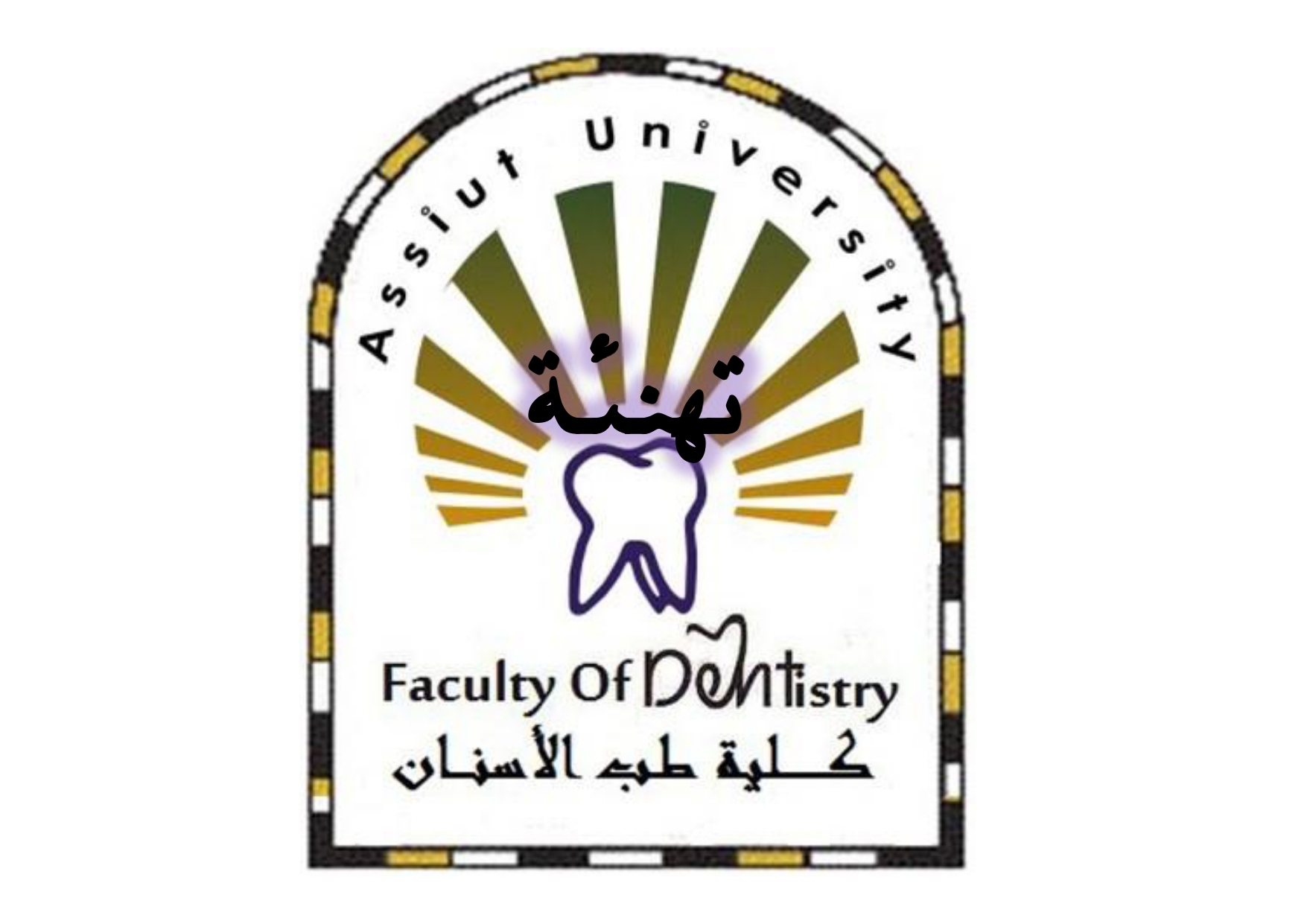
تتقدم السيدة أ.د / صفاء مرزوق تهامى عميد الكلية
أ.د / محمد بدوى عبد الحميد
وكيل الكلية لشئون التعليم والطلاب والسيد الدكتور/مصطفى شريف منسق الأنشطة الطلابية ود/ شيماء محمد ابراهيم مدير رعاية الطلاب
بتهنئة الطالبه / الزهراء عبد المحسن محمد
لحصولها على المركز الاول فى حفظ الاربعين حديث نووى وذلك على مستوى الجامعة فى المسابقة الروحية الكبرى فى حفظ القران الكريم والأربعين حديث النووية التى اقامتها إدارة النشاط الثقافى بالجامعة فى الفترة من 26/ 10حتى 30 /10/ 2025
متمنين لها النجاح والتوفيق ومزيد من التقدم فى حياتها العملية والتعليمية
مع أطيب الأمنيات بمزيد من الإنجازات
مشرف النشاط
ا . محمد فتحى
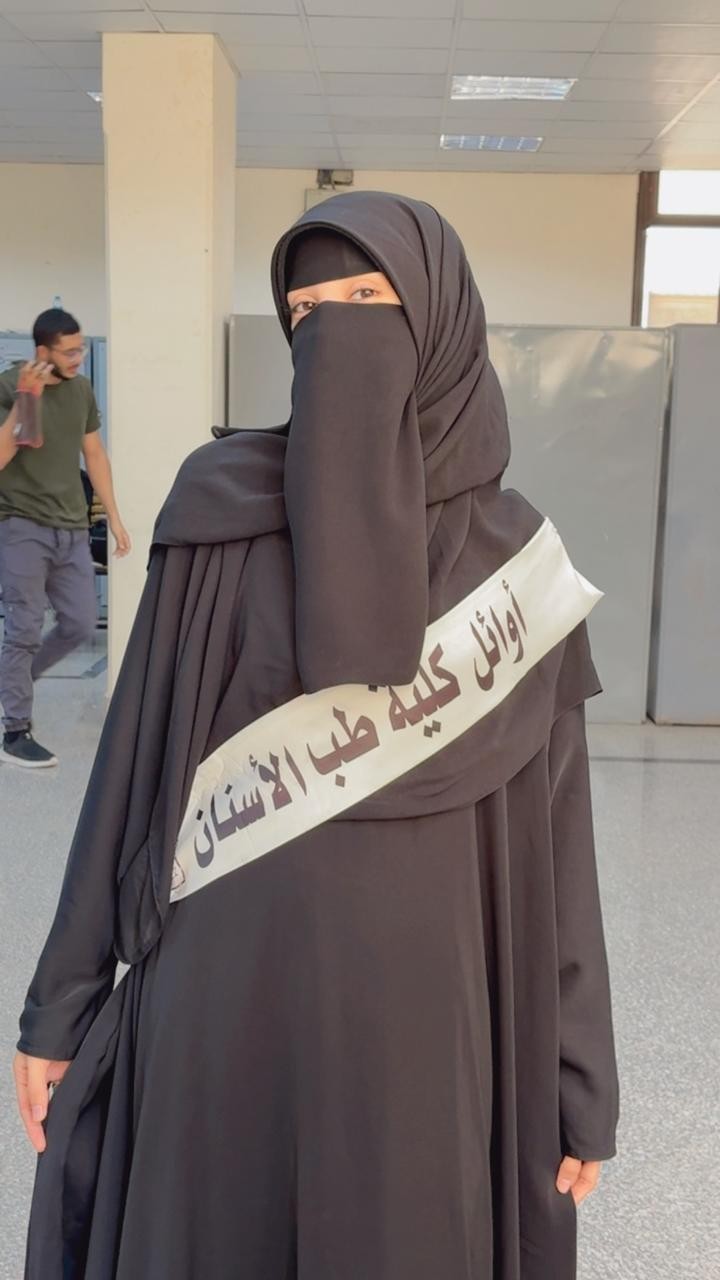
Announcing a workshop on the fundamentals of oral surgery on Monday and Tuesday, December 15th and 16th

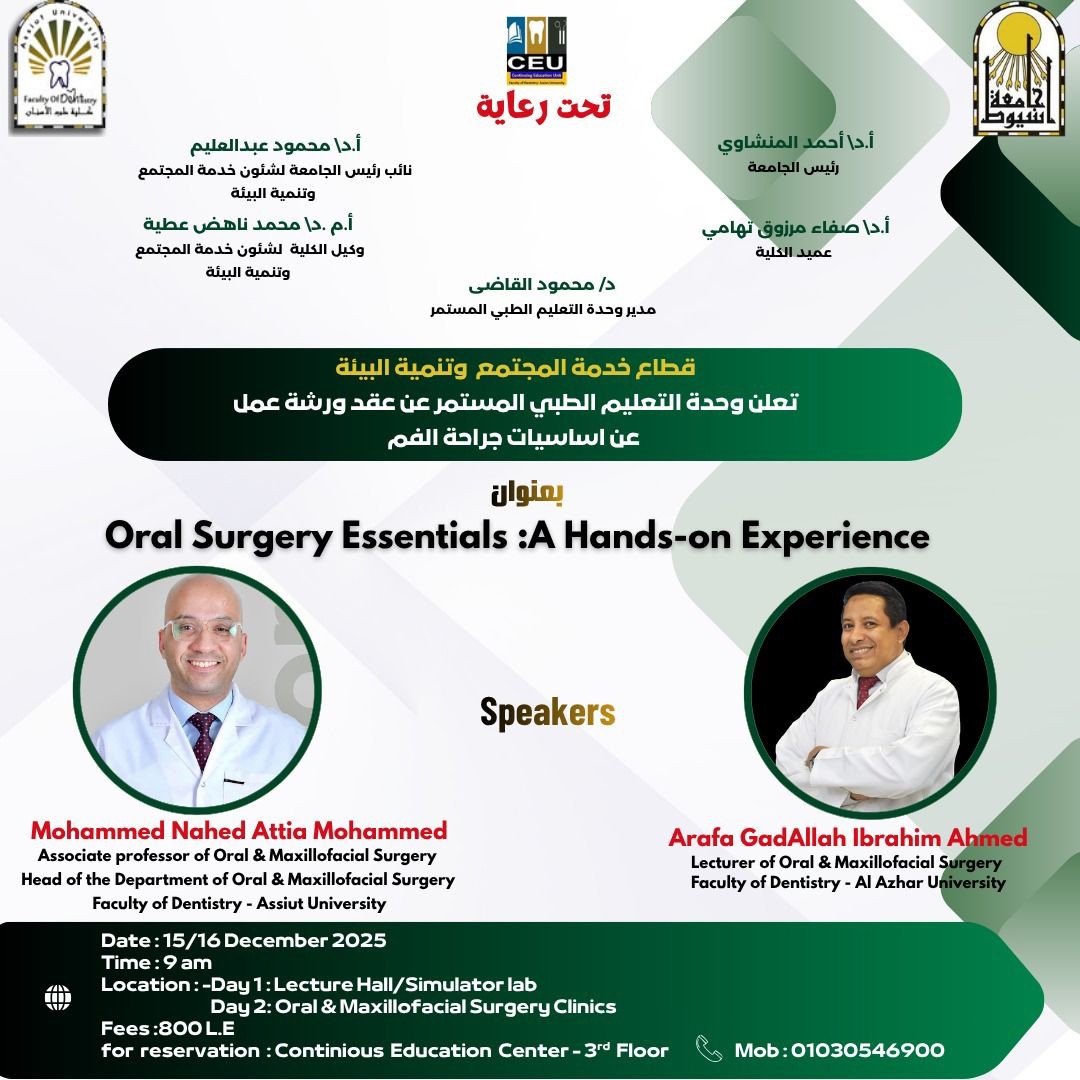
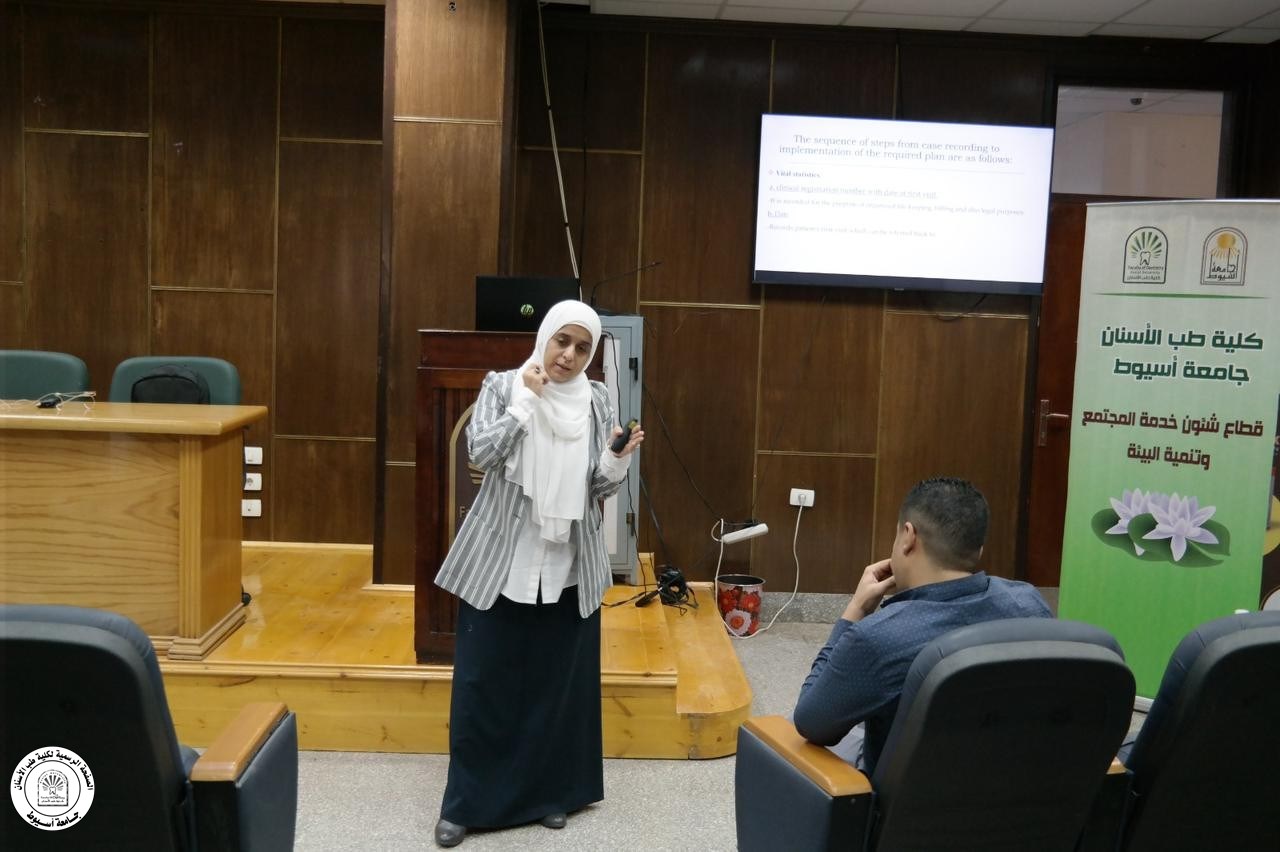
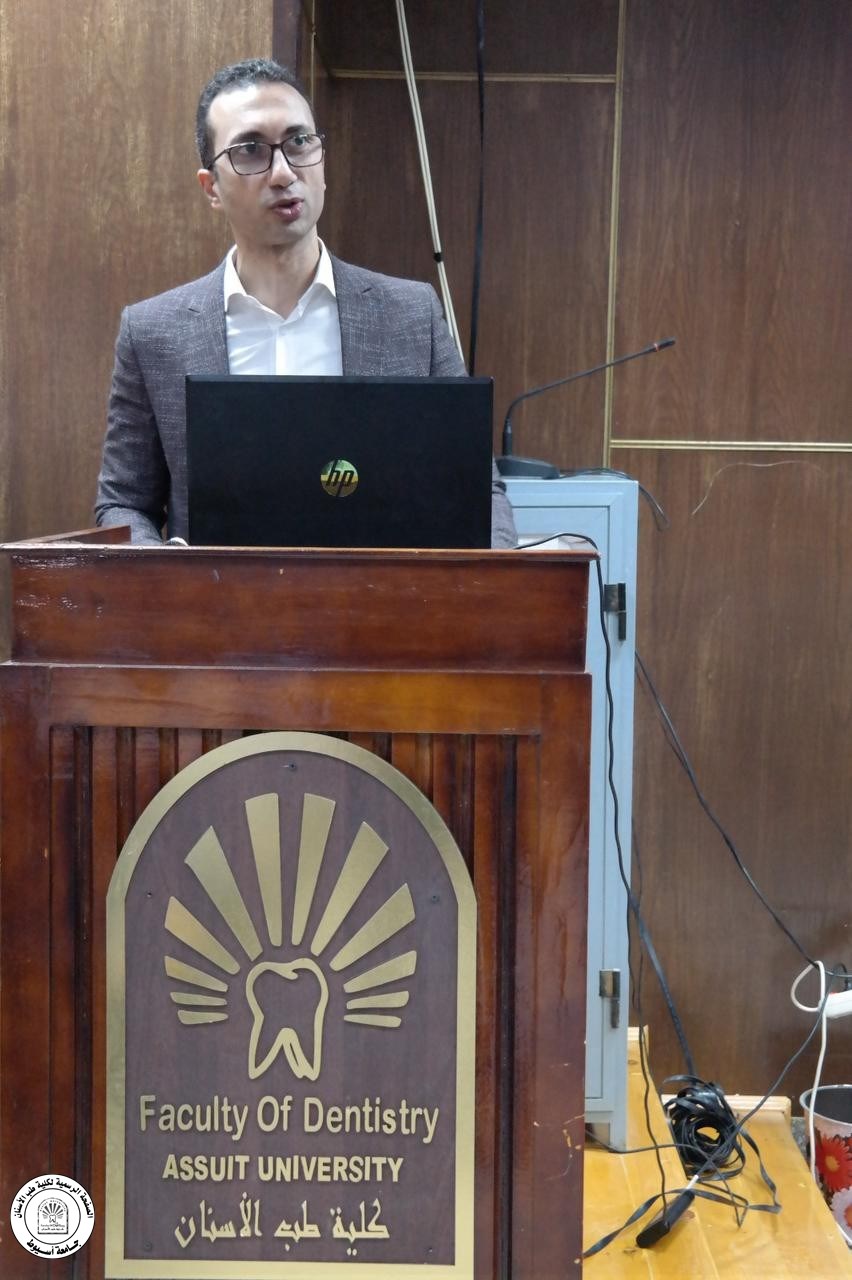
By the grace of God, the first scientific days organized by the Continuing Medical Education Unit at the college for doctors of the Ministry of Health, Health Insurance and graduate doctors have been completed.
تحت رعاية
أ.د أحمد المنشاوي - رئيس الجامعه
أ.د محمود عبد العليم - نائب رئيس الجامعه لشئون خدمة المجتمع و تنمية البيئة
أ.د صفاء تهامي - عميد الكلية
أ.د محمد ناهض عطيه - وكيل الكلية لشئون خدمة المجتمع و تنمية البيئة
د. محمود القاضي - مدير وحدة التعليم الطبي المستمر
تم بحمدالله الإنتهاء من اول الأيام العلمية التي نظمتها وحدة التعليم الطبي المستمر بالكلية لأطباء وزارة الصحه و التأمين الصحي و الأطباء الخريجين.
يأتي هذا اليوم ضمن خطة قطاع خدمة المجتمع و تنمية البيئة بالكلية لعقد سلسلة من الأيام العلمية علي مدار العام الجامعي ٢٠٢٥ - ٢٠٢٦ في إطار دور الكلية المجتمعي لرفع كفاءة الأطباء الخريجين و تفعيلاً لبروتوكول التعاون بين مديرية الصحه و هيئة التأمين الصحي بالمحافظة
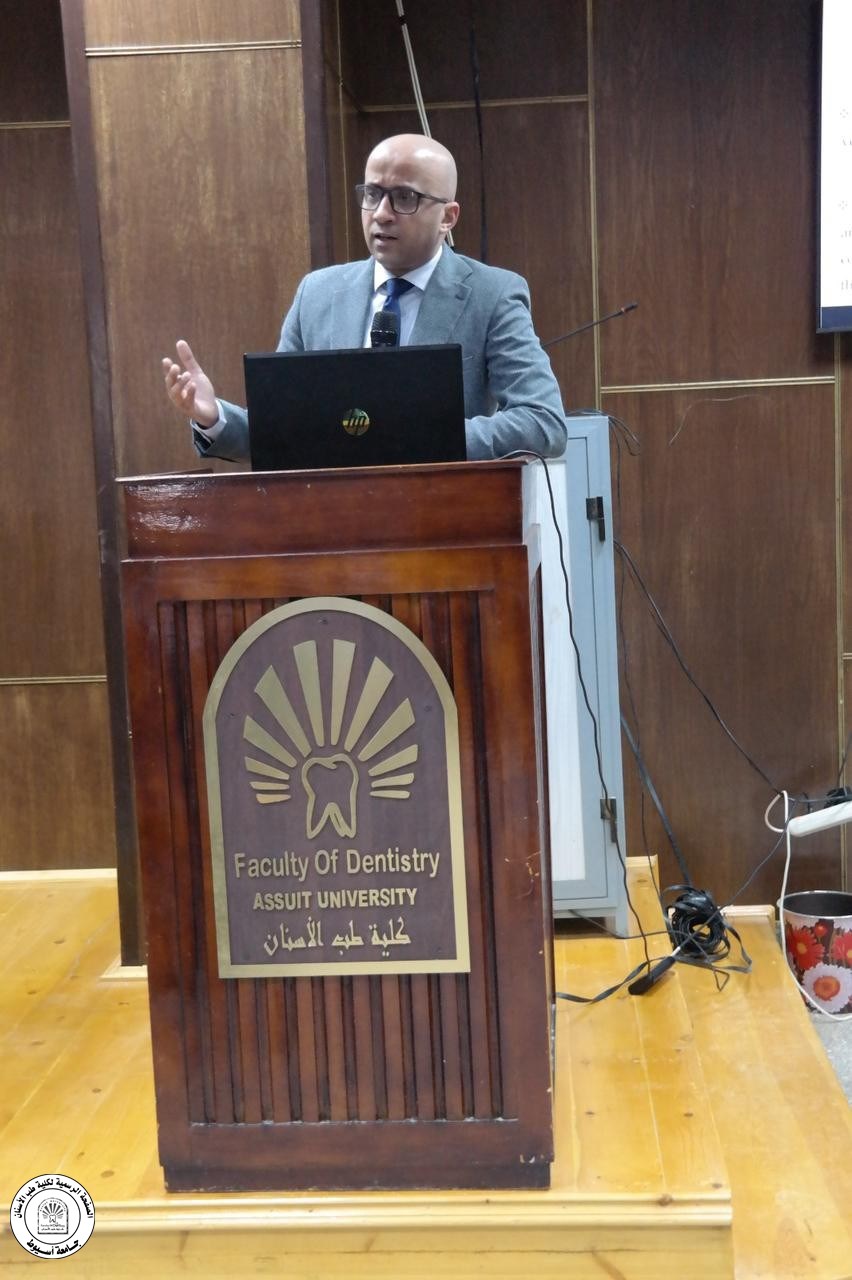
افتتح اليوم العلمي أ.م.د / محمد ناهض عطيه - وكيل الكلية لشئون خدمة المجتمع و تنمية البيئة ، رحب سيادته بالحضور الكريم و ألقي سيادته الضوء علي خطة خدمة المجتمع و تنمية البيئة فيما يخص أنشطة وحدة التعليم الطبي المستمر للعام الجامعي ٢٠٢٥ - ٢٠٢٦.
ثم قام الدكتور محمود القاضي - مدير وحدة التعليم الطبي المستمر بشرح وافي عن خطة الوحده للأيام العلميه وورش العمل القادمة و رحب سيادته بأي مقترحات لموضوعات علميه من الساده الأطباء ليتم دمجها خلال خطة العام الحالي
حاضر في هذا اليوم
د. ميادة محمد - مدرس طب أسنان الأطفال ، حيث القت سيادتها محاضرة بعنوان
“Comprehensive Pediatric Dental Examination and Treatment Planning: From Diagnosis to Clinical Decision”
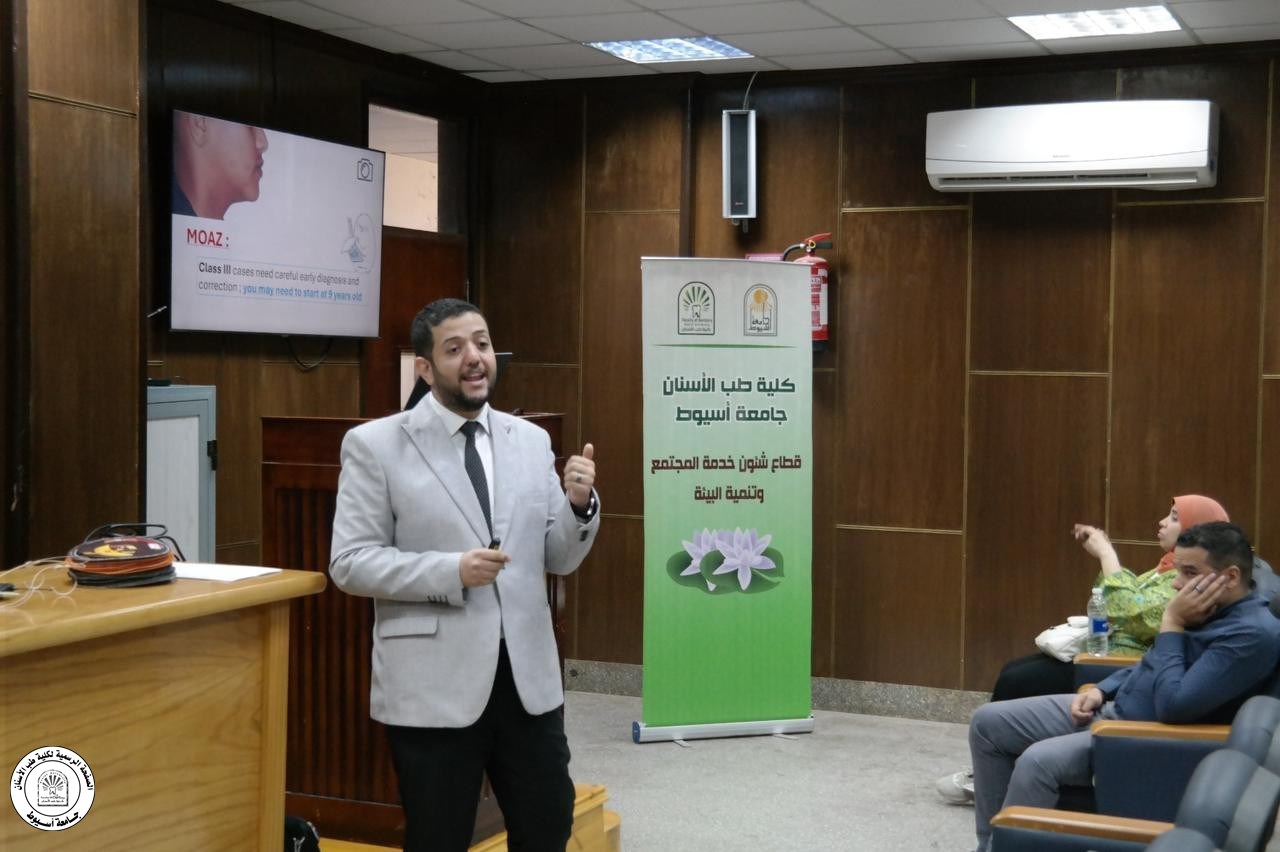
د. محمد عصام عارف - مدرس مساعد تقويم الأسنان ، حيث القي سيادته محاضره بعنوان
Orthodontic Treatment ; When to Start ?
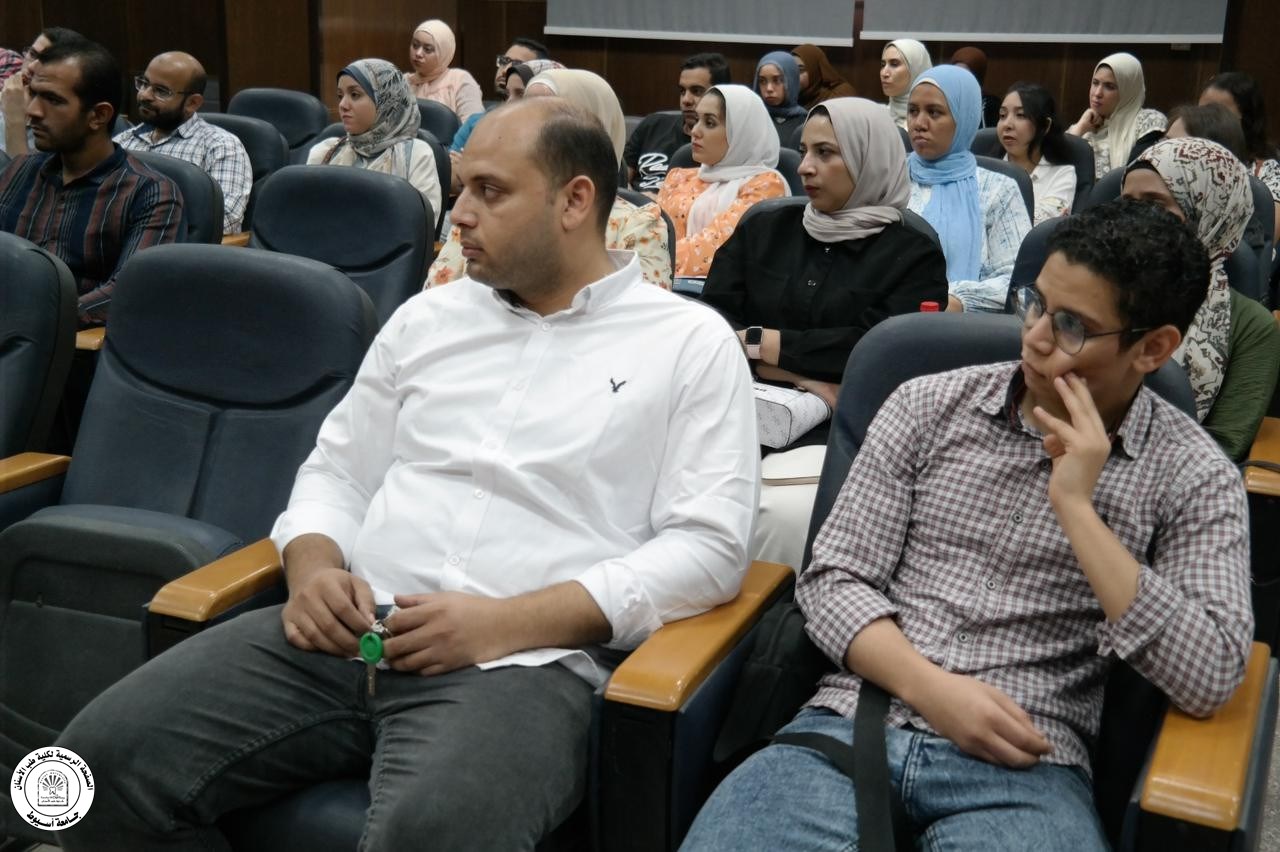
شهد اليوم حضور أكثر من ستون طبيبا من وزارة الصحه و التأمين بالإضافه لأعضاء الهيئة المعاونه و أطباء الإمتياز بالكليه
دمتم في حفظ الله و آمنه

Invitation to attend the graduation ceremony of the eighth batch
تتشرف السيدة ا.د /صفاء مرزوق تهامى عميد كلية طب الأسنان والسيد ا.د/محمد بدوى عبدالحميد وكيل الكلية لشئون التعليم والطلاب بدعوة سيادتكم لحضور حفل الخريجين الدفعة الثامنة وذلك يوم الخميس الموافق 30/10/2025فى تمام الساعة الثالثة عصرا بمركز النيل للاشعاع الحضارى . حضوركم يشرفنا .
