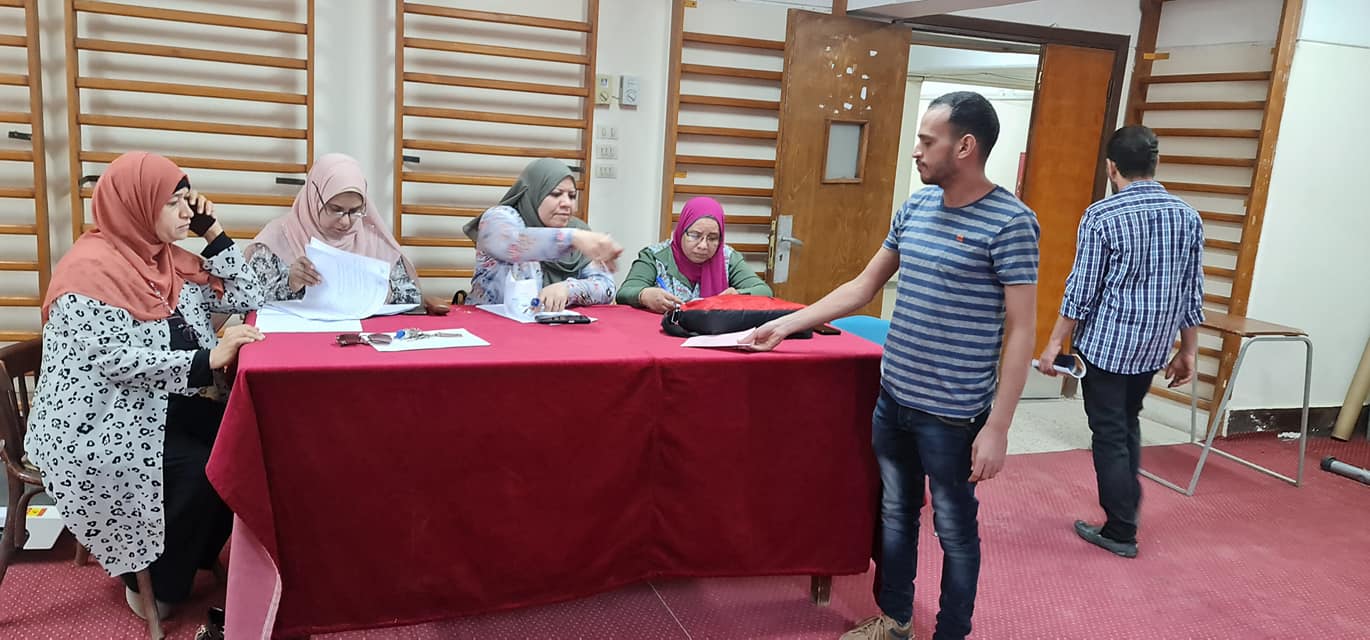
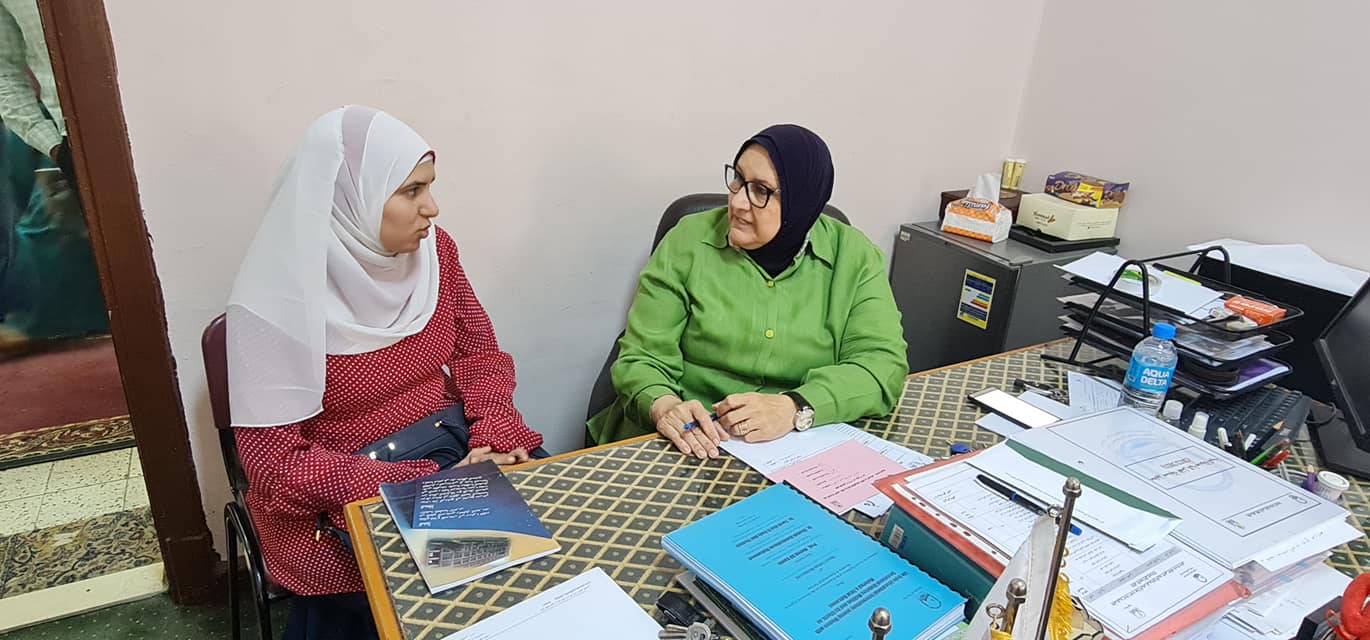
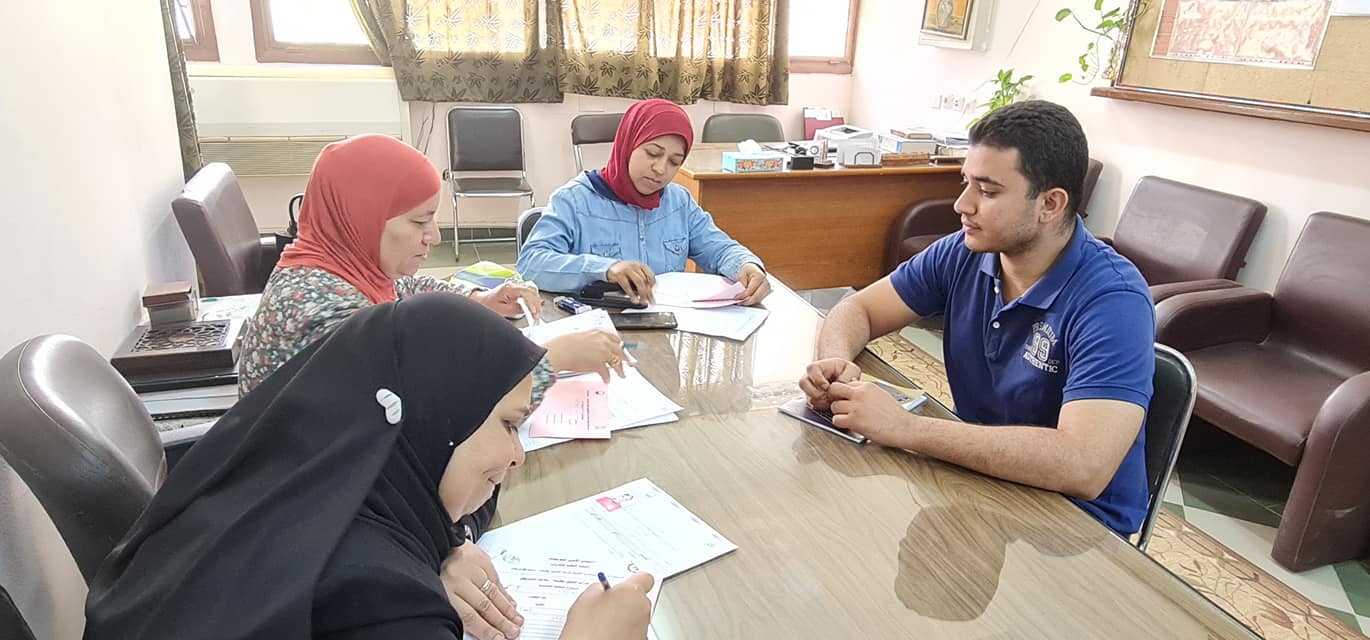
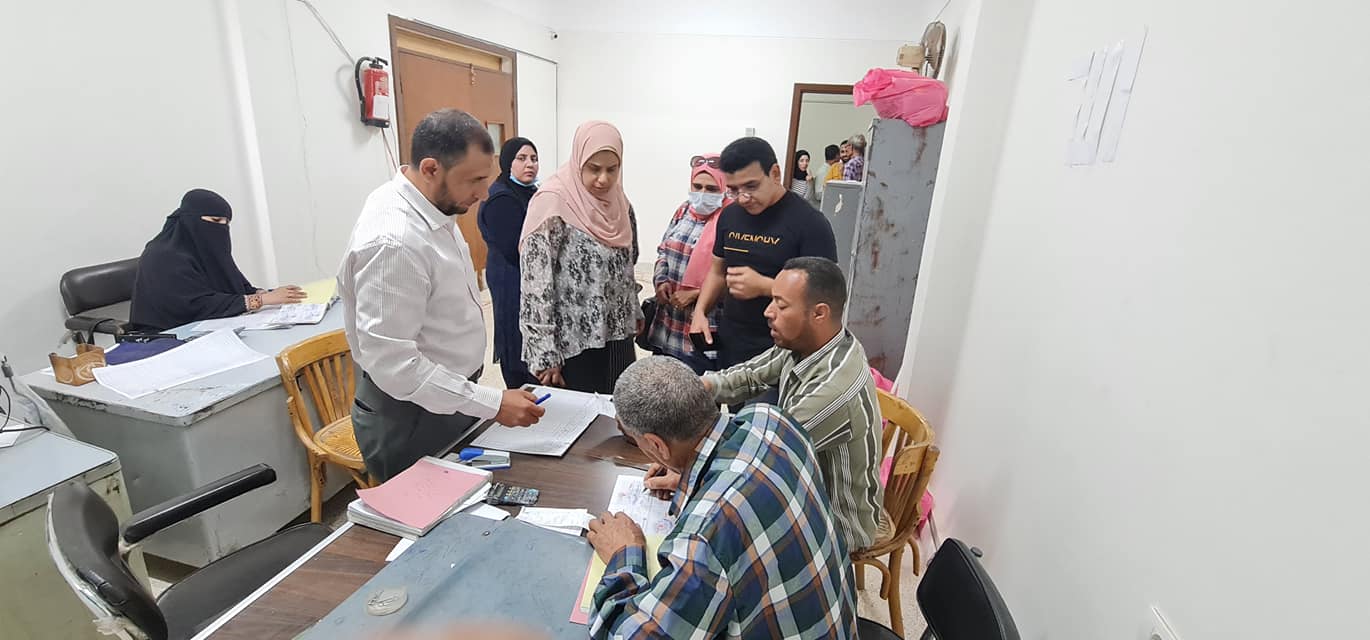
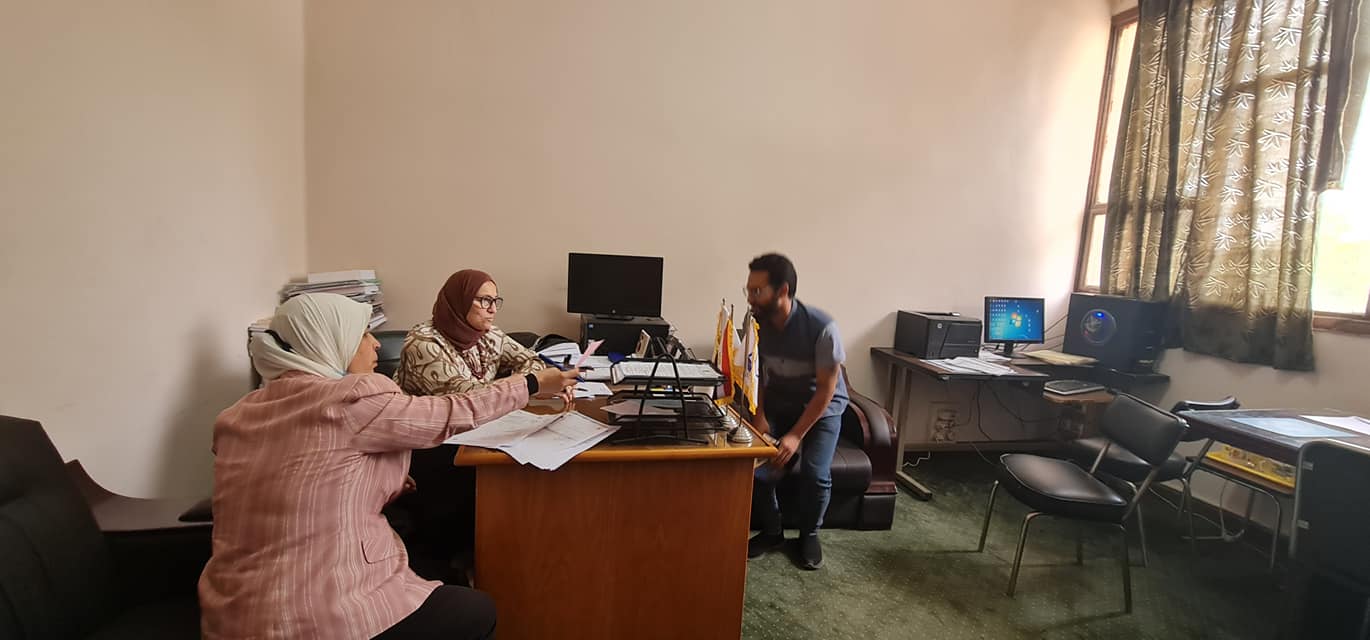
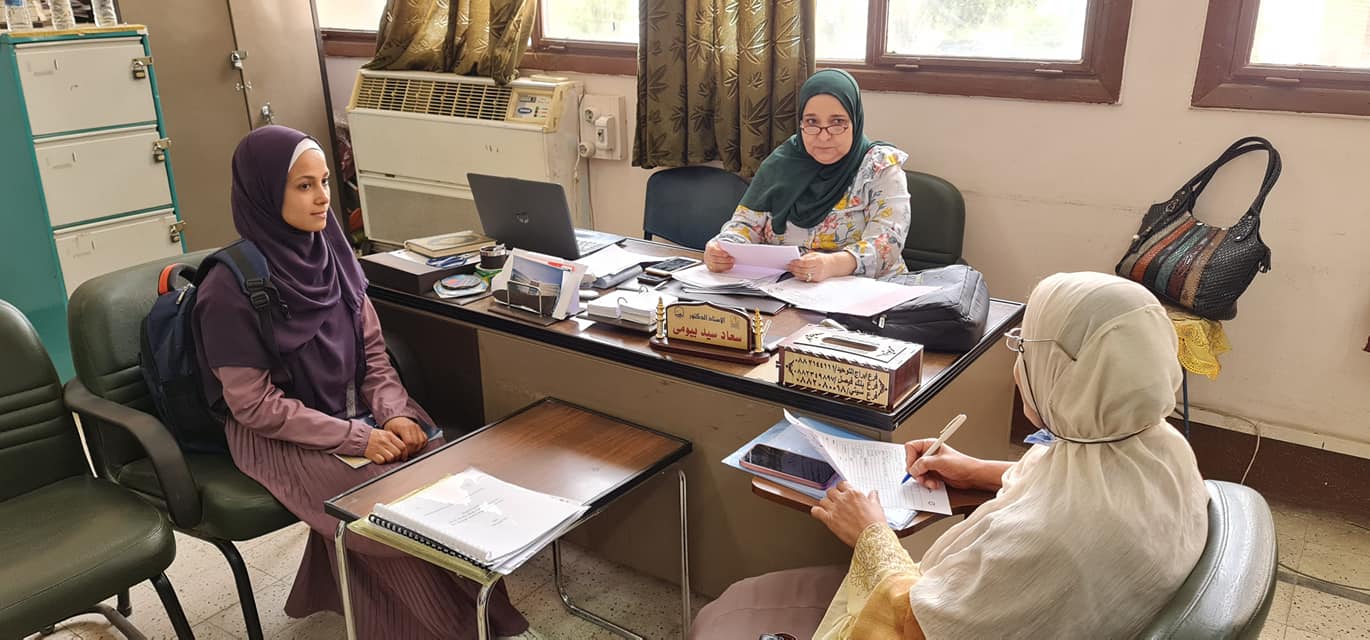
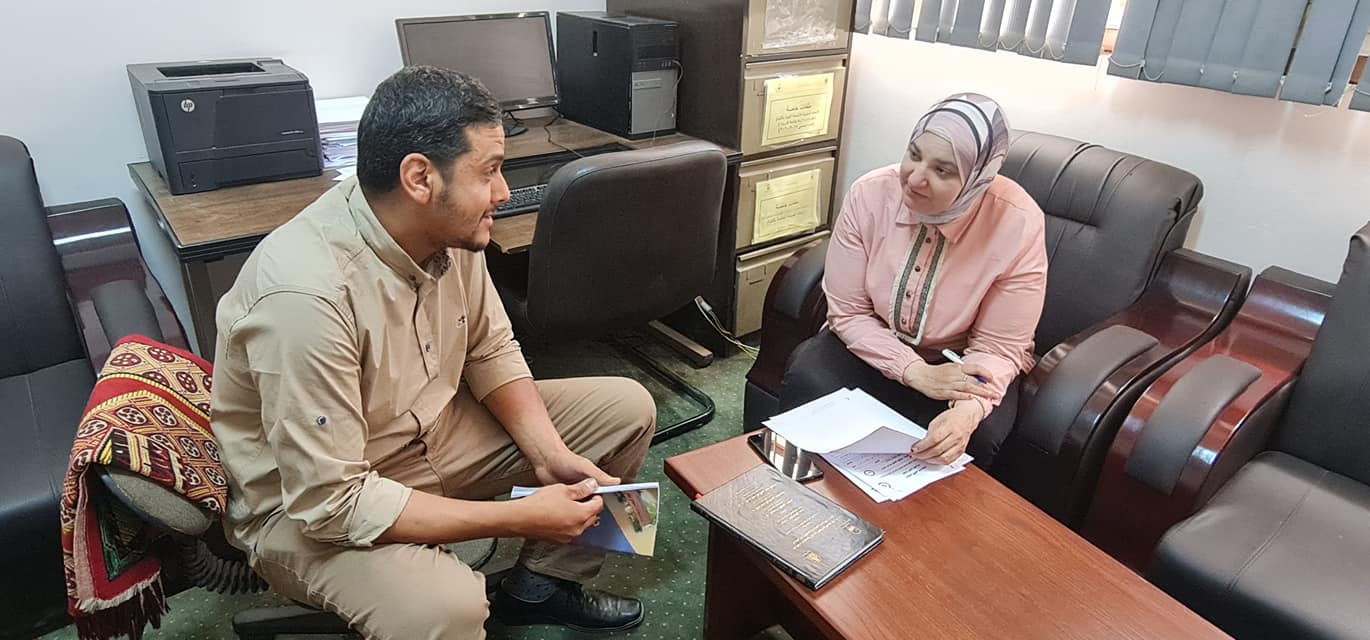
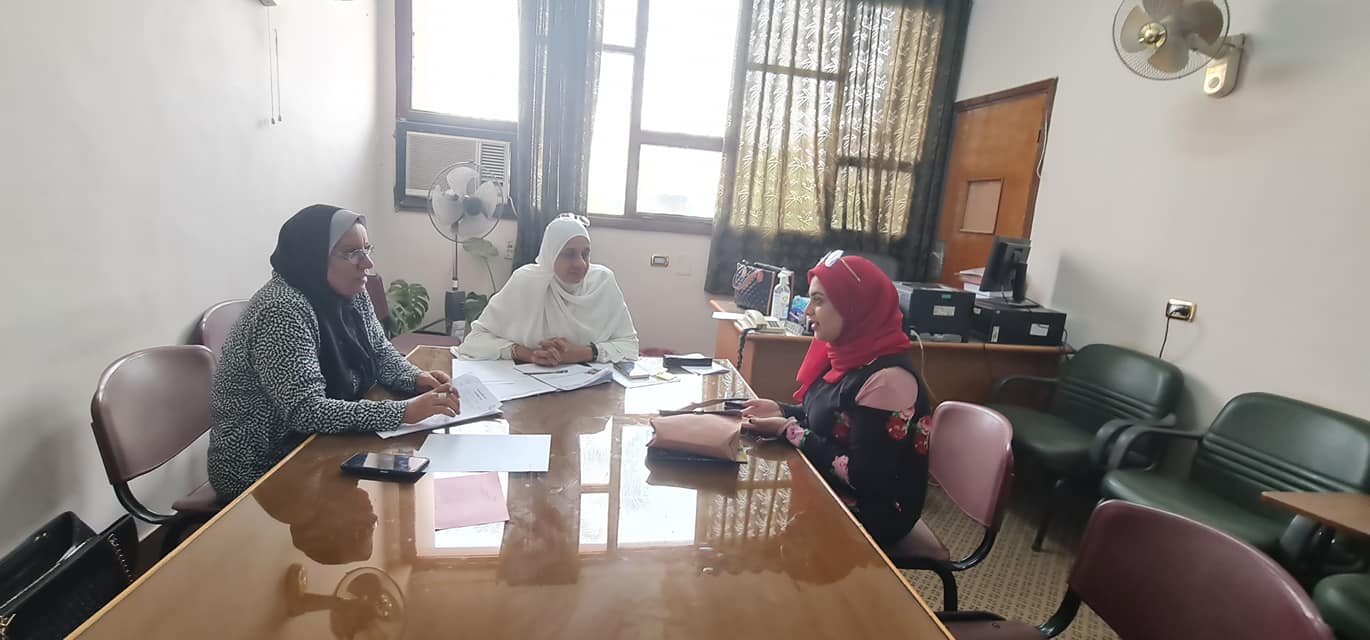
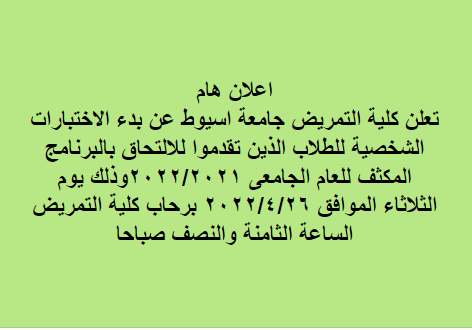
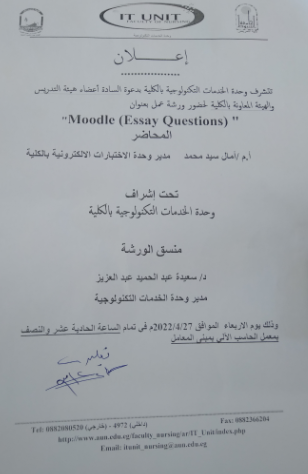
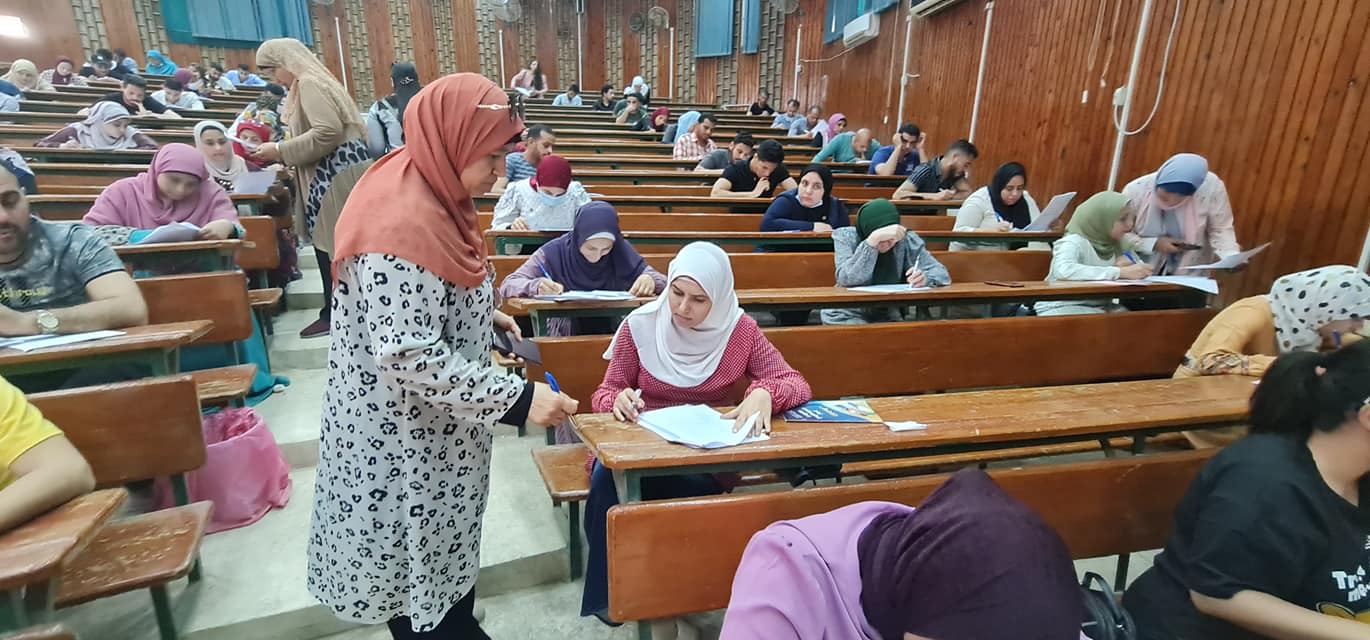
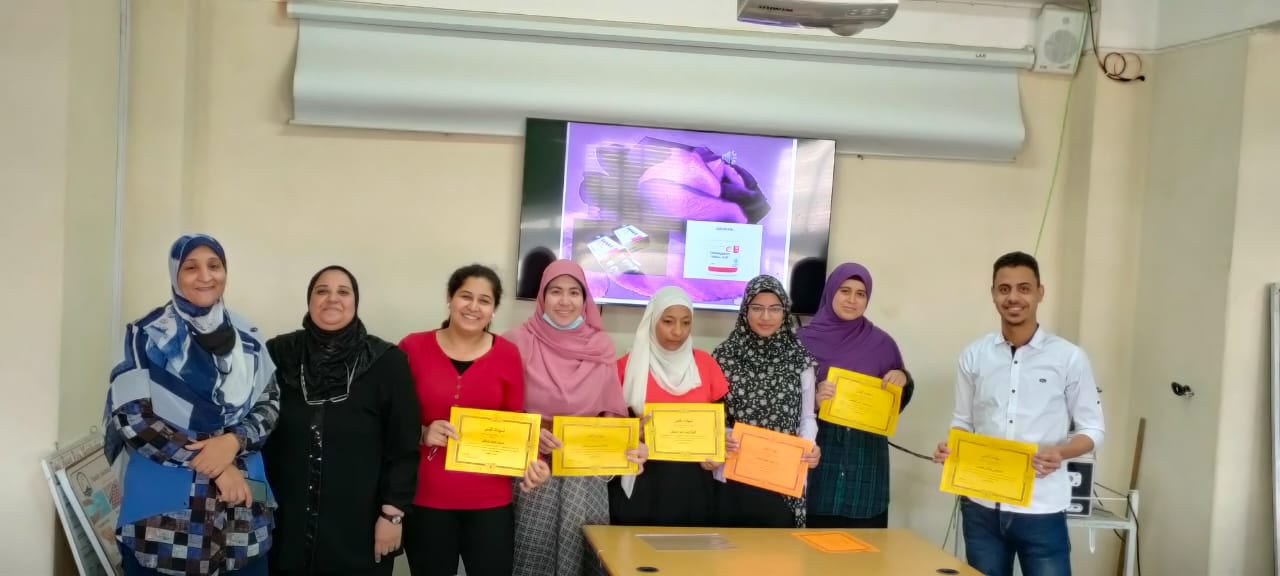
Meeting of Cultural Relations Committee of April 2022
Abstract: Insight and internalized stigma are problems that afflict a large portion of people with psychiatric
disorders. Therefore the aims of this study were to assess the levels of insight and internalized stigma and to
determine the relationship between them among psychiatric patients. Descriptive correlational research design
was utilized in this study. This study was conducted at the inpatient unit at Bani- Ahmed psychiatric hospital in
Minia governorate. Four tools were utilized to measure the variables of the study: Personal and Medical data
Questionnaires, Brief Psychiatric Rating Scale, Insight Scale and Internalized Stigma of mental illness
Inventory.
Results: revealed that, the severity of symptoms increased in females, those who resided rural area, widowed
and divorced patients, also, increased among schizophrenia, depression and mania respectively. 61.6% of the
studied sample disagreed that, if someone said they have a nervous or mental illness they would be right. 45.6%
of the studied sample agreed that they didn't need medication. 35.6% were agree that having a mental illness
has spoiled their life and they feel inferior to others who don’t have mental. People can tell that I have a mental
illness by the way I look.
Conclusion: More than half of the studied sample has lack of insight and there was a considerable feeling of
alienation, endorsement of negative stereotypes and experiences of discrimination and considerable social
withdrawal
Recommendations: psycho-educational programs are recommended to improve patient's insight and decrease
their internalized stigma.
Key words: Insight, internalized stigma, Psychiatric patients.
Abstract: Non-pharmacological treatment for depression or anxiety involves several approaches, including
different modalities of psychotherapy, education, and supportive measures. Several behavioral methods such as
progressive muscle relaxation, breathing exercises, have been successfully used in the treatment of depression
and anxiety disorders among cancer patients. Therefor this study aimed to evaluate the effect of relaxation
training techniques and psychoeducational program on depression and anxiety among cancer patients. Aqusi
experimental pretest-posttest controlled design was utilized. Subject was included all cancer patients attending
the out patients clinic or in patients departments at South Egypt Cancer Institute at Assiut city during six months
period. Patients were assessed through; the demographic data questionnaire, DASS (depression, anxiety, and
stress scale). Results: Majority of the participants were females, housewives , living in rural area, married and
illiterate or read and write diagnosed with breast cancer and received chemotherapy. There were no significant
differences in the mean scores of all items of DASS scale among experimental and control groups before
program implementation. There were decrease in mean scores of depression, anxiety and stress at one month
and two month after implementation of the relaxation and psychoeducational program. Conclusion: Relaxation
technique and psychoeducational program were effective to improve anxiety and depression in cancer patients.
Recommendation: Relaxation training and psychoeducational program have to be part of treatment programs
of cancer patients.
Key Words: -Relaxation, Psychoeducational ,Program, Depression and Anxiety, Cancer patients.
bstract: Background: It is necessary to identify lack of resilience as risk a factor associated with drug
dependency and high risk behaviors and coping strategies against them since these variables may form a
constitutive part of a health and safety management plan among people with substance abuse disorders. It was
founded that, resiliency in drug abusers is lower than others and such tendency could play a critical role in
addiction. This study aimed to examine the effectiveness of Strengthening Resilience training program on
patients with Substance Abuse. Design: Aquasi experimental research design was utilized. Sample: purposive
sample of 45 patients with drug abuse attending at the inpatient of addiction management unit at Assiut
University hospital was used. Tools: Data were collected through, Personal data sheet, Pattern of drug
addiction questioner & Connor-Davidson Resilience scale (CD-RISC). Results: there were significant increase
in the mean scores of achievement motivation, self-confidence, tenacity, and adaptability factors in post
program and one month follow up than preprogram. Conclusion: According to the data, resilience of patients
were improved significantly by resilience training (P < 0.001).Recommendations: Use the training program at
hospitals, centers and institutions that deal with psychological rehabilitation for drug addicts and psychotropic
substances.
Key Word: Resilience, Training, program, patients, Substance Abuse.
Abstract
Researches has failed to incorporate the challenges facing male nursing
students. Therefore; this study aimed at assessing the frustration facing male
students in maternity curriculum and their life satisfaction. An exploratory
descriptive research design was utilized. Faculty of Nursing, Assiut
University- Egypt, was the setting. Subjects include a convenient sample of
all male nursing students who studied & recently passed Maternity
Curriculum; a total of 162 students were recruited. Tools for data collection
included; interview questionnaire; Frustration scale, which developed by of
Mobark and Haroon (2015) and Life satisfaction scale, which developed by
Eldesoky (1669). The duration for data collection lasted for 6 months
precisely from January to June 2016. Results of this study revealed that the
mean age of participant students was 21.31years. There was a highly
statistically significance differences between frustration level and general
feeling of satisfaction. Also high frustration level associated with low level of
satisfaction. This study concluded that the level of frustration strongly
correlated with level of satisfaction. This study recommended future
researches on enrollment, frustration, satisfaction and perception of male
nursing students and the importance of further researches in this field with
comparison between both sexes.
Key words: Maternity curriculum, Male nursing student, Frustration, Life
satisfaction
Abstract : The study aimed to determine depression, anxiety symptoms and coping strategies among women with breast cancer during chemotherapy, and to investigate the relationship between them. A descriptive correlational design was utilized. The study was carried out in the oncology unit at Assiut University Hospital and South Egypt Cancer Institute. The sample comprised of all women with breast cancer on chemotherapy attending the oncology unit and South Egypt Cancer Institute during three months period from January to March 2015. Tools of study comprised of personal data questionnaire, the Hospital Anxiety Depression Scale (HADS) and Brief COPE scale. Results: 62.2%, 32.4% of the studied group were abnormal (case) anxiety, and depression respectively. The highest mean scores of coping strategies were related to religion use of emotional support, active coping, use of instrumental support, planning, and positive reframing. Conclusion: The highest mean score of the studied group used emotional focused strategies, as a method of coping with anxiety and depression symptoms. Recommendations: Designing and implementing psychoeducational programs about stressors related to patients with breast cancer.
Key words: psychological distress, Coping Strategies, Breast Cancer, Chemotherapy.
Abstract: Hoarding is defined as the acquisition of and failure to discard a large number of possessions, which
results in debilitating clutter and subsequent impairment and distress. This study aimed to examine the association
between saving cognition and distress tolerance as predictor factors for hoarding behavior. An exploratory
descriptive research design was utilized in this study. Setting: The study was carried out in Faculty of Nursing,
Assiut University, and Faculty of Nursing, Sohag University, Egypt. Subject: The total number of nursing students
from two faculties' was587 students. Tools: Data were collected through, Personal data sheet, Distress Tolerance
Scale, Saving Cognitions Inventory and Hoarding Rating Scale-Interview. Results: there were statistically
significant relation between saving cognition scale and distress scale (r= 0.244) with (P. value=0.001). There were
statistically significant correlation between distress tolerance scale and hoarding(r= 0.143) with(P. value=0.001).
Conclusion: There were positive correlation between hoarding and saving cognition. Saving cognition and distress
tolerance are predictor factors for hoarding behavior. Recommendations: It was recommended that: Future
researches are needed to replicate the results in samples with clinically significant levels of hoarding.
Keywords: Saving cognition, Distress tolerance, Hoarding.