ا. د/ حسام العربي استاذ طب القلب والاوعية الدموية ومدير مستشفى القلب
بدء برنامج زراعة الصمام الأورطي بالقسطرة
TAVI
في مستشفى القلب الجامعى
جامعة أسيوط
بحضور الاستاذ الدكتور/ محمد سعد أستاذ قسطرة القلب بجامعة كيل الألمانية نجاح اجراء جميع حالات الانسداد المزمن للشرايين التاجية أجراها بالتعاون مع فريق الانسدادات المزمنة بالشرايين التاجية للقلب الذي تم تشكيله هذا العام و نجاح اول حالة زراعة للصمام الاورطى عن طريق القسطرة فى جامعة اسيوط.
Successful 12 complex CTO cases, extensive calcified coronary case, and 1st TAVI case in Assuit university heart hospital
بالتوفيق لجميع الاساتذة و الزملاء بقسم القلب باسيوط على المجهود الكبير لانجاح هذا العمل.
مع كل الشكر لفريق القسطرة من الفنيين و التمريض و تمنياتنا بدوام التقدم.
Extra channel report on the operation of the largest university hospital for emergencies and injuries
قناة اكسترا نيوز تقدم تقرير متميز من إعداد الزميل هيثم البدرى عن تشغيل أكبر مستشفى جامعى للطوارئ والاصابات على مستوى الجمهورية والتى خصصتها جامعة أسيوط لخدمة مصابى الطرق والحوادث من مختلف محافظات الصعيد
أ. د/علاء عطية عميد كلية الطب ورئيس مجلس إدارة المستشفيات الجامعية.
أ. د/ اماني عمر وكيل الكلية لشئون التعليم والطلاب
أ. د/ يوسف صالح وكيل الكلية لشئون الدراسات العليا والبحوث
أ. د/ سعد زكي محمود وكيل الكلية لشئون خدمة المجتمع وتنمية البيئة.
يهنئون
الاستاذ الدكتورة / مها كامل غانم
نائب رئيس الجامعة لشئون المجتمع وتنمية البيئة
بمناسبة قرار الاستاذ الدكتور خالد عبد الغفار القائم بأعمال وزير الصحة والسكان لاختيار سيادتها عضواً باللجنة العلمية للأمراض الصدرية والدرن التابعة لوزارة الصحة.
اللجنة برئاسة الدكتور محمد عوض تاج الدين أستاذ الأمراض الصدرية بطب عين شمس ومستشار رئيس الجمهورية لشئون الصحة وتضم 11 عضواً من كليات الطب بمختلف الجامعات المصرية.
وفقكم الله واعانكم علي المسئولية
Congratulations to the faculty members on the promotions
ا. د/ حسام العربي استاذ طب القلب والاوعية الدموية ومدير مستشفى القلب
ا. د/ احمد غنيم استاذ ورئيس قسم جراحة القلب والصدر
جراحة جديدة
تضاف الى سلسلة عمليات جراحة القلب
ذات التدخل المحدود
والتي يتم اجرائها بمستشفى القلب الجامعي بأسيوط
بواسطة الفريق الجراحي الذي يرأسه د/محمد علاء نادي استشاري جراحة القلب والصدر واستشاري جراحة القلب بالمنظار الجراحي عبر فتحات متناهية الصغر حيث تم سابقا اجراء جراحات لاستبدال الصمام الميترالي واستبدال الصمام الثلاثي واصلاح الثقب بين الاذينين كأحد العيوب الخلقية بالكبار وقد تم اضافة جراحات استبدال الصمام الاورطي عبر نفس التقنية...
حيث تم تشخيص شاب ٣٦ سنة بارتجاع شديد بالصمام الاورطي مع اعراض النهجان وضيق التنفس مع المجهود وبعد التشخيص تم اجراء العملية يوم الثلاثاء الماضي الموافق ٢ اغسطس
اعضاء فريق الجراحة...
د/الحسين عبد المطلب مدرس مساعد
د/كريم أحمد مدرس مساعد
واخصائي الارواء أحمد أشرف على ماكينة القلب والرئة الصناعي
وأعضاء فريق التخدير
ا. د/ عصام عبدالله استاذ التخدير ومشرف التخدير بمستشفى القلب
أ.د/ أحمد أبوالفتوح استشاري التخدير
د/ مؤمن مصطفى مدرس مساعد التخدير والعناية المركزة
د/ سارة منصور مدرس مساعد التخدير والعناية المركزة
وتم اجراء الجراحة عن طريق فتحة متناهية الصغر تبلغ ٥ سم بدلا من شق عظمة القص التقليدية واستبدال الصمام الاورطي بنجاح ،وتم فصل المريض من جهاز التنفس الصناعي بعد مرور ساعة من الجراحة في الرعاية المركزة لجراحة القلب والصدر وخرج من الرعاية الى الغرف الداخلية اليوم التالي للجراحة ويتماثل للشفاء الآن
مع جزيل الشكر لتمريض القسم والعمليات والرعاية المركزة
شكر خاص للطالبة اسراء عصام بالفرقة السادسة كلية طب أسيوط للتوثيق بالصور
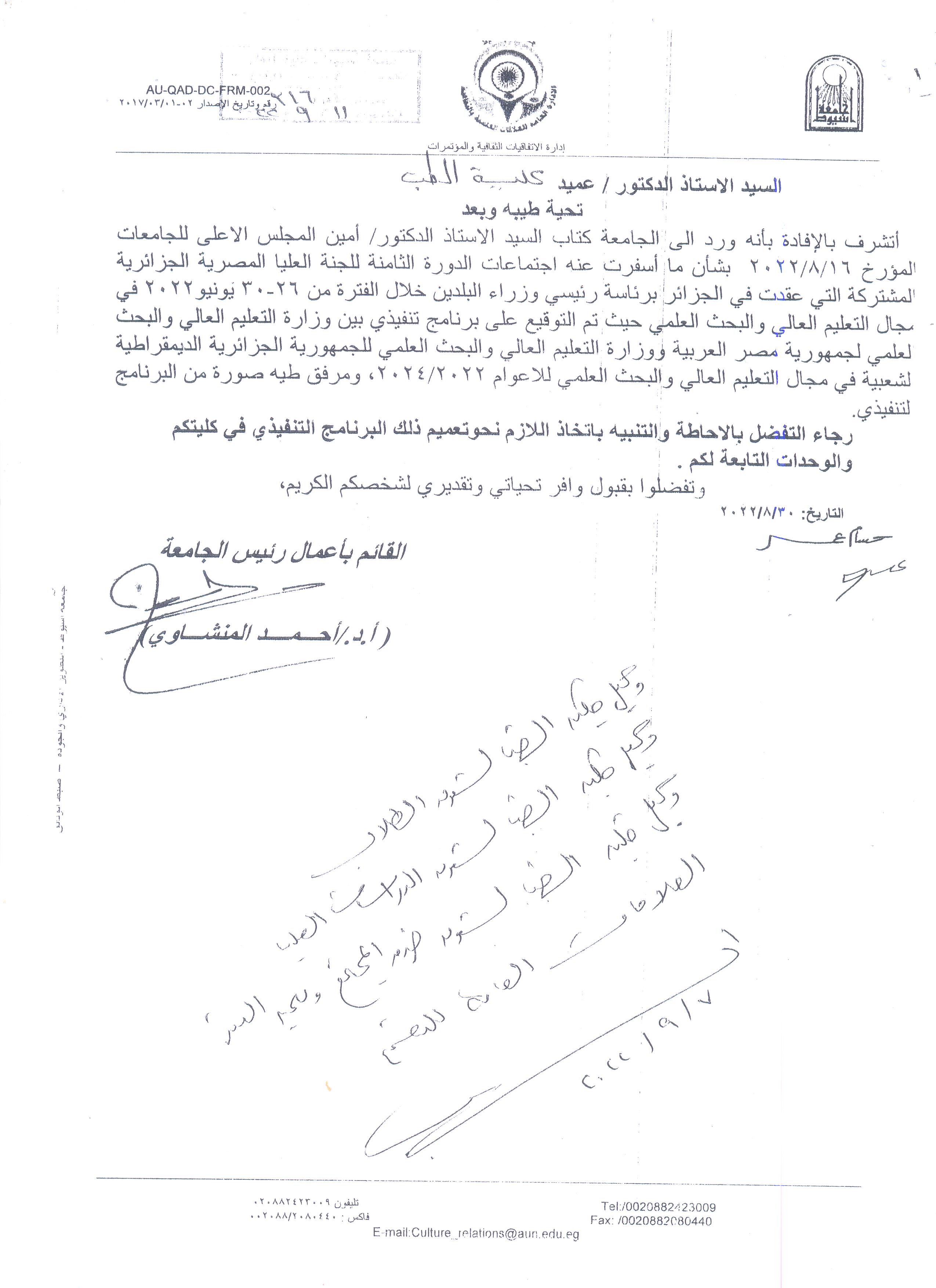
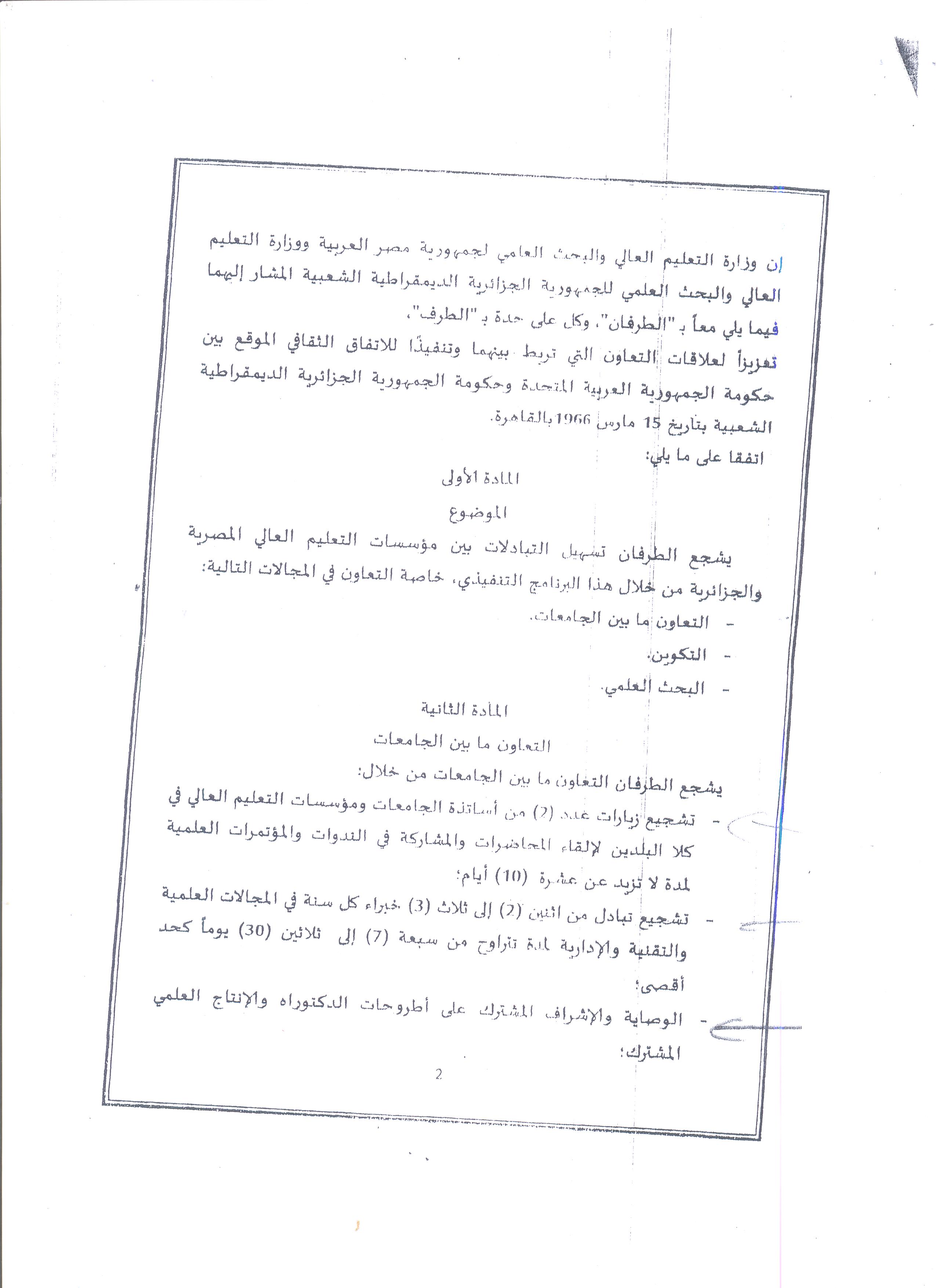
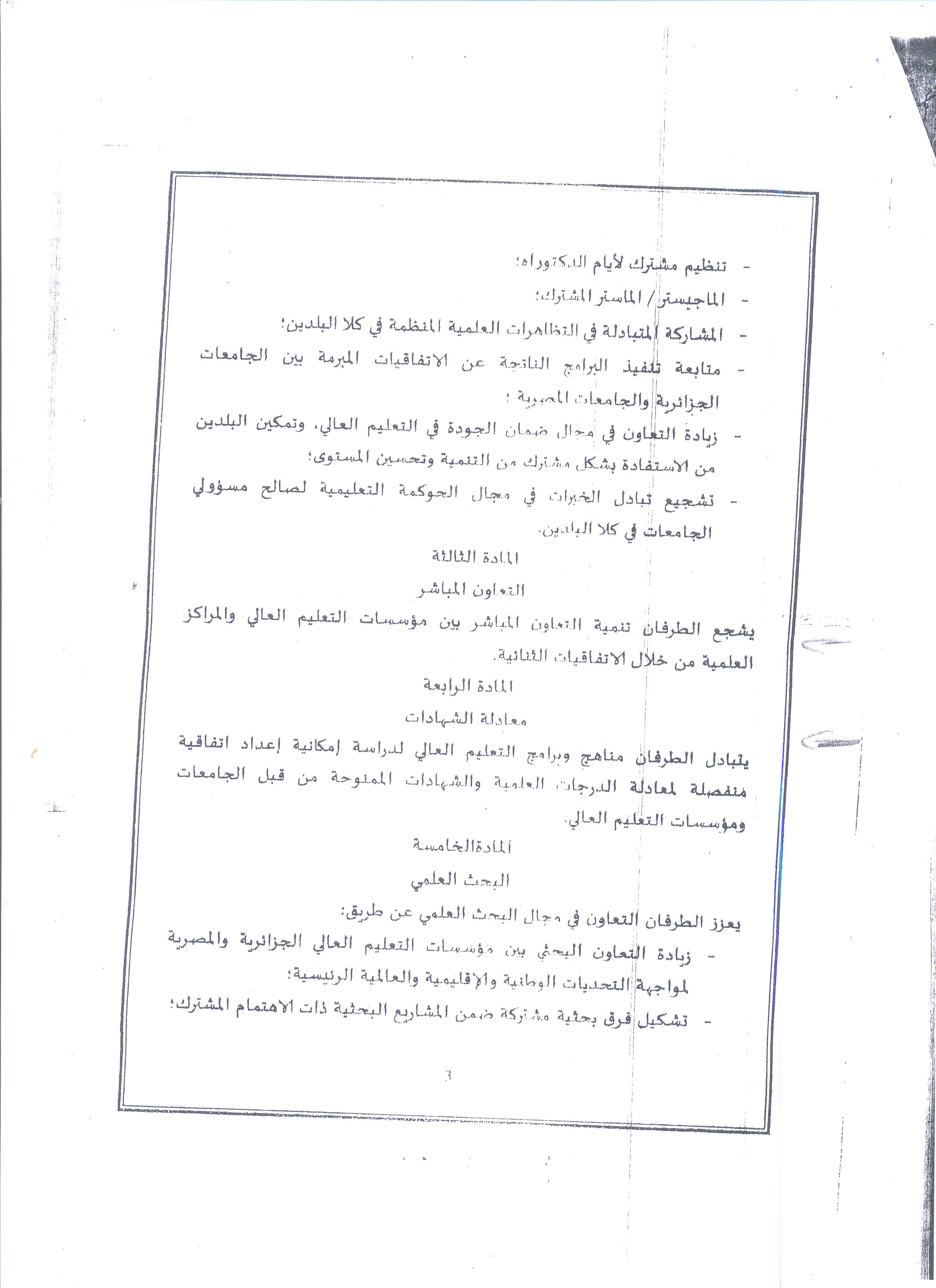
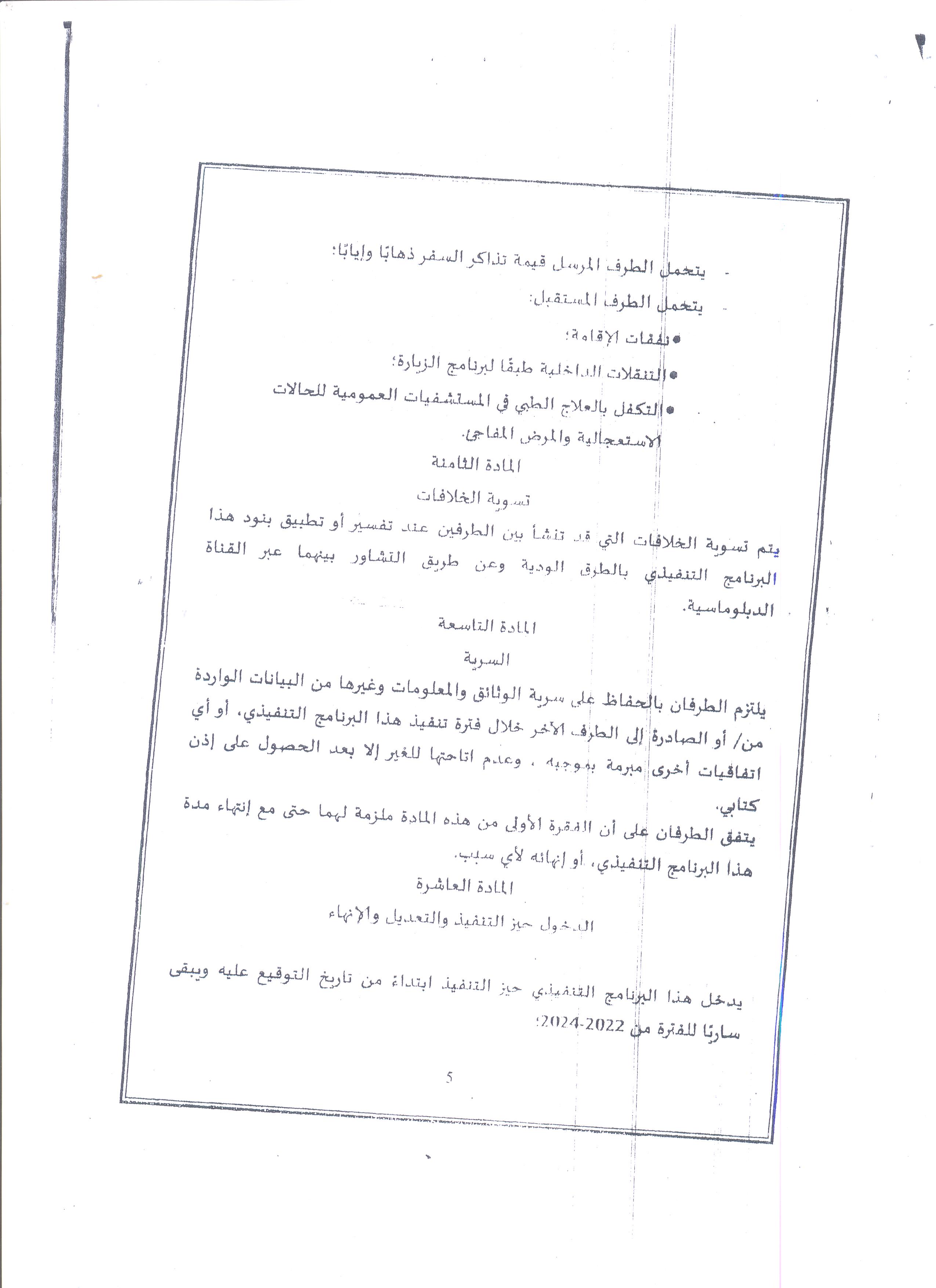
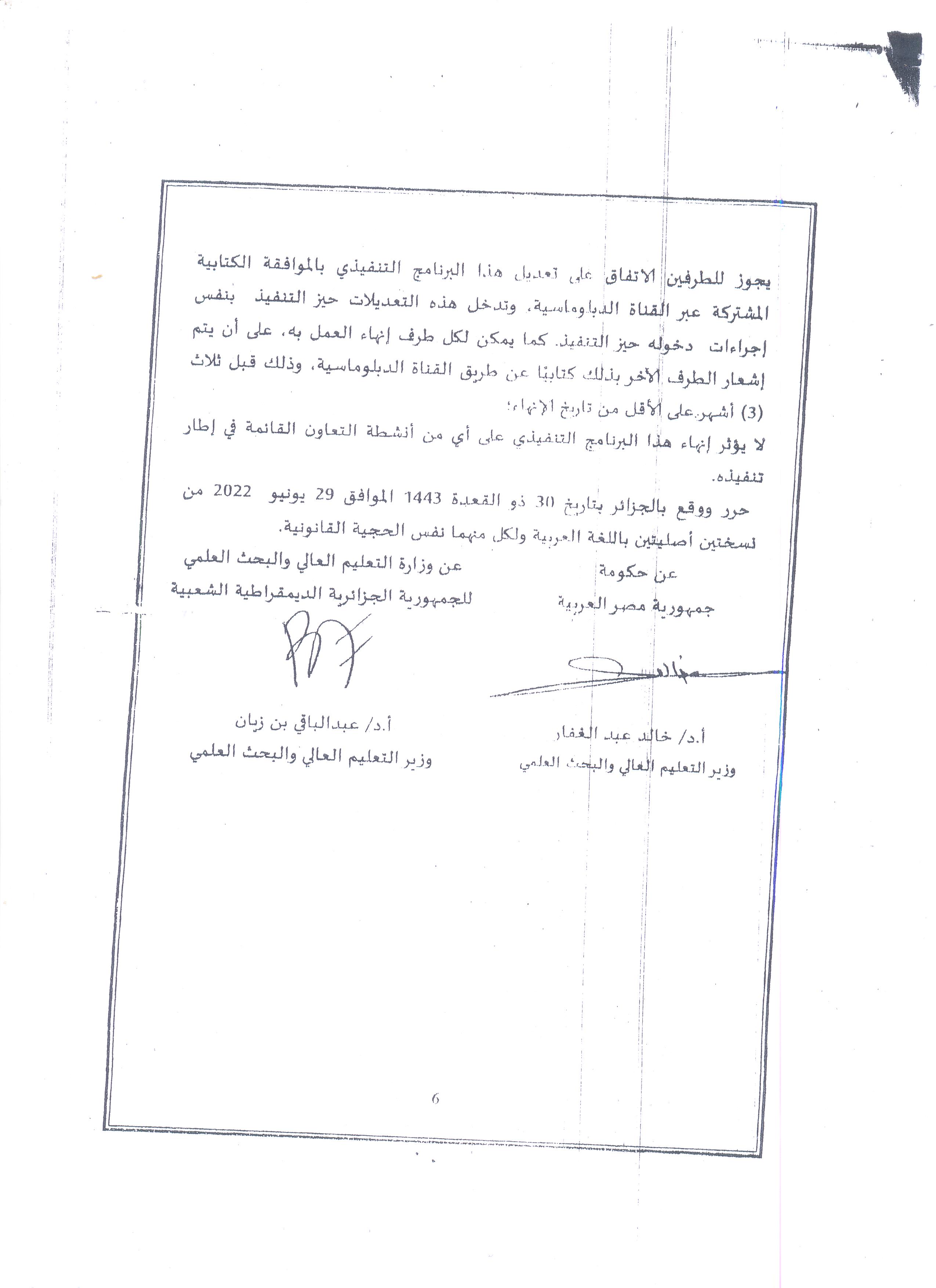
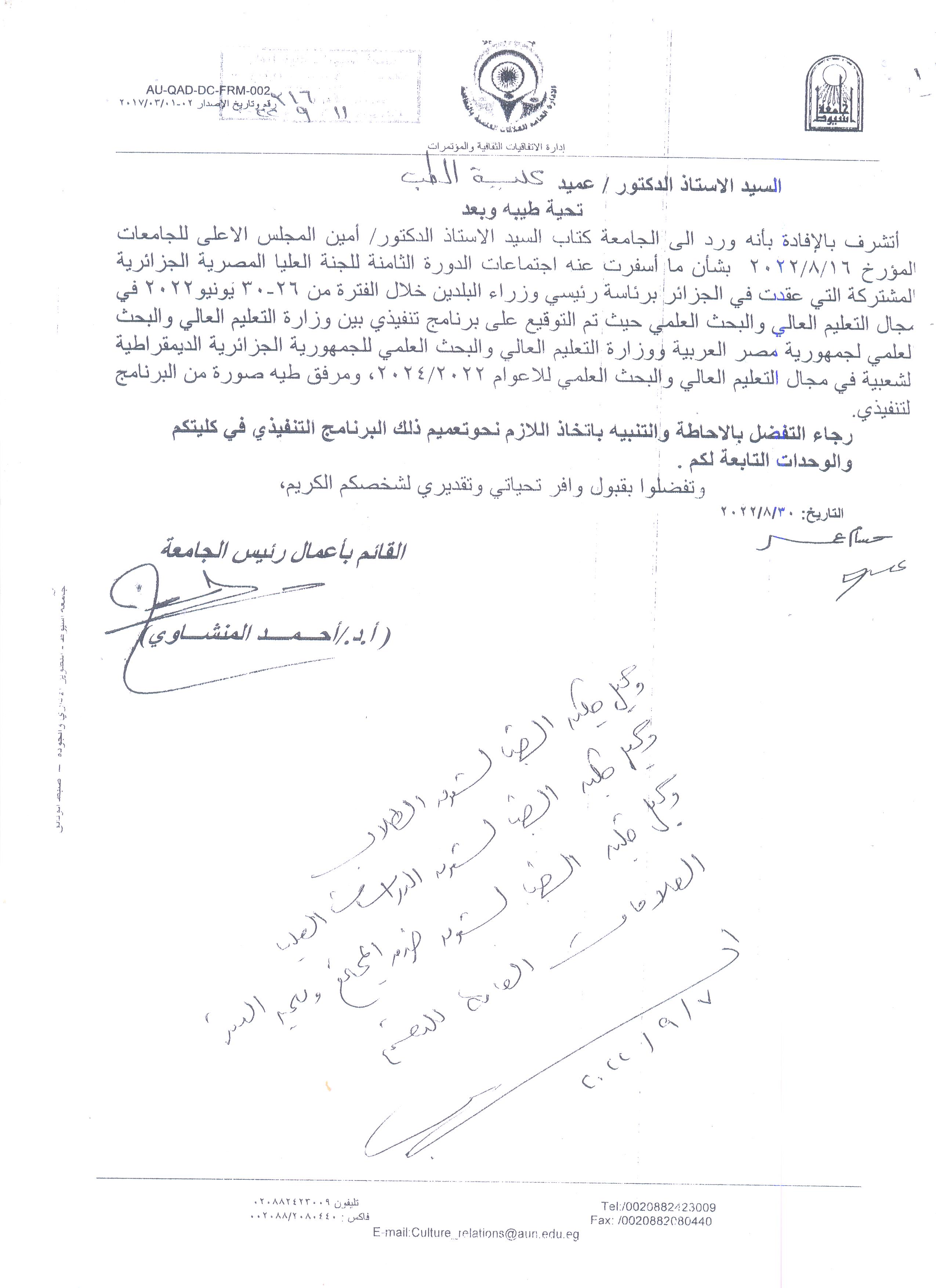
Announcement regarding the book of Prof. Dr. Secretary of the Supreme Council of Universities
 ادات المزمنة بالشرايين التاجية للقلب الذي تم تشكيله هذا العام و نجاح اول حالة زراعة للصمام الاورطى عن طريق القسطرة فى جامعة اسيوط.
 ط على المجهود الكبير لانجاح هذا العمل.
 تعيين الدكتوره / هيام محمد محمود فراج _ لشغل وظيفة أستاذ بقسم الطفيليات الطبية
 Do you have any questions?