Skip to main content
Seminar by Dr. Fatima Mostafa Mohamed Hussein - Assistant Lecturer, Department of Clinical Pathology - Faculty of Medicine - Assiut University
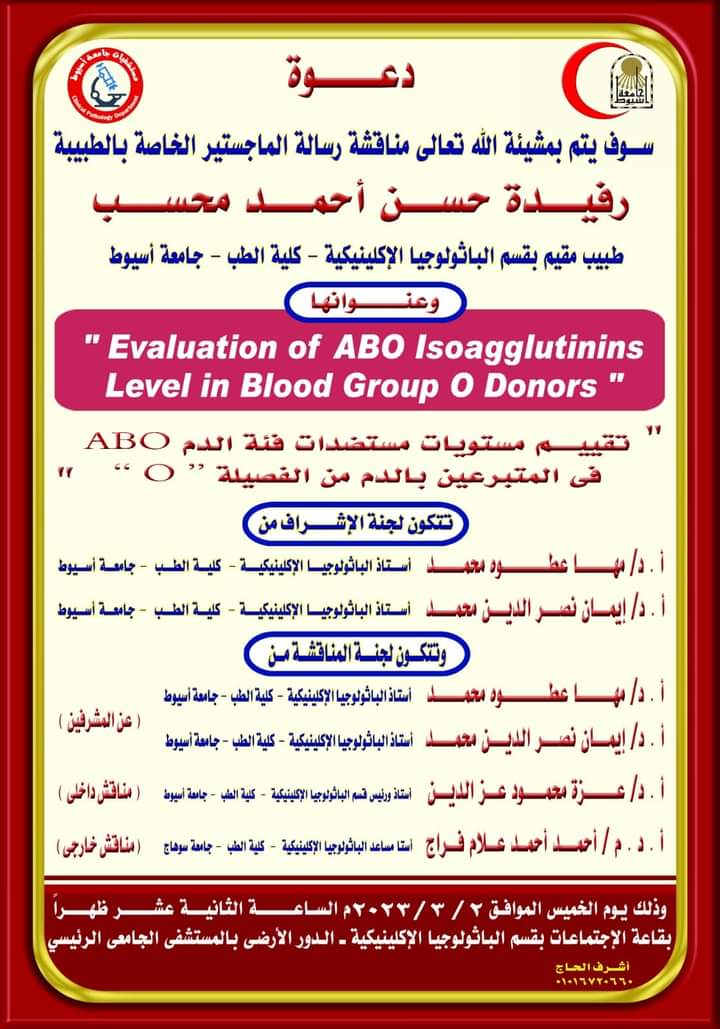
Seminar by Dr. Rafida Hassan Ahmed Mohseb - Resident Physician, Department of Clinical Pathology - Faculty of Medicine - Assiut University
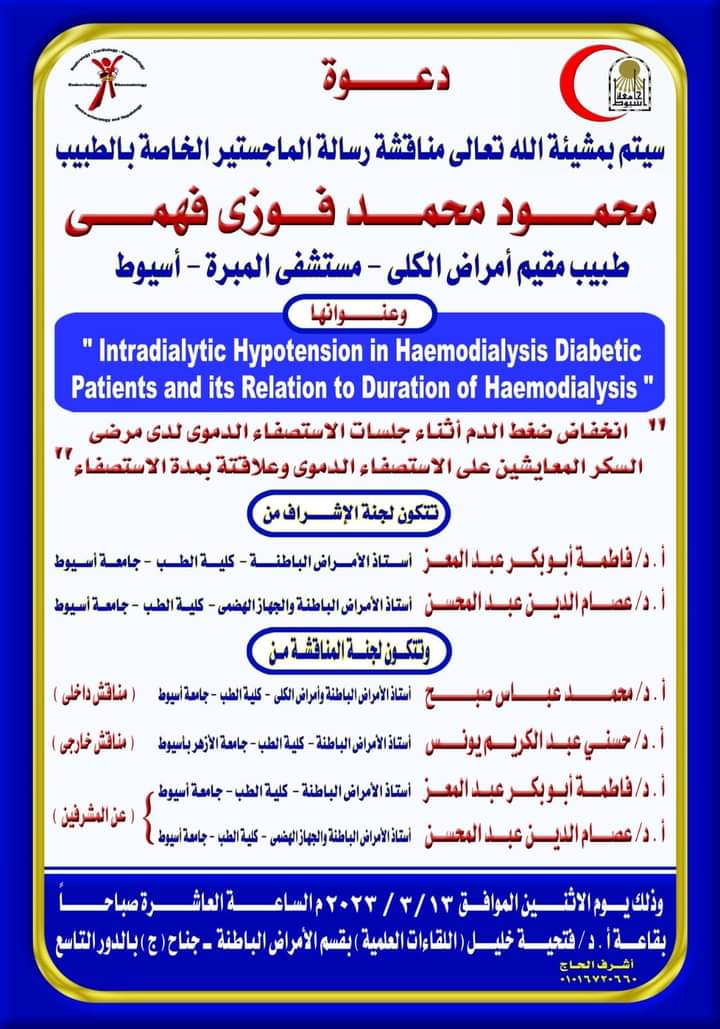
Seminar Doctor / Mahmoud Mohamed Fawzy Fahmy - Resident Physician in Nephrology - Al Mabra Hospital - Assiut
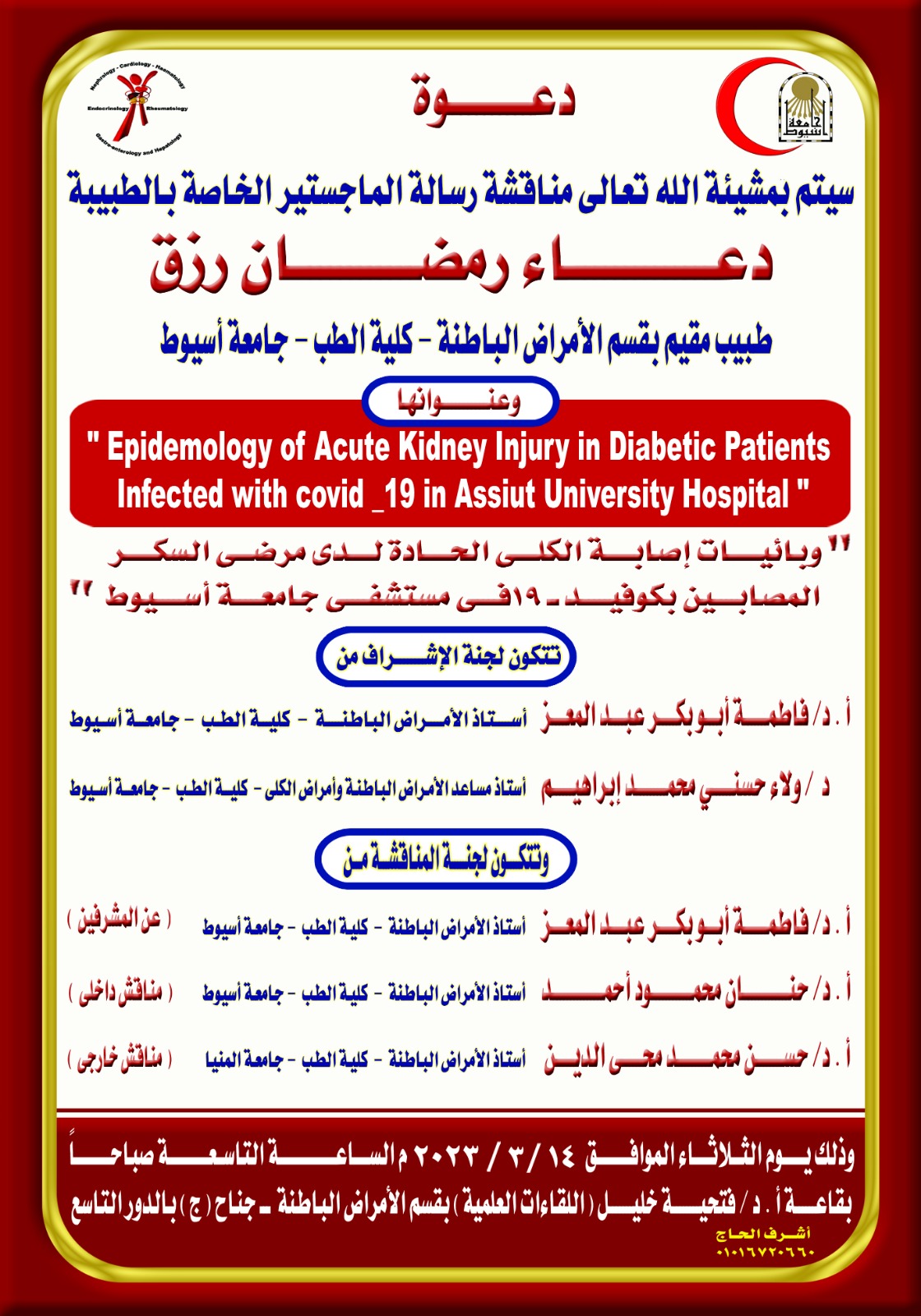
Seminar Doctor / Doaa Ramadan Rizk - Resident Doctor, Department of Internal Medicine - Faculty of Medicine - Assiut University
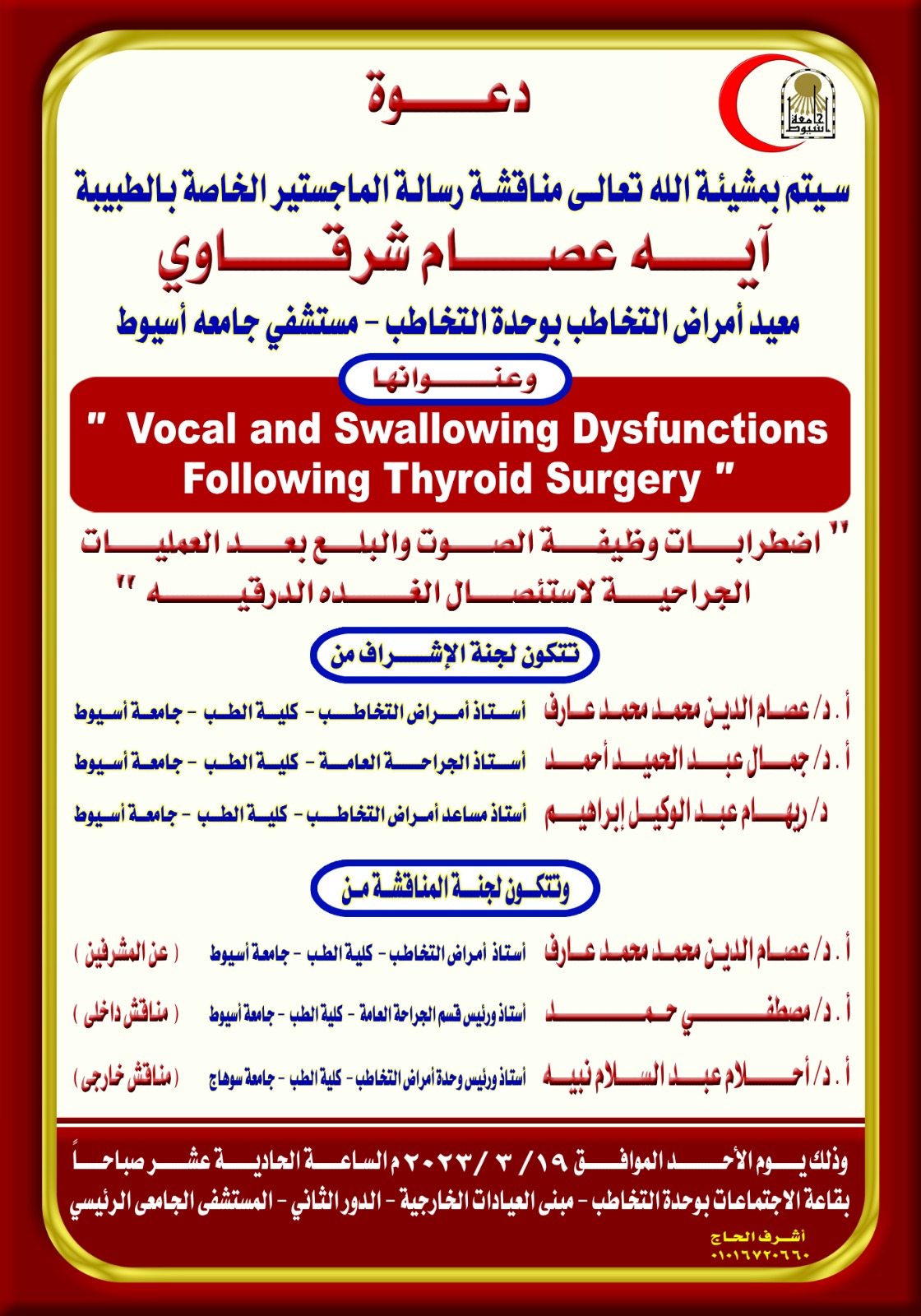
Seminar by Dr. Aya Essam Sharkawy - Demonstrator of Speech Pathology - Faculty of Medicine - Assiut University
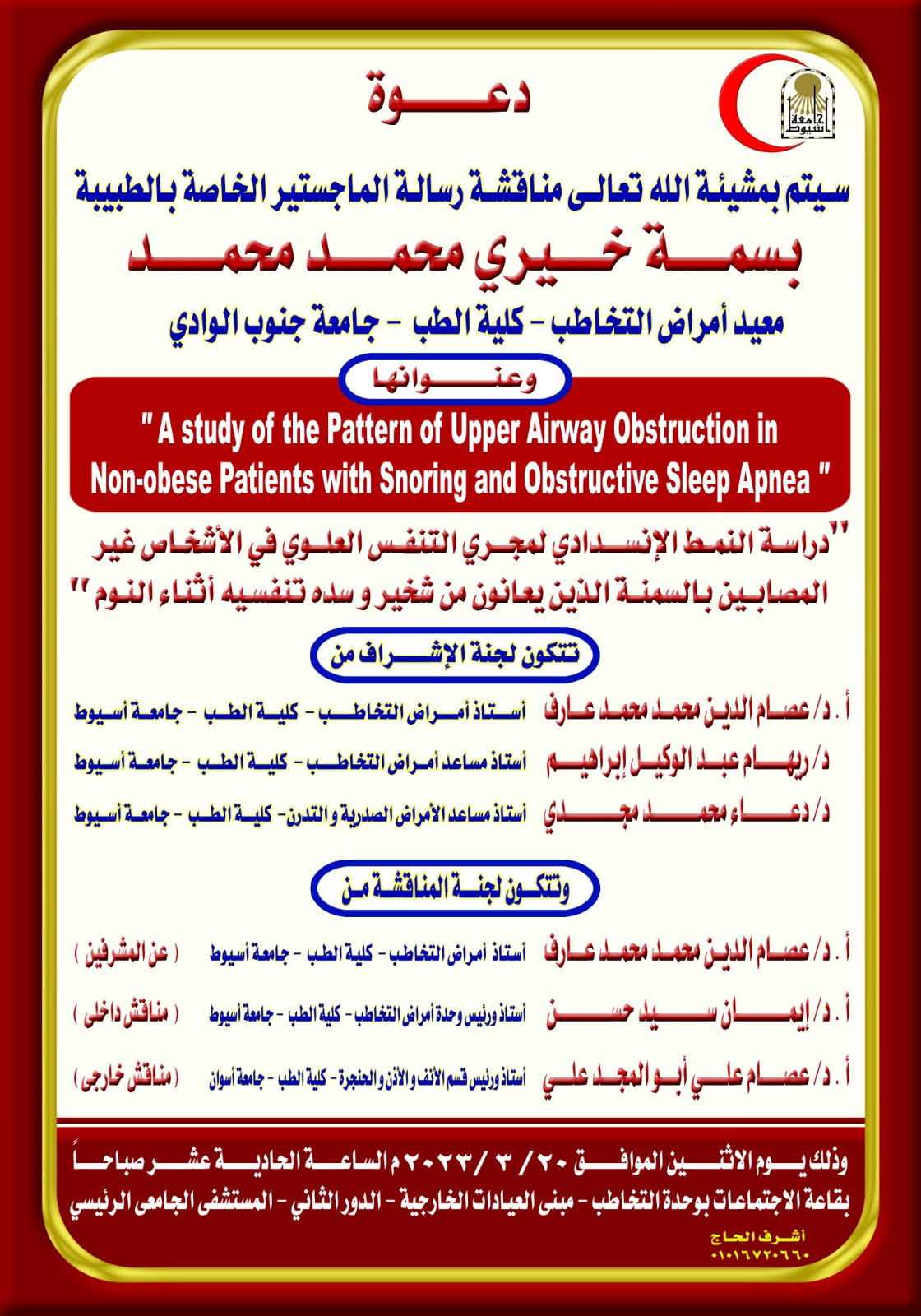
Seminar by Dr. Basma Khairy Mohamed Mohamed - Demonstrator of Speech Pathology - Faculty of Medicine - South Valley University
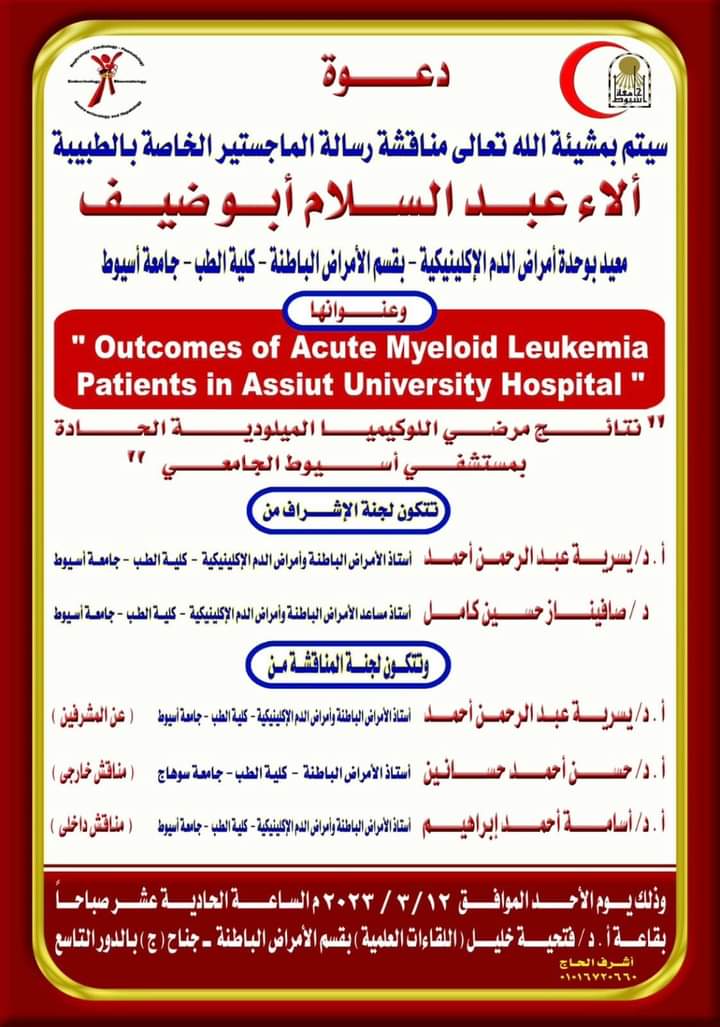
Seminar by Dr. Alaa Abdel Salam Abu Deif - Teaching Assistant in the Clinical Hematology Unit - Department of Internal Medicine
Seminar by Dr. Hazem Gamal Noureddine Muhammad - Teaching Assistant, Department of Otolaryngology
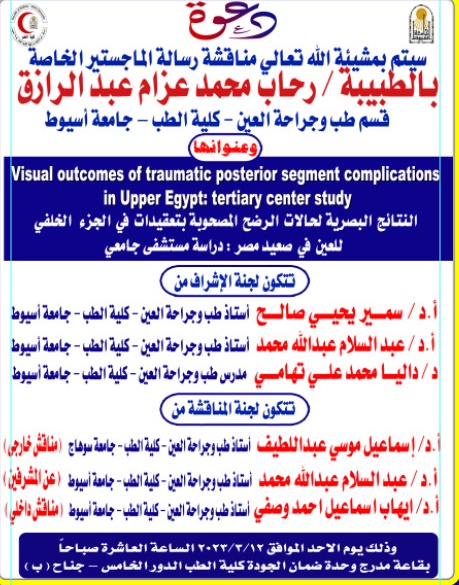
Seminar by Dr. Rehab Mohamed Azzam Abdel Razek - Department of Ophthalmology
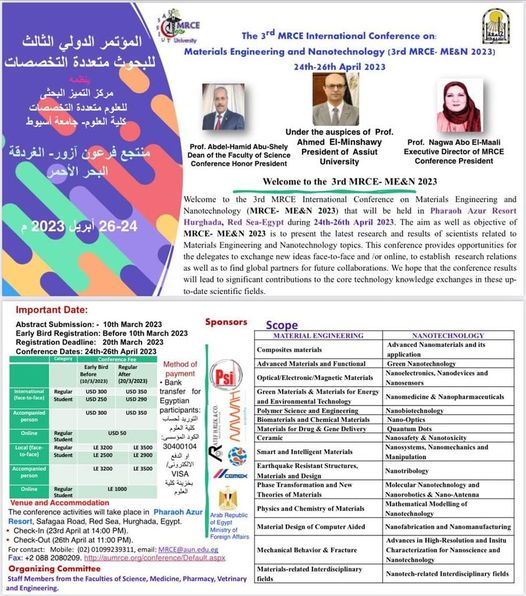
Third International Conference on Interdisciplinary Research
Subscribe to
 Do you have any questions?