تهنئة السادة اعضاء هيئة التدريس والهيئة المعاونة بالترقيات:
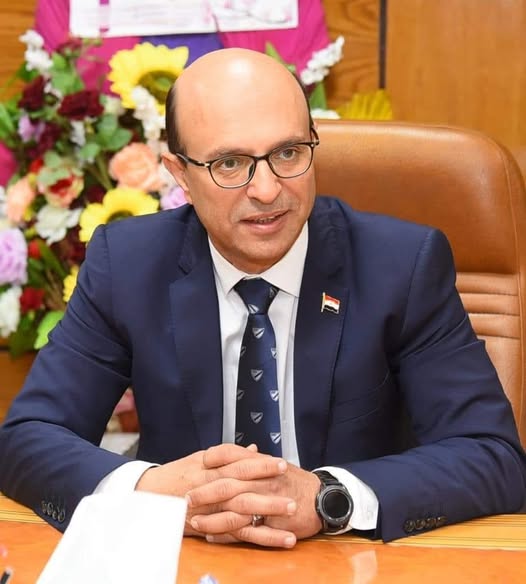
تعيين الدكتور / أحمد محمد أحمد عبد الرحمن _ لشغل وظيفة أستاذ بقسم جراحة المخ والأعصاب .
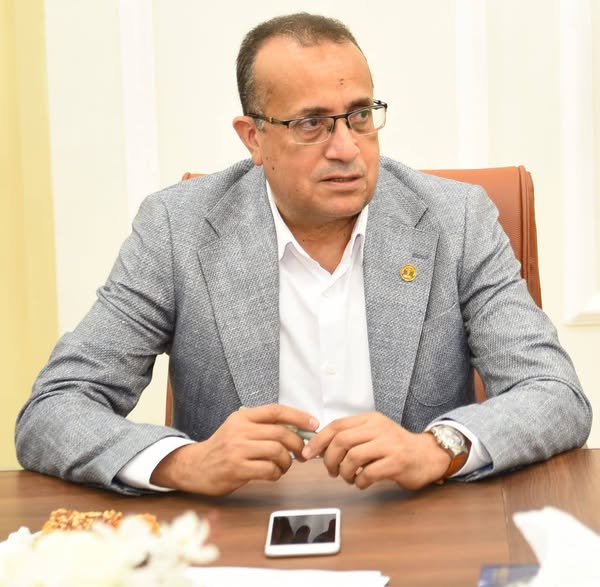
تعيين الدكتور / وائل محمد على عبد الغنى _ لشغل وظيفة أستاذ بقسم جراحة المخ والأعصاب .
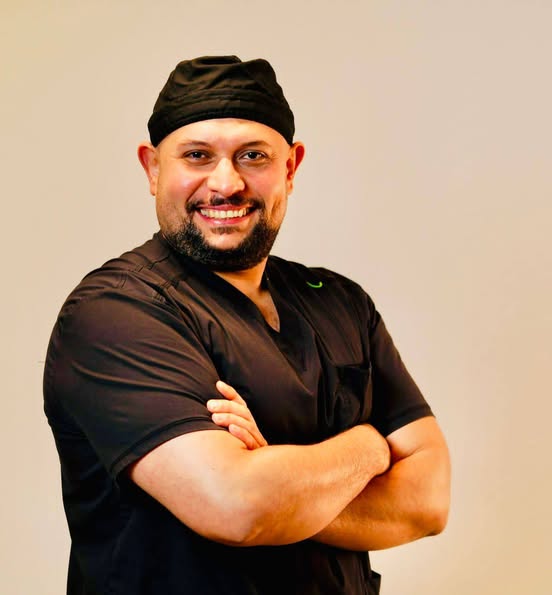
تعيين الدكتور / محمود فتحى راتب حسان _ لشغل وظيفة أستاذ بقسم طب وجراحة العيون.
تعيين الدكتور / محمد خيرى على أحمد _ لشغل وظيفة أستاذ بقسم امراض النساء والتوليد.
تعيين الدكتورة / سارة على حسن صديق _ لشغل وظيفة مدرس بقسم طب المناطق الحارة والجهاز الهضمى .
تعيين الطبيبة / شروق سيد أحمد _ لشغل وظيفة مدرس مساعد بقسم الباثولوجيا الأكلينيكية .
تعيين الطبيب / إبراهيم أحمد يوسف _ لشغل وظيفة مدرس مساعد بقسم جراحة المخ والأعصاب .
تعيين الطبيب / محمد فوزى حسين _ لشغل وظيفة مدرس مساعد بقسم الأمراض الباطنة.
تعيين الطبيبة / شيماء صلاح على ابراهيم _ لشغل وظيفة مدرس مساعد امراض الكلى بقسم الأمراض الباطنة.
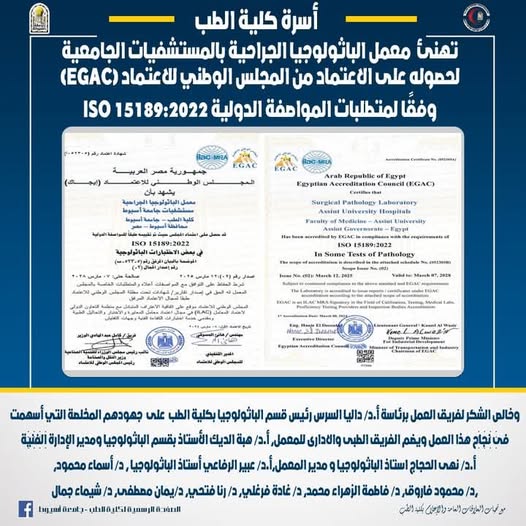
Professor Dr. Alaa Attia, Dean of the Faculty of Medicine and Chairman of the Board of Directors of University Hospitals, extends his sincere congratulations to the Surgical Pathology Laboratory at University Hospitals for obtaining accreditation from the
يتقدم الاستاذ الدكتور علاء عطية عميد كلية الطب ورئيس مجلس إدارة المستشفيات الجامعية، بخالص التهنئة لمعمل الباثولوجيا الجراحية بالمستشفيات الجامعية لحصوله على الاعتماد من المجلس الوطني للاعتماد (EGAC)، وفقًا لمتطلبات المواصفة الدولية ISO 15189:2022
ويعكس هذا الاعتماد المستوى المتميز الذي وصل إليه معمل الباثولوجيا الجراحية مدى الكفاءة الفنية والتجهيزات الحديثة وتطبيق إجراءات الجودة الصارمة، كما أنه يساهم في تعزيز مكانة المستشفيات الجامعية كمركز طبي رائد في صعيد مصر يلتزم بأعلى معايير الجودة والسلامة.
Workshop activities entitled "On the Principles of First Aid and Dealing with Crises and Emergencies"
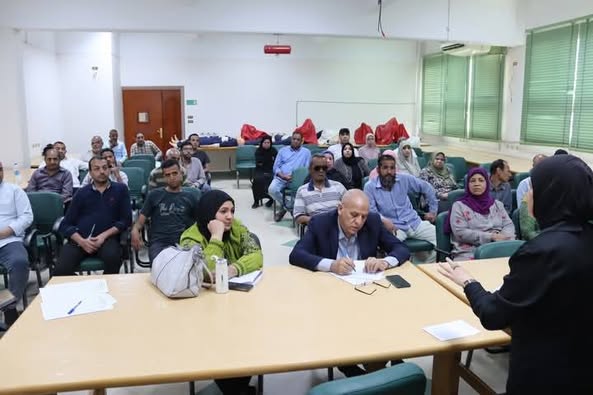
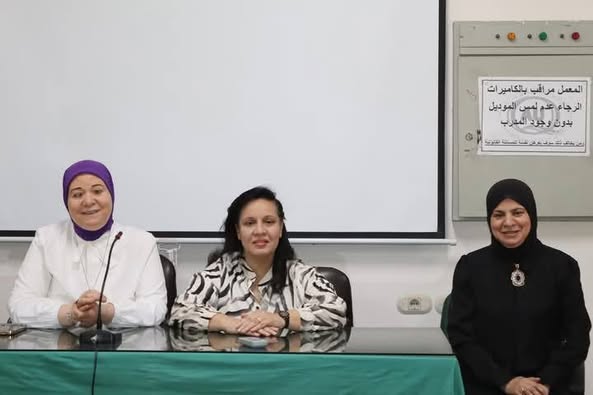
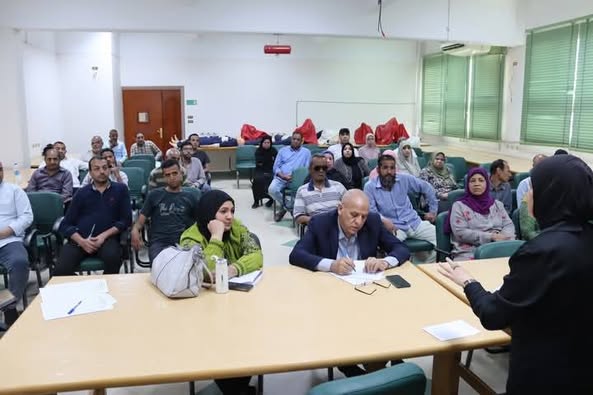
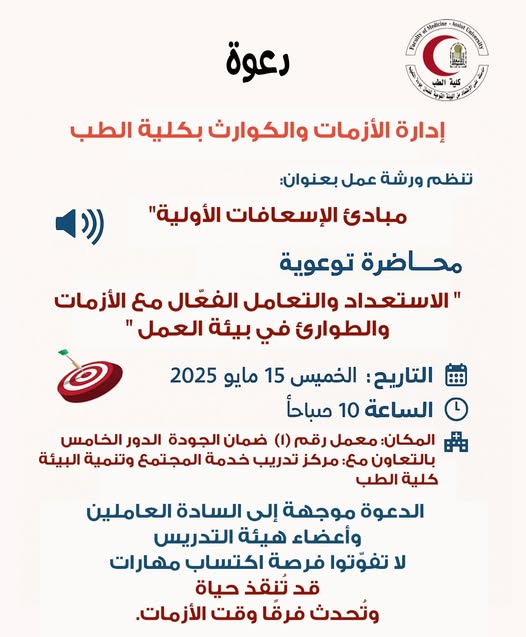
نظّمت إدارة الأزمات والكوارث التابع لقطاع خدمة المجتمع وتنمية البيئة بالتعاون مع مركز تدريب خدمة المجتمع وتنمية البيئة بكلية الطب، تحت رعاية الاستاذ الدكتور أحمد المنشاوي رئيس الجامعة، والاستاذ الدكتور علاء عطية عميد كلية الطب ورئيس مجلس إدارة المستشفيات الجامعية ، وإشراف الأستاذ الدكتور هدى مخلوف وكيل الكليه لشئون خدمة المجتمع وتنمية البيئة، اليوم الخميس ١٥ مايو ٢٠٢٥ ورشة عمل تحت عنوان مبادئ الإسعافات الأولية، والتعامل مع الأزمات والطوارئ.
Workshop activities entitled "On the Principles of First Aid and Dealing with Crises and Emergencies"
نظّمت إدارة الأزمات والكوارث التابع لقطاع خدمة المجتمع وتنمية البيئة بالتعاون مع مركز تدريب خدمة المجتمع وتنمية البيئة بكلية الطب، تحت رعاية الاستاذ الدكتور أحمد المنشاوي رئيس الجامعة، والاستاذ الدكتور علاء عطية عميد كلية الطب ورئيس مجلس إدارة المستشفيات الجامعية ، وإشراف الأستاذ الدكتور هدى مخلوف وكيل الكليه لشئون خدمة المجتمع وتنمية البيئة، اليوم الخميس ١٥ مايو ٢٠٢٥ ورشة عمل تحت عنوان مبادئ الإسعافات الأولية، والتعامل مع الأزمات والطوارئ.
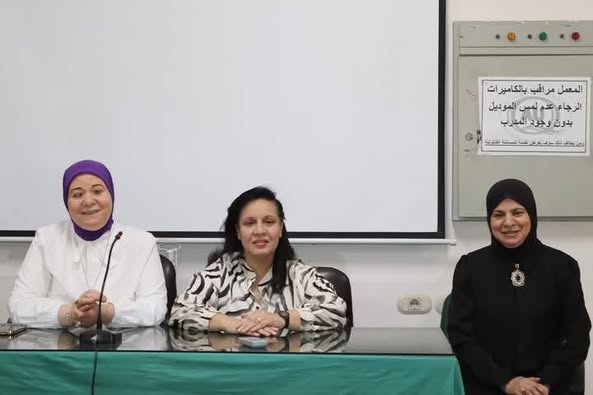
شهدت الورشة حضور الاستاذ الدكتور هبه عطية يسى، مدير وحدة ضمان الجودة، وعدد من أعضاء هيئة التدريس والعاملين والطلاب، في إطار دعم الكلية المستمر لرفع كفاءة كوادرها وتعزيز استعدادهم في مواجهة الأزمات والطوارئ.
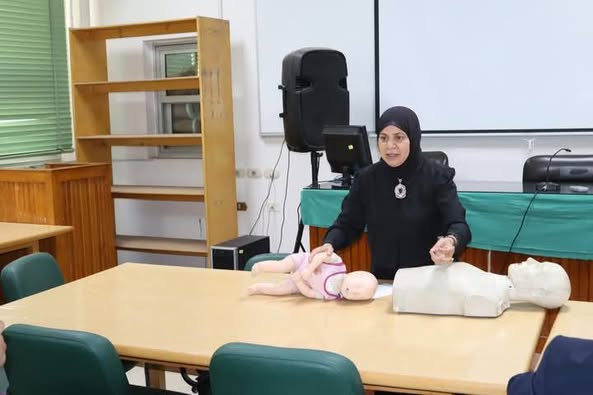
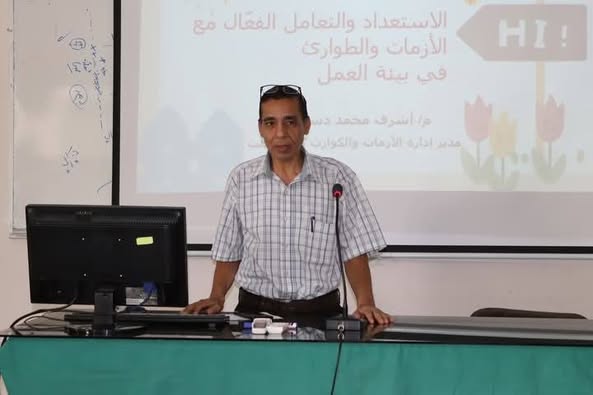
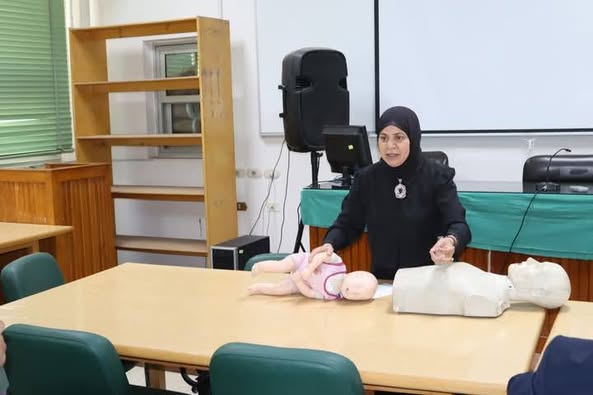
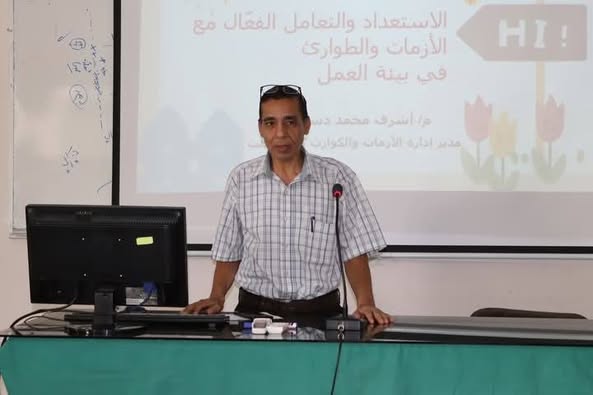
تضمنت الورشة محاضرة توعوية حول الإنعاش القلبي الرئوي للاستاذ الدكتورة نجوى محمد جمال، مدير مركز تدريب خدمة المجتمع وتنمية البيئة ، ومحاضرة حول تقييم حالة المريض الفاقد للوعي للاستاذة الدكتورة فتحية راضي أحمد، ومحاضرة بعنوان الاستعداد والتعامل الفعّال مع الأزمات والطوارئ في بيئة العمل للمهندس اشرف دسوقى مدير إدارة الأزمات والكوارث بكلية الطب.
وتأتي هذه الورش ضمن رؤية الكلية في الحفاظ على سلامة أبنائها من العاملين والطلاب، والارتقاء بمستوى الوعي المجتمعي بكيفية التصرف السريع والمنظم في حالات الطوارئ.
Invitation to a workshop entitled "Principles of First Aid" at the Faculty of Medicine.
Invitation to a workshop entitled "Principles of First Aid" at the Faculty of Medicine.
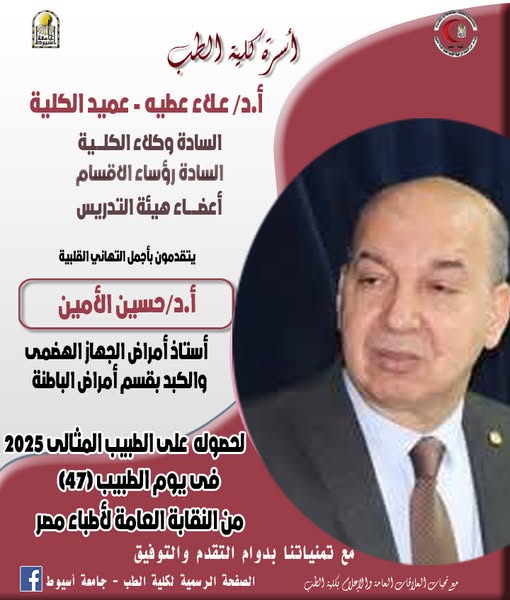
Congratulations to Professor Dr. Hussein Al-Amin, Professor of Gastroenterology and Hepatology at the Department of Internal Medicine, for receiving the Ideal Doctor award from the Egyptian Doctors Syndicate.
Congratulations to Professor Dr. Hussein Al-Amin, Professor of Gastroenterology and Hepatology at the Department of Internal Medicine, for receiving the Ideal Doctor award from the Egyptian Doctors Syndicate.
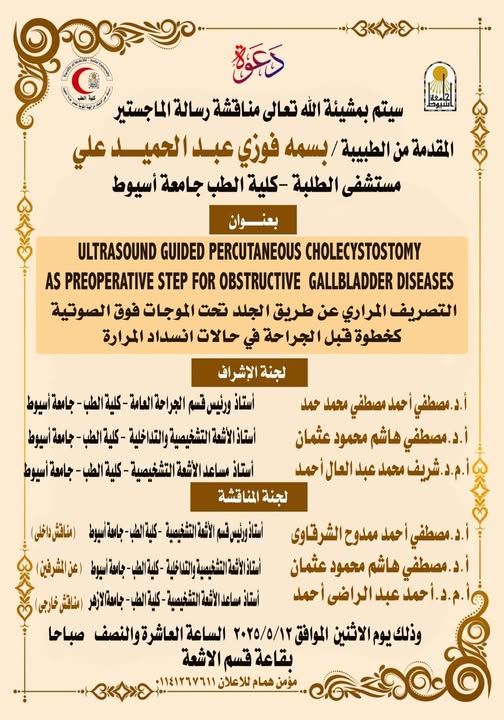
Invitation to discuss the master's thesis submitted by Dr. Basma Fawzy Abdel Hamid Ali at the Students' Hospital, Faculty of Medicine, Assiut University.
Invitation to discuss the master's thesis submitted by Dr. Basma Fawzy Abdel Hamid Ali at the Students' Hospital, Faculty of Medicine, Assiut University.
Activities of the training course on the basics of 3D and 4D ultrasound examination at Assiut University Women's Health Hospital
نظمت وحدة الرعاية المتقدمة للجنين دورة تدريبية حول أساسيات الفحص بالموجات فوق الصوتية ثلاثية ورباعية الأبعاد، على مدار يومين الأربعاء والخميس ٧-٨ مايو ٢٠٢٥ تحت رعاية الأستاذ الدكتور أحمد المنشاوي رئيس الجامعة، والأستاذ الدكتور علاء عطية عميد كلية الطب ورئيس مجلس إدارة المستشفيات الجامعية، والأستاذ الدكتور أحمد نصر مدير مستشفى صحة المرأة، وتحت إشراف الأستاذ الدكتور مصطفى حسين رئيس وحدة طب الجنين ورئيس وحدة الموجات فوق الصوتية، وبحضور الأستاذ الدكتور محمود عبد العليم نائب رئيس الجامعة لشئون خدمة المجتمع وتنمية البيئة.
شهد اليوم الاول عدة محاضرات متنوعة منها، محاضرة عن أساسيات الفحص بالموجات فوق الصوتية ثلاثية ورباعية الأبعاد، للأستاذ الدكتور مصطفى حسين رئيس وحدة طب الجنين ورئيس وحدة الموجات فوق الصوتية بجامعة أسيوط، ومحاضرة عن أنماط استخدام الأشعة الثلاثية والرباعية الأبعاد، للدكتور محمد أبو الليل مدرس أمراض النساء والتوليد بكلية الطب جامعة سوهاج، ومحاضرة عن أساسيات الفحص المهبلي بالأشعة الثلاثية والرباعية الأبعاد، للدكتور أحمد حسين سالم مدرس أمراض النساء والتوليد بكلية الطب جامعة سوهاج.
وشهد اليوم الثانى تدريبا عمليا بوحدة طب الجنين المتقدمة.
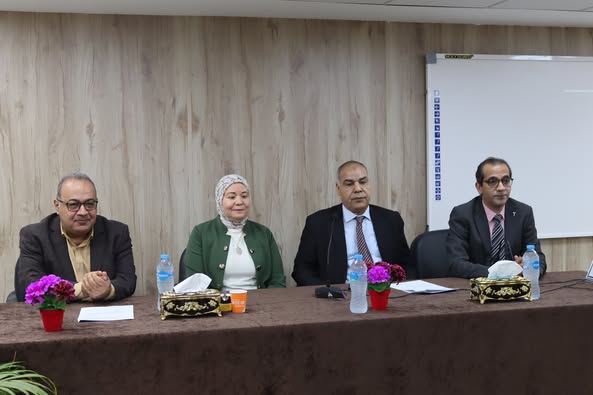
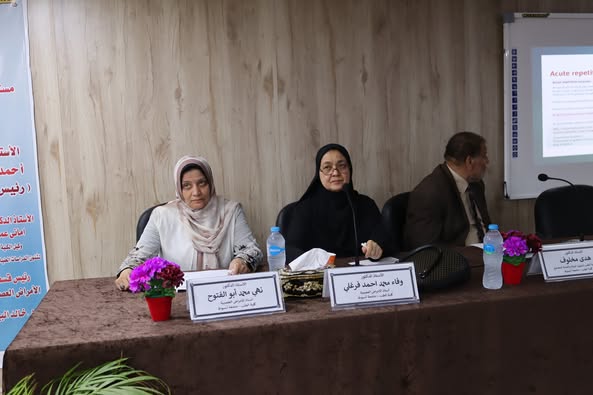
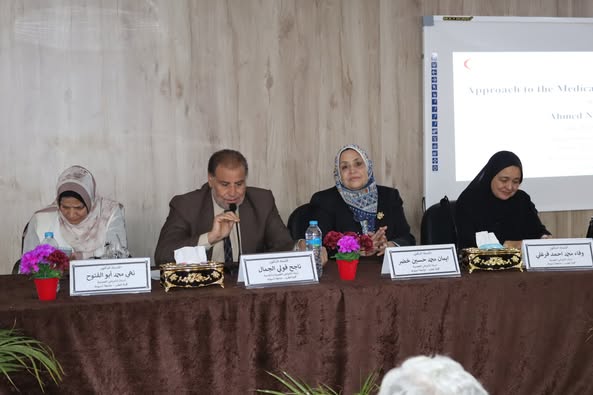
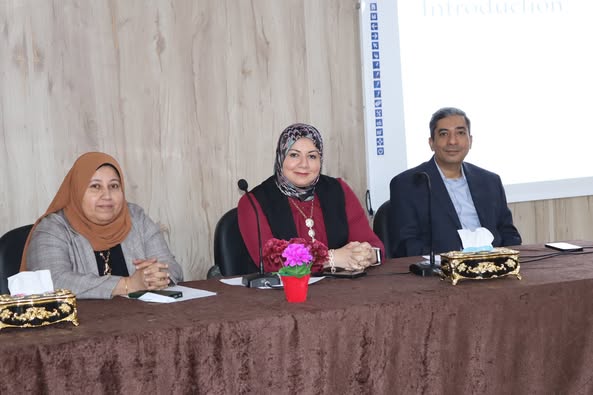
The Department of Neurology and Psychiatry at Assiut University organizes a scientific day on epilepsy.
نظم قسم الأمراض العصبية والنفسية بجامعة أسيوط يوما علميا، حول مرض الصرع، تحت رعاية الأستاذ الدكتور أحمد المنشاوي رئيس الجامعة، والأستاذ الدكتور علاء عطية عميد كلية الطب ورئيس مجلس إدارة المستشفيات الجامعية، والأستاذة الدكتورة أماني عمر وكيل كلية الطب لشئون الدراسات العليا والبحوث، والأستاذ الدكتور محمد عبد الرحمن وكيل كلية الطب لشئون التعليم والطلاب، والأستاذة الدكتورة هدى مخلوف وكيل كلية الطب لشئون خدمة المجتمع وتنمية البيئة، والأستاذ الدكتور محمد عبد الباسط خلاف مدير مستشفى الأمراض العصبية والنفسية وجراحة المخ والأعصاب، والأستاذ الدكتور خالد البيه رئيس قسم الأمراض العصبية، وبتنظيم من الأستاذ الدكتور طارق راجح رئيس وحدة الأمراض العصبية ورئيس اليوم العلمي، والأستاذ الدكتور رضا بدري، والأستاذ الدكتور محمد عبد الحميد مقرري اليوم العلمي.
شهد اليوم العلمي عده محاضرات متنوعة، لتسليط الضوء على آخر المستجدات في تشخيص وعلاج مرض الصرع، وتبادل الخبرات بين الأطباء والباحثين المتخصصين في هذا المجال، منها محاضرة بعنوان، نوبة التشنج الصرعي الأولى وتطور الصرع، للأستاذ الدكتور محمد عبد الحميد أستاذ الأمراض العصبية والنفسية، ومحاضرة حول الصرع الجزئي للأستاذ الدكتور رضا البدري أستاذ الأمراض العصبية والنفسية، ومحاضرة بعنوان، الطريق إلى العلاج الدوائي للأستاذ الدكتور أحمد نصر أستاذ الأمراض العصبية والنفسية، ومحاضرة بعنوان الصرع ما بعد السكتة الدماغية للأستاذ الدكتور محمود نجيب أستاذ الأمراض العصبية والنفسية، ومحاضرة عن علاج النوبات الصرعية المتتابعة، للأستاذة الدكتورة أمل تهامي أستاذ الأمراض العصبية والنفسية، ومحاضرة حول التدخلات الجراحية لمرضى الصرع المستعصي، للدكتور محمود عمار مدرس مساعد جراحة المخ والأعصاب.
A medical team at the Heart Hospital performed a specialized surgery to remove a bullet from a girl's lung using an endoscope.
في إنجاز طبي يعد الأول من نوعه في صعيد مصر، تمكن فريق طبي بمستشفى القلب بجامعة أسيوط من استخراج مقذوف ناري مستقر في أغشية الرئة لفتاة عشرينية، وذلك باستخدام تقنية منظار الصدر الجراحي المتطورة.
جاء ذلك تحت رعاية الأستاذ الدكتور أحمد المنشاوي رئيس الجامعة، والأستاذ الدكتور علاء عطية عميد كلية الطب ورئيس مجلس إدارة المستشفيات الجامعية، والأستاذ الدكتور محمد عبد الحميد مدير مستشفى الإصابات، والأستاذ الدكتور محمد عياد رئيس قسم جراحة القلب والصدر ومدير مستشفى القلب.
كان مستشفى الإصابات قد استقبل فتاة في العقد الثاني من عمرها، وتعاني من إصابة ناتجة عن مقذوف ناري في منطقة الصدر.
وعلى الفور، قام الفريق الطبي بإجراء الفحوصات والإجراءات اللازمة، والتي كشفت عن استقرار المقذوف الناري داخل أنسجة الرئة اليمنى.
ليتم التنسيق مع مستشفى القلب الجامعي، ويتم تشكيل فريق طبي تحت إشراف الأستاذ الدكتور محمد عياد، وبرئاسة الدكتور محمد فاروق عبد الحافظ، مدرس جراحة القلب والصدر، وضم كل من، الطبيب علي زين، مدرس مساعد بالقسم، والطبيب محمد ببلاوي، والطبيب مروان أحمد، أطباء مقيمين بالقسم، يعاونه فريق طبي من قسم التخدير والرعاية المركزة تحت إشراف الأستاذة الدكتورة هالة سعد رئيس القسم، وضم كل من الدكتور عبد الرحمن حمدي، مدرس التخدير والرعاية المركزة، والطبيب أحمد وهبه مدرس مساعد بالقسم، وفريق من هيئة التمريض الجراحي وضم كل من، أخصائي تمريض كيرلس جمال، وفني تمريض خالد مصطفى، وفني تمريض هند عبد المنعم.
وتم مناظرة دقيقة للحالة وإجراء الأشعات اللازمة التي أكدت استقرار المقذوف بين أغشية الرئة، ليقوم الفريق الطبي بإجراء جراحة دقيقة للغاية، وتم استخراج المقذوف الناري بنجاح باستخدام منظار الصدر الجراحي من خلال فتحة جراحية لا تتعدى 2 سم، مما ساهم في الحفاظ على سلامة الرئة وتقليل التلف إلى أدنى حد، بالإضافة إلى الحفاظ على الشكل الجمالي لجدار الصدر.
وقد تكللت العملية بالنجاح التام، وشهدت حالة الفتاة تحسنًا ملحوظًا، حيث تم السماح لها بمغادرة المستشفى بعد 48 ساعة فقط من إجراء الجراحة وهي في حالة صحية جيدة.
 Do you have any questions?

 تعيين الدكتور / أحمد محمد أحمد عبد الرحمن _ لشغل وظيفة أستاذ بقسم جراحة المخ والأعصاب .