
Overweight and Obesity Prevalence among Upper Egypt Primary Schools' Children using Egyptian and CDC Growth Charts”

Research Abstract

Background: Monitoring of overweight and obesity among children; by using different growth charts; is fundamental to disease prevention and health promotion.
Aim of the study: To determine overweight and obesity for age among primary school children in Upper Egypt using the Egyptian and CDC growth charts.
Subjects and methods: Cross-sectional research design was used and conducted at 20 public primary schools in four Upper Egypt governorates. The sample size was 5300 children who selected by multistage sampling technique. Interview questionnaire included personal data and anthropometric measurements (height, Weight and BMI) and Egyptian and CDC growth charts.Results: The percentages of children being overweight and obese for age using Egyptian chart were low compared to CDC charts (1.9 vs 4.6%, 8.5% vs. 3.3%, 8.7% vs 3.3% respectively). According to Egyptian chart 5.2% and 5% from total studied boys and girls were overweight and obese respectively, while in CDC growth chart 13.3% and 10.5% from total studied boys and girls respectively. Conclusion: It concluded that there were remarkable differences between CDC and Egyptian growth charts references in the classification of child overweight and obesity. The CDC growth chart evident much higher
prevalence among the studied children compared to the Egyptian growth chart.
Recommendation: Periodic development and reconstruction of national growth chart to represent the growth pattern of all geographical areas in Egypt. Also, further researches needed to assess the differences of both
international and national references

Research Authors
Naglaa S. Abd El-aty, Safaa R. Osman, Eman S. Ahmed, Marzoka A. GadAllah
Research Date
Research Department
Research Journal
Applied Nursing Research
Research Member
Research Pages
1-6
Research Publisher
Applied Nursing Research
Research Rank
International
Research Vol
56
Research Website
journal homepage: www.elsevier.com/locate/apnr
Research Year
December, (2020)

Effect of Educational Program on Women Knowledge Regarding Vitamin D Deficiency at Assiut City

Research Abstract

Background: Prevention of vitamin D deficiency is a public health priority, as it has severe and long lasting consequences on general health of children and women. Aim: To evaluate the effect of educational program on women knowledge regarding vitamin D deficiency. Subjects and Methods: Quasi-experimental (Pre-post-test) research design was applied on 300 women in Maternal and Child Health centers. Tool: Part (1): Personal data, Part 2 and 3: Women's knowledge regarding vitamin D deficiency among women and children. Results: the present study showed that 47.3%, 44.3% and 39.7% of women gave incorrect answer about the sources of vitamin D, the benefits and its role for women and vitamin D benefits for children in pretest respectively; which improved in posttest p-values= 0.001. There were statistical significance differences between women knowledge regarding vitamin D with their age, educational level and marital status in pretest while there weren't in post program. Conclusion: Existence of inadequate level of knowledge regarding vitamin D deficiency, maternal knowledge was significantly affected by age, educational level, marital status and religion. The educational program improved knowledge regarding vitamin D among women. Recommendations: Educational campaigns and health promotion programs targeted women to increase knowledge about adequate intake of vitamin D..

Research Authors
Naglaa Saad Abd El-aty, Amal Ahmed Abd El-Hafe, Naglaa Fathy Ahmed & Shimaa Abdelrahim Khalaf
Research Date
Research Department
Research Journal
Assiut Scientific Nursing Journal
Research Member
Research Pages
68-75
Research Publisher
Assiut Scientific Nursing Journal
Research Rank
National
Research Vol
Vol , ( 01) No, (31)
Research Website
http://asnj.journals.ekb.eg
Research Year
2022

Effect of Simulation Based-Learning on Improving Cognitive Achievement of Nursing Students during Care of Patients with Bronchial Asthma

Research Abstract

Background: Simulation provides students with the opportunity to improve their intended learning outcomes such as clinical performance, knowledge acquisition, clinical reasoning and student satisfaction. The aim of this study was to investigate the effect of simulation based learning on improving cognitive achievement of nursing students during care of patients with bronchial asthma. A quasi-experimental design was used in this study on 100 nursing students at Medical surgical Nursing simulations Lab in Faculty of Nursing, Beni-Suef University. Four tools were used: cognitive achievement tool, Students' practice observational checklist, Simulation Effectiveness Tool and perceived competence scales. Results showed that there was a statistical significant difference between the nursing students' level of knowledge before and after application of simulation (p<0.001**) and showed that simulation based learning group showed the highest scores in practice compared to groups using traditional methods alone. Conclusion: the level of nursing students' knowledge and practice were generally improved after application of simulation based learning strategy about bronchial asthma. The simulation based learning has a significant influence in improving the cognitive abilities of nursing students in practicing nursing care in the case of patients with bronchial asthma, compared to face-to-face lectures. Recommendations: Nursing education programs should adopt and support the introduction of simulation in undergraduate education and curriculum development.

Research Authors
Naglaa Saad Abd El-aty, Reda Dardier Hussein Awad, Abeer Mohamed Abdelkader, Manal Abo-elilal Abo elkiat Hamad, Heba Abdelghany Mohamed Naglaa Abdel Megied Mohamed Ibrahim, Karima Hosny Abdelhafez Hassan and Fayza Mohammed Mohammed.
Research Date
Research Department
Research Journal
International Egyptian Journal of Nursing Sciences and Research
Research Member
Research Pages
412-436
Research Publisher
International Egyptian Journal of Nursing Sciences and Research
Research Rank
National
Research Vol
3(1)
Research Year
2022

Effect of Planned Physical Activity on Maternal and Neonatal Outcomes among Women with Gestational Diabetes

Research Abstract

Background: Gestational diabetes mellitus (GDM) associated with short and long-term complications for mother and her baby. Physical activity interventions may help with glycemic control and improve maternal and infant outcomes. Aim: To evaluate the effect of prearranged physical activity on maternal and fetal outcomes for women with gestational diabetes mellitus.

Methods: Quazi experimental design was conducted at antenatal outpatient clinic of Women Health Hospital, Egypt. The study participants involved a purposive sample of 100 pregnant women who newly diagnosed with GDM in her current pregnancy. Three tools were used to collect the data: Structured interview questionnaire that included three parts, maternal &neonatal follow-up and Global Physical Activity Questionnaire (GPAQ) tool. Results: Caesarean section was significant higher (62.0%) among studied women in control group compared to 28.0% in study group, P- value 0.001. Also 96.0% in study group weren't experienced any complication during birth process, compared to 18.0% in control group were experienced diabetic coma during birth process, P- value 0.001. Newborns with macrosomia were (0.00%) in study group, compared to 22.0% in control group, Also there was a highly statistically significant difference between Apgar scores after five minute in the study and control groups (P- value= 0.001). Moreover, 4.0% of newborns in study group suffering from breathing problems compared to 16.0% in control group with statistically significant difference P- value 0.005. Conclusion: For gestational diabetic women, scheduled physical activity was effectively on improving maternal and neonatal outcomes. Recommendation: planned physical activity should be encouraged to be a basic part of antenatal care for gestational diabetic women.

Research Authors
Amal A. Abd El-Hafez, Walaa H. Ibrahim, Nadia H. Ahmed. and Naglaa S. Abd El-aty
Research Date
Research Department
Research Journal
Egyptian Journal of Health Care
Research Member
Research Pages
496-510
Research Publisher
Egyptian Journal of Health Care
Research Rank
National
Research Vol
EJH vol. 12 no. 4
Research Year
2021

Effect of Educational Intervention on Nurses' Knowledge, Practices and Attitudes regarding Human Immunodeficiency Virus/Acquired Immunodeficiency Syndrome

Research Abstract

Background: Nurses who provide health care to people with Human Immunodeficiency Virus/Acquired Immunodeficiency Syndrome (HIV/AIDS) must be equipped with sufficient knowledge of Human Immunodeficiency Virus/Acquired Immunodeficiency Syndrome. The study aimed to evaluate the effect of educational intervention on nurses' knowledge, practice and attitudes regarding Human Immunodeficiency Virus/Acquired Immunodeficiency Syndrome. Methods: quasi-experimental design used and performed on convenient sample included 122 nurses working with Human Immunodeficiency Virus/Acquired Immunodeficiency Syndrome patients at Zagazig outpatient clinics of Fever and Chest Hospital. Three tools were used. Tool (I): self-administered structured questionnaire consisting of two parts about demographic characteristics of nurses and Human Immunodeficiency Virus/Acquired Immunodeficiency Syndrome knowledge, Tool (II): Observational Nurse’s Practice Checklist and Toll III regarding. Results, total satisfactory knowledge increased from 15.60% in pre-sessions to 84.40% in post sessions after one month and was reduced to 69.70% after three months. Also, nurses' satisfactory practice increased from 10.33±4.1 in pre-sessions to 14.45±3.1 in post sessions and was reduced to 13.26±2.9 after three months. Additionally, their positive attitude increased from 26.20% in pre-sessions to 72.10% in post sessions and reduced to 68.90% after three months. Conclusion: increasing nurses' knowledge, positive attitudes and good practices towards patients living with Human Immunodeficiency Virus/Acquired Immunodeficiency Syndrome. Recommendations: develop educational interventions for nurses’ focus on preventive methods, symptoms and modes of Human Immunodeficiency Virus transmission.
Research Authors
Naglaa Saad Abd El-aty & Samia Farouk Mahmoud
Research Date
Research Department
Research Member
Research Pages
21-27
Research Publisher
Assiut Scientific Nursing Journal
Research Vol
Vol , (9) No, (25)
Research Website
http://asnj.journals.ekb.eg
Research Year
2021

The Relationship between Self-Confidence in Learning and Clinical Educators’ Characteristics by Nursing Students

Research Abstract

Background: Student nurses need to building up self-confidence in learning in order to cope with the complex clinical situations. Individuals with self-confidence be certain of themselves to have the capability to manage a situation or provide nursing care in accurate, relevant and efficient method. Equipping student nurses to provide patients care in getting more complicated healthcare setting is a challenge face nursing instructor, self-confidence is one of the important determinants of successful learning.

Objectives: The aim of the present study is to identify the relationship between Self-confidence in learning and clinical educators’ characteristics by nursing students.

Method: Correlation research design was utilized in the present study. A convenience sample of 179 nursing students was included in the study. The Nursing Clinical Teacher Effectiveness Inventory and Self-Confidence in learning scale were used to collect the data.

Results: The results of the study showed that the majority of study participants had high level of self confidence in learning. Also, the participants reported that their clinical educators had high level of teaching abilities, nursing competences, and personal traits. Moreover, significant positive relationship was existed between self-confidence in learning and clinical educators’ characteristics.

Conclusion: Self-confidence in learning is an essential goal in nursing education. Assessing clinical competence and investigating factors influencing it might be helpful in increasing Self-confidence of nursing students.

Research Authors
Abeer Mohamed Abdelkader1, Naglaa Saad Abed El-Aty2, Safaa Mohamed Abdelrahman
Research Date
Research Department
Research Journal
International Journal of Nursing Education
Research Member
Research Publisher
International Journal of Nursing Education
Research Rank
international
Research Vol
vol.13. No. 2
Research Year
2021

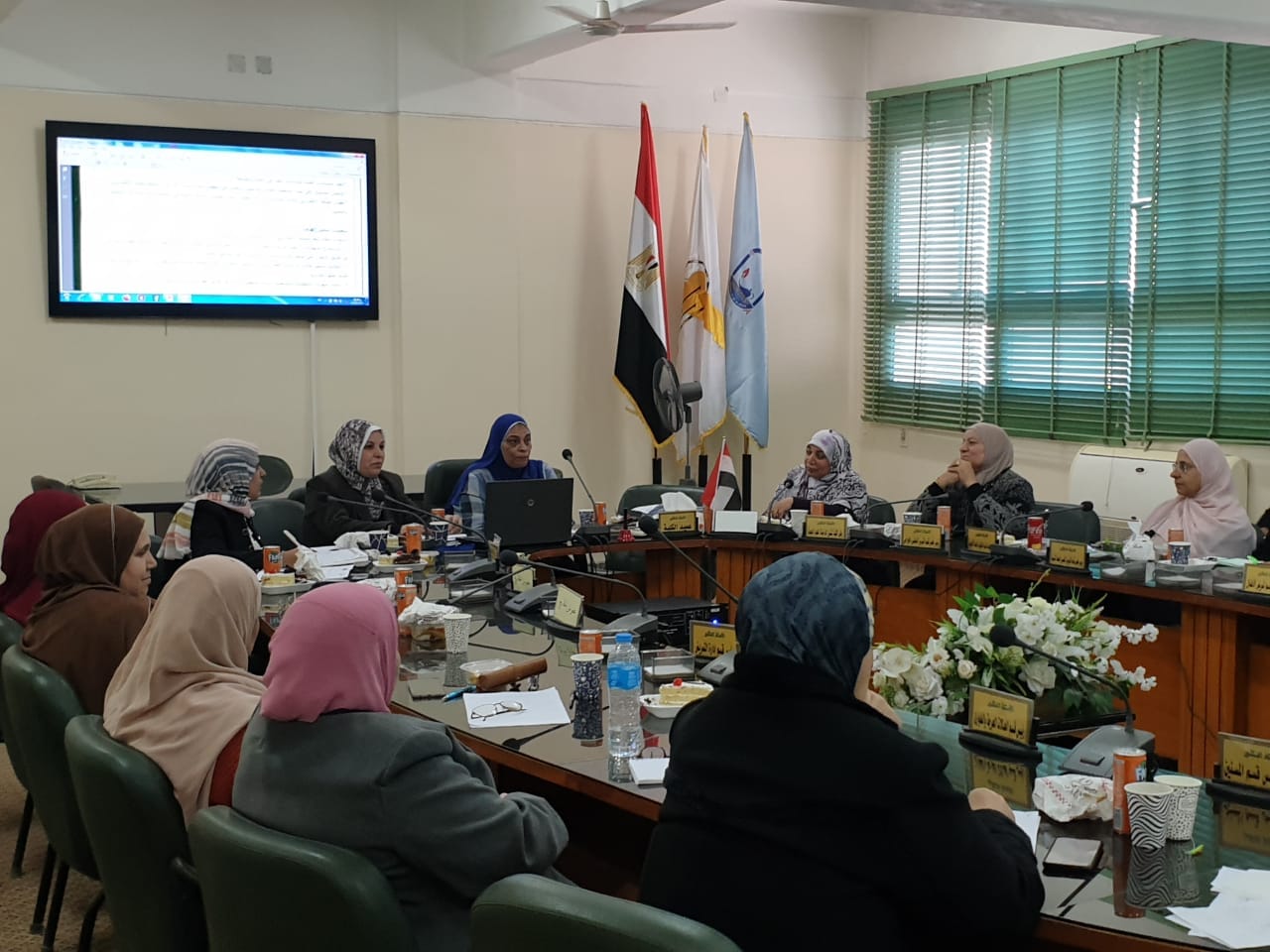
Environment Committee meeting for the month of June 2022

The meeting of the Environment Committee will take place, God willing

Headed by Prof. Mervat Ali Khamis- Vice Dean for Environmental Affairs and Community Development

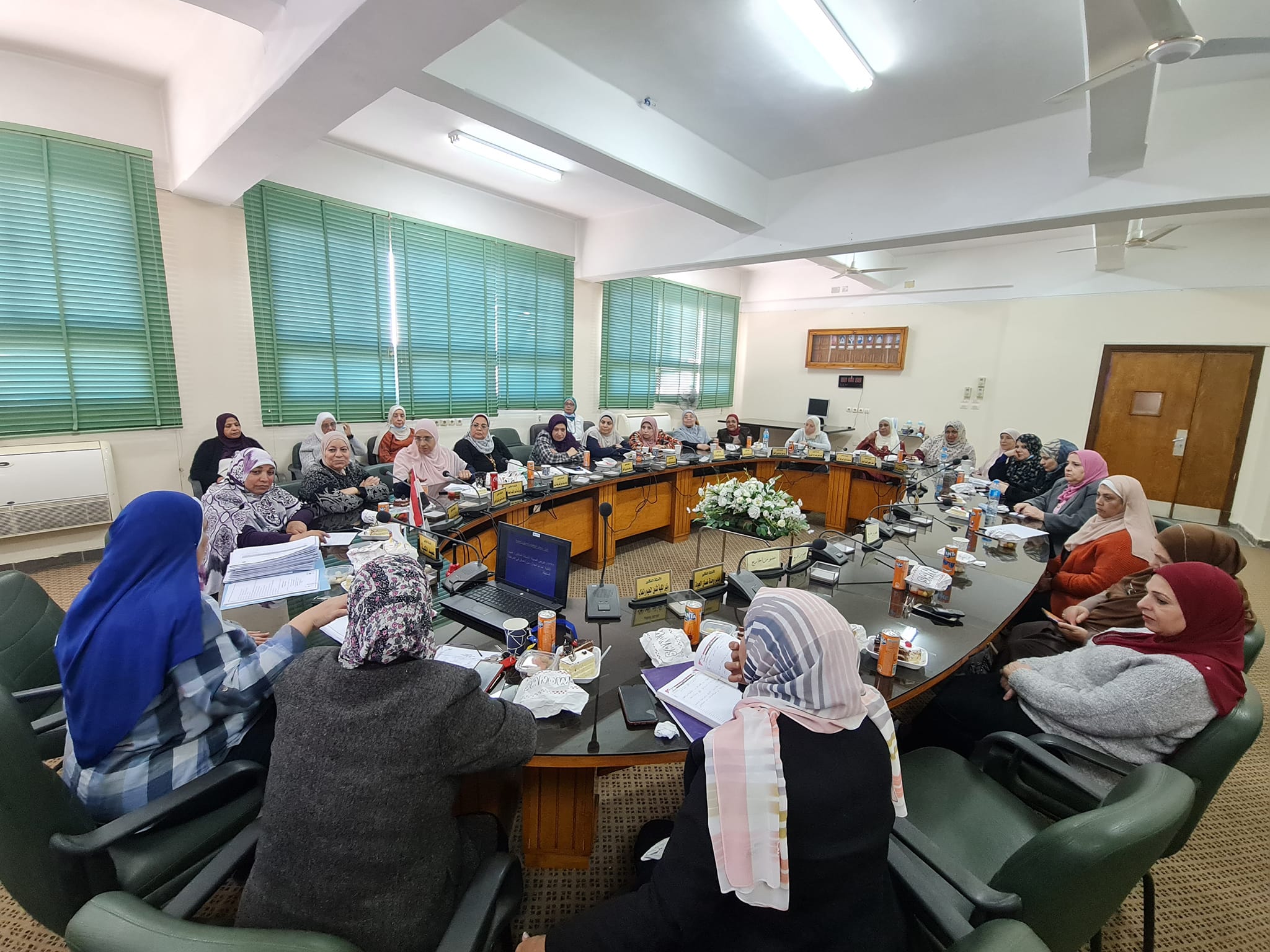
On Monday, corresponding to 13-6-2022, the office of the Prof. / Vice Dean for Community Service and Environmental Development,  Faculty of Nursing, Assiut University, at eleven o’clock in the morning

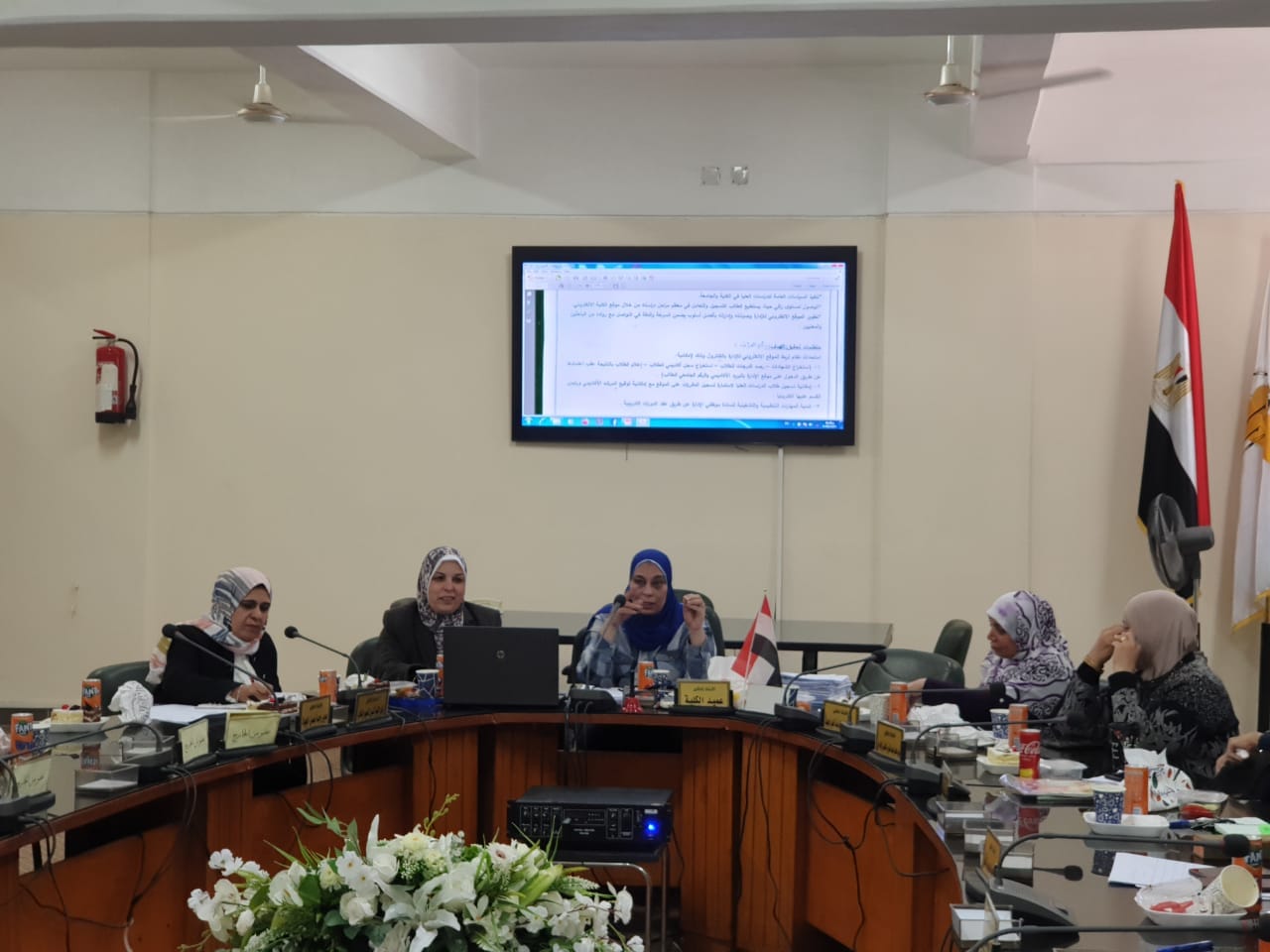
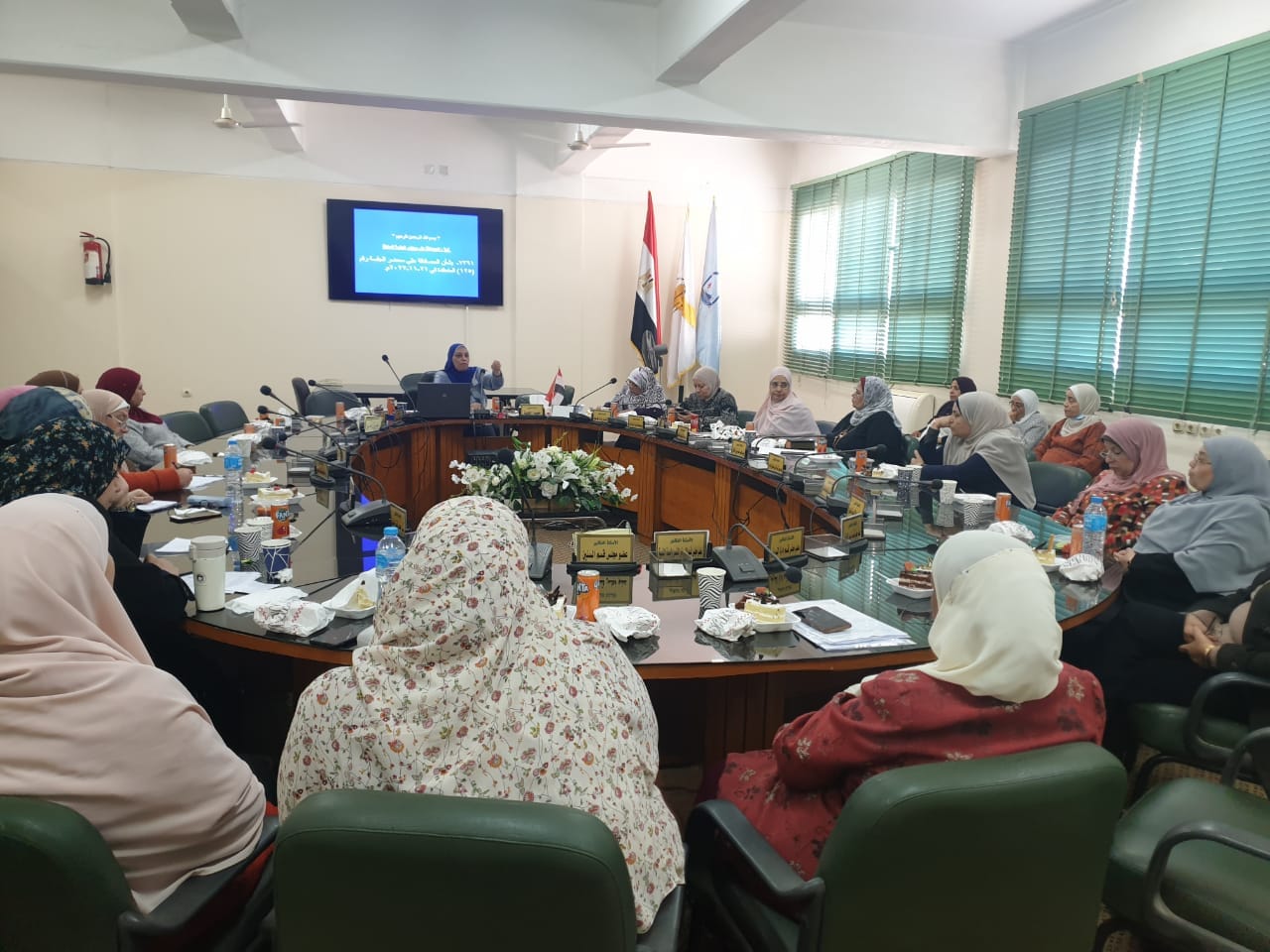
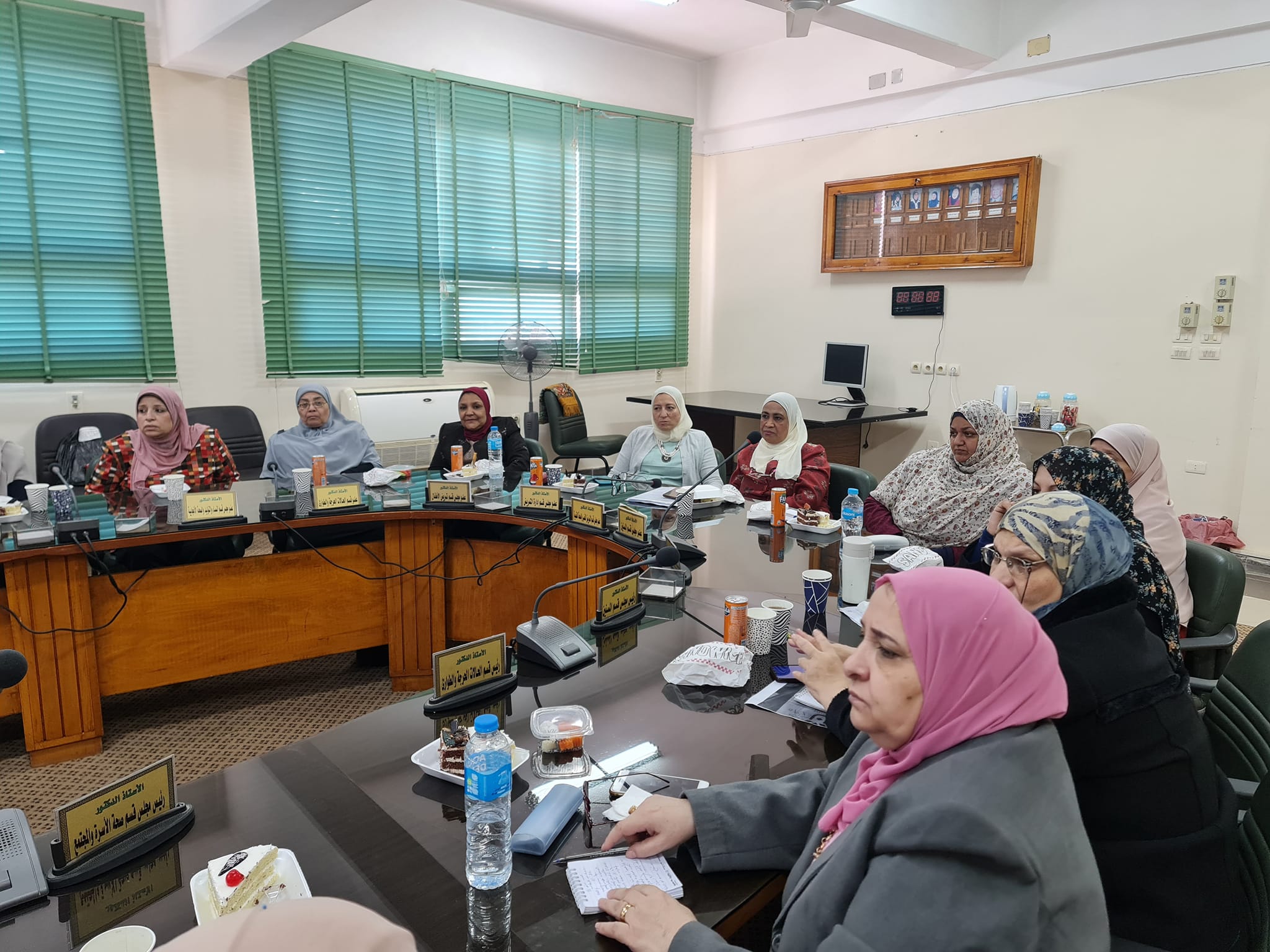
Education and Student Affairs Committee meeting for the month of June 2022

God willing, a meeting of the Education and Student Affairs Committee will take place

Headed by Prof. Intisar Mohamed Younes, Vice Dean for Education and Student Affairs

On Sunday, June 12, 2022, at twelve o'clock in the afternoon

Faculty of Nursing - Assiut University

Subscribe to