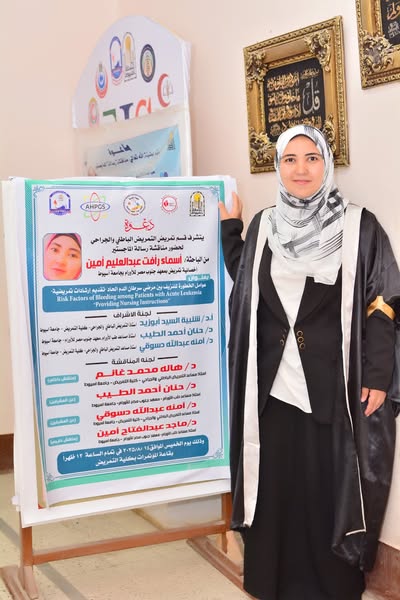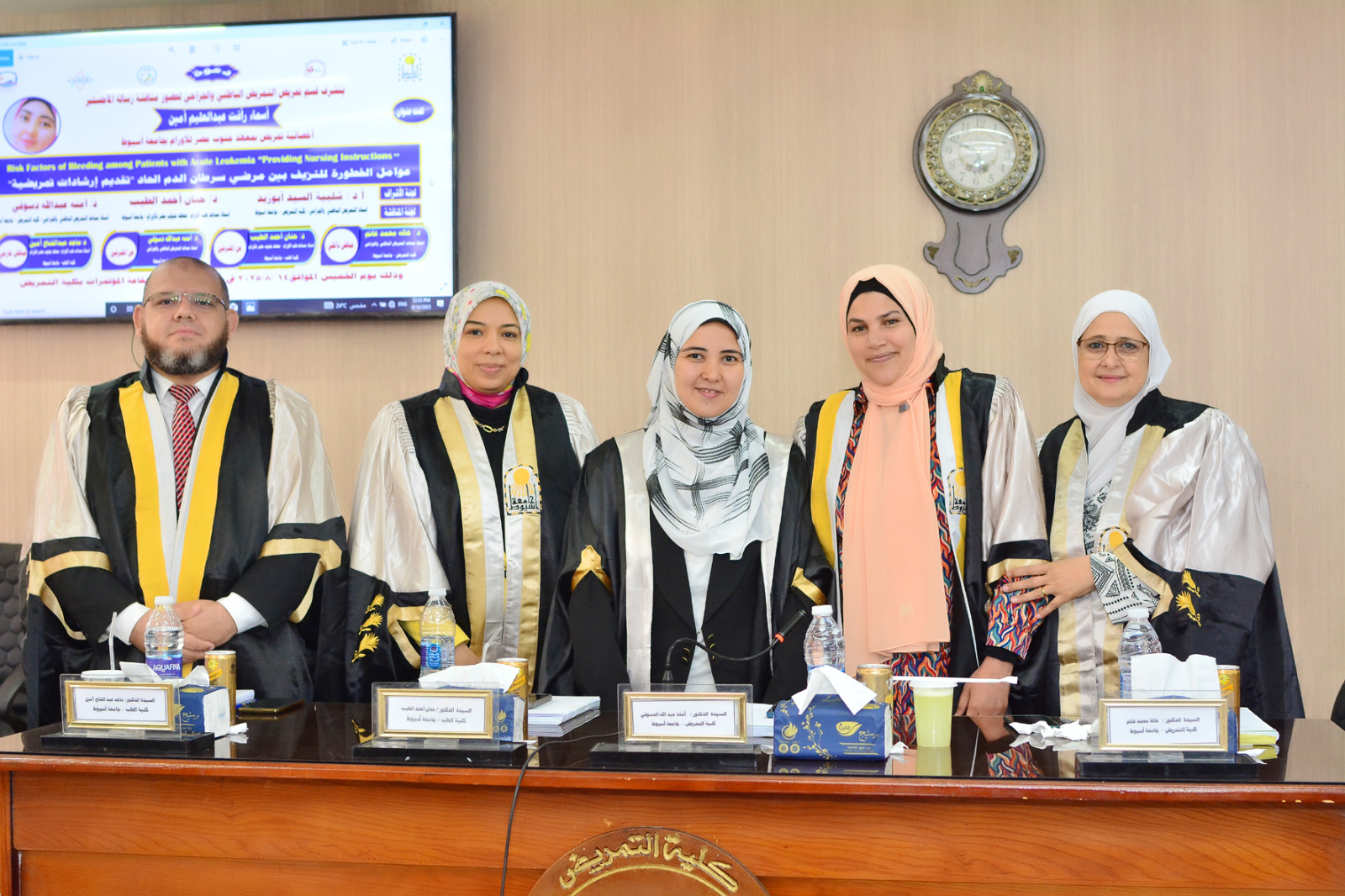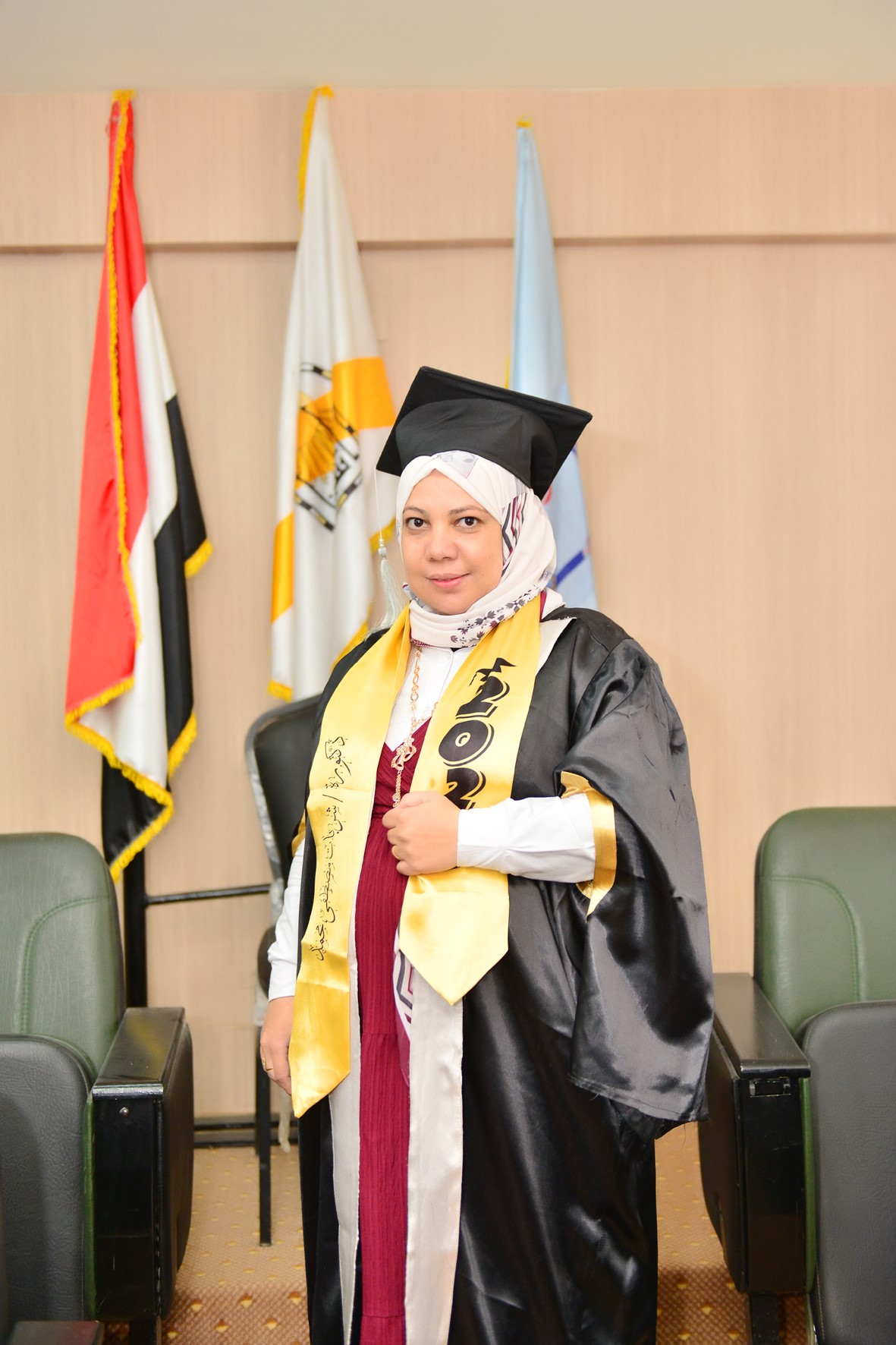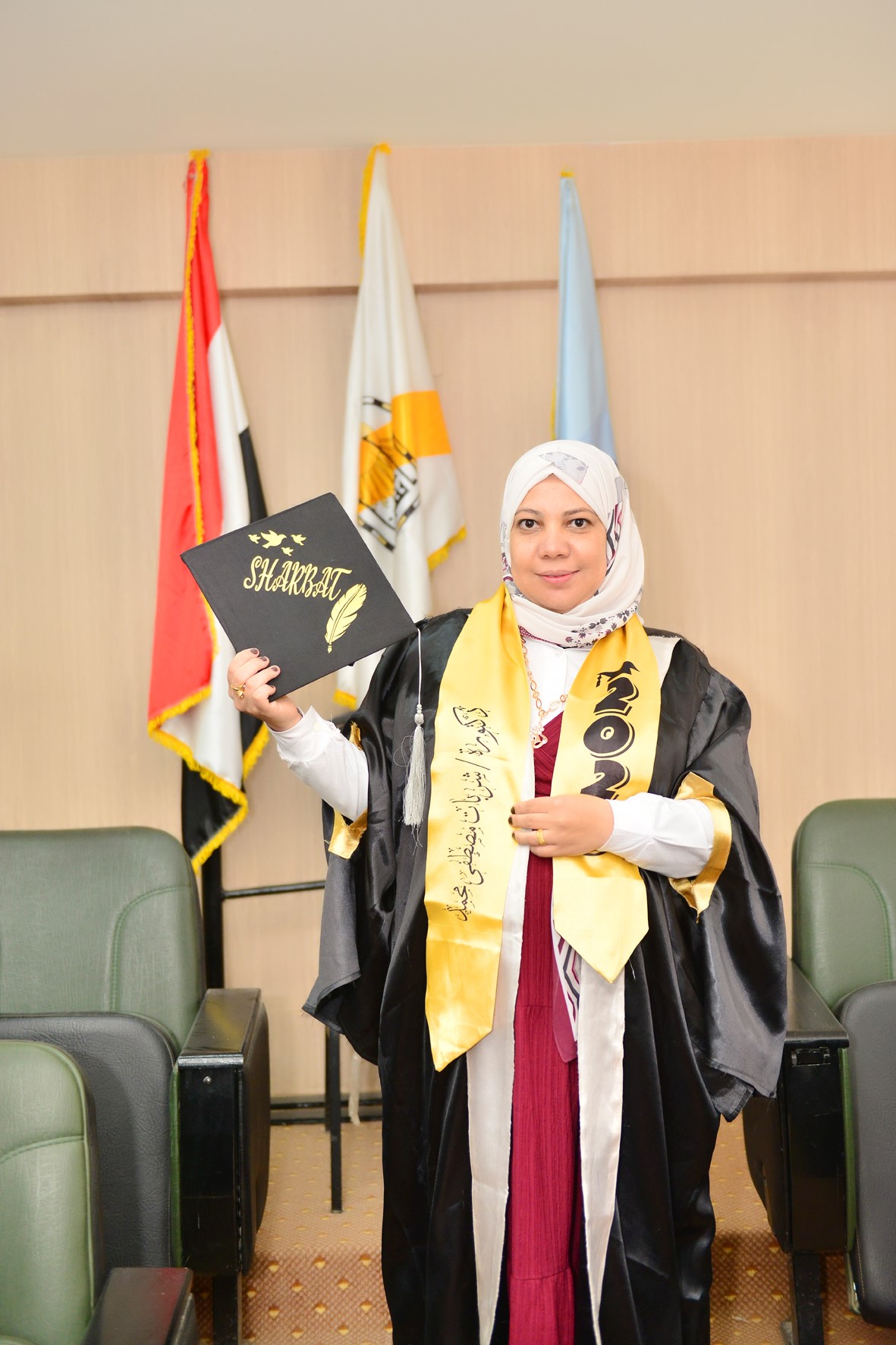

PhD Thesis Acceptance: Nada Ahmed Mohamed


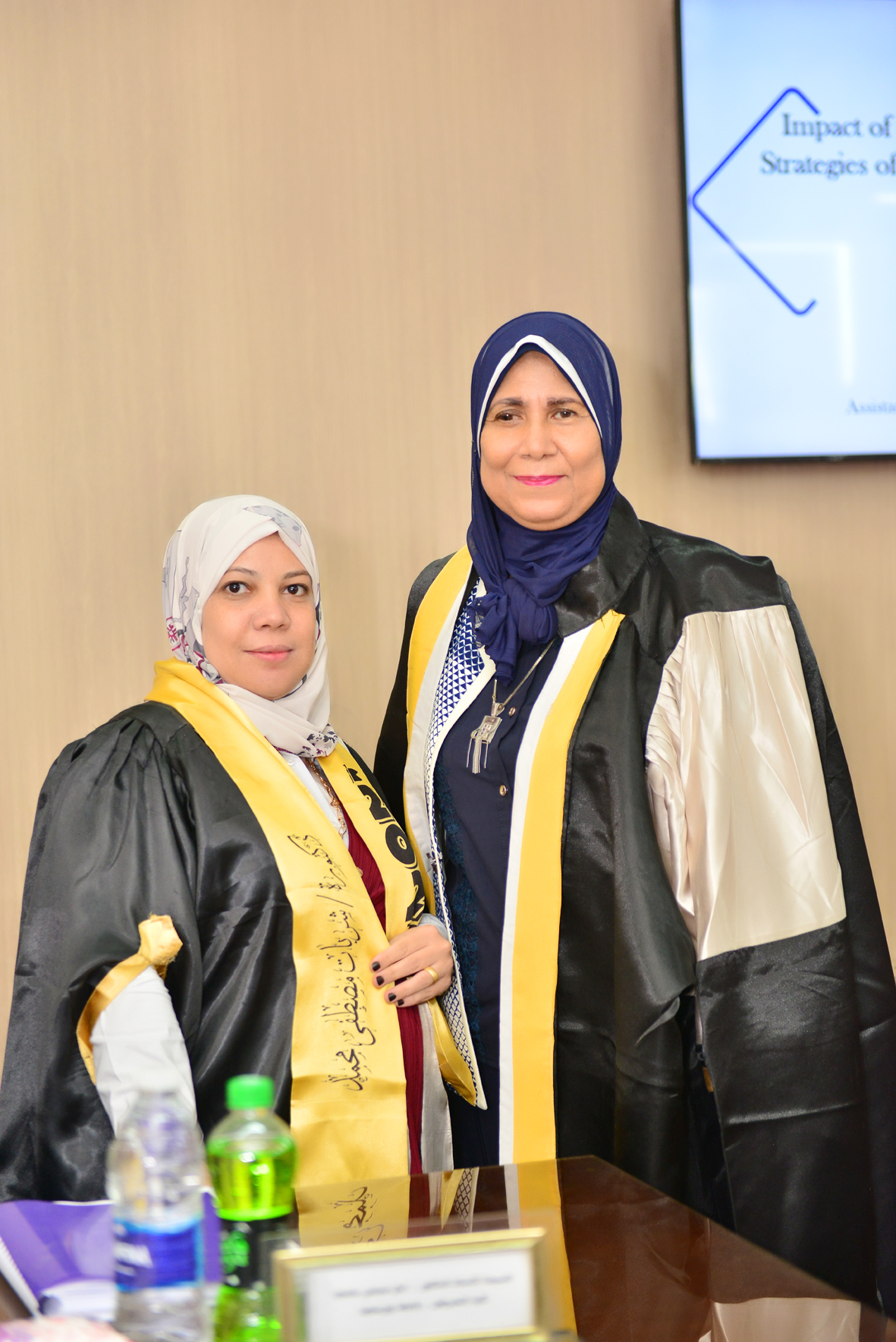
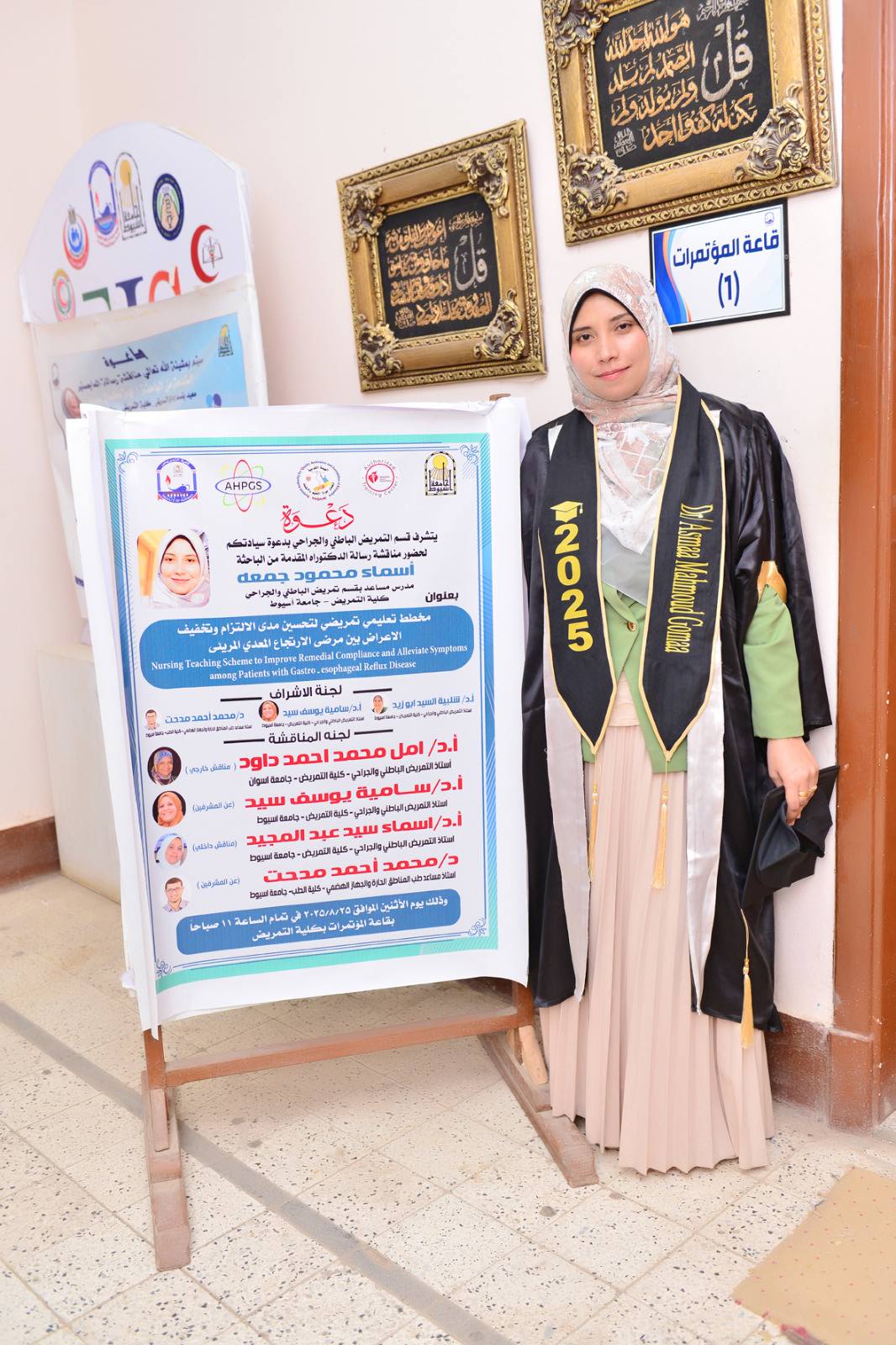
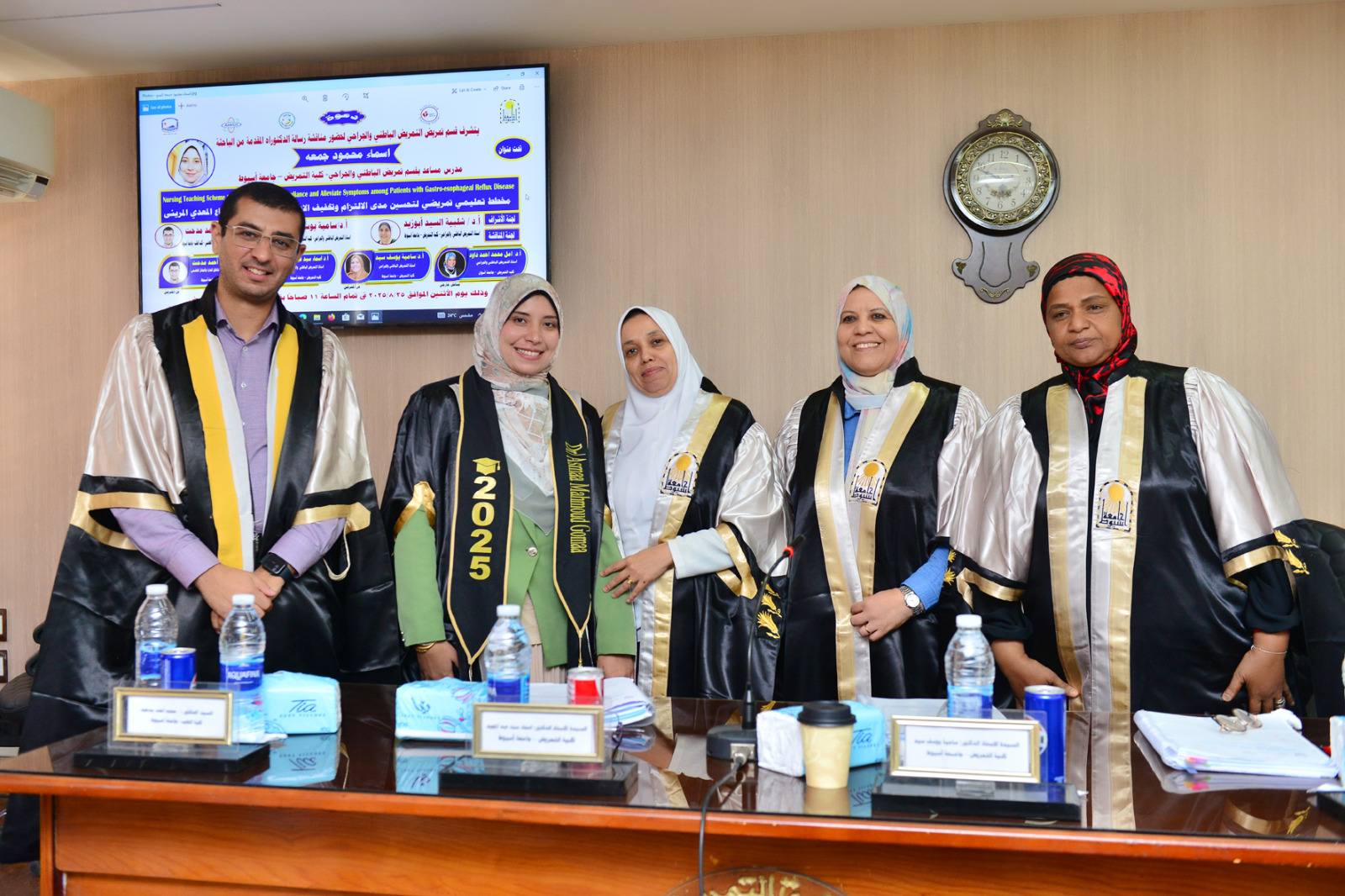
The PhD thesis of Nada Ahmed Mohamed, Assistant Lecturer in Critical Care and Emergency Nursing at the Faculty of Nursing, Assiut University, has been accepted. The title of the thesis is The effect of implementing Assking model in pressure ulcer prevention among critically ill patients. The members of the thesis defense and supervision committee are:

  • Prof. Dr. Mervat Anwar Abdelaziz (Professor of Critical Care and Emergency Nursing – Assiut University).
  • Prof. Dr. Mohamed Hassan Bakry (Professor of Anesthesia and Intensive Care – Assiut University).
  • Prof. Dr. Mona Ali Mohamed (Professor of Critical Care and Emergency Nursing – Assiut University).
  • Prof. Dr. Lobna Mohamed Abdelaziz (Professor of Critical Care and Emergency Nursing – Minya University).


 · 


Congratulations on Promotion of Assistant Professors

Prof. Dr. Samah Mohamed Abdullah, Dean of the Faculty, along with the vice deans, faculty members, and staff of the faculty, extends their warmest congratulations to Prof. Dr. Shaimaa El-Wardani, Associate Professor at the Community Health Nursing Department, on her promotion to Professor. They also congratulate Prof. Dr. Nora Abdelhamid, Associate Professor at the Pediatric Nursing Department, on her promotion to Professor, wishing them both continued success.

Congratulations on Appointment as Head of the Nursing Sector Committee

Prof. Dr. Samah Mohamed Abdullah, Dean of the Faculty, along with the vice deans and faculty members, extends sincere congratulations to Prof. Dr. Soheir Badr El-Din on her appointment as Head of the Nursing Sector Committee at the Supreme Council of Universities. Additionally, they express their gratitude to Prof. Dr. Shadia Abdelkader, Professor of Obstetric and Gynecological Nursing at Cairo University, for her outstanding efforts and generous contributions during her tenure as head of the committee, wishing them both continued success.

حخح


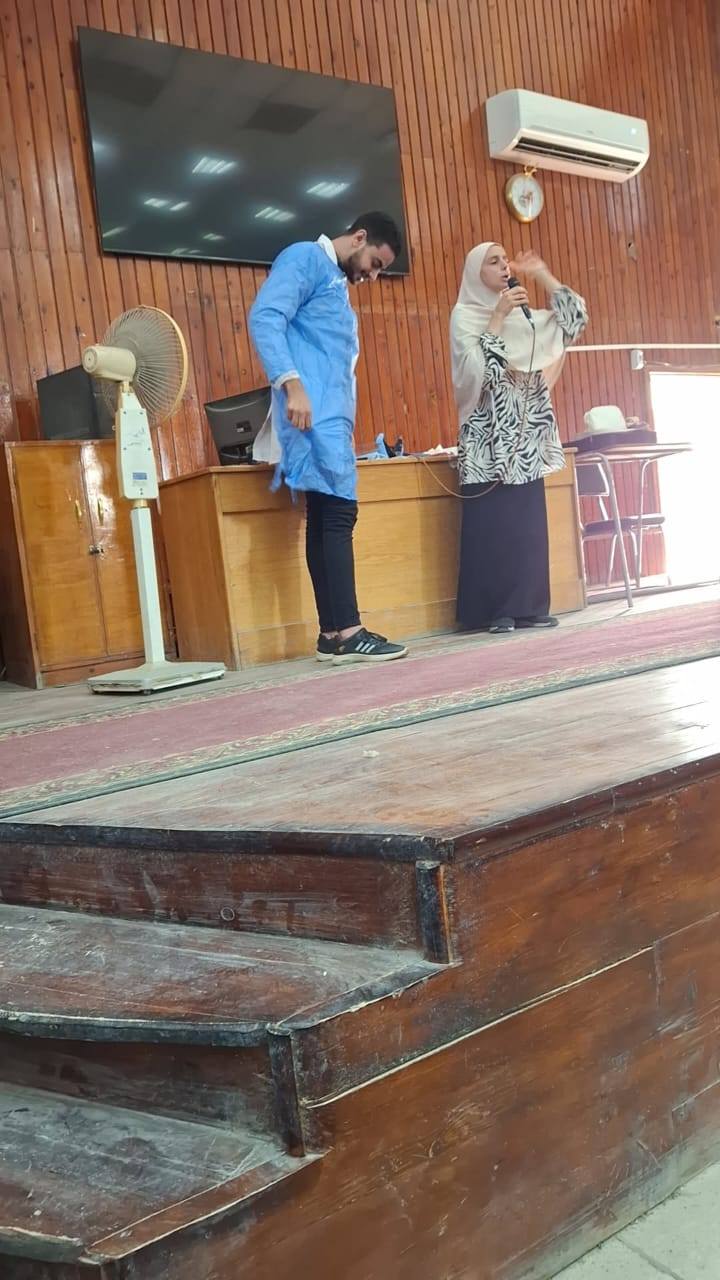
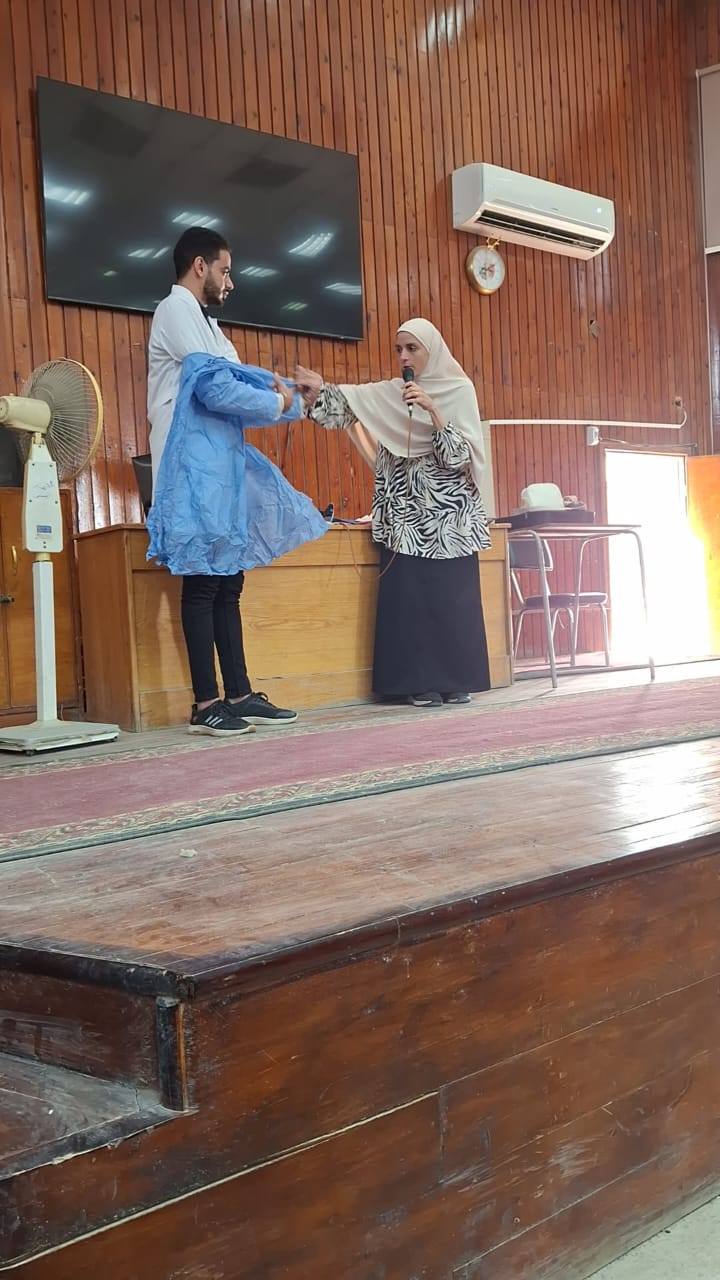
First Aid Awareness Seminar for Students

542


52155


65

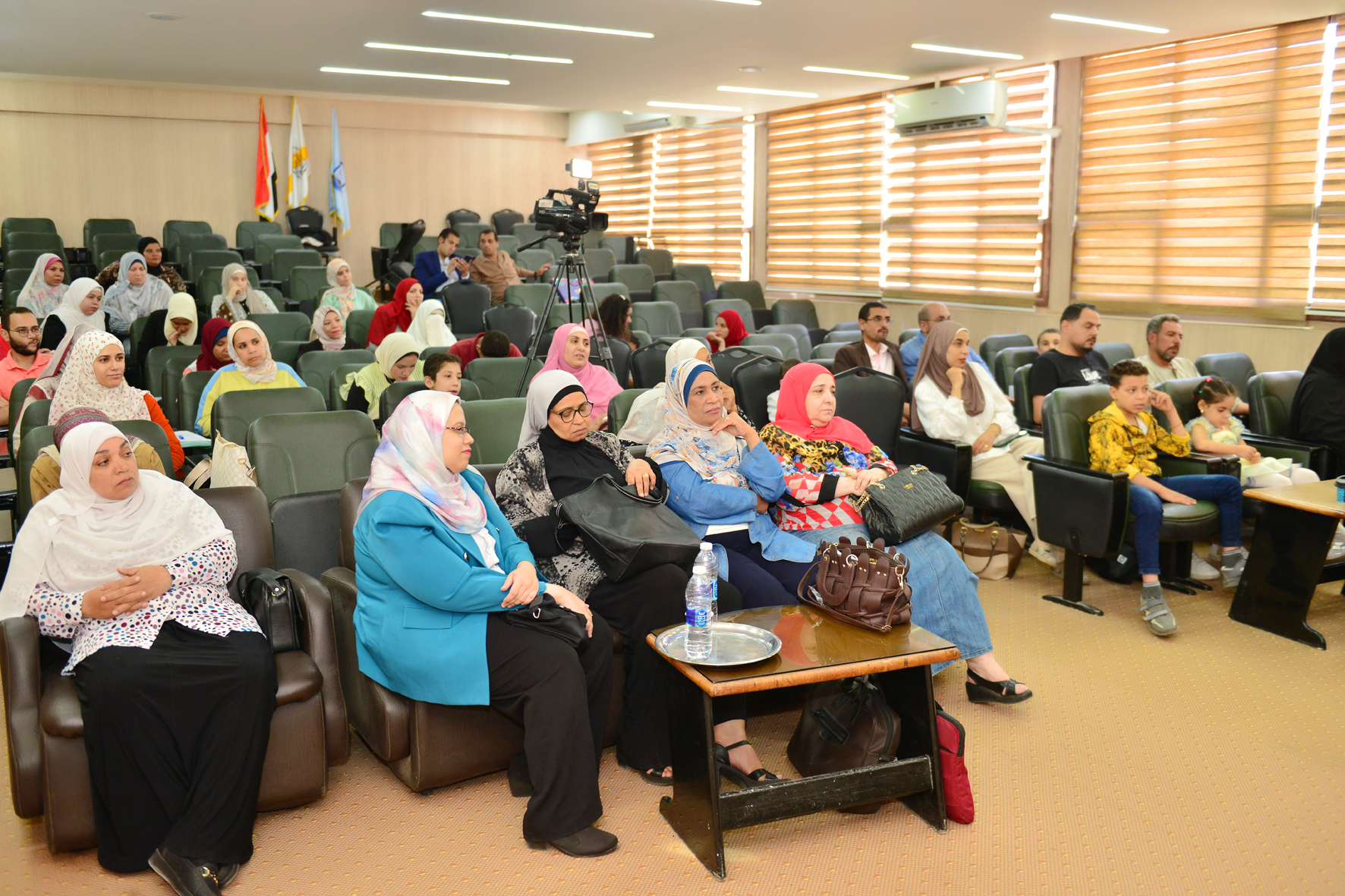
Under the patronage of Prof. Dr. Samah Mohamed Abdullah, Dean of the Faculty, and the esteemed vice deans and faculty members, the Faculty of Nursing – Assiut University announces an awareness seminar on first aid for students. The seminar aims to enhance their skills in handling emergency situations.

Simulation-based training program effect on pediatric nurses’ knowledge and performance regarding heel-prick during newborn blood screening test

Research Abstract

Background

One of the best ways to impart important skills to trainees is through simulation-based training, which is more reliable than the conventional clinical examination method. It is used in pediatric nursing training to allow nurses to practice and improve their clinical and conversational skills during an actual child encounter. A heel-prick is a complex psychomotor task that requires skill and knowledge from the pediatric nurse performing the procedure while applying for the National Newborn Screening Program.

Aim

This study aimed to assess the impact of simulation-based training on pediatric nurses’ knowledge and performance regarding the heel-prick technique used during newborn blood screening tests in select hospitals in Saudi Arabia and Egypt.

Methods

This study utilized an experimental pre-test and post-test design. The G*Power Program® Version 3.1.9.4 was employed to determine the sample size to fulfil the study’s objectives. The sample consisted of 50 nurses recruited from the Maternity & Children Hospital Bisha, Al-Namas General Hospital in the Kingdom of Saudi Arabia, and Pediatric Assiut University Hospital in Egypt; they were randomly divided into two groups of 25 nurses, intervention and control. The sample size was calculated assuming α level of 0.05, a β level of 0.20, and a desired power of 80%. The study was conducted from June 1st to August 30th, 2023. Two data collection instruments were used: a structured questionnaire and an observational checklist for the heel-prick technique in newborn bloodspot screening sample collection. Before the training intervention, a pre-test assessing knowledge and performance was administered. Intervention and control groups received two hours of instruction every 5 days. The researcher utilized PowerPoint presentations, videos, and interactive learning session intervention to deliver the instructional content to increase nurses’ knowledge and also employed mannequins for a newborn blood spot test simulator to train participants on performance. A post-test 1 was administered immediately after the training sessions. Additionally, post-test 2 was conducted 20 days after the study and followed up after 40 days of intervention (post-test 3).

Results

The study participants ranged in age from 25 to 30 years, with the majority being female. A statistically significant difference was observed in the knowledge and performance of pediatric nurses following simulation-based training. The majority of nurses demonstrated correct responses after the simulation-based learning intervention. However, the nurses’ knowledge varied, as evidenced by the mean scores of their total knowledge regarding the heel-prick for the newborn bloodspot screening test. Immediately after the learning intervention session, the mean scores were 37.86 ± 1.28 and 34.84 ± 1.22 in the experimental and control groups, respectively. At 20 days post-training, the mean scores were 40.16 ± 1.11 and 33.55 ± 1.18 in the experimental and control groups, respectively, with a highly statistically significant difference (P-value = 0.0001). Moreover, at 40 days post-training, the mean scores were 39.54 ± 1.09 and 29.66 ± 1.32 in the experimental and control groups, respectively, and a statistically significant difference was found (P-value = 0.0001). Conversely, the level of nurses’ performance before training was below average, with 52% and 56% in the experimental and control groups, respectively. Immediately after the simulation-based learning, the majority of nurses in the experimental group demonstrated a good level of performance in post-test 1, post-test 2, and post-test 3, with a statistically significant difference compared to the nurses in the control group (P-value = 0.001).

Conclusion

The use of newborn blood spot test simulators is useful during simulation-based training in raising the overall level of the pediatric nurses’ knowledge and performance, especially through 1, 2, & 3 post-training tests. The findings have several practical implications, and one is that pediatric nurses’ performance and knowledge concerning newborn blood screening tests should be prioritized to guarantee patient safety and quality of care in pediatric patient scenarios. It is essential for nursing trainers to effectively train pediatric nurses’ by using simulators to improve their caring knowledge and performance in educational settings. By improving nurses’ knowledge and performance, we can reduce the dangers caused by their training on real neonates; also, it can be an attractive way to train nurses when trained by simulators and ultimately enhance the overall quality of nursing services in the hospital.

Research Authors
Abdulaziz Asiri, Abeer A. Almowafy, Shimaa M. Moursy, Hanan A. Abd-Elhay, Shimaa Abdelrahim Khalaf Ahmed, Aml S. Abdelrahem, Marim T. Abo Seif & Faransa A. Ahmed
Research Date
Research Department
Research Journal
BMC Nursing
Research Publisher
Springer Nature
Research Vol
24
Research Website
https://bmcnurs.biomedcentral.com/articles/10.1186/s12912-024-02657-7
Research Year
2025

Predictors of climate change literacy in the era of global boiling: a cross-sectional survey of Egyptian nursing students

Research Abstract

Background

Climate changes have led to health and environmental risks, so it has become essential to measure climate change literacy among the entire population, especially nursing students. The significant role of nursing students in raising public awareness and future healthcare roles emphasizes assessing the predictors of climate change literacy among nursing students.

Aims

This study seeks to identify the predictors of climate change literacy among nursing students in A Multi-Site Survey.

Design

A multi-site descriptive cross-sectional study adheres to the guidelines outlined in A Consensus-Based Checklist for Reporting Survey Studies collected for five months, from the 1st of July 2023 to November 2023. The study participants comprise 10,084 nursing students from all 27 governments in Egypt. The researcher used the Predictors of Nursing Students’ Climate Change Literacy scale in this study. Data was …

Research Authors
Mohamed Hussein Ramadan Atta, Mohamed A Zoromba, Maha Gamal Ramadan Asal, Eman Sameh AbdELhay, Abdelaziz Hendy, Mervat Amin Sayed, Huwida Hamdy Abd Elmonem, Omnya Sobhy Mohamad El-Ayari, Ibrahim Sehsah, Islam Sameh AbdELhay, Alzahraa Abdel Aziz Omar Abdel
Research Date
Research Journal
BMC nursing
Research Member
Research Pages
676
Research Publisher
BioMed Central
Research Year
2024

Participation of the Faculty of Nursing in the forty-third scouting session and the twenty-ninth guidance. Under the auspices of Prof. Dr. Ahmed El-Minshawy, President of the University Prof. Dr. Ahmed Abdel Mawla,

  Vice President for Education and Student Affairs

Prof. Dr. Samah Mohammed Abdullah, Dean of the Faculty of Nursing

Prof. Dr. Fatima Roshdy Mohamed, Vice Dean for Education and Student Affairs

Mrs. Iman Ghadeer Mustafa, Director of the Youth Welfare Department and Secretary General of the Faculty of Nursing

The participation of the Jawali clan and the Jawwalat of the College of Nursing in the forty-third scouting and twenty-ninth guidance session during the period from November 28 to December 4, 2024..

2


3';llk


Subscribe to