
Effect of myrrh and thyme on Trichinella spiralisenteral and parenteral phases with inducible nitric oxide expression in mice

Research Abstract

Trichinellosis is a serious disease with no satisfactory treatment. We aimed to assess the effect of myrrh (Commiphora molmol) and, for the first time, thyme (Thymus vulgaris L.) against enteral and encysted (parenteral) phases of Trichinella spiralis in mice compared with albendazole, and detect their effect on inducible nitric oxide synthase (iNOS) expression. Oral administration of 500 mg/kg of myrrh and thyme led to adult reduction (90.9%, 79.4%), while 1,000 mg/kg led to larvae reduction (79.6%, 71.3%), respectively. Administration of 50 mg/kg of albendazole resulted in adult and larvae reduction (94.2%, 90.9%). Positive immunostaining of inflammatory cells infiltrating intestinal mucosa and submucosa of all treated groups was detected. Myrrh-treated mice showed the highest iNOS expression followed by albendazole, then thyme. On the other hand, both myrrh and thyme-treated groups showed stronger iNOS expression of inflammatory cells infiltrating and surrounding encapsulated T. spiralis larvae than albendazole treated group. In conclusion, myrrh and thyme extracts are highly effective against both phases of T. spiralis and showed strong iNOS expressions, especially myrrh which could be a promising alternative drug. This experiment provides a basis for further exploration of this plant by isolation and retesting the active principles of both extracts against different stages of T. spiralis.
Research Authors
Rasha AH Attia , Abeer E Mahmoud, Haiam Mohammed Mahmoud Farrag, Rania Makboul , Mona Embarek Mohamed , Zedan Ibraheim
Research Date
Research Department
Research File
pdf.pdf (345.19 KB)
Research Journal
Mem. Inst. Oswaldo Cruz
Research Pages
1035-1041
Research Vol
110 (8)
Research Year
2015

Lisofylline mitigates cardiac inflammation in a mouse model of obesity through improving insulin secretion and activating cardiac AMPK signaling pathway

Research Abstract

Obesity has emerged as a leading cause of death in the last few decades, mainly due to associated cardiovascular diseases. Obesity, inflammation, and insulin resistance are strongly interlinked. Lisofylline (LSF), an anti-inflammatory agent, demonstrated protection against type 1 diabetes, as well as reduced obesity-induced insulin resistance and adipose tissue inflammation. However, its role in mitigating cardiac inflammation associated with obesity is not well studied. Mice were divided into 4 groups; the first group was fed regular chow diet, the second was fed regular chow diet and treated with LSF, the third was fed high fat diet (HFD), and the fourth was fed HFD and treated with LSF. Cardiac inflammation was interrogated via expression levels of TNF α, interleukins 6 and 10, phosphorylated STAT4 and lipoxygenases 12 and 12/15. Apoptosis and expression of the survival gene, AMPK, were also evaluated. We observed that LSF alleviated obesity-induced cardiac injury indirectly by improving both pancreatic β-cell function and insulin sensitivity, as well as, directly via upregulation of cardiac AMPK expression and downregulation of cardiac inflammation and apoptosis. LSF may represent an effective therapy targeting obesity-induced metabolic and cardiovascular complications.

Research Authors
Maha Ali, Marwa H Bakr, Lobna A Abdelzaher, Sally A Sayed, Vishal Mali, Ankit A Desai, Eman Radwan
Research Department
Research Journal
Cytokine
Research Pages
155398
Research Publisher
Academic Press
Research Vol
138
Research Year
2021

Formulation and Evaluation of Moxifloxacin HCl from Topical Gel Preparations

Research Abstract

Moxifloxacin HCl (moxi.HCl) is a fourth generation of fluoro-quinolone which has a broad spectrum and
improved anti-bacterial activity over other similar quinolones. Topical gel formulations of moxi.HCl were prepared
by using gel forming agents like Carbopol 934, methyl cellulose (MC), hydroxylpropylmethylcellulose (HPMC),
sodium carboxymethylcellulose (Na CMC) and sodium alginate. Compatibility studies of the drug with these
polymers were performed using DSC and FT-IR techniques. Physical characterizations of moxi.HCl gels including
drug content, pH measurement and rheological parameter like viscosity were studied. In vitro drug release from the
prepared gel and kinetics of release were evaluated. Microbiological studies of moxi.HCl gels were carried out by
using agar plate method against the tested micro-organisms. Wound healing study was performed on wound of mice
infected with S.aeurus and P.aeurginosa and treated with the prepared gels. Results revealed that all the used
polymers in gel preparations are compatible with moxi.HCl. All the prepared gels followed non-Newtonian
(shearing thinning) pseudo-plastic flow. Higher percent cumulative drug release (87.68±2.32%) was obtained from
formula (F3) containing 0.1%w/w moxi.HCl and using 4% w/v HPMC as a gel base after 8 hrs. While, formula (F5)
containing 0.1 %w/w moxi.HCl and using 6%w/v of sodium alginate as a gel base showed the lowest percent
cumulative drug release (50.26±1.98%) after the same time. A slight decrease in the release rate of moxi.HCl was
observed by increasing the concentration of the drug to 0.5%w/w in the prepared gels. The tested formulae (F1-F5)
showed a higher antibacterial activity against S.aeurus and P. aeurginosa. Formula (F3) showed a higher % of
wound healing reached to 100% reduction in wound area after 6 days of topical treatment to mice with S.aeurus
infected wound. Hence from the overall study, it was concluded that moxi.HCl gel would be promising in the
treatment of wounds.

Research Authors
Eman M Samy, Sayed M Ahmed, Mahrous O Ahmed, Amany A Abdel-Rheem, Mohamed A El-Mokhtar, Lobna A Abdelzaher, Ahmed M Abd-Eldayem
Research Department
Research Journal
Journal of American Science
Research Pages
1-11
Research Vol
13
Research Year
2017

The novel potential therapeutic utility of montelukast in alleviating autistic behavior induced by early postnatal administration of thimerosal in mice

Research Abstract

BACKGROUND AND AIM: Thimerosal (THIM) is a mercury-containing preservative widely used in many biological and medical products including many vaccines. It has been accused of being a possible etiological factor for some neurodevelopmental disorders such as autistic spectrum disorders (ASDs). In our study, the potential therapeutic effect of montelukast, a leukotriene receptor antagonist used to treat seasonal allergies and asthma, on THIM mice model (ASDs model) was examined.

Methodology: Newborn mice were randomly distributed into three groups: (Group 1) Control (Cont.) group received saline injections. (Group 2) THIM-treated (THIM) group received THIM intramuscular (IM) at a dose of 3000 μg Hg/kg on postnatal days 7, 9, 11, and 15. (Group 3) Montelukast-treated (Monte) group received THIM followed by montelukast sodium (10 mg/kg/day) intraperitoneal (IP) for 3 weeks. Mice were evaluated for growth development, social interactions, anxiety, locomotor activity, and cognitive function. Brain histopathology, alpha 7 nicotinic acetylcholine receptors (α7nAChRs), nuclear factor kappa B p65 (NF-κB p65), apoptotic factor (Bax), and brain injury markers were evaluated as well.

Results: THIIM significantly impaired social activity and growth development. Montelukast mitigated THIM-induced social deficit probably through α7nAChRs upregulation, NF-κB p65, Bax, and brain injury markers downregulation, thus suppressing THIM-induced neuronal toxicity and inflammation.

Conclusion: Neonatal exposure to THIM can induce growth retardation and abnormal social interactions similar to those observed in ASDs. Some of these abnormalities could be ameliorated by montelukast via upregulation of α7nAChRs that inhibited NF-κB activation and significant suppression of neuronal injury and the associated apoptosis.

Research Authors
Lobna A Abdelzaher, Ola A Hussein, IEM Ashry
Research Department
Research Pages
129-150
Research Publisher
Springer US
Research Vol
41
Research Year
2021

Valproate attenuates hypertonic glycerol-induced rhabdomyolysis and acute kidney injury

Research Abstract

Background and aim: The current study investigated the effects of treatment with 300 mg/kg valproic acid on rhabdomyolysis and acute kidney injury induced by intramuscular injection of hypertonic glycerol in rats.

Methods: Four groups of male wistar rats: control and hypertonic glycerol, valproic acid and valproic acid + hypertonic glycerol treated groups were used. Blood urea nitrogen, serum creatinine, creatinine kinase (CK) and CK MB, myoglobin and renal reduced glutathione (GSH) levels were measured. Histopathological examination of the kidneys was carried out to evaluate the degree of renal injury in each group. The expression of interleukin-1 beta "IL-1β" in renal tissue was detected using immunohistochemistry.

Results: Hypertonic glycerol administration led to severe renal tubular damage with a significant elevation of blood urea nitrogen, serum creatinine, creatinine kinase, CK MB and myoglobin levels and overexpression of IL-1β compared to control group. Valproic acid administration attenuated both the muscle injury and the acute kidney injury induced by hypertonic glycerol, estimated through a significant reduction of creatinine kinase, myoglobin, and serum creatinine. Valproic acid administration caused a significant increase in GSH in the hypertonic glycerol + valproic acid group compared to the hypertonic glycerol group. A significant decrease in tubular necrosis grade, and expression of IL-1β in hypertonic glycerol + valproic acid group compared to the hypertonic glycerol group was observed.

Conclusion: This study demonstrates, for the first time to the best of our knowledge, that valproic acid could ameliorate the rhabdomyolysis and the related acute kidney injury in rats.

Research Authors
Mohammad Salem Hareedy, Lobna A Abdelzaher, Dalia M Badary, Sulaiman Mohammed Alnasser, Ahmed M Abd-Eldayem
Research Date
Research Department
Research Journal
Néphrologie & Thérapeutique
Research Pages
160-167
Research Publisher
Elsevier Masson
Research Vol
17
Research Year
2021

Astaxanthin alleviates oxidative stress insults-related derangements in human vascular endothelial cells exposed to glucose fluctuations

Research Abstract

Glycemic fluctuations may play a critical role in the pathogenesis of diabetic complications, such as cardiovascular disease. We investigated whether the oxycarotenoid astaxanthin can reduce the detrimental effects of fluctuating glucose on vascular endothelial cells. Human umbilical venous endothelial cells were incubated for 3 days in media containing 5.5mM glucose, 22 mM glucose, or 5.5mM glucose alternating with 22 mM glucose in the absence or presence of astaxanthin or N-acetyl-L-cysteine (NAC). Constant high glucose increased reactive oxygen species (ROS) generation, but such an effect was more pronounced in fluctuating glucose. This was associated with up-regulated p22(phox) expression and down-regulated peroxisome proliferator activated receptor-γ coactivator (PGC-1α) expression. Astaxanthin inhibited ROS generation, p22(phox) up-regulation, and PGC-1α down-regulation by the stimuli of glucose fluctuation. Fluctuating glucose, but not constant high glucose, significantly decreased the endothelial nitric oxide synthase (eNOS) phosphorylation level at Ser-1177 without affecting total eNOS expression, which was prevented by astaxanthin as well as by the anti-oxidant NAC. Transferase-mediated dUTP nick end labeling (TUNEL) showed increased cell apoptosis in fluctuating glucose. Glucose fluctuation also resulted in up-regulating gene expression of pro-inflammatory mediators, interleukin-6 and intercellular adhesion molecule-1. These adverse changes were subdued by astaxanthin. The phosphorylation levels of c-Jun N-terminal kinase (JNK) and p38 were significantly increased by glucose fluctuations, and astaxanthin significantly inhibited the increase in JNK and p38 phosphorylation. Taken together, our results suggest that astaxanthin can protect vascular endothelial cells against glucose fluctuation by reducing ROS generation.

Research Authors
Lobna A Abdelzaher 1 , Takahiro Imaizumi, Tokiko Suzuki, Kengo Tomita, Michinori Takashina, Yuichi Hattori
Research Department
Research Journal
Life sciences
Research Pages
24-31
Research Publisher
Pergamon
Research Vol
150
Research Year
2016

Anti-Inflammatory Profile of Levosimendan in Cecal Ligation-Induced Septic Mice and in Lipopolysaccharide-Stimulated Macrophages

Research Abstract

Objectives: The calcium sensitizer levosimendan is used in treatment of decompensated heart failure and may also exhibit anti-inflammatory properties. We examined whether treatment with levosimendan is substantially beneficial in mice with cecal ligation and puncture-induced polymicrobial sepsis, and its arbitration mechanism was explored in the mouse macrophage cell line RAW264.7.

Design: Laboratory and animal/cell research.

Setting: University research laboratory.

Subjects: BALB/c mice (8-10 wk old) and mouse macrophage cell line RAW264.7 cells.

Interventions: Levosimendan (0.5 μg/kg/min) was administered to mice through an osmotic pump that was implanted into the peritoneal cavity immediately following surgery. In RAW264.7 cells, levosimendan was added to the culture medium 30 minutes before lipopolysaccharide.

Measurements and main results: When levosimendan was continuously administered to cecal ligation and puncture-induced septic mice, a significant improvement of left ventricular function was found without any change in heart rate, and hypotension was significantly mitigated. Furthermore, levosimendan conferred substantial protection against sepsis-associated inflammation in mice, as indicated by reduced lung injury and decreased blood proinflammatory and chemotactic cytokine levels. These beneficial effects of levosimendan led to a significant improvement of survival in mice after cecal ligation and puncture. In endotoxin-stimulated RAW264.7 macrophages, treatment with levosimendan and pimobendan suppressed overproduction of proinflammatory and chemotactic cytokines. Levosimendan and pimobendan were without effect on activation of the nuclear factor-κB, mitogen-activated protein kinase, and Akt pathways. Instead, levosimendan and pimobendan prevented high mobility group box 1 release from the nucleus to the extracellular space in macrophages. This was associated with inhibition of the Rho kinase signaling pathway. The elevated serum high mobility group box 1 levels in cecal ligation and puncture-induced septic mice were also inhibited by continued administration of levosimendan and pimobendan.

Conclusions: We define a novel mechanism for the anti-inflammatory action of levosimendan and suggest that the pharmacological profiles of levosimendan as both an inotrope and an anti-inflammatory agent could contribute to its clinical benefit in patients with sepsis with heart problems.

Research Authors
Qiang Wang, Hiroki Yokoo, Michinori Takashina, Kimimasa Sakata, Wakana Ohashi, Lobna A Abedelzaher, Takahiro Imaizumi, Takuya Sakamoto, Kohshi Hattori, Naoyuki Matsuda, Yuichi Hattori
Research Department
Research Journal
Crit Care Med
Research Pages
e508–e520
Research Publisher
Wolters Kluwer
Research Vol
43
Research Year
2015

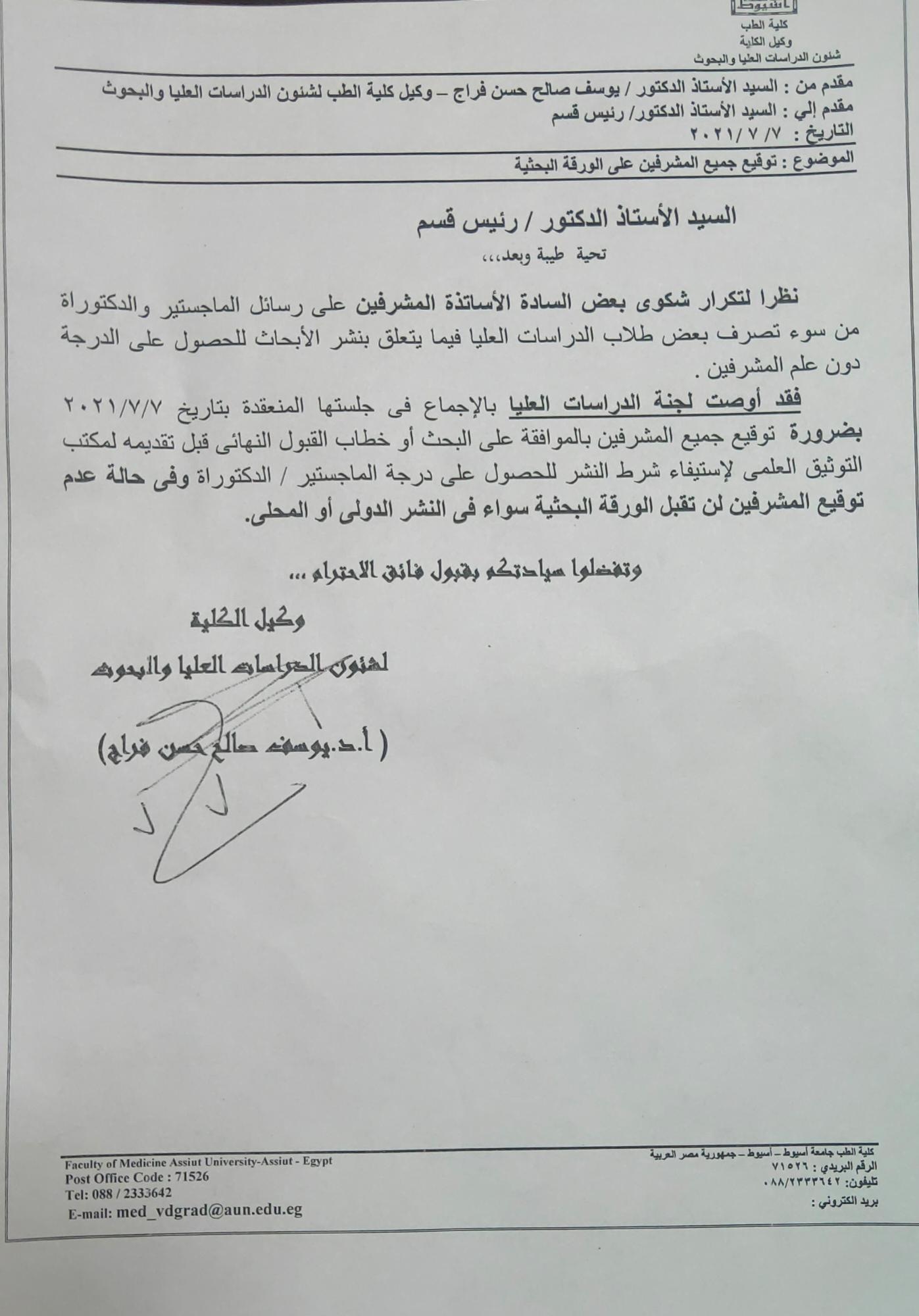
Terms of acceptance of theses and research

  • أوصت بجنة الدراسات العليا بالإجماع فى جلستها المنعقدة بتاريخ 7/7/2021 بضرورة توقيع جميع المشرفين على البحث أو خطاب القبول النهائى قبل تقديمة لمكتب التوثيق العلمى لإستيفاء شرط النشر للحصول على درجة الماجستير / الدكتوراة وفى حالة عدم توقيع المشرفين لن تقبل الورقة البحثية سواء فى النشر الدولى أو المحلى .


Oligonol inhibited the NADPH oxidase activity and preserved the insulin signal in endothlial cells under diabetic conditions

Research Authors
Hiroki Yokoo, Kumiko Taguchi, Kengo Tomita, Michinori Takashina, Qiang Wang, Lobna A Abdelzaher, Yuichi Hattori
Research Department
Research Journal
JOURNAL OF PHARMACOLOGICAL SCIENCES
Research Pages
163P-163P
Research Publisher
JAPANESE PHARMACOLOGICAL SOC
Research Vol
121
Research Year
2013

The Ca2+ sensitizer levosimendan mitigates septic inflammation

Research Authors
Hiroki Yokoo, Qiang Wang, Lobna A Abdelzaher, Michinori Takashina, Wakana Ohashi, Kimimasa Sakata, Takahiro Imaizumi, Takuya Sakamoto, Yuichi Hattori
Research Department
Research Journal
JOURNAL OF PHARMACOLOGICAL SCIENCES
Research Pages
105P-105P
Research Publisher
JAPANESE PHARMACOLOGICAL SOC
Research Vol
124
Subscribe to

