Semen parameters in Egyptian diabetic patients and its correlation with glycosylated hemoglobin level: A case-control study

Research Authors
EE Kamal, AYA BADRAN, W Khalifa, A Mahgoob, M Abukrisha, ...
Research Date
Research Department
Research Journal
Human Andrology 11 (11), 1-6
Research Member
Semen parameters in Egyptian diabetic patients and its correlation with glycosylated hemoglobin level: A case-control study

Research Abstract
Abstract
Background: Diabetes mellitus (DM) is a well-known metabolic disorder affecting a large population worldwide. Both types of DM could have detrimental effects on semen parameters as well as the hormonal profile of the affected males.
Objective: On designing the current study, we sought to evaluate the effect of long-term control of DM by measuring glycosylated hemoglobin (HbA1c) level and detect its possible correlation with semen parameters and hormonal profile of male patients with DM.
Patients and Methods: A prospective case–control study was conducted on 60 males with DM and 40 matched controls. All participants were subjected to conventional semen analysis and measurement of free and total testosterone, follicle-stimulating hormone, luteinizing hormone, and prolactin levels by enzyme-linked immunosorbent assay technique. Measurement of HbA1c level was made for all participants.
Results: A significant negative correlation was found between HbA1c and free testosterone levels, whereas a significant positive correlation between HbA1c and prolactin levels in patients with DM. No significant correlation was reported between HbA1c and semen parameters in patients with DM.
Conclusion: Patients with DM have significantly lower semen parameters and reproductive hormone levels than matched healthy controls which might impair their fecundity and reproductive capacity. We do recommend that all males with abnormal semen analysis should undergo screening for DM.
Research Authors
Emad Eldien Kamal1; AYA BADRAN email orcid 1; Walaa Khalifa2; Angham Mahgoob3; Mohammed Abukrisha4; Reham M Abdel Gaber3
Research Department
Research Journal
Human Andrology
Research Pages
1-6
Research Vol
,Volume 11, Issue 11, April 2021, Page 1-6
Research Year
2020

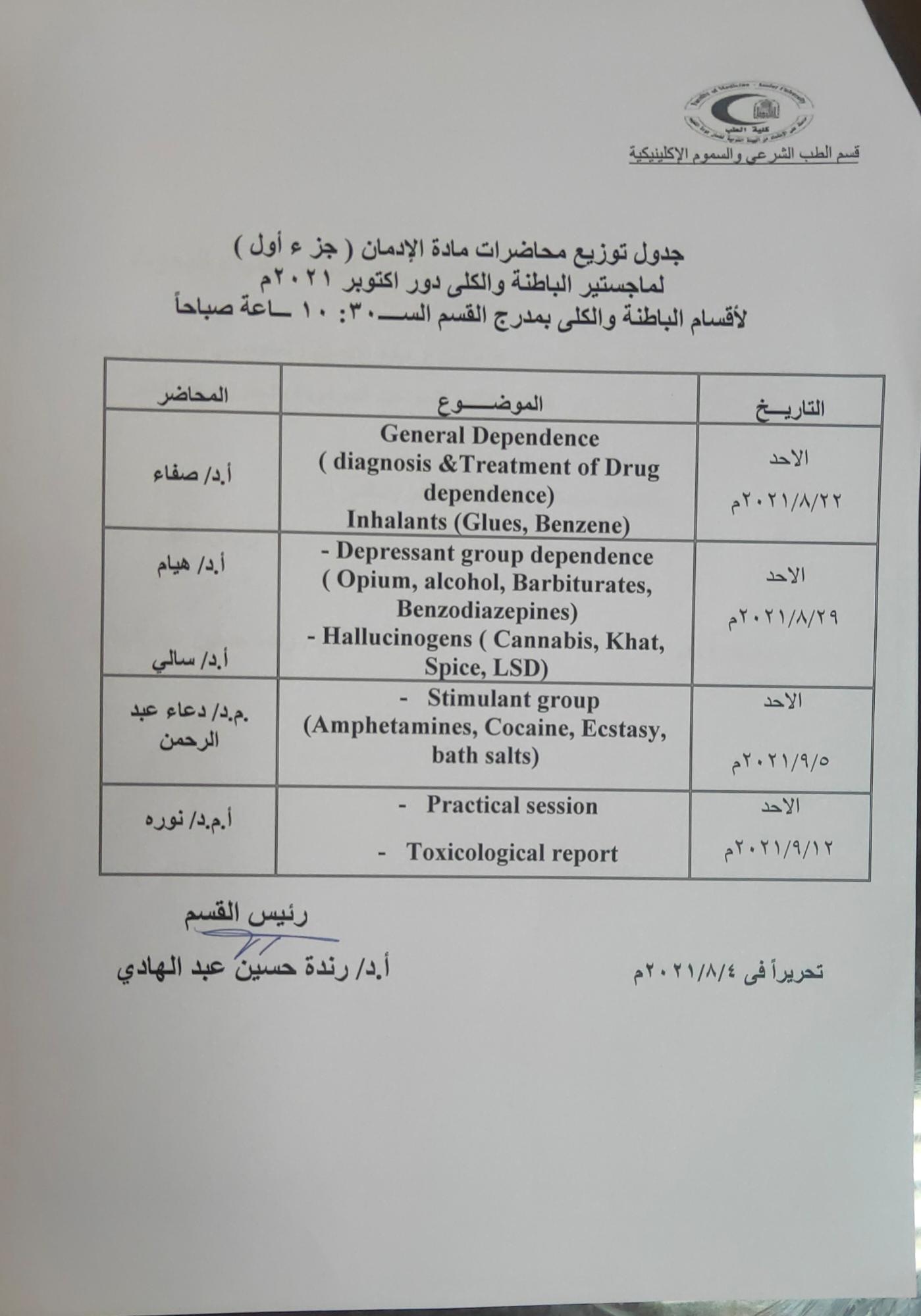
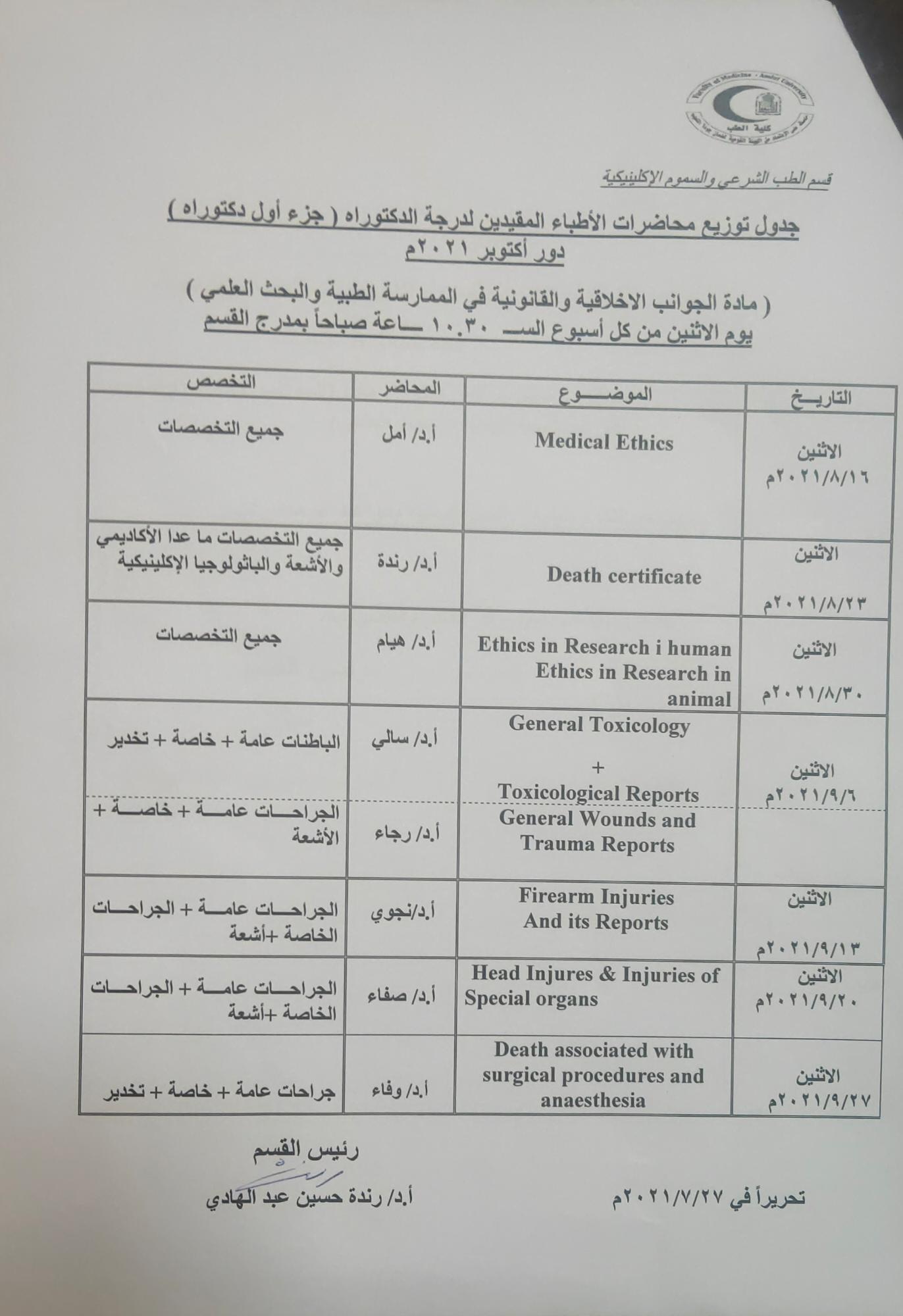
Distribution schedule of lectures on addiction - first part of the master's degree in internal medicine and kidneys, October 2021 - Department of Forensic Medicine

Distribution schedule of lectures on addiction - first part of the master's degree in internal medicine and kidneys, October 2021 - Department of Forensic Medicine

Insulin Resistance And Cognitive Impairment In Type 2 Diabetes Mellitus

Research Abstract

AIM: To study cognitive functions in type T2D and the effect of insulin resistance on it. METHODS: In the present study, cognitive function tests were done for 37 subjects; control (n = 17), type 2 DM (n = 20).These tests include mini mental state examination (MMSE), Wechsler adult intelligence scale (WAIS), Wechsler memory scale (WMS) and Cognitive Event related potential (P300). Circulating levels of glycosylated haemoglobin (HbA1c) and insulin were determined in venous blood samples of both groups. RESULTS: MMSE was significantly lower in type T2D than control group (p = 0.034). However no significant difference between type T2D and control group in WAIS and WMS except in visual reproduction (p = 0.048). P300 latency was significantly longer in type T2D than controls (p = 0.0001). P300 amplitude was decreased significantly in type T2D than controls (p = 0.0001). HbA1c and insulin was significantly higher in type T2D than controls (p = 0.0001). CONCLUSION: Type T2D is associated with cognitive impairment due to insulin resistance.

Research Authors
Mohamed MG, Khedr EM, Ahmed MA, Sayed SA
Research Department
Research Journal
International Journal of Diabetes Research
Subscribe to