Low dose epinephrine boluses versus traditional management for acute hypotension in pediatrics intensive care unit

Research Authors
MEM Maher M. Mokhtar, Shreen M. Galal
Research Date
Research Department
Research Journal
Journal of current medical research and practice

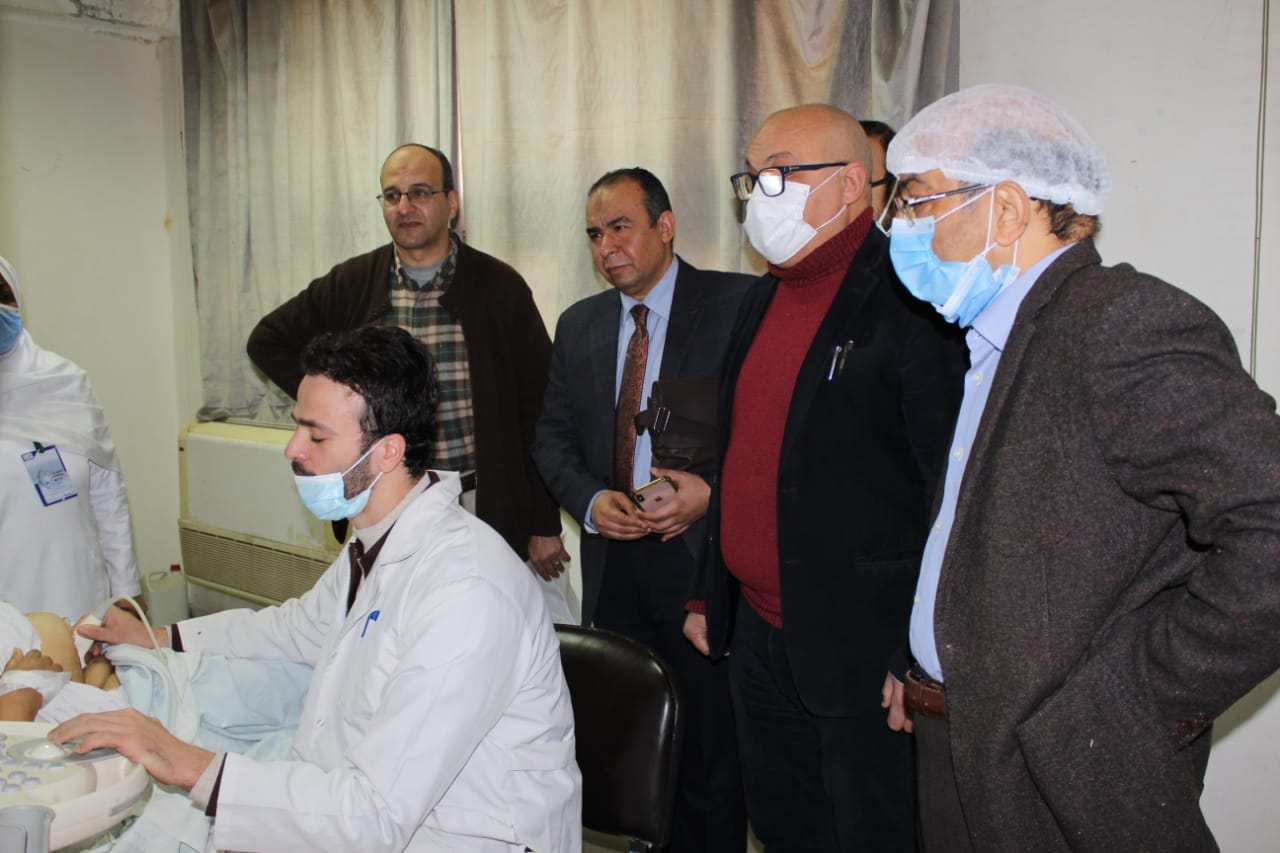
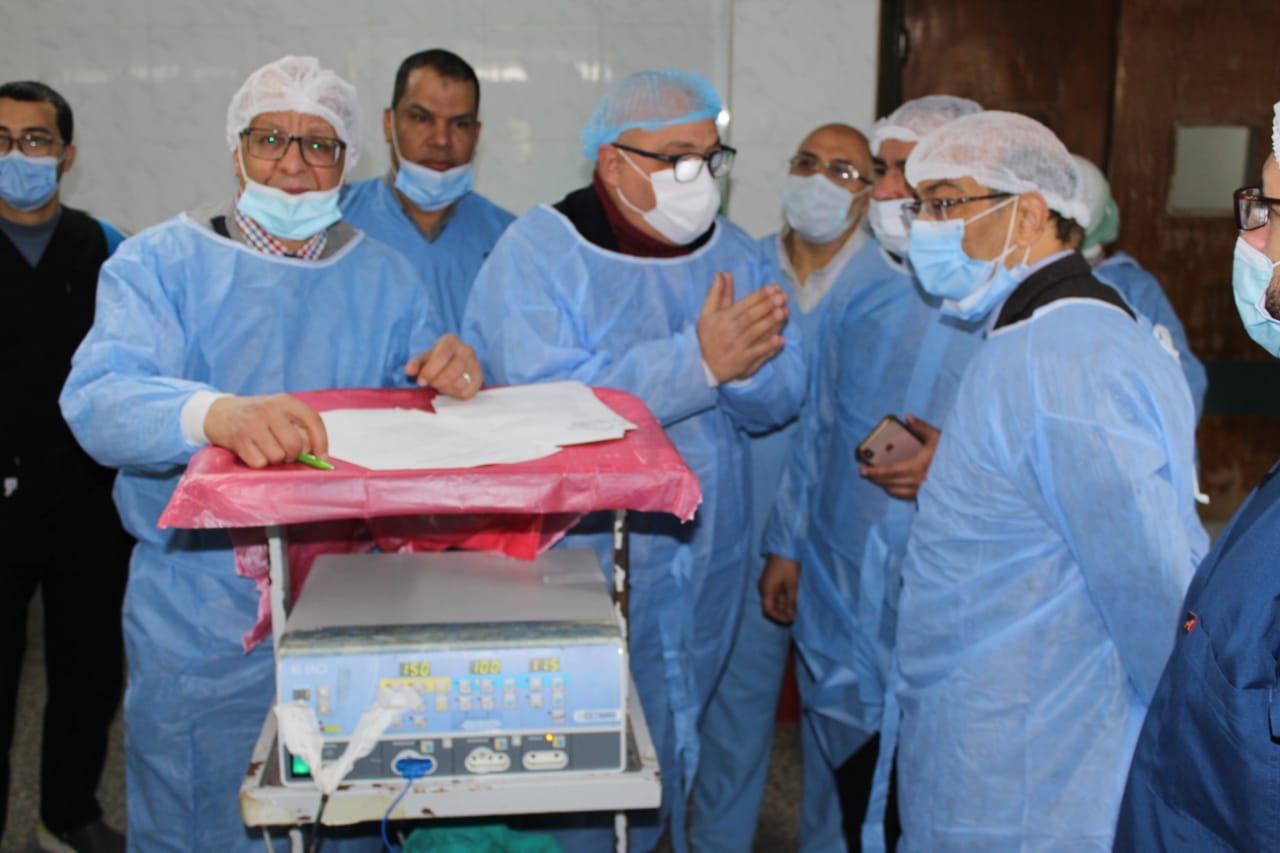
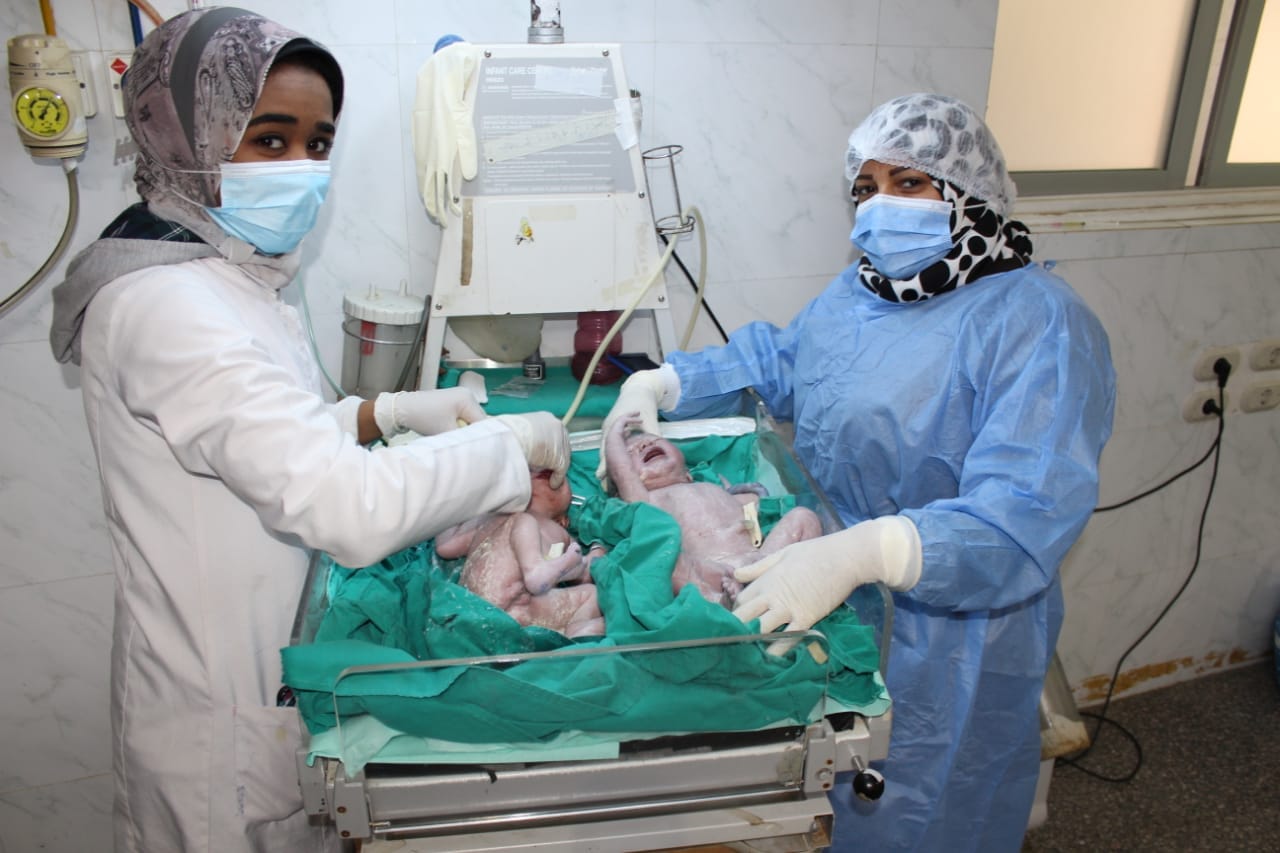
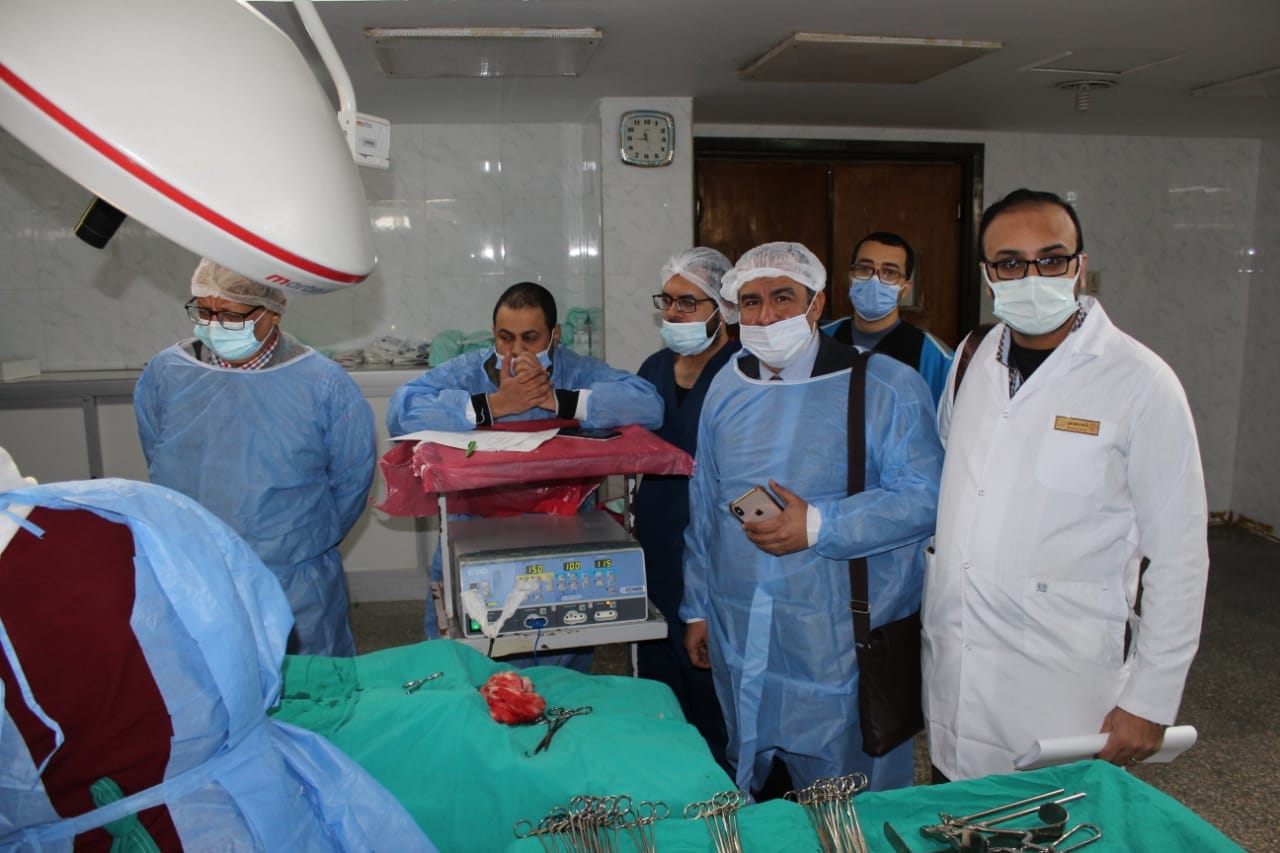
An inspection visit to the Department of Obstetrics and Gynecology to determine the activation of the work place based assessment (WPA)

تحت رعاية

أ.د/علاء عطية عميد كلية الطب ورئيس مجلس إدارة المستشفيات الجامعية

قام السيد أ.د/ يوسف صالح وكيل الكلية للدراسات العليا والبحوث

أ. د/ هدى مخلوف مدير وحدة الجودة بكلية الطب

أ.د /هبة عطية نائب مدير وحدة ضمان الجودة

 بزيارة تفقدية لقسم التوليد وامراض النساء للوقوف على تفعيل

  work placebased assessment (WPA)

والذي يعتبر نقلة جديدة لتحسين تقييم النواب والاخصائيون والمدرسين المساعدين بالقسم تحت اشراف

 أ.د /احمد فائق أمين رئيس القسم

أ.د/ علاء اسماعيل منسق ومشرف العمل

وقد أثنى الحاضرون على الاداء الفعال للعمل

وجزيل الشكر السادة أعضاء هيئة التدريس المقيّمين على مجهودهم للارتقاء بالمستوى العلمي بالقسم

2345

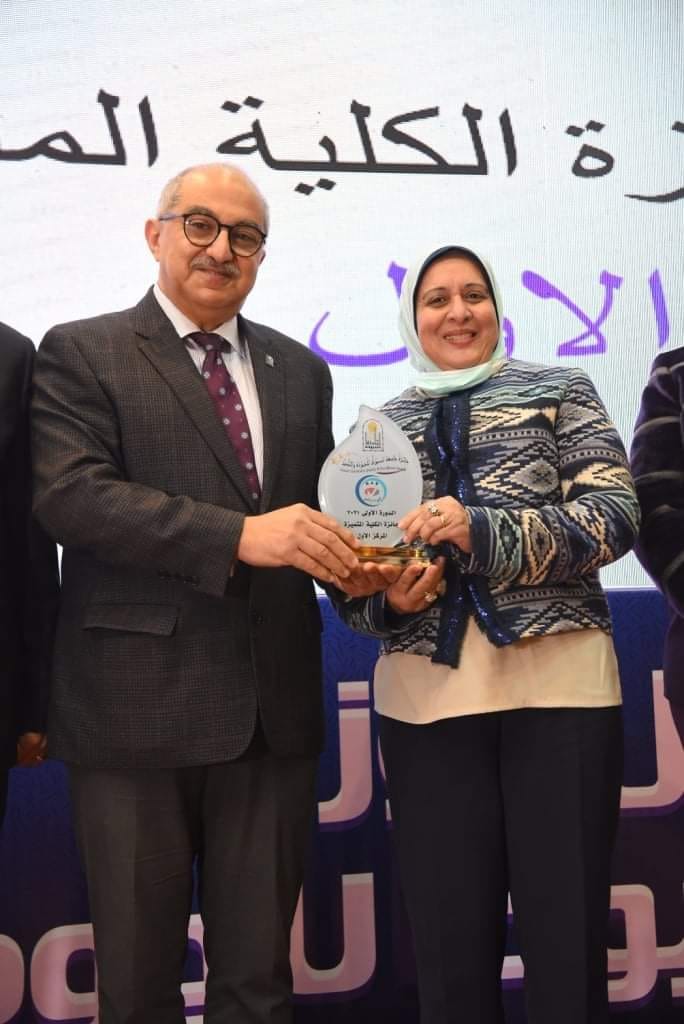
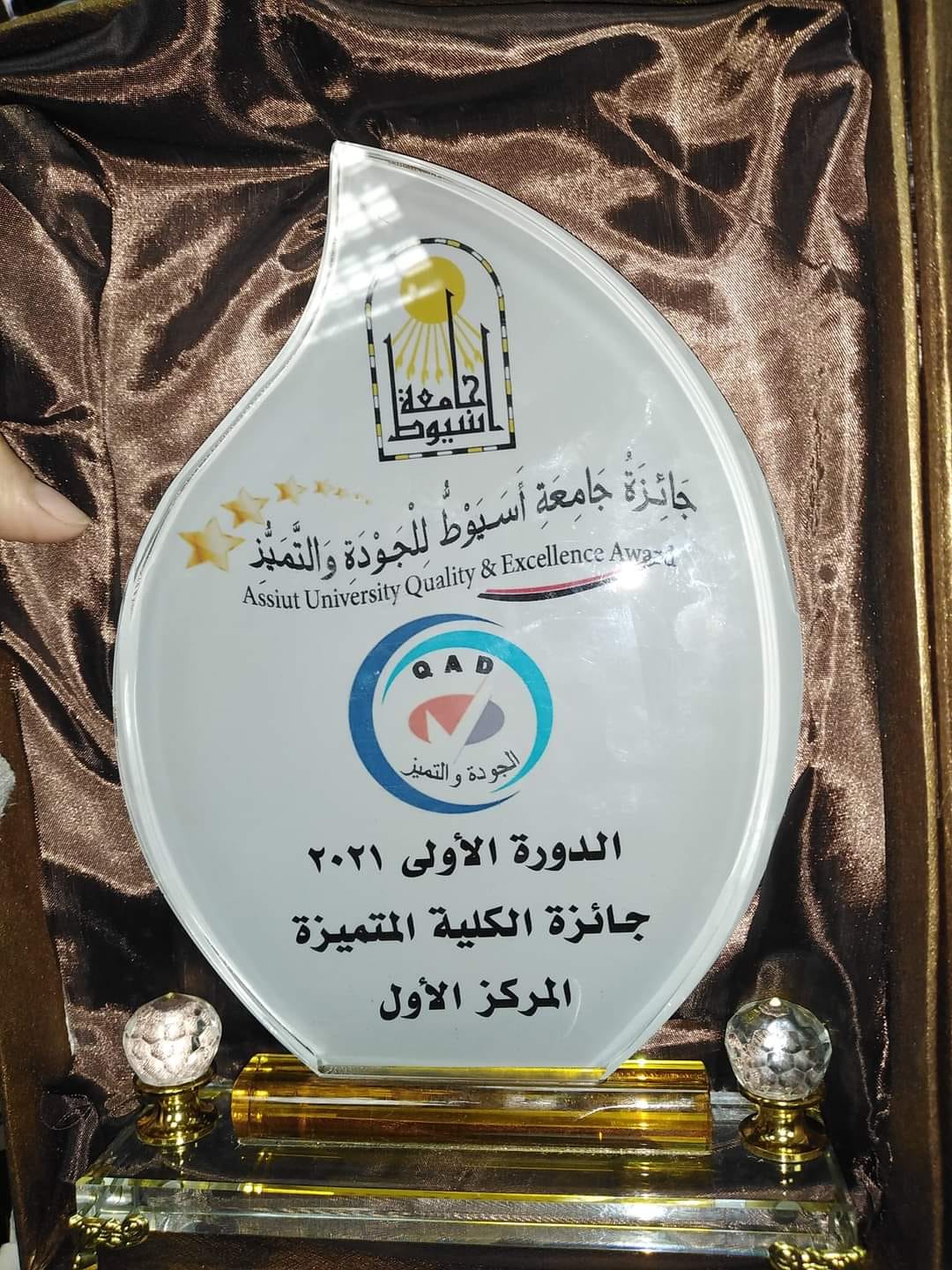
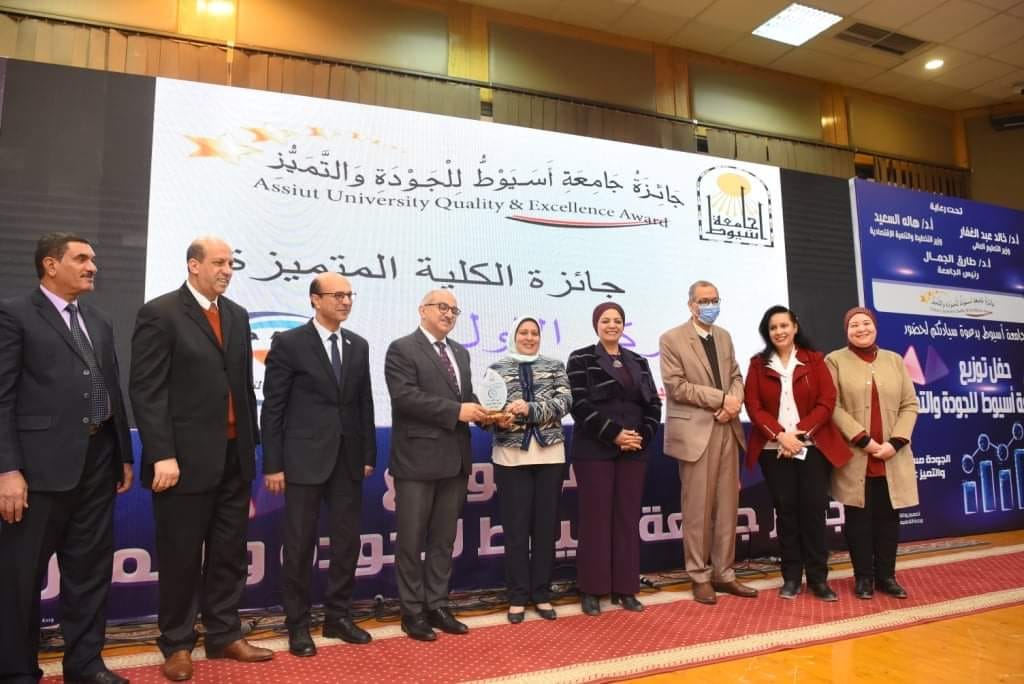
The Faculty of Medicine wins the first place for the Quality and Excellence Award - Assiut University

كلية الطب تفوز بالمركز الأول لجائزة الجودة والتميز - جامعة أسيوط

أ. د/اماني عمر وكيل الكلية لشئون التعليم والطلاب.

تتسلم جائزة الكلية المتميزة (المركز الاول ) للجودة والتميز في جامعة اسيوط  ، يوم الأربعاء ١٩ يناير خلال حفل توزيع الجوائز بحضور

أ. د/ طارق الجمال رئيس الجامعة

وأ. د/ شحاتة غريب نائب رئيس الجامعة لشئون التعليم والطلاب

و أ. د/احمد المنشاوي  نائب رئيس الجامعة لشئون الدراسات العليا والبحوث

وا. د/مها غانم نائب رئيس الجامعة لشئون خدمة المجتمع وتنمية البيئة

 والدكتور محمد محمدي مدير الجودة والتقييم بجائزة مصر للتميز الحكومي

ووفد وزارة التخطيط الدكتور عبد الحكيم رضوان مسئول التدريب بالجائزة

والدكتور محمد عبد السلام مسئول التقييم بالوزارة

ومقيمي وزارة التخطيط الدكتور حازم شرف الدين والدكتورة ريهام صبحي

والأستاذ شوكت صابر أمين الجامعة المشرف العام على الجودة والجائزة.

العلاقات العامة ووحدة الخدمات التكنولوجية بكلية الطب تهنئ السيد الأستاذ الدكتور /علاء عطية - عميد الكلية بالجائزة والسادة وكلاء الكلية والسادة أعضاء هيئة التدريس وكل العاملين بكلية الطب.

234

High Definition transcranial Direct Current (HD-tDCS) stimulation over the primary motor and insular cortex reduces capsaicin-induced pain and hyperalgesia

Research Abstract

There is an increasing interest in the use of non-invasive brain stimulation to modulate cortical activity for treating pain and psychiatric disorders. One such method is transcranial Direct Current Stimulation (tDCS) which has a reasonably high safety profile with few side effects and easy to administer. A number of studies reported that it can relieve neuropathic, musculo-skeletal and visceral pain as well as headaches and migraine. High Definition Transcranial Direct Current Stimulation (HD-tDCS) is a refinement of the tDCS method and aims to focus the area of stimulation to a specific brain region. We have tested this technique targeting a novel brain area in a human model of experimental pain. In a sham-controlled single-blinded trial we investigated the effects of HD-tDCS over two cortical targets: the primary motor cortex and the insula in a human model of capsaicin-induced pain.Thirty healthy volunteers (14 female, mean age 32.8 years) were divided into 3 groups and all had capsaicin cream (0.075%) applied for 30 minutes on a 9 cm2 area of skin on the volar surface of both arms. The areas of hyperalgesia after capsaicin application were measured by mapping the areas of primary and secondary hyperalgesia using a brush, a 19 g-Von-Frey Filament, and a calibrated 40 g-pinprick (Neurotips). Ten volunteers in each group then received 20 minutes of anodal HD-tDCS (2 mA) targeting the left primary motor cor-tex, left insular cortex or sham-placebo stimulation. Cortical targeting for stimulation was determined after running com-puter simulated brain conductivity models. Cutaneous areas of hyperalgesia were re-mapped after stimulation. The visual analogue pain scale was repeated throughout the experiment for assessing pain severity.We found a significant reduction in subjective pain scores (VAS) and areas of primary and secondary hyperalgesia after motor or insular cortex HD-tCDS compared to sham stimula-tion. The effects of insula stimulation appear to be bilateral while the reduction in cutaneous hyperalgesia was mainly contralateral to motor cortex HD-tCDS. We found that volun-teers in the stimulation groups also reported a significantly faster reduction in pain scores compared to the sham group. The volunteers failed to differentiate whether they had active or sham stimulation.In a human model of capsaicin-induced pain, anodal HD-tCDS of motor and insula cortex was shown to reduce pain and hyperalgesia compared to sham stimulation. This study shows that it is possible to stimulate the insular cortex using HD tCDS and the effects are bilateral as opposed to motor cortex stim-ulation where reduction in pain and hyperalgesia is predom-inantly contralateral.

Research Authors
S. Elsawy1, F. Boy2, H. Kotb1, E. Khedr3, S. Chong4 and R. Cregg5
Research Journal
BJA

Dexamethasone Versus Magnesium Sulfate As An Additives to Bupivacaine in Ultrasound Guided Supraclavicular Brachial Plexus Blockade

Research Abstract


September 2016 • Volume 123 • Number 3 Supplement

DEXAMETHASONE VERSUS MAGNESIUM SULFATE AS AN ADDITIVES TO BUPIVACAINE IN
ULTRASOUND GUIDED SUPRACLAVICULAR BRACHIAL PLEXUS BLOCKADE
R. A. Hamed1, N. M. Osman1, W. S. Hassan1,*, S. M. Omar1
1Anaethesia and Pain Management, Assuit University Hospital, Assuit, Egypt
Background & Objectives: comparing the effect of adding dexamethasone and magnesium
sulfate to bupivacaine in ultrasound guided supraclavicular brachial plexus blockade. The primary
endpoints were the onset of sensory and motor block and quality of analgesia and the
secondery end points were duration of analgesia and motor block.
Materials & Methods: Ninety patients scheduled for elective surgeries on the upper limb
under ultrasound guided supraclavicular brachial approach. patients were randomly allocated
using a standard randomization code, in a double blinded manner, into three groups; group one
(n=30) received 20 ml 0.5% plain bupivacaine, group two (n=30) received 18 ml bupivacaine
0.5% + 2 ml (8mg) dexamethasone, group three (n=30) received 18 ml bupivacaine 0.5% +
200 mg magnesium sulfate.
The following parameters were studied: Onset of sensory block, onset of Motor blockade,
haemodynamic and respiratory data, Analgesia time,and Duration of motor and sesory blocks
Results: There was no significant difference in the demographic data and surgical characteristics
in the three groups. The sensory block onset time in minutes was earlier in group 2
(dexamethasone) as compared to group 1 and 3; 8.20±2.09 versus 16±3.48 (P< 0.05) and
8.20±2.09 versus 12.70 ± 2.92(P< 0.05) respectively, also the sensory block onset was earlier
in group 3 (magnesium) than group 1 (control) 12.70 ± 2.92 versus 16±3.48 (P< 0.05).
Also onset of motor blockade in minutes was earlier in group 2 than in group 1 and 3; 1.50
± 2.09 versus 13.10 ± 3.34 (p< 0.05) and 12.75 ± 3.43 respectively, while the difference in
motor block onset was clinically insignificant between group 1 and 3(P> 0.05). As regard duration
of analgesia in minutes it was significantly longer in group 2 than group 1 and 3 1104.00
± 289.16 versus 313.50 ± 103.68 and 558.00 ± 48.08 respectively, also analgesia duration
was significantly prolonged in group 3 than group 1(P< 0.05). the motor power was significantly
prolonged for group 2 than group 1 and 3; 563.00 ± 69.29 versus 136.50 ± 28.34 and
214.50 ± 36.92 respectively, and also the motor power return was delayed in group 3 than
group 1(P< 0.05).
Conclusion: both of them proved to prolong the duration of block and the analgesia time, both
of them fasten the sensory block onset time, but dexamethasone is significantly more effective
in prolonging the analgesia duration and the block duration. dexamethasone shorten the
motor block onset time while magnesium does not enhance the motor block onset time.
Disclosure of Interest: None declared
DOI: 10.1213/01.ane.0000492692.50087.95

Research Date
Research Journal
anesthesia and analgesia suplement
Research Member
Subscribe to