 Do you have any questions?

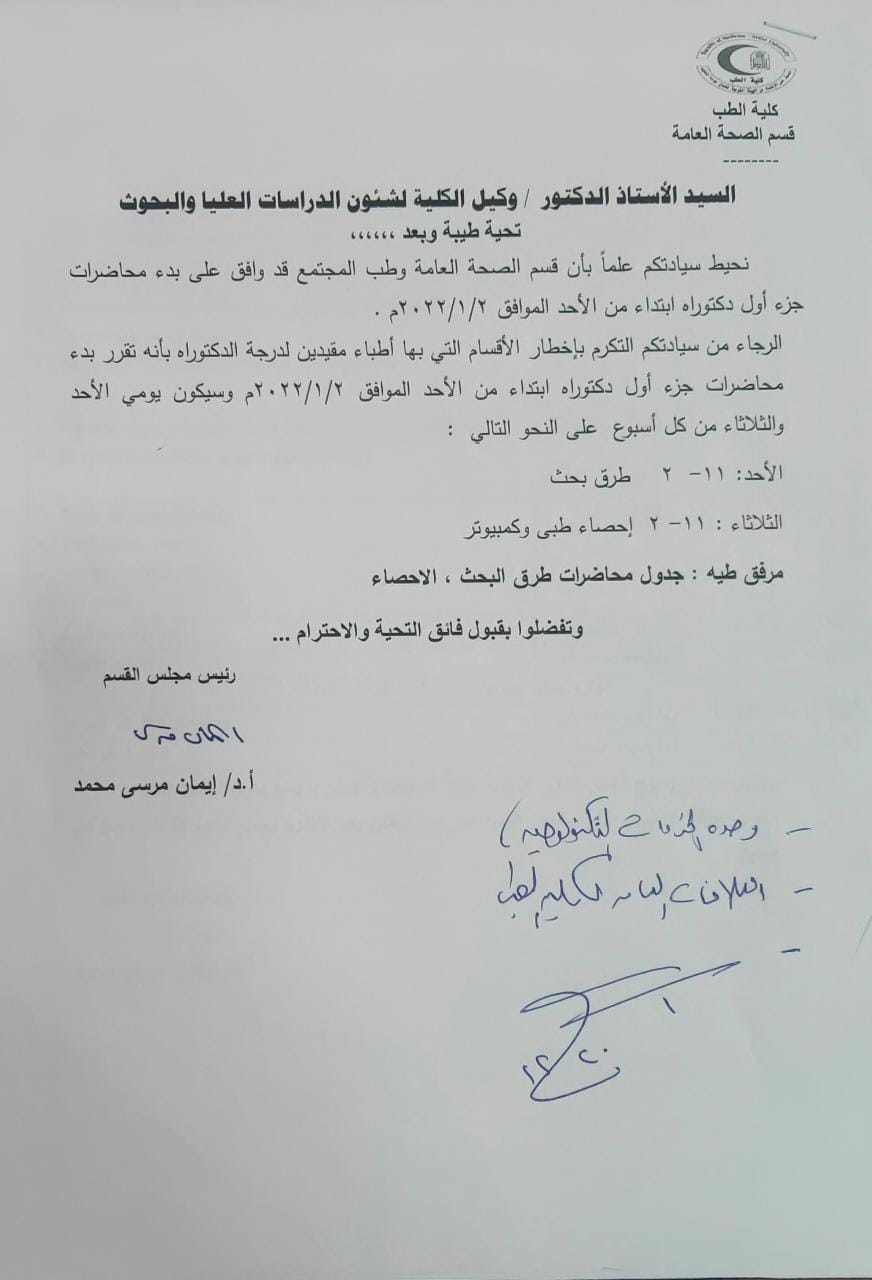
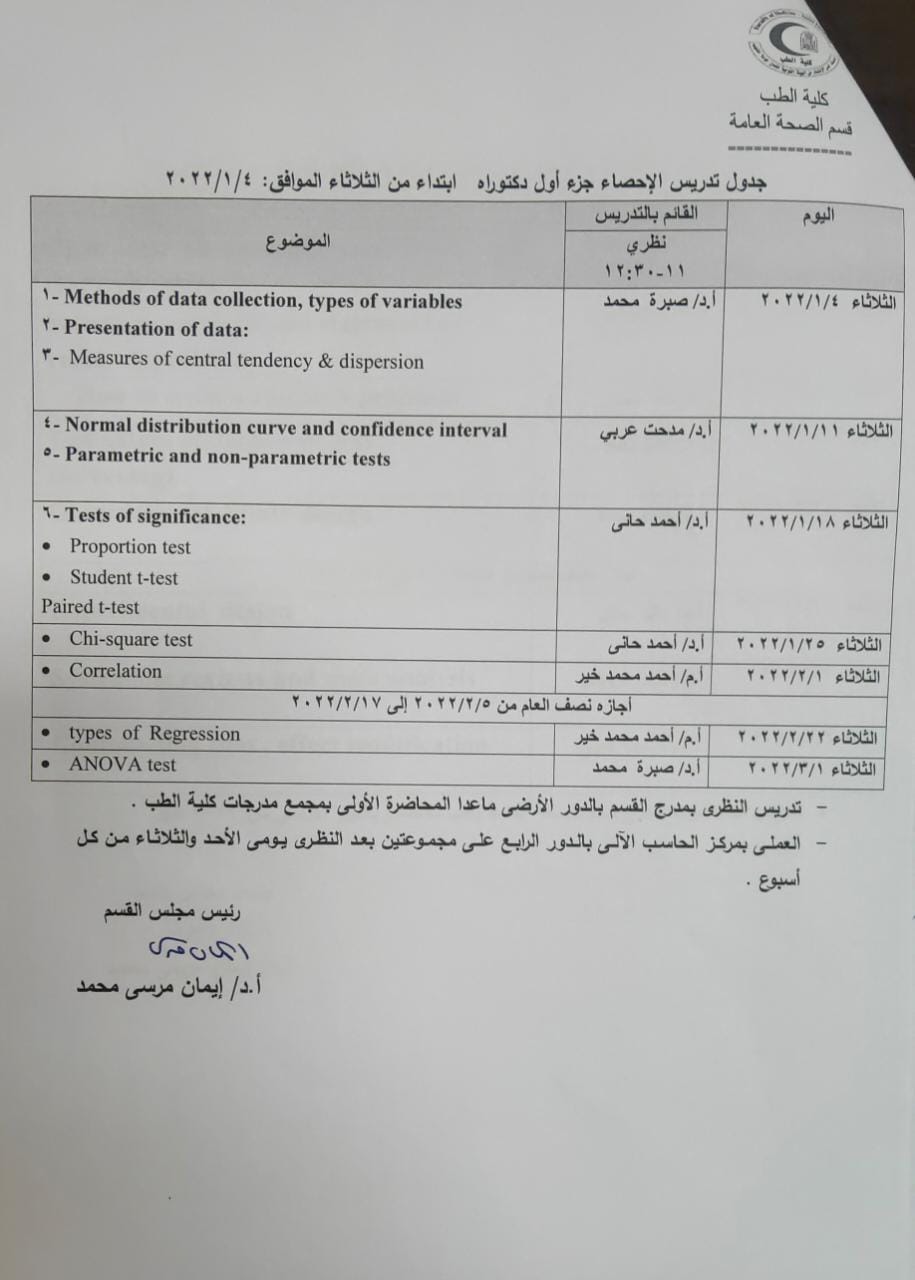
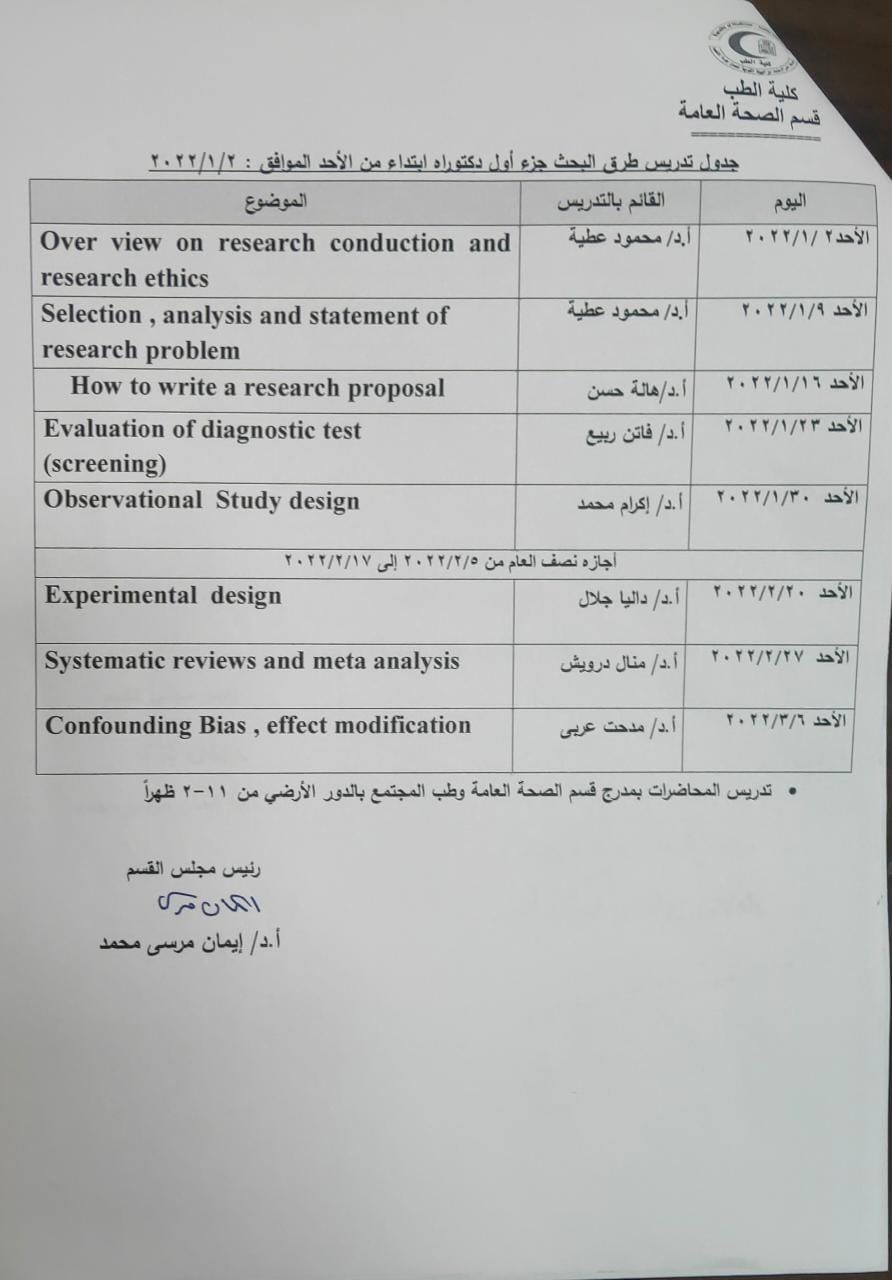
MicroRNA146a Gene Polymorphism in Patients With Rheumatoid Arthritis and Its Association With Disease Activity and Extra-Articular Manifestations
Research Date
Research Department
Research Journal
JOURNAL OF RHEUMATOLOGY
Research Member
Research Pages
1138
Research Publisher
J RHEUMATOL PUBL CO
Research Vol
48
Research Year
2021
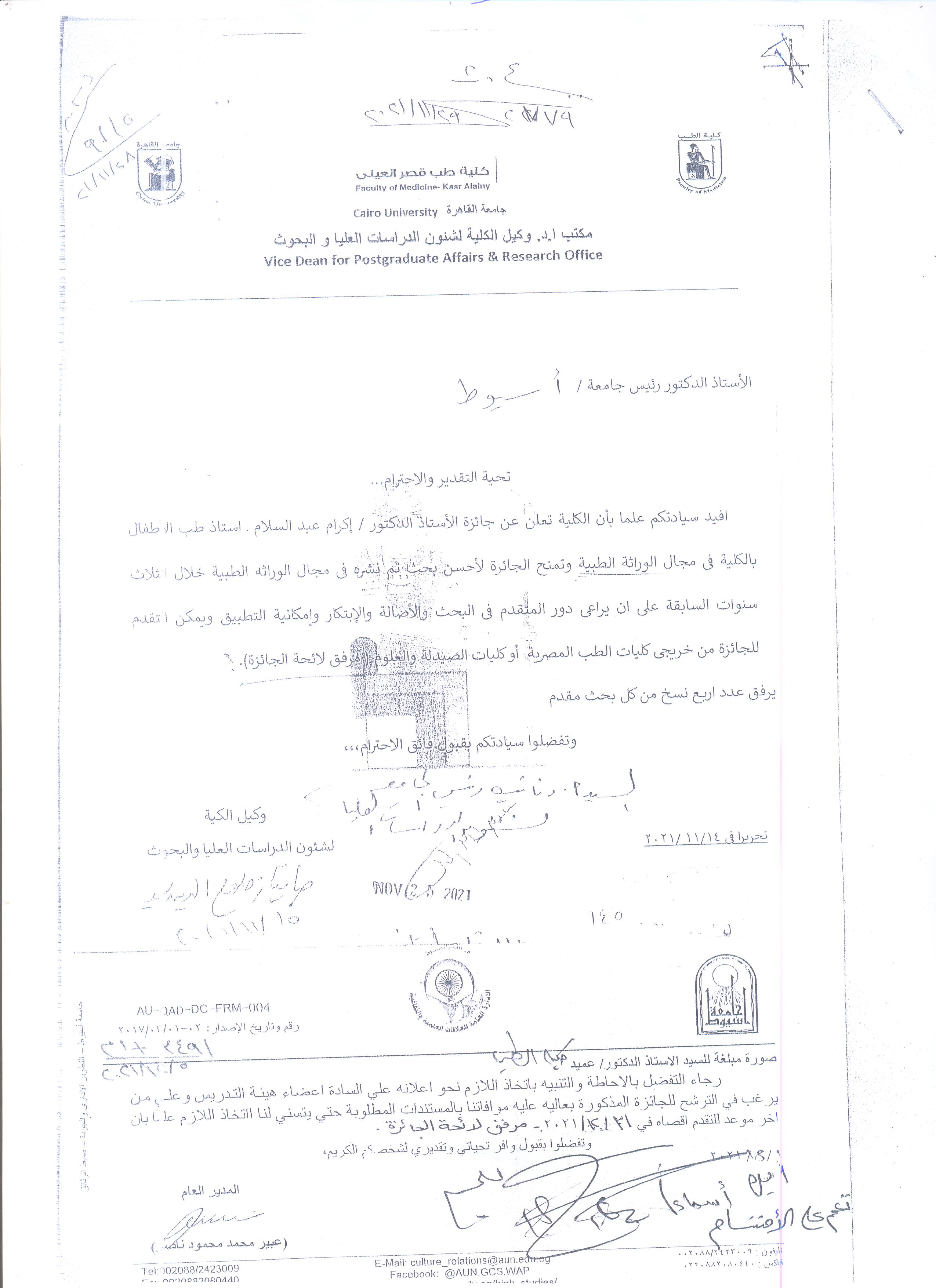
Prof. Dr. / Ikram Abdel Salam Award in the field of Medical Genetics
University Education Development Center courses

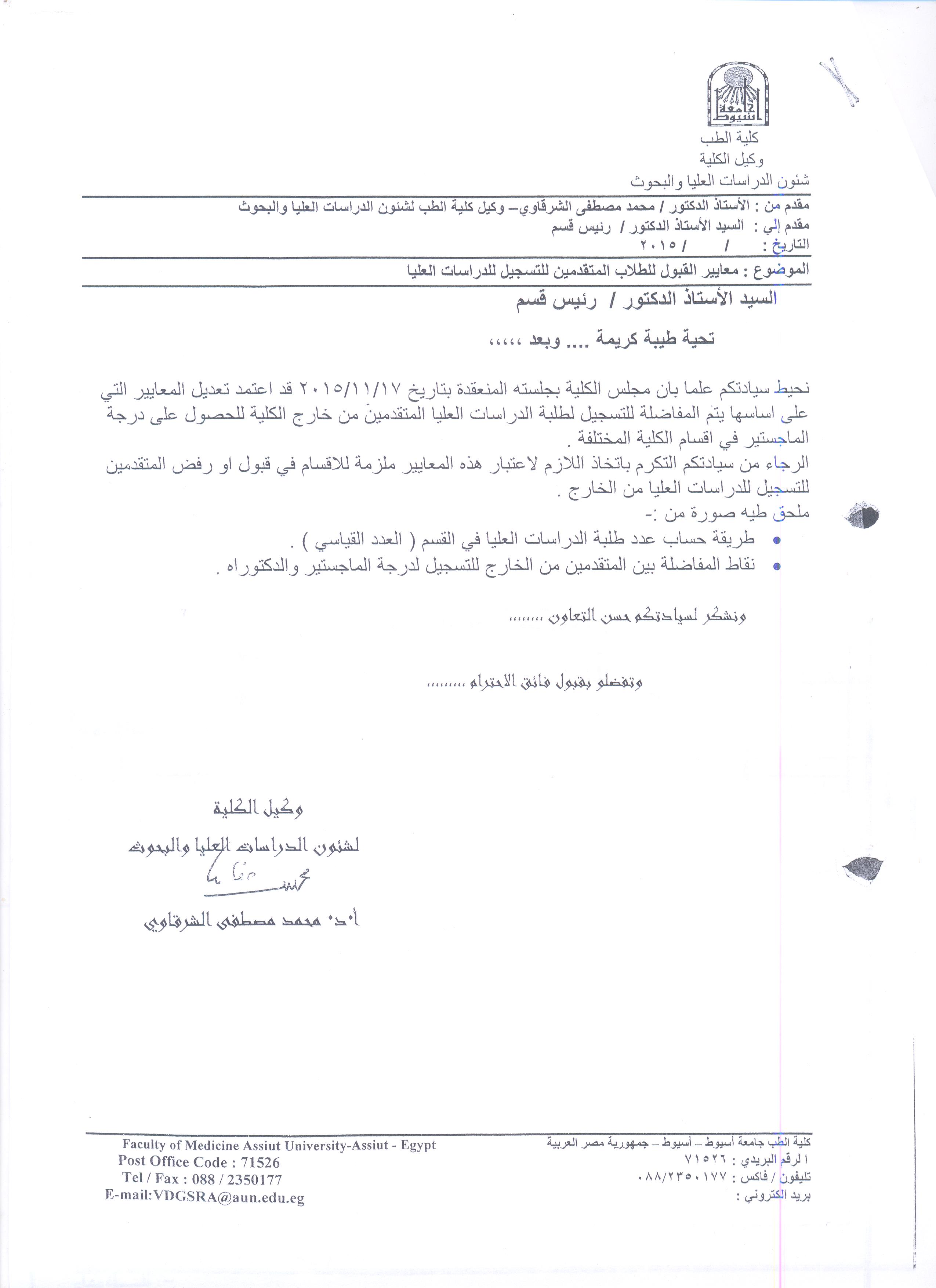
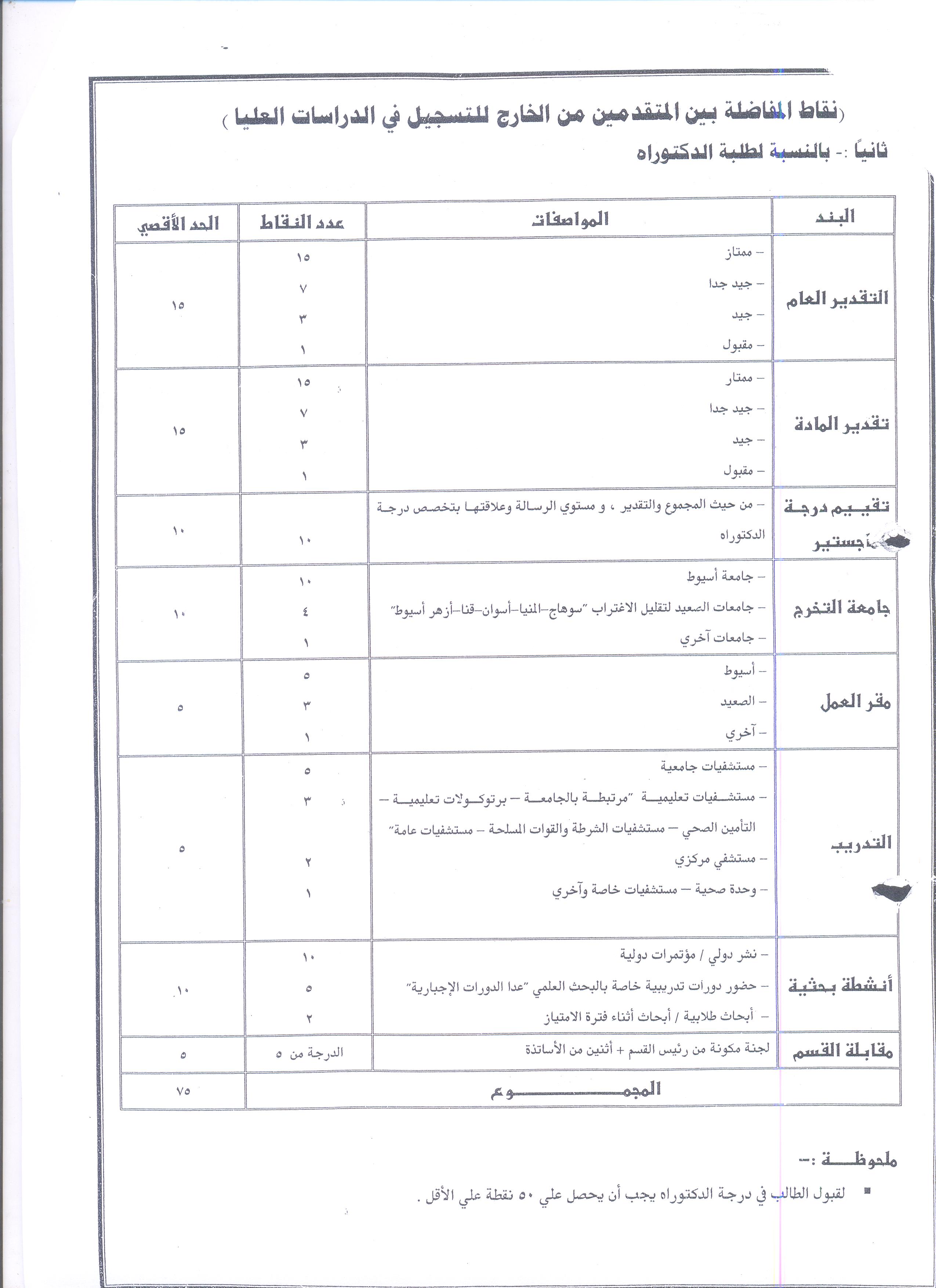
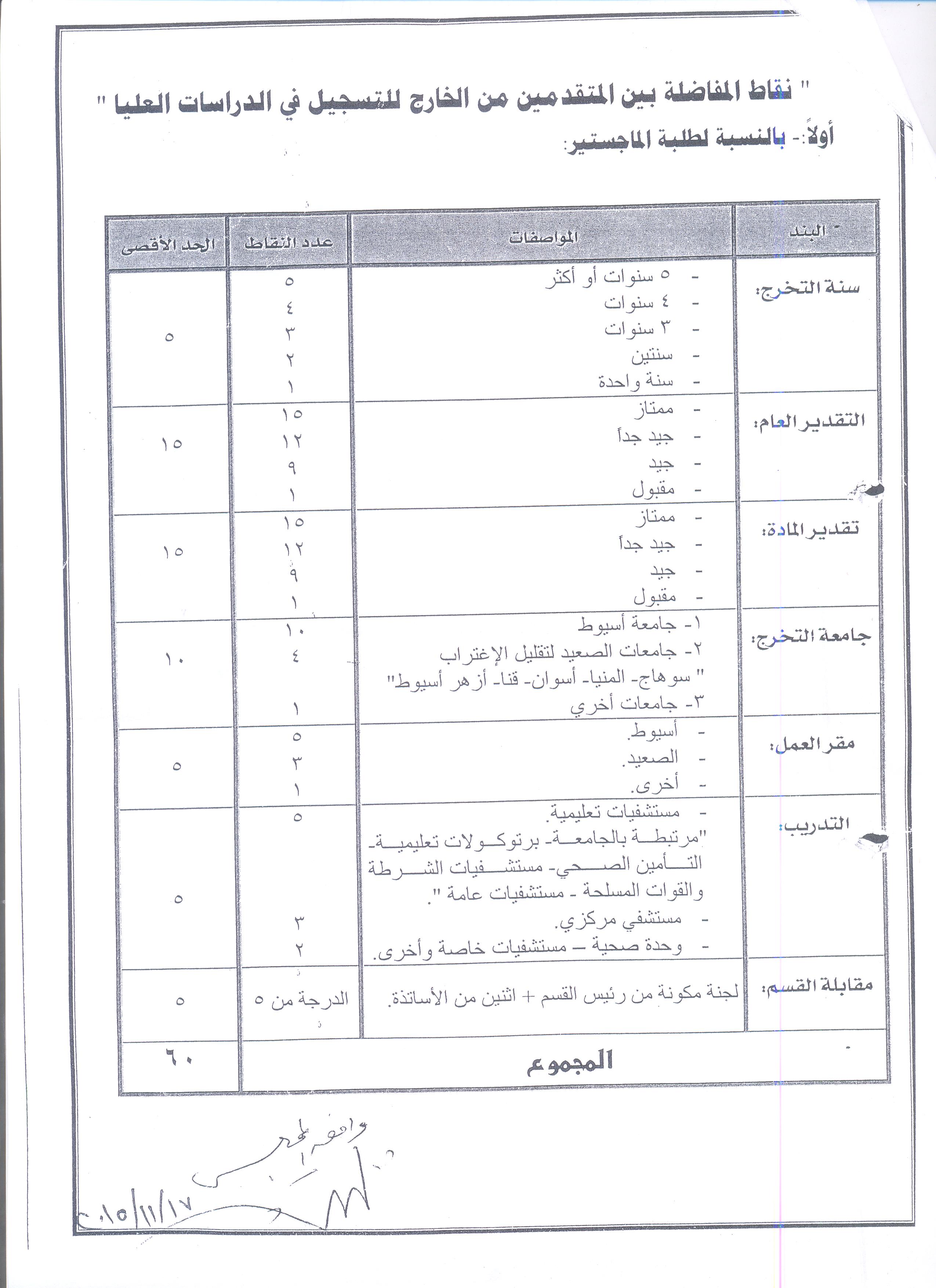
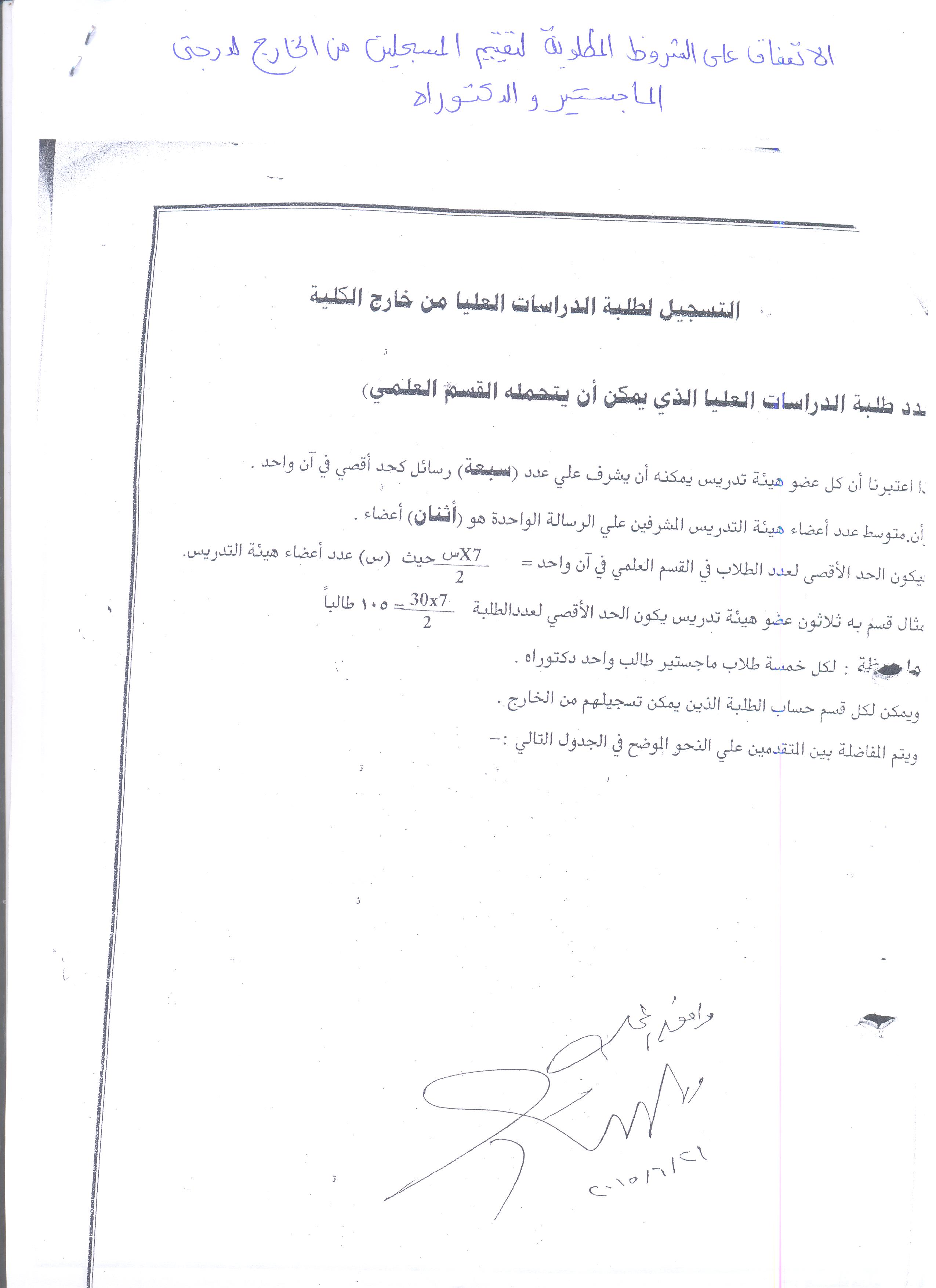
Agreeing on the conditions required for evaluating those registered from abroad for the master's and doctoral degrees
Therapeutic Dilemma in personalized medicine
Research Abstract
The practice of medicine depends over a long time on identifying therapies that target an entire population. The increase in scientific knowledge over the years has led to the gradual change towards individualization and personalization of drug therapy. The hope of this change is to achieve a better clinical response to given medications and reduction of their adverse effects. Tailoring of medicine on the road of personalized medicine considers molecular and genetic mapping of the individual. However, many factors still impede the smooth application of personalized medicine and represent challenges or limitations in its achievement. In this article, we put some clinical examples that show dilemmas in the application of personalized medicine such as opioids in pain control, fluoropyrimidines in malignancy, clopidogrel as antiplatelet therapy and oral hypoglycemic drugs in Type2 diabetes in adults. Shaping the future of medicine through the application of personalized medicine for a particular patient needs to put into consideration many factors such as patient's genetic makeup and life style, pathology of the disease and dynamic changes in its course as well as interactions between administered drugs and their effects on metabolizing enzymes. We hope in the coming years, the personalized medicine will foster changes in health care system in the way not only to treat patients but also to prevent diseases.
Research Date
Research Journal
Curr Rev Clin Exp Pharmacol
Research Member
Study on Inborn and Outborn Neonatal Admissions in Relation to Gestational Maturity in Neonatal Intensive Care Unit at a Tertiary Care University Hospital in Upper Egypt
Research Abstract
Neonatal morbidity and mortality rates indicate a country's socioeconomic status and the quality, and effectiveness of its health care system. This research aimed to identify the clinical pattern and causes of neonatal admission for inborn and outborn babies in a tertiary care university hospital and their outcomes. Over a year, this prospective hospital-based research was conducted in the neonatal intensive care unit (NICU) of Assiut Children's Hospital in Upper Egypt (January 1st to December 31st, 2020). Gender, birth weight, gestational age, postnatal age, delivery mode, delivery place, admission cause, hospital stay period, and neonatal outcomes were collected. A total of 1,638 newborns were admitted; 930 (56.8%) were preterm and 708 (43.2%) full-term. Inborn admissions were 1,056 (64.5%) and outborn 582 (35.5%). The majority of inborn admissions were preterm 726 (68.8%), and outborn were full-term 378 …
Research Date
Research Department
Research Journal
Journal of Child Science
Research Member
Research Pages
e287-e295
Research Publisher
Georg Thieme Verlag KG
Research Vol
11
Research Year
2021
Outcome of infants with hypoxic-ischemic encephalopathy treated by whole body cooling and magnesium sulfate.
Research Abstract
Therapeutic hypothermia (TH) either by selective head cooling or whole-body cooling decreases brain damage and provide neuroprotection and reduced mortality rate in cases of moderate-to-severe hypoxia-ischemia encephalopathy (HIE) of newborns, especially if started at first 6 hours after birth. Also, management with adjuvant therapies like magnesium sulfate (MS) provides more neuroprotection. The interventional randomized controlled research aimed to assess short-term actions of TH as sole therapy and in combination with MS as a neuroprotective agent for the treatment of HIE newborn infants. A total of 36 full-terms and near-term infants delivered at Assiut University Children's Hospital and fulfilled HIE criteria were enrolled. They were divided equally into three groups; Group 1 (n = 12) received whole body cooling during first 6 hours of life as a sole therapy; Group 2 (n = 12) received whole body …
Research Date
Research Department
Research Journal
Journal of Child Science
Research Member
Research Year
2021
Eosinophilic cationic protein as a marker for detection of acute Exacerbations of patients with chronic obstructive pulmonary disease
Research Date
Research Department
Research Journal
The Official Journal Of Egyptian Society of Chest Diseases
Research Member
Eosinophilic cationic protein as a marker for detection of acute exacerbationc of patients with chronic obstructive pulmonary disease
Research Date
Research Department
Research Journal
The Official Journal Of Egyptian Society of Chest Diseases