 Do you have any questions?

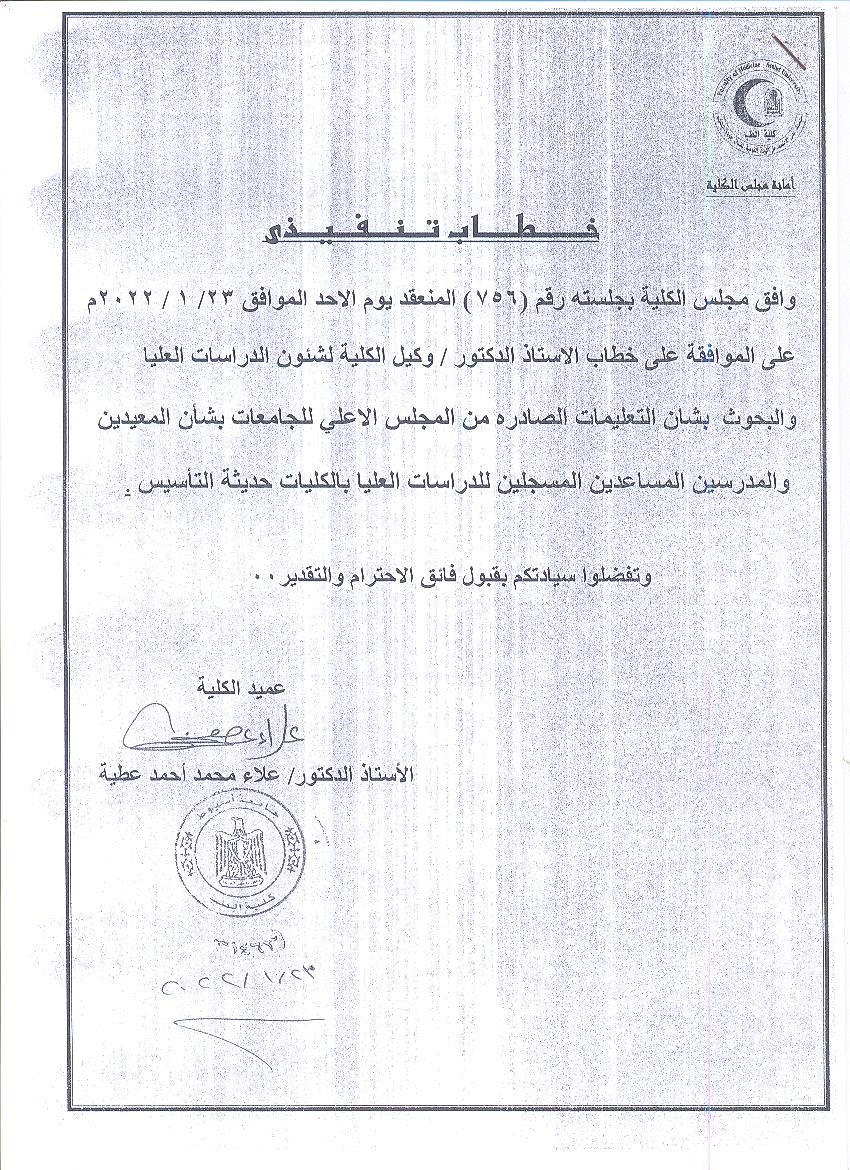
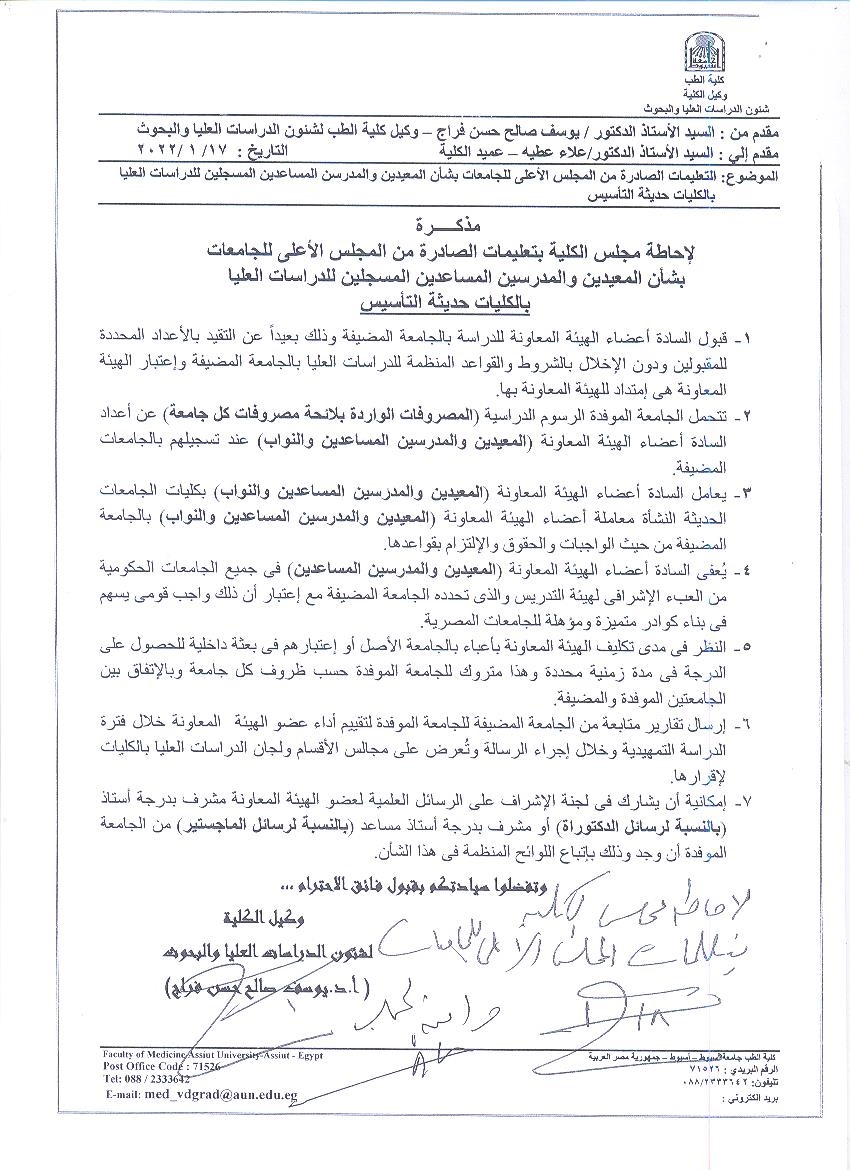
Instructions for the travel of faculty members and their assistants abroad in light of the instructions of the Ministry of Higher Education

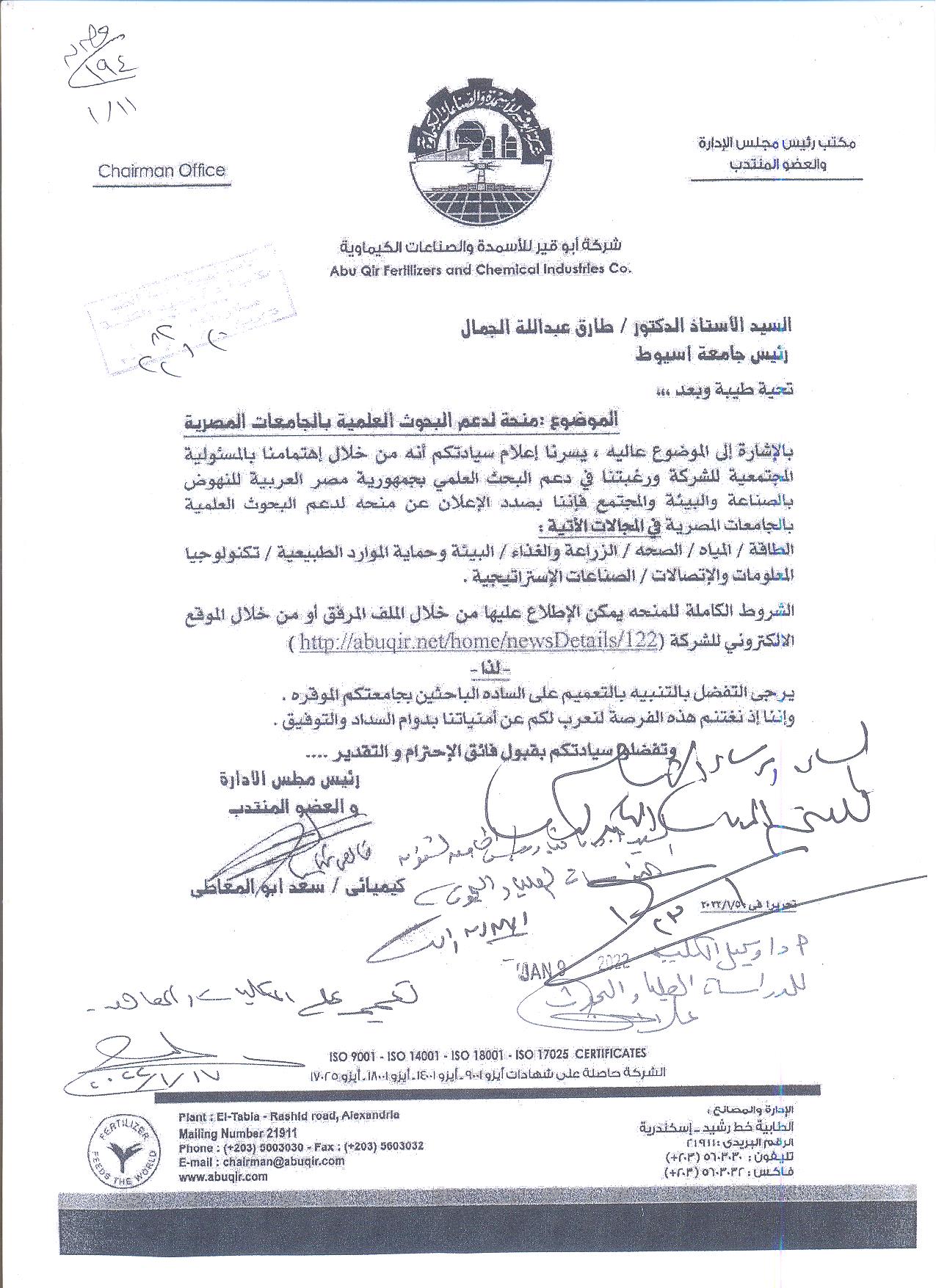
Grant to support scientific research in Egyptian universities
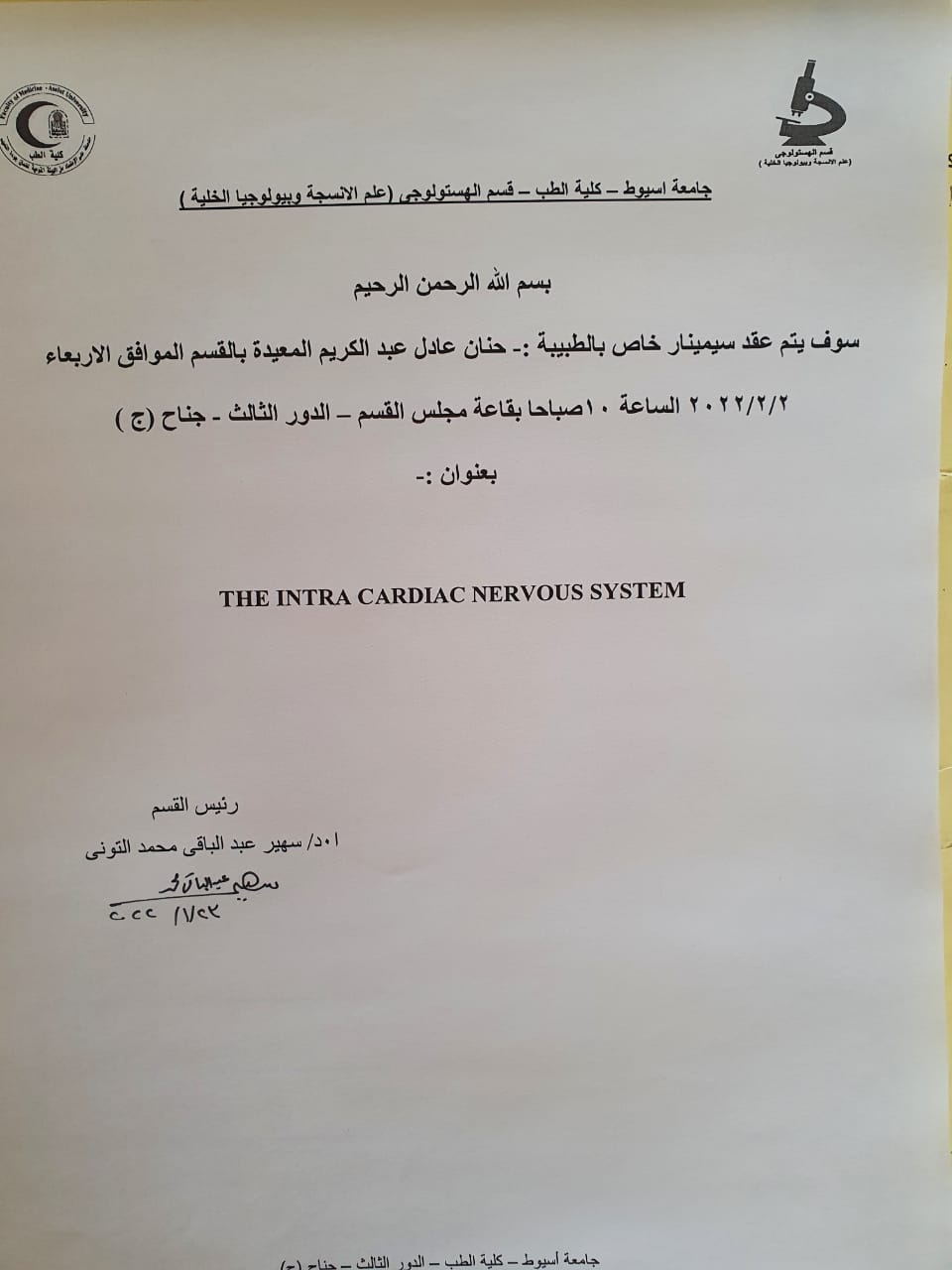
Seminar - Dr. Hanan Adel Abdel Karim - Department of Histology
Effectiveness of pulmonary rehabilitation on pulmonary function parameters and dyspnea in patients with stable chronic obstructive pulmonary disease
Research Abstract
Background
Chronic obstructive pulmonary disease (COPD) is a common preventable and treatable disease characterized by persistent airflow limitation that is usually progressive. The characteristic symptoms of COPD are chronic and progressive dyspnea, cough, and sputum production. Breathing exercises aim to reduce hyperinflation, improve respiratory muscle performance, and reduce dyspnea.
Aim
The aim of the study was to assess the effectiveness of breathing exercises among patients with stable COPD in improvement of pulmonary function parameters, 6-min walk distance, and dyspnea score.
Patients and methods
Randomized controlled design was used in this study. Patients recruited for this study were enrolled from the outpatient clinic of Department of Chest Diseases and Tuberculosis. Overall, 15 patients with stable COPD were enrolled in pulmonary rehabilitation group and underwent breathing exercises for 12 weeks. Moreover, 15 patients were enrolled in the control group. Statistical package for the social sciences (SPSS version 20) software was used for statistical analysis.
Results
In the breathing exercise group, there was a significant increase in the mean forced expiratory volume in first second (P=0.001), forced vital capacity (P=0.001), and inspiratory capacity (P=0.015). There was a significant decrease in the mean functional residual capacity (P=0.005), residual volume (P=0.001), and total lung capacity (P=0.001). There was no significant difference between the values of the previous parameters in the control group.
Conclusion
In stable COPD, breathing exercises improved pulmonary function parameters, 6-min walk distance, and dyspnea score.
Research Date
Research Department
Research Journal
Egypt J Bronchol 12, 149–153 (2018).
Research Member
Research Pages
149-153
Research Publisher
Springer Open
Research Vol
Egypt J Bronchol 12, 149–153 (2018).
Research Year
2018
Interleukin-18 and interferon-γ single nucleotide polymorphisms in Egyptian patients with tuberculosis
Research Abstract
Background
Interleukin-18 (IL-18) and interferon-γ (IFN-γ) are cytokines of crucial role in inflammation
and immune reactions. There is a growing evidence supporting important roles for IL-18 and
IFN γ in tuberculosis (TB) infection and anti-tuberculosis immunity.
Objective
To evaluate the role of polymorphisms in IL-18-607 and -137 and INF-γ +874 in susceptibility to TB infection among Egyptian patients.
Methods
A case control study was conducted to investigate the polymorphism at IL-18-607, -137 and
INF-γ+874 by sequence specific primer-polymerase chain reaction (SSP- PCR) in 105
patients with pulmonary and extra pulmonary tuberculosis and 106 controls.
Results
A significant protective effect against TB was found in homozygous CC genotype at IL-18
-137G/C, in addition to a 7-fold risk with GG and GC genotypes in the recessive model.
Apart from a decreased risk with the AC genotype, no association was detected between
the susceptibility to TB and different genotypes or alleles at the IL-18 -607A/C site. The
homozygous AA genotype in INF-γ+874 showed a significant higher risk to TB than the
homozygous TT or heterozygous AT genotypes with nearly a 2-fold risk of TB infection with
the A allele. Regarding haplotype association, the GC haplotype was strongly associated
with TB infection compared to other haplotypes
Research Date
Research Department
Research Journal
Plos One
Research Member
Research Publisher
Plos One
Research Vol
PLoS ONE 16(1): e0244949
Research Year
2021
Can hematologic inflammatory parameters predict the severity of coronavirus disease 2019 at hospital admission?
Research Abstract
Background
The ability to forecast the progression and severity of coronavirus disease 2019
(COVID-19) disease is critical for effective management.
Objective
To determine whether hematological parameters can predict severe COVID-19 at
the time of hospital admission.
Patients and methods
The study was conducted on 298 admitted COVID-19 patients. They were
categorized into severe or nonsevere groups. Blood picture was done with
analysis of red-cell distribution width (RDW), neutrophil–lymphocyte ratio (NLR),
RDW-to-platelet ratio, and platelet–lymphocyte ratio (PLR). Other investigations
like D-dimer, ferritin, C-reactive protein, kidney, and liver functions were assessed
and compared between the groups.
Results
Males were predominant in the severe group (65.7%). Compared with the nonsevere
group, the severe group had a higher median age (59 vs. 37 years). The severe group
showed significantly lower counts for lymphocytes and platelets (P=0.000), while the
total leukocytic count and neutrophils were significantly higher compared with the
nonsevere group. Also, the severe group showed significantly higher ratios regarding
NLR and PLR (P=0.021 and 0.000, respectively). RDW and RDW-to-platelet ratio
values were not significantly different between both groups. While assessing the risk
factors for severeCOVID-19, thehighestoddsratio was observed for NLR, oddsratio:
1.954 (confidence interval: 1.404–2.718). A cut-off point of NLR more than 1.67 had
high sensitivity 81.3 and 60.2% specificity with high accuracy; area under the
curve=0.780. PLR at a cutoff more than 176 showed 70.5% sensitivity and 62%
specificity with high accuracy area under the curve=0.760.
Conclusion
NLR and PLR could be used as simple, readily available, and cost-effective
biomarkers predicting the severity of cases of COVID-19. Hematologic
parameter values mostly alter amid the course of the illness.
Research Date
Research Department
Research Member
Research Publisher
Wolters Kluwer - Medknow
Research Vol
The Egyptian Journal of Chest Diseases and Tuberculosis
Research Year
2021
High-flow nasal cannula versus noninvasive ventilation in the prevention of escalation to invasive mechanical ventilation in patients with acute hypoxemic respiratory failure
Research Abstract
Background
High-flow nasal cannula (HFNC) is a device for conveying oxygen therapy.
Emerging clinical evidence supports that it may be a compatible alternative for
noninvasive ventilation (NIV) in patients with acute hypoxemic respiratory failure
(ARF).
Objective
To compare the outcome of NIV versus HFNC oxygen therapy in preventing
escalation to invasive mechanical ventilation in patients with ARF.
Patients and methods
A randomized controlled trial was conducted. One hundred consecutive patients
who had ARF were allocated randomly to HFNC and NIV groups. The patients’
need for endotracheal intubation, dyspnea score, comfort scores, gasometric, inhospital mortality, and vital sign parameters were the outcome measures. Patients’
baseline characteristics and the serial changes after HFNC or NIV therapy were
measured.
Results
The HFNC group had 18% endotracheal intubation rate and 18% in-hospital
mortality versus 50% and 48% for the NIV group (P=0.001). The median values
of visual analog scale at 24, 48, 72, and 96 h were lower in the NIV group (P=0.000
for all). The median modified Borg scale at 24, 48, 72, and 96 h was lower in the
HFNC group (P=0.00, 0.024, 0.040, and 0.001, respectively). The HFNC group had
a significantly lower respiratory rate. Significant differences in baseline vital sign
parameters between the NIV and HFNC groups were noticed after 1, 6, 24, and 48 h
follow-up.
Conclusion
Delivering oxygen by HFNC is a new and efficient option for treating adults with
ARF. HFNC showed a reduced rate of escalation to invasive mechanical ventilation
and in-hospital mortality in comparison to NIV.
Research Date
Research Department
Research File
البحث الخامس.pdf
(702.9 KB)
Research Member
Research Publisher
Wolters Kluwer - Medknow
Research Vol
The Egyptian Journal of Chest Diseases and Tuberculosis 2022, 71:81–87
Research Year
2022
Diagnostic performance of lung volumes in assessment of reversibility in chronic obstructive pulmonary disease
Research Abstract
Background: Reversibility measured by spirometry in chronic obstructive pulmonary disease (COPD) is defined as an increase in forced expiratory volume in first second (FEV1) that is both more than 12% and 200 mL above the pre-bronchodilator value in response to inhaled bronchodilators. FEV1 only may not fully reverberate the changes caused by reduction in air trapping or hyperinflation. To date, the studies that examined the effect of inhaled bronchodilators (BD) on residual volume (RV) and total lung capacity (TLC) are limited. This study was carried out to assess the differences between flow and volume responses after bronchodilator reversibility testing in patients with different COPD GOLD stages (GOLD stage I to stage IV). Spirometry and whole body plethysmography were done before and 15 min after inhalation of 400 μg salbutamol.
Results: Majority (53.3%) of cases were volume responders, 18.7% were flow responders, 20% were flow and volume responders, and 8% were non responders. Significant increase in Δ FEV1% was found in 15% of cases while 55% showed a significant increase in Δ FVC (P= < 0.001). Mean difference of Δ FVC (L) post BD was significantly increased with advancing GOLD stage (P= 0.03). A cutoff point > 20% for Δ RV% had 70% sensitivity and 60% specificity and > 12% for Δ TLC% showed 90% sensitivity and 45% specificity for prediction of clinically significant response to BD based on FEV1. A cutoff point > 18% for Δ RV% had 78% sensitivity and 29% specificity and > 14% for Δ TLC% had 50% sensitivity and 70% specificity for prediction of clinically significant response to BD based on FVC.
Conclusion: ΔFEV1 underestimates the true effect of bronchodilators with advancing GOLD stage. Measurement of lung volumes in addition to the standard spirometric indices is recommended when determining bronchodilator
response in COPD patients.
Research Date
Research File
البحث الرابع.pdf
(689.44 KB)
Research Member
Research Publisher
Springer Open
Research Vol
The Egyptian Journal of Bronchology (2021) 15:26
Research Year
2021
Can high-frequency transthoracic sonography play a competitive role with high-resolution computed tomography in the assessment of dyspnea?
Research Abstract
Background
Transthoracic ultrasound (TUS) can potentially give important complementary
information in particular conditions like bedside rapid diagnostic evaluation of
dyspneic patients who commonly present to emergency (ER) units.
Objective
Assessing the significance and diagnostic utility of B-lines and pleural line
abnormalities detected on TUS among patients presented to the ER unit for the
assessment of dyspnea against high-resolution computed tomography findings.
Patients and methods
A prospective observational study including 240 consecutive patients was
conducted. TUS was done for patients presenting to the ER for the assessment
of dyspnea. B-lines and the pleural line were evaluated by a linear and convex
transducers. Sonographic findings were reported against high-resolution computed
tomography findings, which was considered the gold standard.
Results
Slightly rough, fringed, irregular, interrupted, wavy, coexistence of more than one
abnormal type of pleural line were detected in 30.8%, 35.4%, 19.2%, 17.9%, and
30% of cases, respectively. Warrick score classified patients with interstitial lung
disease to mild (44.6%), moderate (36.3%), and severe (19.2%). Diffusing capacity
for carbon monoxide (DLCO% predicted) and total lung capacity (TLC% predicted)
predicted showed negative correlation with Warrick score (r=-0.66, r=-0.48
respectively, P≤0.001 for both) and positive correlation with distance between B
lines (r=0.31 and 0.30 respectively, P≤0.001 for both). Warrick score at a cutoff
more than 7 showed 96.3% sensitivity and 64.3% specificity. Distance between B
lines at cutoff more than 3 mm had 100% sensitivity and 40.4% specificity. Cutoff
more than 3 for B lines number/scan showed 92.6% sensitivity and 31% specificity.
Pleural thickness at cutoff more than 2 mm showed 100% sensitivity and 34%
specificity. Abolished lung sliding showed 96.3% sensitivity and 50% specificity.
Conclusion
TUS is an important tool for the diagnosis and assessment of pulmonary disorders.
B-lines number and distance, pleural line abnormalities, lung sliding, and pleural
thickness added diagnostic value for the ER assessment of dyspneic patients.
Research Date
Research Department
Research File
البحث السادس.pdf
(1.24 MB)
Research Member
Research Publisher
Wolters Kluwer - Medknow
Research Vol
The Egyptian Journal of Chest Diseases and Tuberculosis 2022, 71:97–103