ا. د/ علاء عطية عميد كلية الطب ورئيس مجلس إدارة المستشفيات الجامعية
وبحضور..
ا. د/ اماني عمر وكيل الكلية لشئون التعليم والطلاب
ا. د/هبة عطية نائب مدير وحدة ضمان الجودة بالكلية ومدير إدارة المشروعات
تم يوم الاربعاء ٢٠٢٢/٦/٢٩
ندوة عن
خطوات التعامل مع الضغوط فى فترة الامتحانات
(رحلة فى عمق العقل )
للدكتور/ادريس حسن
استشاري طب الاطفال و مدرب
التوجيه المهني الطبي
وقد قام الطالب اسلام حسين رئيس اتحاد الطلاب بافتتاح الندوة بالترحيب بالاستادة الدكتوره /اماني عمر وكيل الكلية لشئون التعليم والطلاب والذي وصفها بانها الراعي الرسمي للانشطة الطلابية وعن اهمية المحاضرة التي تساعد الطلاب علي التعامل مع ضغوط الامتحانات وخصوصا كلية الطب التي تمتاز بالامتحانات طوال العام الدراسي.
هذا وقد اعربت ا. د/اماني عمر عن سعادتها بموضوع المحاضرة لاهمية الموضوع وافادت انه من الضروري ان نتعلم كيف نصنع إنسانا سوياً قبل ان يكون متميزا علميا وذلك لان الطب مهنة انسانية في المقام الاول. ويجب التركيز بايجابة علي هدفك من الكلية لخدمة المرضى والمجتمع اولا وهذا يساعد علي تخطي فكرة صعوبة الإمتحانات ولذلك لابد من التعامل الايجابي مع النفس والتأهيل النفسي المستمر لضمان النجاح وتجاوز المعوقات التي قد تواجهها.
كما وجهت ا.د. اماني عمر بالبدء في تأسيس والعمل في نادي الفكر في كلية الطب والذي يهدف الى تقديم الدعم النفسي والمعنوي لطلاب الكلية
د/ادريس حسن يحتاج المرء الي تغيير نظرته للضغوط وفتح آفاق تفكيره للنظر للامور بطريقة ايجابية يساعد علي ظهور العديد من الحلول واختيارات اكثر ابداعية.
كما تتناول المحاضرة سيكولوجية التغير لتتعرف علي طريقة تغيير تفكيرك من حال الي حال أفضل.
وما هي الإطارات الضارة الغير نافعة التي تحصر تفكيرك بها دون وعي وطرق تجنبها.
وهذا وقد تناولت الأستاذة الدكتورة /هبة عطية نائب مدير وحدة ضمان الجودة بالكلية تجربتها الشخصية خلال سنوات الدراسية لتكون عونا للطلاب في المواقف الحرجة و الصعبة.
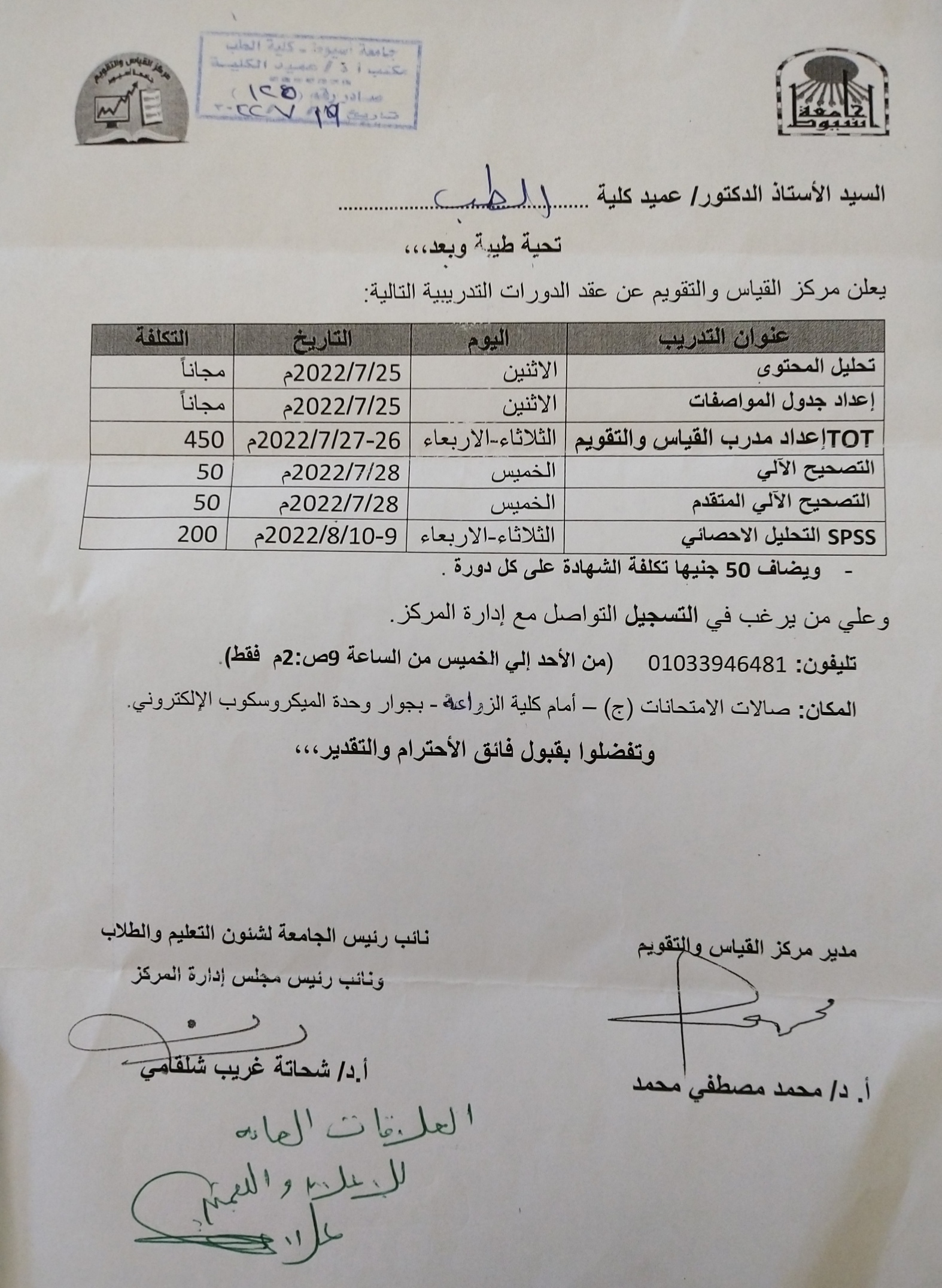
Announcement of the courses of the Measurement and Evaluation Center
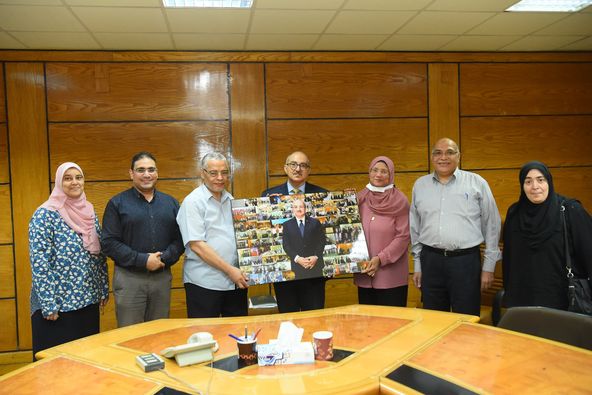
The Department of Pharmacology - Faculty of Medicine presents a souvenir to the President of the University - in honor and appreciation of his Excellency for his efforts and work in the service of the University
ا. د/علاء عطية عميد كلية الطب ورئيس مجلس إدارة المستشفيات الجامعية
ا. د/ سعد زكي محمود وكيل الكلية لشئون خدمة المجتمع وتنمية البيئة
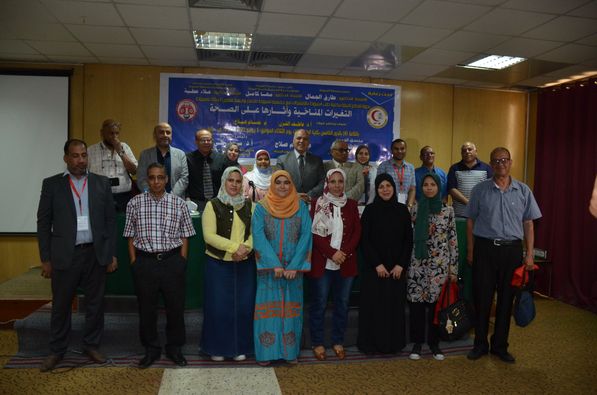
تم افتتاح الندوة
التغيرات المناخية وآثارها علي الصحة
اليوم الثلاثاء ٥ يوليه ٢٠٢٢
وحاضر فيها ا. د/عاطف فاروق القرن استاذ امراض الصدر والحساسية ورئيس جمعية اسيوط للصدر والمهندس/حسام صلاح رئيس جهاز شئون البيئة بأسيوط
وضمت الندوة اطباء من اقسام الكلية والمستشفيات المختلفة وزملاء التمريض والسادة العاملين بكلية الطب.
ورحب ا. د/ سعد زكي بالسادة المحاضرين وشكرهم علي مجهودهم ورحب بالحاضرين وذكر ان موضوع الندوة هو موضوع الساعة حيث يتزامن مع استعداد الدولة لاستضافة قمة المناخ السابعة والعشرين في نوفمبر ٢٠٢٢ بشرم الشيخ.
وان تأثير التغيرات المناخية في مجال تخصصه وهو الجهاز الهضمى واضح حيث يؤثر البرد الشديد علي مريض الكبد ويؤدي للنزف اكثر من الصيف؛ وضربات الشمس الشديدة في الصيف التي قد تؤدي إلى الوفاة.
وشكر المهندس/ حسام صلاح جامعة اسيوط علي اهتمامها بقضايا البيئة الساخنة والقاء الضوء علي كل ماهو جديد ويخض البيئة.
وتناولت محاضرته
عن ظاهرة الاحتباس الحراري والاحترار العالمي اسباب التغيرات المناخية وغازات الاحتباس الحراري
والسياسات و الاستراتيجيات الواجب اتباعها.
وتناولت محاضرة ا. د/ عاطف القرن
التغيرات المناخية التي قد توثر ع الصحة مثل موجات الحر والبرد الشديد والفيضانات والسيول والجفاف وتلوث الهواء ونقص او تلوث الماء وحرائق الغابات وتوسع موسم حبوب اللقاح وتأكل طبقة الاوزون وتغيرات النظام الايكولوحي البيئي.
تأثير التغيرات المناخية علي الصحة مثل نقص الامن الغذائي وامراض سوء التغذية والاصابات والحروق وامراض القلب والحساسية وغيرة والامراض تنتقل عن طريق الماء او النواقل مثل البعوض..... الخ
وما هو الدور الذي علينا القيام به القيام به (القطاع الطبي عامة والأطباء خاصة)
 Do you have any questions?


 عن ظاهرة الاحتباس الحراري والاحترار العالمي