كلية الطب بجامعة أسيوط تنظم يوما علميا حول كيفية اختيار التخصص لأطباء الدفعة (٥٩)
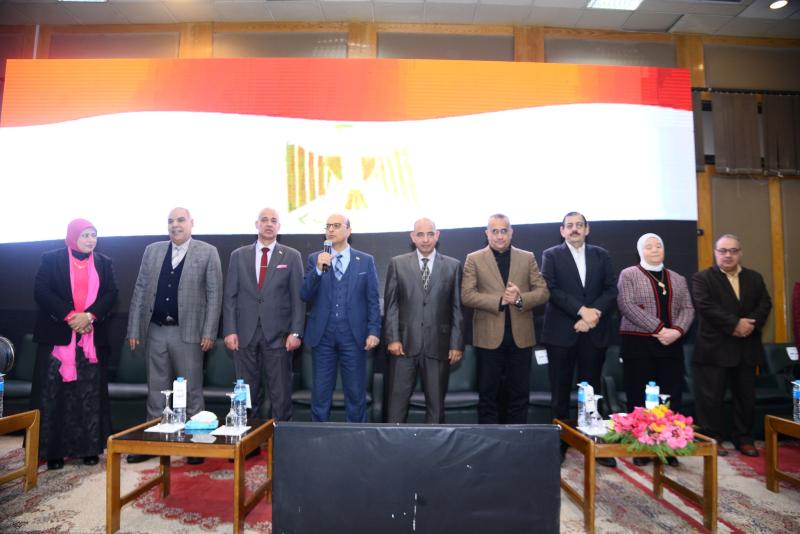
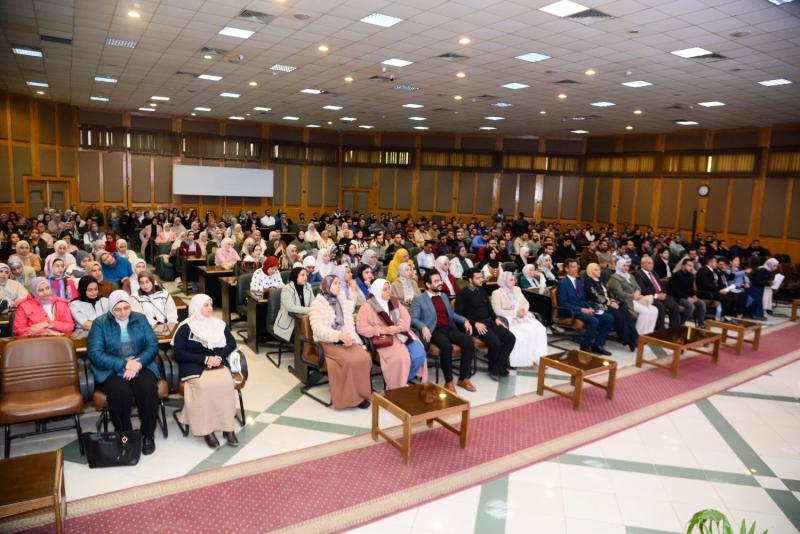
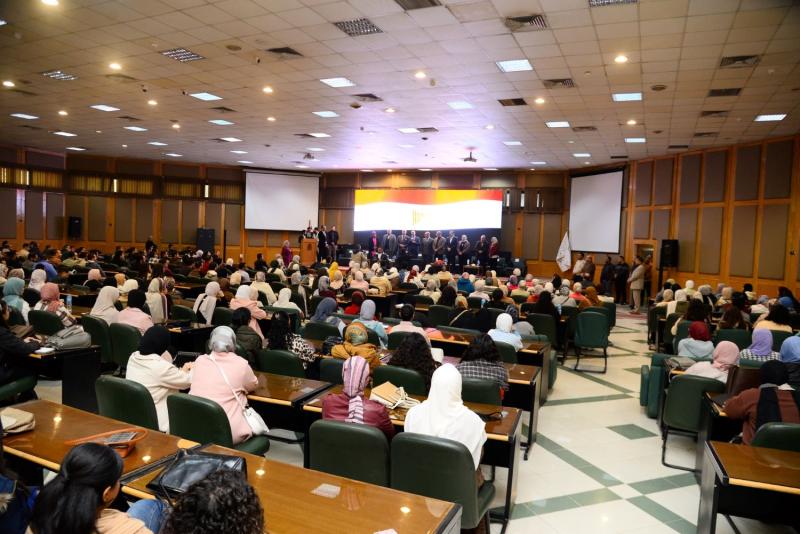
نظمت كلية الطب بجامعة أسيوط، يوما علميا حول كيفية اختيار التخصص لأطباء الدفعة (٥٩)، لدعم أطباء الدفعة، الذين اجتازوا امتحان مزاولة المهنة في تحديد تخصصاتهم، جاء هذا تحت رعاية الأستاذ الدكتور أحمد المنشاوي، رئيس الجامعة، والأستاذ الدكتور علاء عطية، عميد كلية الطب ورئيس مجلس إدارة المستشفيات الجامعية، والأستاذ الدكتور محمد عبد الرحمن، وكيل كلية الطب لشئون التعليم والطلاب، والأستاذة الدكتورة سهير قاسم، مدير البرنامج الإلزامي لأطباء التدريب.
شهد اليوم حضور الأستاذ الدكتور أحمد عبد المولى، نائب رئيس الجامعة لشئون التعليم والطلاب، والأستاذ الدكتور محمد عدوي نائب رئيس الجامعة لشئون خدمة المجتمع وتنمية البيئة، والأستاذ الدكتور محمد عبد الباسط خلاف، وكيل كلية الطب لشئون الدراسات العليا والبحوث، والأستاذة الدكتورة هدى مخلوف، وكيل كلية الطب لشئون خدمة المجتمع وتنمية البيئة، والأستاذة الدكتورة أماني عمر المشرف الأكاديمي على طلاب كلية الطب بالجامعة الأهلية، والأستاذ الدكتور خالد عبد العزيز، مدير المستشفى الجامعي الرئيسي.
في البداية، تقدم الأستاذ الدكتور أحمد المنشاوي، (رئيس الجامعة)، بالتهنئة إلى طلاب الدفعة (٥٩)، لاجتيازهم امتحان مزاولة المهنة، مؤكدا أن مرحلة اختيار التخصص مرحلة هامة في مسيرة أي طبيب، مشيرا إلى أهمية التعرف على كل قسم ومتطلباته لاختيار التخصص المناسب الملائم لإمكانيات كل طالب، موجها لهم النصيحة بتحقيق التوازن بين الحياة المهنية والحياة الشخصية.
وأشاد الأستاذ الدكتور أحمد عبد المولى، (نائب رئيس الجامعة لشئون التعليم والطلاب)، بتنظيم هذا اليوم العلمي، الذي جاء كاستجابه للتحديات التي تواجه شباب الأطباء في اختيار تخصصاتهم المستقبلية، مشيرا إلى أن كلية الطب بمستشفياتها الجامعية مصدر فخر لجامعة أسيوط.
وأوضح الأستاذ الدكتور علاء عطية، (عميد كلية الطب ورئيس مجلس إدارة المستشفيات الجامعية)، أن مرحلة اختيار التخصص الطبي واحدة من أهم المحطات في حياة الطبيب، فهي لا تحدد فقط المسار المهني، بل ترسم ملامح الحياة لسنوات طويلة، مشيرا إلى أن هذا اليوم عمل على تقديم رؤية شاملة لكل تخصص، من خلال مشاركة نخبة من كبار الأساتذة بكلية الطب، ناصحا إياهم بأهمية تحقيق التوازن بين ساعات العمل، والتدريب، وفرص التعلم المستمر.
وتوجهت الأستاذة الدكتورة سهير قاسم، (مدير البرنامج الإلزامي لأطباء التدريب)، بالشكر لإدارة الجامعة والكلية لدعمهم المستمر لأطباء التدريب، وأضافت أنه تم تنظيم (١١٠) كورس تدريبي للأطباء، مشيرة إلى أن اليوم العلمي شهد عده محاضرات متنوعة تغطي الجوانب المهنية، والإدارية، والنفسية للطبيب، حيث تم تسليط الضوء على مميزات وعيوب كل قسم، وطبيعة وحداته، وعدد ساعات العمل الفعلية، كما سيتم مناقشة فرص التعليم المستمر، وآفاق العمل الخاص (البريفيت)، وفرص السفر للخارج.
كما شهد اليوم محاضرة لشرح مفصل لنظام تكليف وزارة الصحة الجديد للأطباء المقيمين، وتوضيح نظام الزمالة المصرية، والنيابة والتكليف من الناحية الإدارية، لتجنب الأخطاء الشائعة أثناء تسجيل الرغبات بالجامعة، كما كان هناك محاضرات تفاعلية لتحليل السمات الشخصية لمساعدة الطبيب في معرفة التخصص الأكثر ملائمة لنمط حياته وطباعه.
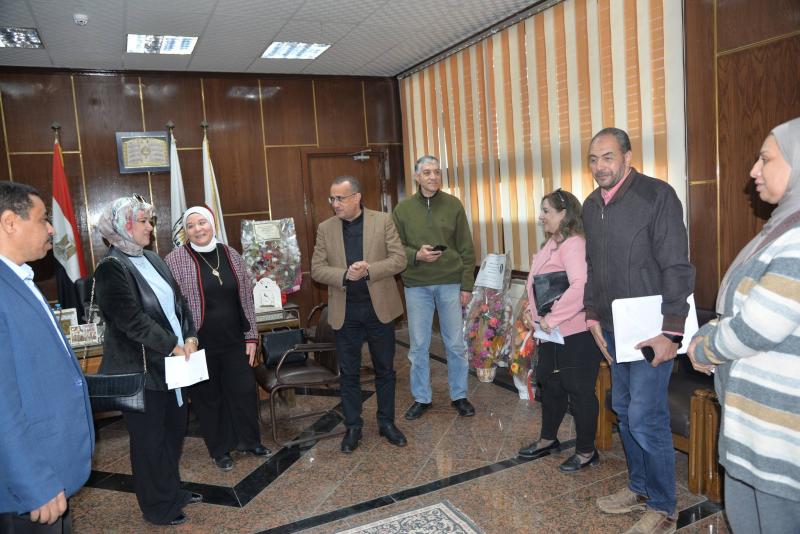
خلال افتتاح اليوم تم تقديم هدايا تذكارية لقيادات الجامعة وكلية الطب.
 Do you have any questions?