Development of Physiologically Based Pharmacokinetic Model of Risperidone and Extrapolation to Different Ethnic Groups and Special Population

Research Abstract

Purpose: Physiologically based pharmacokinetic (PBPK) analyses have been frequently used in the clinical pharmacology section of regulatory applications. However, whether models developed and validated in healthy populations can be extrapolated to untested populations is not well known. This study aimed to determine whether a drug-specific PBPK model validated in a healthy population could be used to predict drug disposition in populations with different ethnicities, ages, genetic phenotypes, and pregnant population considering an example for risperidone and its active metabolite, paliperidone. Methods: PBPK modeling and simulation were performed using Simcyp Population-based ADME Simulator version 20. The risperidone and paliperidone compound models were developed based on physicochemical and pharmacokinetic parameters reported in the literature. The model was validated using observed values from 25 clinical studies including 15 in the adult population (8 Caucasian, 5 Chinese, and 2 Japanese), 8 in the pediatric population (5 Caucasian, 2 Chinese, and 1 Japanese), and 2 in the pregnant population. Visual predictive checks (VPC) for predicted and observed plasma concentrations, goodness-of-fit plots, prediction fold error, mean error (ME), and root-mean-square error (RMSE) were used for the graphical and statistical analyses. Results: Almost all (98.9%) of observed serum risperidone and paliperidone concentrations werewithin the 90% prediction intervals of each concentration by the PBPK simulation. All predicted values of serum risperidone concentration and AUC values in adult, pediatric, and pregnant populations met the 2fold acceptance criterion. A 91.8% of predicted values of paliperidone concentration and 97.4% of AUC values fall within the 2-fold criterion in all populations. The mean error (ME) and root-mean-square error (RMSE) for all predicted Cmax for risperidone were 0.61±0.4%, and 2.85%, respectively. Regarding paliperidone, the values were -0.038±0.45% and 3.16%, respectively. Conclusion: This study successfully shows an experimental application of PBPK modeling for the adaptation of ethnic variety and pediatric population.
Research Authors
Walaa Mahdy,1 Kazuhiro Yamamoto,2 Tomohiro Omura,3 Ikuko Yano
Research Member

Development of a physiologically based pharmacokinetic model of fentanyl for preventing central toxicity in neonate patients on respiratory support

Research Abstract

Background: Fentanyl is widely used for sedation in preterm neonates requiring artificial ventilation. Neonates are especially vulnerable to side effects such as respiratory depression with oversedation which has a direct concentration-effect relation. The dosage regimen is usually derived from adults employing an extrapolation based on body weight which cannot accurately determine organ maturation in neonates. There is a necessity for model-based precision dosing of fentanyl that includes maturation. This study aimed to develop a pragmatic physiologically based pharmacokinetic (PBPK) model of fentanyl and to evaluate its prediction accuracy in neonates. Methods: PBPK modeling and simulation were performed using SimCYP Population-based ADME Simulator version 20. The fentanyl compound model was developed based on physicochemical and pharmacokinetic parameters reported in the literature. The model was validated using observed values from 25 clinical studies on adults and 4 on pediatrics. Serum samples of 14 neonates were collected as routine care. Serum fentanyl concentration was measured by liquid chromatography-mass spectrometry. Results: 100% of the predicted values of serum fentanyl concentration in adult and pediatric patients met the 2-fold acceptance criterion. Mean error (ME) and root-mean-square error (RMSE) for all predicted values were 0.28±0.15%, and 1.16%, respectively. In our neonatal patients, 95.5% of the predicted values were within the 2-fold acceptance criterion with ME and RMSE of 0.05±0.075%, and 0.34%, respectively. Median predicted fentanyl AUC value in patients with severe oxygen desaturation (sODS) (percutaneous oxygen saturation <80%) was higher than non- or moderate- ODS (nmODS) patients (ODS: 213 ng/mL·h, nmODS:25.2 ng/mL·h, P=0.043), while no significant difference was observed in fentanyl clearance depending on ODS (sODS: 1.33 L/h, nmODS: 1.39 L/h, P=0.35). Conclusion: This study shows that PBPK modeling can provide a precise prediction of serum fentanyl concentration in neonates. This model may be a useful tool for dose optimization and individualization strategies to avoid oversedation.

Research Authors
Walaa Yousef Bassyouni Mahdy1, Dr. Kazuhiro Yamamoto1, Risa Joji1, Mari Hashimoto1, Dr. Ruka Nakasone2, Dr. Kazumichi Fujioka2, Dr. Tomohiro Omura1, Prof. Ikuko Yano1
Research Member

Physiologically‐based pharmacokinetic model to investigate the effect of pregnancy on risperidone and paliperidone pharmacokinetics: Application to a pregnant woman and her neonate

Research Abstract

This study aimed to determine the effects of pregnancy and ontogeny on risperidone and paliperidone pharmacokinetics by assessing their serum concentrations in two subjects and constructing a customized physiologically‐based pharmacokinetic (PBPK) model. Risperidone and paliperidone serum concentrations were determined in a pregnant woman and her newborn. PBPK models for risperidone and paliperidone in adults, pediatric, and pregnant populations were developed and verified using the Simcyp simulator. These models were then applied to our two subjects, generating their “virtual twins.” Effects of pregnancy on both drugs were examined using models with fixed pharmacokinetic parameters. In the neonatal PBPK simulation, 10 different models for estimating the renal function of neonates were evaluated. Risperidone was not detected in the serum of both pregnant woman and her newborn …

Research Authors
Walaa YB Mahdy, Kazuhiro Yamamoto, Takahiro Ito, Naoko Fujiwara, Kazumichi Fujioka, Tadasu Horai, Ikuo Otsuka, Hitomi Imafuku, Tomohiro Omura, Kazumoto Iijima, Ikuko Yano
Research Date
Research Journal
Clinical and Translational Science
Research Member
Research Pages
618-630
Research Year
2023

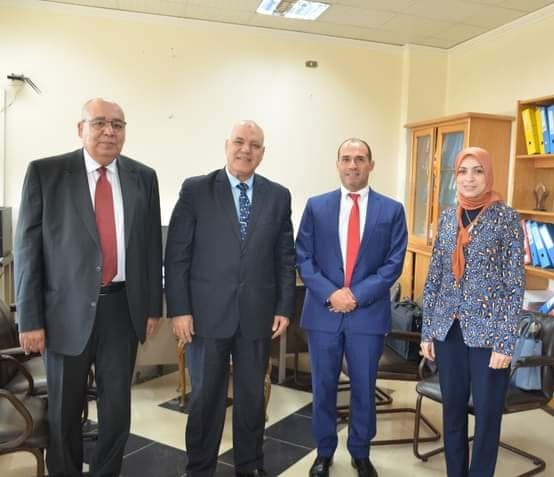
The visit of Mr. Dr. Bassam Mohamed Jamil Addas, Associate Professor, Consultant Neurosurgeon. Canadian fellowship in neurosurgery, arm nerve plexus, peripheral nerve and pediatric neurosurgery, King Abdulaziz University, Jeddah, Saudi Arabia

الأستاذ الدكتور/ اسامه فاروق - المدير التنفيذى لمشروع مستشفى الاصابات والطوارئ استقبل الدكتور بسام محمد جميل عداس  استاذ مشارك استشاري جراحة المخ والأعصاب . الزمالة الكندية فى جراحه الأعصاب والضفيرة العصبية الذراعية والعصبية الطرفية وجراحة أعصاب الأطفال جامعة الملك عبد العزيز بجدة بالمملكة العربية السعودية وبرفقته ا.د / محمد  مصطفى قطب أستاذ جراحه العظام يوم الثلاثاء الموافق ١٥ اغسطس  ٢٠٢٣ بزيارة مستشفيات جامعة أسيوط.

حيث قاموا بزيارة وحدة الجراحات الميكروسكوبية بمستشفى اسيوط الجامعي للتعرف على طبيعة العمل بالوحدة ومشاهدة العديد من الجراحات المتقدمة والمتخصصة فى الضفيرة العصبية الذراعيه الناتجة عن الشد أثناء الولادة ونتيجة الاصابات وخاصة حوادث السيارات والموتوسيكلات.

وقد حضر العديد من الجراحات لاستعواض الوظائف في الحالات المتأخرة لاصابات الضفيرة العصبية والأعصاب الطرفية بالطرفين العلويين والسفلين.

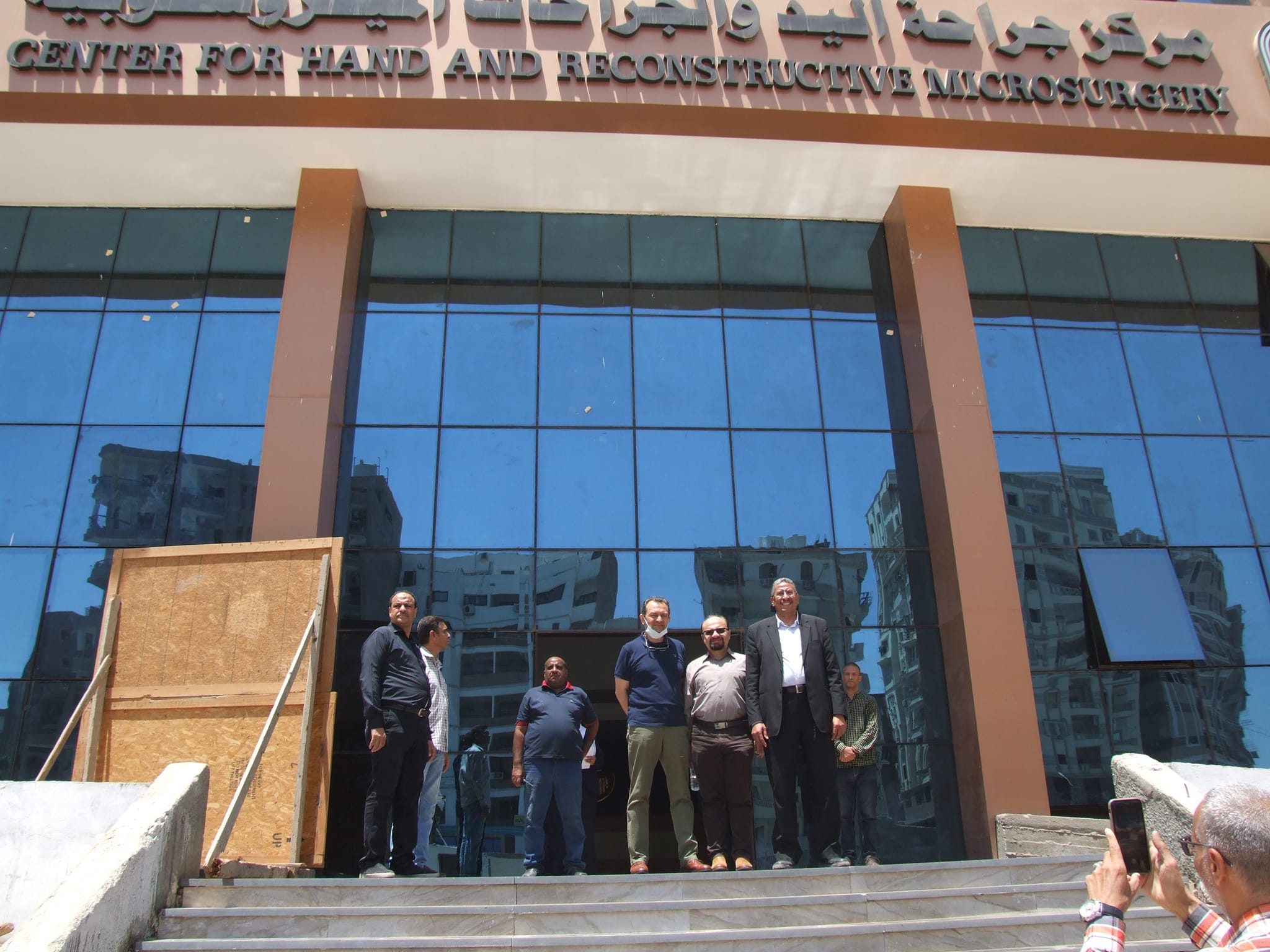
كما قام بجولة تفقدية ميدانية لمستشفى الاصابات والطوارئ الجديد و المبني الملحق به الخاص بالجراحات اليد والجراحات الميكروسكوبية التكميلية  وصاحبه ا.د / ياسر امام نائب مدير مستشفى الاصابات والطوارئ للشئون الإدارية وا.د /محمد عبد الحميد مرسى نائب مدير مستشفى الاصابات والطوارئ للشئون الطبية

و ابدي شديد اعجابه من تصميم المكان و التجهيزات التي تماثل ارقي واحدث المستشفيات بمواصفات قياسية و قد ثمن الجهود المبذوله من اطقم العاملين بالمستشفى (الاطباء و الإداريين و التمريض والأمن و العمال) و اخلاصهم و تفانيهم لتوفير خدمه متكاملة لمرضي الاصابات بصعيد مصر

و تضمنت الزيارة قاعات التعليم الطبي وأدوار الاقامه للمرضي وحجرات العمليات الجراحية و كذلك العيادات الخارجية و أبدي اعجابه بنظام التشغيل و تنظيم دخول و خروج المرضي مما يضمن تقديم افضل خدمه في سهوله و يسر للمترددين و تسهيل حصولهم علي خدمه طبيه متميزه تفقد كذلك أماكن الخدمات المركزية مثل التعقيم المركزي و المغسله ومفرمة النفايات ثم قام بزياره المبني الملحق الخاص بالتدريب و التأهيل وجراحات اليد و الجراحات الميكروسكوبية (تحت التشطيب) و أبدي شديد اعجابه بمركز التدريب على المهارات الجراحية و كذلك حجرات العمليات و العنايه المركزة


The scientific day of the Department of Oncology and Nuclear Medicine in cooperation with the Department of Tropical Regions and the Digestive System is entitled "News in the Diagnosis and Treatment of Liver Tumors"

إنطلاق اليوم العلمي الذي نظمه قسم علاج الأورام والطب النووي بالتعاون مع قسم المناطق الحارة، والجهاز الهضمي بعنوان "الجديد في تشخيص وعلاج أورام الكبد"

تحت رعاية

ا.د / احمد المنشاوي - رئيس الجامعة

ا.د / علاء عطية - عميد الكلية ورئيس مجلس ادارة المستشفيات الجامعية

ا.د/ اماني عمر-وكيل الكليه لشئون الدراسات العليا والبحوث

ا.د / ايهاب فوزي - المدير التنفيذي للمستشفيات الجامعية

شهد اليوم العلمي نخبة من الأساتذة والخبراء والمتخصصين في مجال أورام الكبد، وحضور الدكتور شريف كامل مدير مستشفى الراجحي الجامعي للكبد، والدكتور سمير شحاتة رئيس قسم علاج الأورام والطب النووي، والدكتورة ماجدة حسن رئيس قسم طب المناطق الحارة والجهاز الهضمي كما يستضيف اليوم الدكتور أحمد عمر كاسب أستاذ أورام الجهاز الهضمي والكبد بجامعة تكساس بالولايات المتحدة.

وتناول اليوم عدة محاضرات الأولى عن كيفية التعامل مع أورام الكبد للدكتور محمد عمر، والثانية حول كيفية اختيار العلاج الجراحي أو الموضعي في المراحل الأولية لأورام الكبد للدكتورة أسماء عبد التواب، والأخيرة عن الوضع الحالي ونظرة مستقبلية عن أورام الكبد في المراحل المتقدمة والمتأخرة والطرق الحديثة لعلاج اورام الكبد التي تستهدف الخلايا المصابة بالورم فقط وتجنب المريض مضاعفات العلاج الكيميائي للدكتور أحمد عمر كاسب.

وعقب المحاضرات النظرية توجه الدكتور احمد عمر كاسب، برفقة فريق طبي من قسم علاج الأورام والطب والنووى، وطب المناطق الحارة والجهاز الهضمي وقسم الاشعة التشخيصية والتداخلية ؛  إلى مقر مستشفى الراجحي الجامعي  للكبد ؛ حيث تم مناظرة ما يقرب من ١٥ حالة أورام كبد، والتى بدأ بعض منها في تلقي العلاج الموجه، أو المناعي؛ وذلك ضمن مبادرة رئيس الجمهورية للاكتشاف المبكر وعلاج مرضى سرطان الكبد، والتي طرحتها الدولة في مراكز علاج الأورام المختلفة، ومنها: المراكز التابعة للمستشفيات الجامعية، ومستشفيات وزارة الصحة بجميع محافظات الجمهورية.

وقد استقبل الاستاذ الدكتور سعد زكى وكيل الكلية لشئون خدمة المجتمع وتنمية البيئة بمكتبه الاستاذ الدكتور احمد عمر كاسب قبل انعقاد الندوة وقدم له شكر وامتنان الكلية وقام باهدائه درع الكلية نيابة عن السيد الاستاذ الدكتور عميد الكلية.

كما قام الأستاذ الدكتور سمير شحاته باهداءه درع القسم وذلك تقديرا لدعمه المستمر للقسم من خلال زياراته المستمرة للجامعة.

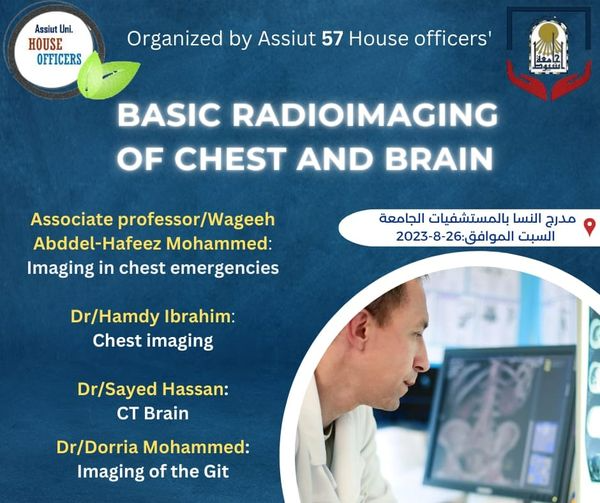
The Sixth Scientific Day for Doctors of Excellence - sponsored by the Diagnostic Radiology Department

دعوة اليوم العلمي السادس لاطباء الامتياز برعاية قسم الأشعة التشخيصية  يوم السبت ٢٦ اغسطس ٢٠٢٣  بعنوان

 "Basic  radio-imaging of chest and brain"

 تحت رعاية

ا.د/ أحمد المنشاوي- رئيس الجامعة

ا.د/ علاء عطيه- عميد كلية الطب ورئيس مجلس إدارة المستشفيات

ا.د/ محمد عبدالرحمن -وكيل الكلية لشئون التعليم والطلاب

ا.د/ إيهاب فوزي- المدير التنفيذي للمستشفيات الجامعية.

و اشراف:

ا.د/ مصطفى الشرقاوي -رئيس قسم الأشعة التشخيصية

ا.د/ عماد ظريف-  مدير البرنامج الإلزامي لأطباء التدريب

 وذلك من الساعة ٩ صباحا للساعة ٢ ظهرا في مدرج ١ النسا بالمستشفى الجامعي الرئيسي.

بمشاركة نخبة من اساتذة الاشعة التشخيصية والتداخلية ويتناول اليوم مواضيع عن:

? اساسيات اشعة الصدر و المخ

?الاهتمام المركز على الانسان بالطب

? حالات الطوارئ باشعة الصدر

?اشعات الصدر الشائعة

?اشعة مقطعية على المخ

? اشعات الجهاز الهضمي.

Parathormone – 25(OH) -Vitamin D axis and Bone Status in Children and Adolescents with Type 1 Diabetes Mellitus.

Research Abstract

Background: Skeletal involvement in patients with type 1 diabetes mellitus (T1DM) has complex pathogenesis and despite numerous researches on this problem, many questions remain unanswered.

Objective: This study aimed to assess bone status by measurement parathormone (PTH), 25-hydroxy vitamin D [25(OH)D] serum levels in children and adolescents with T1DM and its relation to insulin-like growth factor-1 (IGF-1), disease duration, puberty stage, and metabolic control.

Patients and methods: This study included 36 children and adolescents with T1DM and 15 apparently healthy controls. Serum levels of 25(OH)D, PTH, IGF-1 measured using enzyme-linked immunosorbent assay (ELISA), while glycosylated hemoglobin (HbA1c), calcium (Ca), inorganic phosphorus (PO4) using autoanalyzer. Bone quality assessed using dual energy X-ray absorptiometry (DEXA).

Results: Diabetic patients showed significant increase in PO4 and PTH levels, while significant decrease in Ca, IGF-1, and 25(OH)D serum levels. As much as 52.8% of patients showed reduced 25(OH)D, and 30.65% showed elevated PTH serum levels. In diabetic patients, abnormal bone status (osteopenia-osteoporosis) found mostly in total body (94.40%) then lumber-spine (88.90%), ribs (88.90%), pelvis (86.10%), thoracic-spine (80.60%), arms (80.60%) and legs (77.80%), while head bones showed no abnormalities. Long diabetic duration had negative; meanwhile PTH, onset age, and puberty age had positive impact on bone status.

Conclusions: Children and adolescent with T1DM have abnormal bone status mostly in axial skeleton which may be contributed to impairment of formation of 25(OH)D and IGF-1. Physical activity, calcium and vitamin D supplement seem important in T1DM. Elevated serum PTH level in diabetic patients is not uncommon and its positive correlation with bone status needs further investigations.

Research Authors
Enas A. Hamed, Nagla  H Abu Faddan, Hebh A Adb Elhafeez, Douaa Sayed.
Research Date
Research Department
Research Journal
Pediatric diabetes
Research Member
Research Pages
536-546
Research Vol
12
Research Website
doi: 10.1111/j.1399-5448.2010.00739.x
Research Year
2011

Circulating leptin and insulin in obese patients with and without type 2 diabetes mellitus: relation to ghrelin and oxidative stress.

Research Abstract

Aim

This case control study aimed to investigate relationship between appetite hormones (ghrelin and leptin) and body mass index (BMI), insulin and oxidative stress in simple obese and type 2 diabetes (T2DM) obese patients.

Methods

Thirty healthy controls; 30 simple obese and 30 T2DM obese patients were enrolled. Demographic and clinical data of all participants were reported. Serum levels of fasting blood glucose (FBG), postprandial blood glucose (PBG), lipid peroxide (LPO) and nitric oxide (NO) were measured by chemical methods while, insulin, leptin and ghrelin by ELISA kits.

Results

Serum levels of insulin, leptin, LPO were significantly higher while, ghrelin was significantly lower in simple obese and obese patients with diabetes versus controls. Insulin resistance was found in 76.67% simple obese and 93.33% obese patients with diabetes. Ghrelin showed a positive correlation with PBG in controls; but negative correlation with BMI in simple obese and with NO in obese patients with diabetes. Positive correlations were found between LPO and FBG, insulin, homeostasis model assessment of insulin resistance (HOMA-IR) and between leptin and FBG in obese patients with diabetes.

Conclusions

Our results suggested that hyperinsulinemia and hyperleptinemia may be most important mechanisms in decreasing ghrelin and inducing oxidative stress in simple obese and T2DM obese patients.

Research Authors
Enas A Hamed, Madeha M Zakary, Nagwa S Ahmed, Rania M Gamal.
Research Date
Research Department
Research Journal
Diabetic research and clinical practice
Research Member
Research Pages
434-441
Research Vol
94
Research Website
PMID: 21924513.
Research Year
2011
Subscribe to