ا.د
/علاء عبد المنعم- مدير عام المستشفى الجامعي الرئيسي
ومس /نبيله احمد- مدير عام شئون التمريض .
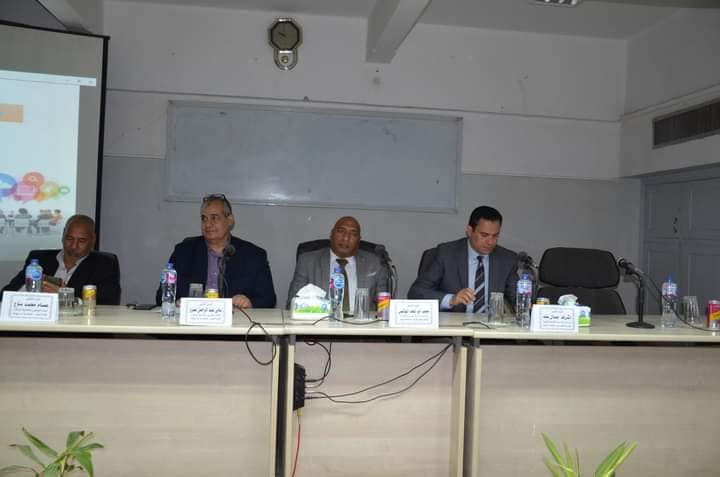
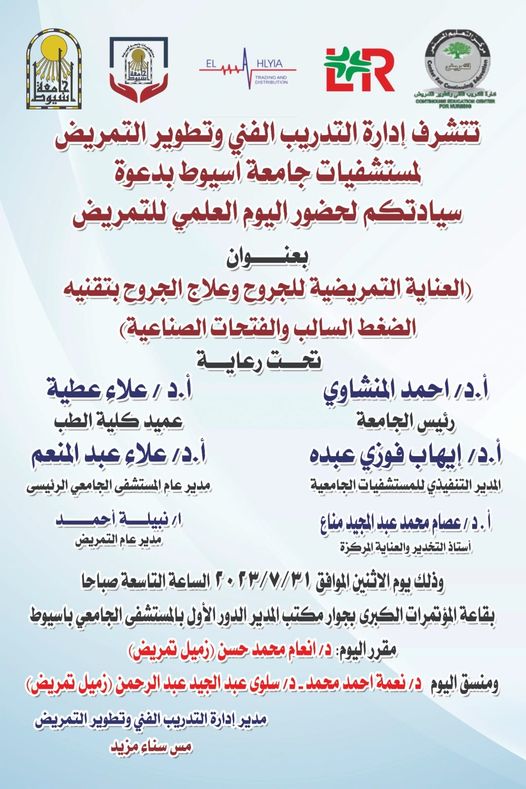
نظمت إدارة التدريب الفني والتمريض يوم علمي لهيئة التمريض بمستشفيات جامعه اسيوط اليوم الإثنين الموافق ٣١ يوليو ٢٠٢٣ ، بقاعة المؤتمرات بالمستشفى الجامعي الرئيسي.
والجلسات العلمية برئاسة اد/عصام محمد مناع استاد التخدير والعناية المركزة اد/ سامي عبد الرحمن عمرو- استاذ التخدير والعناية المركزة واد/ أشرف جمال طه- استاذ الأوعية الدموية والشرايين واد/ محمد ابو المجد الهاشمي- استاذ جراحه الاورام ووكيل معهد الاورام والذين اثروا الجلسة بالمعلومات الطبية القيمة في المجالات المختلفة والجديد في علاج الجروح والقدم السكري.
وقد اشتملت المحاضرات على العناية التمريضية للجروح والعناية التمريضية للفتحات الصناعية والعناية التمريضية لمريض القدم السكري.
وقد حاضر في اليوم العلمي كلا من الدكتورة / انعام محمد حسن والدكتورة/ نعمه احمد محمد والدكتورة/ سلوى عبد الجيد عبد الرحمن زميل تمريض باطني وجراحي بالمستشفى الجامعي
وقام بتنظيم اليوم العلمي مس ثناء مزيد مدير ادارة التدريب الفني وتطوير التمريض.
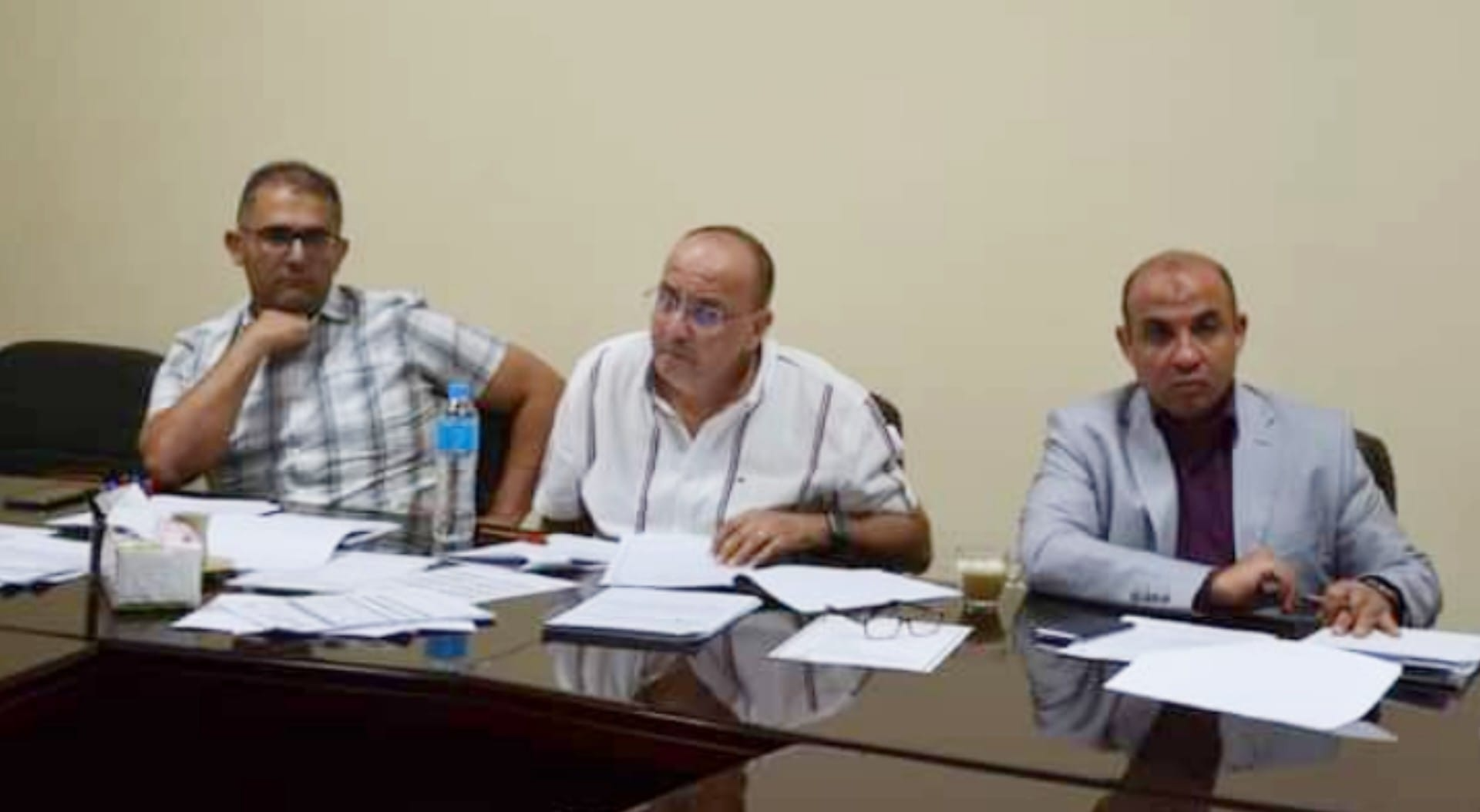
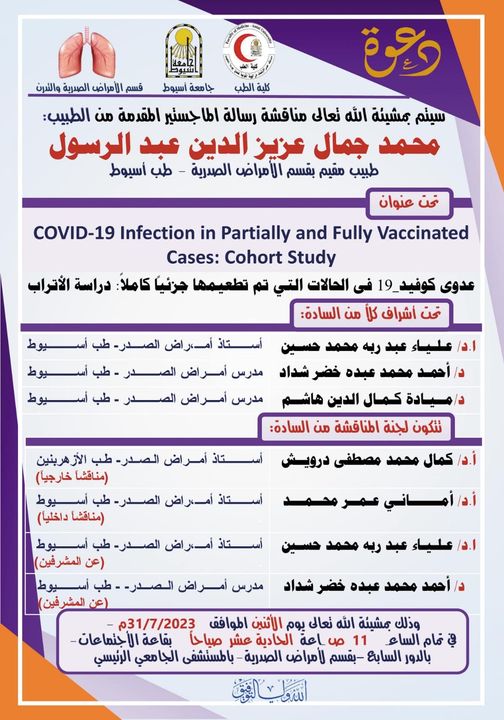
A meeting of the research arbitration committee to select the best submitted research.
ما زالت المنافسة مستمرة بين الباحثين للحصول على التمويل من وحدة تمويل الأبحاث بقيمة ٤٠ الف جنية عن طريق عرضها علي لجنة تحكيم الأبحاث لاختيار افضل الأبحاث المقدمة.
تحت رعاية:
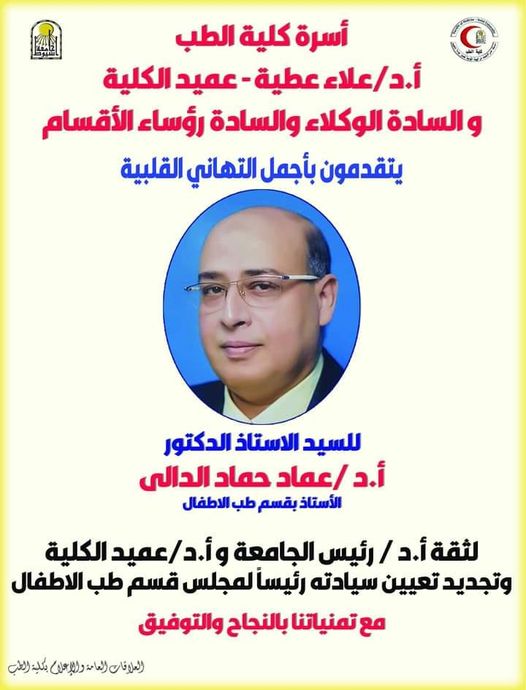
ا.د/احمد المنشاوي- رئيس الجامعة
ا.د/علاء عطية- عميد كلية الطب ورئيس مجلس إدارة المستشفيات الجامعية ورئيس مجلس إدارة وحدة تمويل الأبحاث .
ا.د/اماني عمر- وكيل الكليه لشئون الدراسات العليا والبحوث ونائب رئيس مجلس إدارة وحدة تمويل الأبحاث.
للمرة الثالثة تجتمع لجنة تحكيم الأبحاث المقدمة والتي تضم وحدة تمويل الأبحاث
ا.د/عمر ممدوح شعبان -مدير وحدة تمويل الأبحاث
ا.د/ احمد عباس -نائب مدير وحدة الأبحاث
ا.د/ محمود عبدالعليم -نائب رئيس الجامعة لشئون خدمة المجتمع وتنمية البيئة ورئيس وحدة اخلاقيات المهنه
كما يضم كل اجتماع مجموعة من السادة رؤساء الأقسام وأعضاء هيئة التدريس ومنهم :
ا.د/احمد ياسين نصار-استاذ الكيمياء الحيويه
ا.د/رجاء حمدي -استاذ الكيمياء الحيوية.
ا.د/ رنده حسين- رئيس قسم الطب الشرعي
ا.د/هبه عطيه يسي- استاذ الطب الشرعي.
وجدير بالذكر ان هذا العام يتم تحكيم ٣٠ بحث في وجود الباحث الرئيسي و المشرفين من أعضاء هيئة التدريس وطلاب كلية الطب المشاركين فى البحث ويتم التقييم وفقا لقواعد التقييم المعدة مسبقاً من وحدة تمويل الأبحاث.
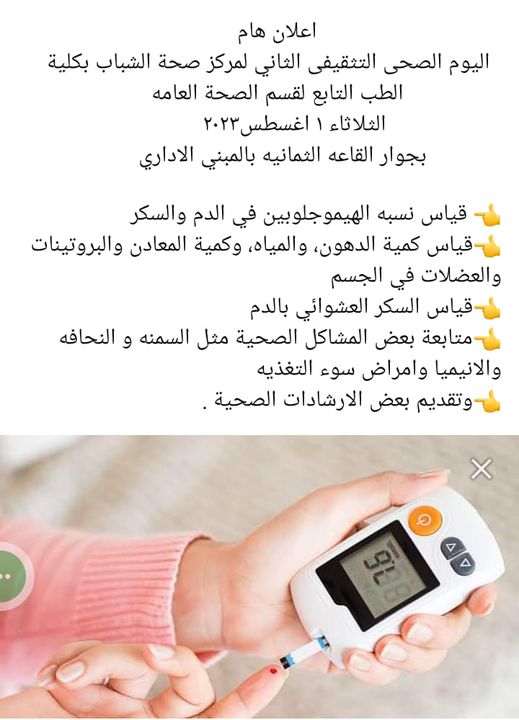
The second educational health day of the Youth Health Center, Faculty of Medicine, Department of Public Health
A group of brilliant and distinguished young researchers in the College of Medicine contribute to advancing the scientific and research movement in the field of anesthesia and intensive care
مجموعة من شباب الباحثين النابغين والمتميزين في كلية الطب يساهمون فى الارتقاء بالحركة العلمية والبحثية في مجال التخدير والعناية المركزة.
قام الباحثون بنشر بحث دولى جديد فى المجلة المصنفة الاولى عالميا فى مجال العناية المركزة
Intensive Care Medicine Journal ذات معامل التأثير [IMPACT FACTOR 39.8]
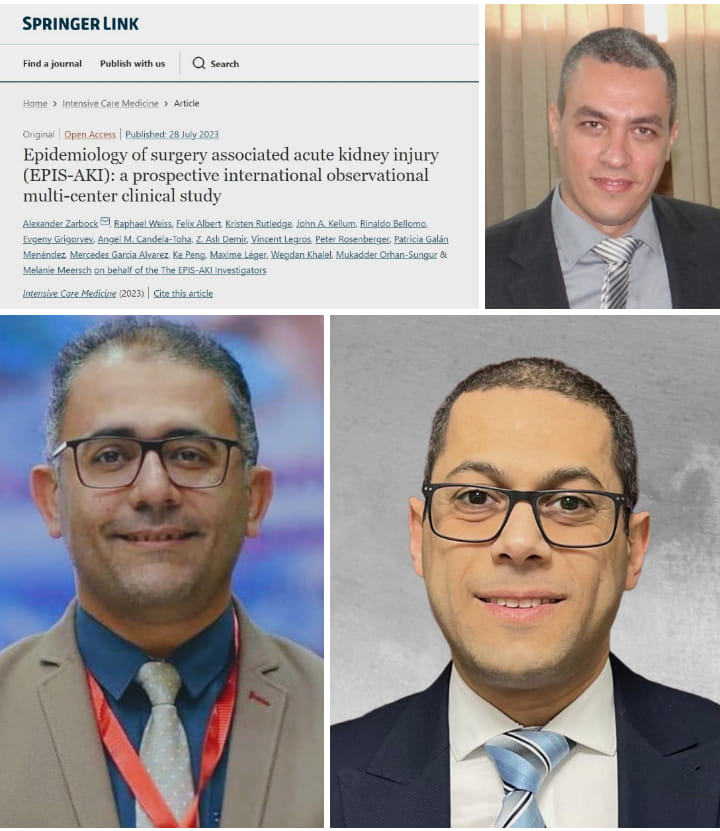
د. احمد عباس من قسم النساء و د مصطفى سامى و د هانى مصطفى من قسم التخدير تحت عنوان
Epidemiology of surgery associated acute kidney injury (EPIS-AKI): a prospective international observational multi-center clinical study
️اشتمل البحث على ١٠٥٦٨ مريض وأجري فى ٣٠ دولة منها مصر بمشاركة من ٥ جامعات وهى أسيوط و طنطا والزقازيق الاسكندرية و المنصورة .
️وهو أول و أكبر بحث عالمى من نوعه يهدف لدراسة معدلات حدوث اصابات الكلى الحادة عقب اجراء العمليات الجراحية الكبرى...وأظهرت النتائج أن نسبة الحدوث و صلت الى ١٨.٤% من المرضى منهم ٣٣.٨ % (ثلث الحالات) تحولت الى فشل كلوى مزمن وهو معدل كبير جدا يدل على خطورة المشكلة و تأثيرها على النظام الطبى و الموارد الطبية و الطاقم الطبى خصوصا فى الدول النامية مما يستلزم حتمية اتخاذ احراءات وقائية لمنعها و سرعة تشخيصها عند اجراء العمليات الجراحية الكبرى.
️وأظهرت الدراسة أن نصيب الأسد من الحالات (٤١.٢ %) حدث عقب جراحات القلب الكبرى يليها جراحات الجهاز الهضمى (٢٩.٨ %)
 Do you have any questions?