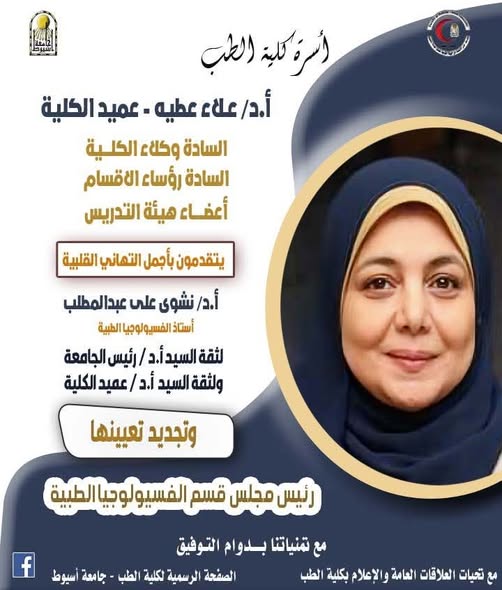
الأستاذ الدكتور علاء عطية عميد كلية الطب ورئيس مجلس إدارة مستشفيات جامعة أسيوط يستقبل الأستاذ الدكتور أسامة جلال صقر مدير مشروع تأهيل المعامل للاعتماد الدولي بوزارة التعليم العالي لمتابعة تأهيل المعامل بكلية الطب ومستشفياتها الجامعية للاعتماد
في إطار حرص كلية الطب ومستشفيات جامعة أسيوط على تطوير البنية التحتية والخدمات المعملية، تحت رعاية الأستاذ الدكتور أحمد المنشاوي، رئيس الجامعة، والأستاذ الدكتور علاء عطية، عميد كلية الطب ورئيس مجلس إدارة المستشفيات الجامعية.
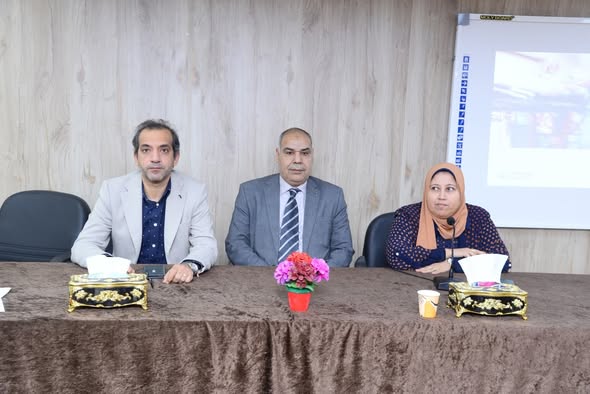
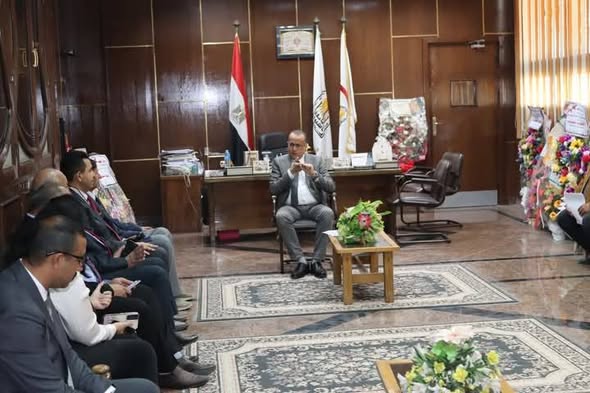
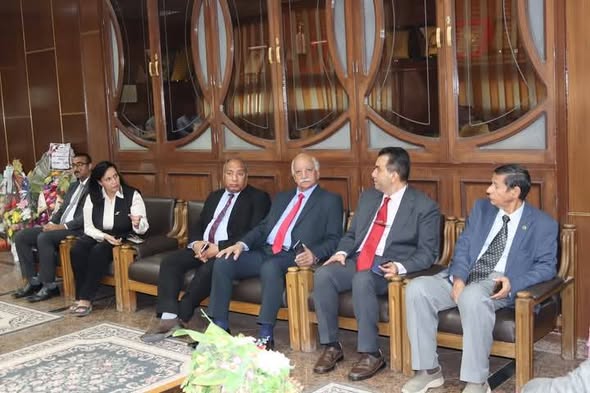
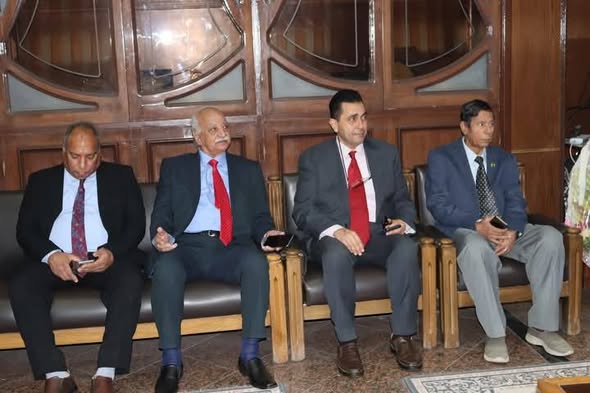
استقبل الأستاذ الدكتور علاء عطية، الأستاذ الدكتور أسامة جلال صقر، مدير مشروع تأهيل المعامل للاعتماد الدولي بوزارة التعليم العالي، وذلك في إطار متابعة سير العمل في مشروعات تطوير واعتماد المعامل بكلية الطب ومستشفياتها الجامعية.
وأوضح الأستاذ الدكتور علاء عطية أن هذه الزيارة تأتي في إطار حرص إدارة كلية والمستشفيات الجامعية على رفع جودة الأداء بمختلف معامل مستشفيات جامعة أسيوط بما يتوافق مع المعايير العالمية للاعتماد، مضيفا أن تطوير وتأهيل المعامل للحصول على الاعتماد الدولي يمثل أولوية قصوى، لأنه ينعكس مباشرة على جودة الخدمات الطبية المقدمة للمرضى، كما أشار إلى أن معامل الباثولوجيا الإكلينيكية نجحت في الحصول على اعتمادات دولية ومحلية مرموقة، منها اعتماد كلية علماء علم الأمراض الأمريكية (CAP)، الذي يعتبر أعلى شهادة اعتماد على مستوى العالم، بالإضافة إلى شهادة الهيئة العامة للاعتماد والرقابة الصحية (GAHAR)، وشهادة المجلس الوطني للاعتماد (EGAC)، كما نجحت معامل الباثولوجيا الجراحية في الحصول على شهادة الاعتماد الدولي من المجلس الوطني للاعتماد (EGAC).
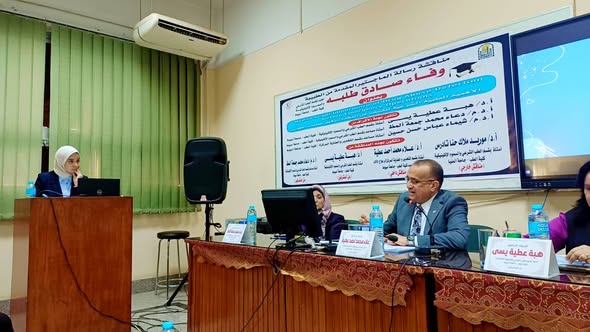
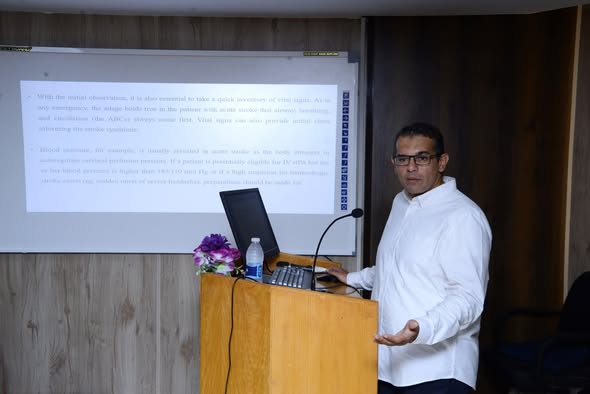
وخلال الزيارة قدمت الأستاذة الدكتورة هبة عطية، مدير وحدة ضمان الجودة، عرضا تفصيليا يوضح نسب الإنجاز وما تم تحقيقه في كل من معمل الباثولوجيا الإكلينيكية ومعمل الباثولوجي الجراحي، في ضوء متطلبات الاعتماد، أعقب ذلك جولة تفقدية للوفد لمعامل الباثولوجيا حيث كان في استقبالهم الأستاذة الدكتورة هبة أحمد عبد الحفيظ، رئيس قسم الباثولوجيا الإكلينيكية، والأستاذة الدكتورة أسماء عمر، مدير معمل، كما قاموا بزيارة معمل الباثولوجي الجراحي، وكان في استقبالهم الأستاذة الدكتورة داليا السرس، رئيس قسم الباثولوجي الجراحي، والأستاذة الدكتورة اعتماد ياسين، مدير المعمل.
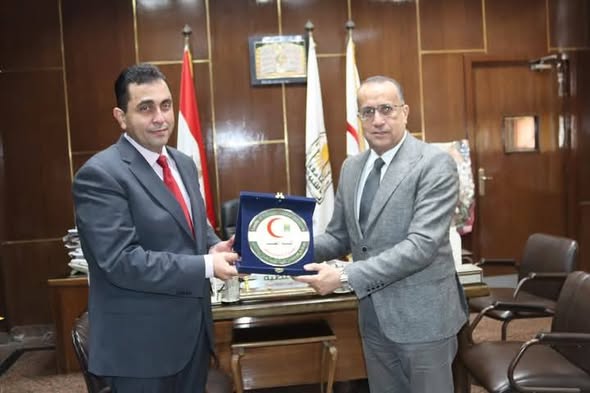
وفي ختام الزيارة، قام الأستاذ الدكتور علاء عطية بتكريم الأستاذ الدكتور أسامة جلال صقر، بإهدائه درع الكلية تقديراً لدور وحدة إدارة المشروعات في دعم حصول معامل مستشفيات جامعة أسيوط على الاعتماد.
جاءت الزيارة بحضور عدد من القيادات الأكاديمية والجامعية، ومنهم الأستاذ الدكتور محمد أبو المجد، عميد معهد جنوب مصر للأورام، والأستاذ الدكتور محمود عبد الناصر، مدير المشروعات بجامعة أسيوط، والأستاذ الدكتور إبراهيم إسماعيل، مدير مركز ضمان الجودة والتأهيل للاعتماد بالجامعة.
 Do you have any questions?