The Faculty of Computers and Information at Assiut University Congratulates Its Students Who Qualified for the ECPC 💻🏆
As part of its commitment to supporting outstanding students and encouraging their active participation in scientific and technological competitions and events, the Faculty of Computers and Information at Assiut University extends its sincere congratulations and appreciation to the students who qualified for the Egyptian Collegiate Programming Contest (ECPC). This recognition honors their exceptional performance, which reflects their academic and programming capabilities, as well as their spirit of teamwork and competitive drive. This participation takes place under the patronage of:
Prof. Dr. Tayseer Hassan Abdel-Hamid – Dean of the Faculty
Prof. Dr. Khaled Fathy Hussein – Vice Dean for Education and Student Affairs
And under the academic supervision of:
Dr. Maged Ahmed Askar
Dr. Amal Abdel-Azim Mohamed
✨ The Faculty congratulates the 7 qualifying teams:
🥇 Team FFT Gambit
👨💻 Karim Hatem Hashem Hassanein – 4th Year
👨💻 Abdelrahman Atef Salem Ahmed – 4th Year
👨💻 Youssef Miqdad Izzatli Othman – 4th Year
🥈 Team El Seg Tree Tarhet M3le4
👨💻 Mohamed Mahmoud Mohamed Mamdouh Mahmoud – 2nd Year
👨💻 Mahmoud Mohamed Mahmoud Youssef – 2nd Year
👨💻 Yassa Maher Anis Aziz – 2nd Year
🥉 Team Thinkronous
👨💻 Karim Hisham Fathallah Farraj – 3rd Year
👨💻 George Adel Kamal Kamel – 3rd Year
👨💻 Youssef Hatem Soliman Mohamed
💻 Team I Came I Saw I Aced
👨💻 Mostafa Sayed Ismail Othman – 4th Year
👨💻 Ahmed Esmat Mahmoud Ibrahim – 4th Year
👨💻 Mostafa Aboul-Qasim Mohamed Abdel-Nasser – 3rd Year
🚀 Team Malla Ghoul Msayyeb
👨💻 Ahmed Salah Ahmed Mohamed – 3rd Year
👨💻 Youssef Hussein Mahmoud Hassan – 4th Year
👨💻 Abdelrahman Ayman Mostafa Ibrahim – Postgraduate Studies
🌟 Team Accepted InshaAllah
👨💻 Amr Mohamed Sayed Abdellah – 3rd Year
👩💻 Salma Hany Ismail Khalifa – 3rd Year
👨💻 Al-Baraa Aboul-Fotouh Mostafa Gomaa – 4th Year
🔥 Team Olo_lel_judge_y3adyha
👩💻 Amani Mahmoud Mohamed Ali – 3rd Year
👨💻 Pavly Wagdy Nazmy Karras – 3rd Year
👩💻 Shahd Ashraf Kamel Mohamed – 3rd Year
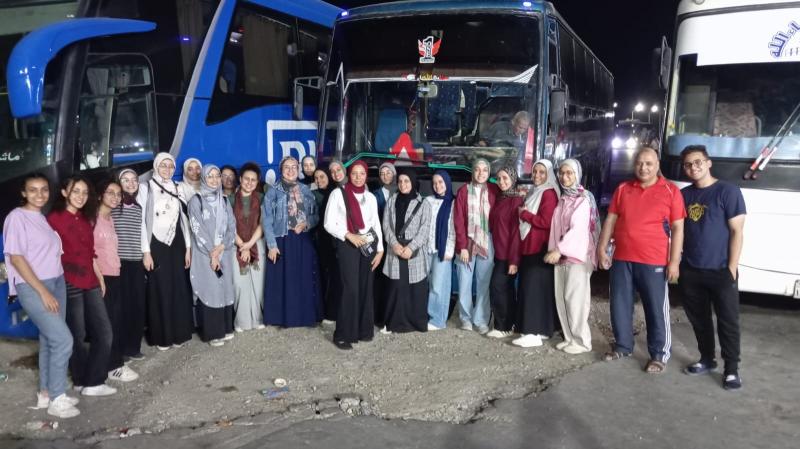
The participation of the Faculty’s teams in this distinguished scientific competition—led by Mr. Hossam El-Din Mostafa, Director of Student Affairs—reflects a continuous commitment to supporting talented students, developing their scientific and practical skills, and providing opportunities that enable them to compete and excel in both local and international arenas.
🎓💻 Heartfelt congratulations to our students; we are proud of your achievements and the exemplary image you project as students of the Faculty of Computers and Information at Assiut University.
We wish the Faculty’s teams continued success and look forward to seeing them achieve even greater milestones and top rankings. 🌟🏆
Faculty of Computers and Information – Assiut University
Towards a generation of programmers and innovators capable of competing and shaping the future.