
The Role of CD44 Cancer Stem Cell Marker in The Development and Progression of Lymph Node Metastasis in Oral Squamous Cell

Research Abstract
  • Introduction: Oral squamous cell carcinoma (OSCC) management is challenging due to high tendency of local invasion and metastasis. Cancer stem cells hold high significance as they have self-renewal ability, which further allows cancer progression and metastasis. Hence, it is crucial to evaluate different specialised markers for stem cells, such as CD44, to detect their role in tumour metastasis. Flow cytometry (FCM) offers a quick and automated assessment of ploidy status and cell proliferation of the neoplasm by resolving the nuclear DNA contents.
  • Aim of the study: The objective of this paper is to evaluate the CD44 expression and analyse DNA content by FCM to predict the expansion of lymph node metastasis in patients with OSCC.
  • Material and Methods: 50 paraffin-embedded tissues of metastatic and non-metastatic lymph node OSCC were immuno stained by CD44 for assessing cancer stem cell activity in each lesion. Furthermore, each selected tissue underwent flow cytometric analysis to demonstrate the DNA activity between the tested groups.
  • Results: The CD44 expression in OSCCs showed a marked difference between the metastatic and non-metastatic lymph node cases. Furthermore, flow cytometric analysis of the DNA parameters between the tested groups revealed a powerful difference of DNA ploidy. The S-phase fraction (SPF) between the groups showed no compelling result. All specimens had a higher CD44 expression, aneuploid DNA content and high SPF, which demonstrated deposits of cervical metastatic lymph nodes.
  • Conclusions: The CD44 and the flow cytometric analysis of the DNA ploidy correlation offer a significant prediction to determine the OSCC competence.
     
Research Authors
Ahmed M. Hussein, Asmaa M. Zahran, Mohamed Badawy, Hany G. Gobran, Mohamed F. Edrees and Enas M. Omar
Research Date
Research Department
Research Journal
International Journal of Dentistry and Oral Science
Research Pages
4917-4922
Research Publisher
International Journal of Dentistry and Oral Science (IJDOS)
Research Vol
8
Research Website
https://journals.indexcopernicus.com
Research Year
2021
DNA Flow Cytometry Analysis Relation to Early and Late Clinical Stages in Oral Cancer Patients

Research Abstract
  • Introduction: Oral cancer is one of the critical global social health troubles. Lymph nodes metastasis of oral carcinomas have a significant prognosis impact. Authentic TNM staging of the neoplasms is essential to bear an assign board for disease control and prognostication. The model of grading histologically from only tissue biopsy has limitations. Abnormal DNA content has been correlated with malignant diseases. Flow cytometry can be a rapid method for quantitative test of DNA in solid tumors. Prediction the metastatic deposit in relation to the DNA flow cytometry inquiry is the point of importance.
  • Aim of the study: This study was operated to matched between tumor DNA content to the clinical stages of oral squamous cell carcinoma patients; to better predict the tumor behavior and to guide treatment planning.
  • Material and Method: A total of 40 fresh/frozen biopsies in different TNM clinical stages of oral cancer were divided into 2 groups. Group I; twenty lesions classified in stage I and stage II. Group II; twenty tumors classified as stage III and stage IV. All specimens utilized to DNA flow cytometric scanning in order to achieve the DNA ploidy and S-phase fraction.
  • Results: The difference in aneuploidy state and S-phase fraction between Group I, and Group II was highly statistical significant in relation to their clinical stages on the basis of clinical information and biopsy results.
  • Conclusions: DNA flow cytometric analysis of oral carcinomas excisions reported a significant predication to a late metastatic clinical stages of oral cancer lesions.
     
Research Authors
Ahmed M. Hussein, Mohammed G. Khalil, Ahmed O. A. Abdelrahman , Asem M. Kamel, Omar H. Soliman, and Omneya R. Ramadan
Research Date
Research Department
Research Journal
Egyptian Journal of Oral and Maxillofacial Surgery
Research Pages
177-185
Research Publisher
Egyptian Association of Oral & Maxillofacial Surgeons
Research Vol
12
Research Website
https://omx.journals.ekb.eg
Research Year
2021

Dental Stem Cells (Concepts and Applications)

Research Abstract

Stem cells constitute the source of differentiated cells for the generation of tissues during development, as well as for regeneration of tissues that are diseased or injured postnatally. The stem cell research has grown exponentially to improve the life of patients with conditions that span from Alzheimer’s disease, cardiac ischemia to bone or tooth loss. In dentistry, stem cell biology and tissue engineering are of great interest since they may provide an innovative for generation of clinical material and/or tissue regeneration. Mesenchymal stem cells were demonstrated in dental tissues, including dental pulp, periodontal ligament, dental papilla, and dental follicle. These stem cells can be isolated and grown under defined tissue culture conditions and are potential cells for use in tissue engineering including dental tissue, nerves and bone regeneration under appropriate conditions. This review was performed to study the concepts of stem cells and the most recent application of dental stem cells.
 

Research Authors
Ahmed M. Hussein, Zeinab E. Darwish, Hanaa S. Raslan, Mahmoud A. Attia and Hend M. Abdel-Hamid
Research Date
Research Department
Research File
Research Journal
Alexandria Dental Journal
Research Pages
66-71
Research Publisher
Alexandria Dental Journal, Faculty of Dentistry, Alexandria University
Research Vol
46
Research Website
https://adjalexu.journals.ekb.eg/article_88450.html
Research Year
2021

Inflammation and Cancer Interconnection; Simply as We Think

Research Abstract

Microbiota variety is site specific depending on its location in the body and this diversity can get together with human health. At the last decades, inflammation is a primary protective response that sometimes goes away and becomes a main cofactor in the pathogenesis of numerous chronic human diseases, including malignant tumor. As well, microbes have the potency power to influence tumor growth and progression through a wide forms of routes; including alteration of tumor microenvironment, prolonged activation of inflammation, induction of genotoxic restraints and metabolism. In this review, we will set a general overview of inflammation has suspected to provide a major role in the pathogenesis and development of cancer as an important object for advanced cancer biology.
 

Research Authors
Ahmed M. Hussein, Zeinab E. Darwish and Omar H. Soliman
Research Date
Research Department
Research Journal
Applied Scientific Reports
Research Pages
1-7
Research Publisher
Herbert Publications Ltd.
Research Vol
7
Research Website
https://www.hoajonline.com
Research Year
2020

Analysis of DNA Ploidy and S-Phase Fraction in Relation To Development of Oral Squamous Cell Carcinoma: an Experimental Study

Research Abstract
  • Introduction: Cancer is a serious public health problem in many parts of the world; oral squamous cell carcinoma was the 11th most common malignant neoplasm in human papulation. The hamster cheek pouch carcinogenesis model is a well-known animal system that closely mimics the development of premalignant and malignant lesions in human oral cancer. The expressions of cancerization process in this model using DNA ploidy and S-phase fraction is the point of interest.
  • Aim of the study: This research was carried out to study the analysis of DNA ploidy and S-phase fraction in relation to development of oral squamous cell carcinoma during hamster cheek pouches carcinogenesis process induced by DMBA.
  • Material and methods: A total of 50 young gold Syrian hamsters distributed into groups as follows: 2 normal animals examined for the normal histology of the cheek pouch mucosa and 48 animals divided into; group I, as a control group (n= 12), in which pouches were painted with a heavy mineral oil only; group II, were painted with DMBA mixed in a heavy mineral oil (n=36). The examined animal tissue utilized for flow cytometry analysis to obtain DNA ploidy and S-phase fraction development during carcinogenesis process.
  • Results: The flow cytometric analysis of DNA content demonstrated a significant role in carcinogenesis process in oral squamous cell carcinoma. Moreover, they provided a significant analysis in the proliferation and activity of the cancer cells as measured by the S-phase fraction activity.
  • Conclusions: The combinatorial DNA content analysis involving general ploidy and S-phase fraction have potential for support in the early diagnosis; during the development of oral squamous cell carcinoma.


Research Authors
Ahmed M. Hussein, Sahar M. El-Sheikh, Mahmoud A. Attia, Omneya R. Ramadan, Enas M. Omar and Ahmed H. Gaber
Research Date
Research Department
Research Journal
Egyptian Dental Journal
Research Pages
513--521
Research Publisher
Egyptian Dental Association
Research Vol
65
Research Website
https://edj.journals.ekb.eg
Research Year
2019

Effect of Genistein and Oxaliplatin on Cancer Stem Cells in Oral Squamous Cell Carcinoma: an Experimental Study

Research Abstract
  • INTRODUCTION: Squamous cell carcinoma is one of the malignant diseases that affect the oral cavity worldwide. One of the theories regarding oral carcinogenesis is that tumor growth is dependent on cancer stem cells. Markers specific for these cells as CD44 have been investigated in hope of developing a deeper understanding for their role in carcinogenesis. Genistein, as chemopreventive agent, has been shown to suppress the growth of several tumors. Oxaliplatin is a chemotherapeutic compound that did show a range of antitumor activity.
  • OBJECTIVES: This research was carried out to study the effect of genistein, oxaliplatin either alone or in combination during experimentally DMBA induced hamster buccal pouch carcinogenesis using CD44 antibody as a marker.
  • MATERIALS AND METHODS: A total of 100 young Syrian hamsters distributed into groups as follows: 4 normal animals examined for the histology of the normal pouch mucosa and 96 animals divided into; group I, as a control group, in which pouches were painted with a heavy mineral oil only; group II were painted with DMBA mixed in a heavy mineral oil. These animals were randomly divided into 4 subgroups as following: group IIA only painted with DMBA; group IIB where genistein was orally administrated; group IIC were injected with oxaliplatin; and group IID in which both genistein and oxaliplatin were given.
  • RESULTS: Both genistein and oxaliplatin provided a significant reduction in carcinogenesis process of DMBA induced oral squamous cell carcinoma. Moreover, they provided a significant decrease in the proliferation and activity of cancer stem cells as measured by the CD44 antibody.
  • CONCLUSIONS: Genistein provides a chemoprevention role and the oxaliplatin produces a chemotherapeutic effect during the process of carcinogenesis. The combined action of both agents was better than the effect of each agent alone.
     
Research Authors
Ahmed M. Hussein, Sahar M. El-Sheikh, Zeinab E. Darwish, Khaled A.Hussein and Ashraf I. Gaafar
Research Date
Research Department
Research Journal
Alexandria Dental Journal
Research Pages
117-123
Research Publisher
Alexandria Dental Journal, Faculty of Dentistry, Alexandria University
Research Vol
43
Research Website
https://adjalexu.journals.ekb.eg
Research Year
2018

Flow Cytometry Analysis of DNA Ploidy and S-Phase Fraction in Salivary Gland Tumors of Egyptian Patients

Research Abstract
  • Aim: The aim of this study is to investigate the DNA ploidy and S-Phase Fraction (SPF) of some Salivary Gland Tumors (SGTs) in Egyptian patients and to investigate the correlation between these two biological parameters and the presumptive behavior of these neoplasms.
  • Methods: Flow cytometric analysis of DNA pliody and S-Phase Fraction (SPF) was done in 50 fresh tumor tissue sections of SGTs which diagnosed as 15 benign and 35 malignant tumors.
  • Results: 93.3% of the benign SGTs tumors were diploid, while only 34% of malignant tumors were diploid and 66% were aneuploid. The malignant SGTs had higher SPF than the benign tumors but with no significant difference. There was no significant correlation of ploidy status or SPF with the tumor grades of mucoepidermoid carcinomas.
  • Conclusion: DNA aneuploidy may be a key indicator for tumors activity and malignancy in SGTs, while the SPF has a minor role in the evaluation of SGTs activity.
Research Authors
Asmaa M. Zahran, Hussein Fakhry, Khaled A. Hussein, Mahmoud Abd El-Salam, Mohamed A. Mohamed, Safaa M. Tohamy and Ahmed M. Hussein
Research Date
Research Department
Research Journal
Clinics in Oncology
Research Pages
1393
Research Publisher
Remedy Publications LLC
Research Vol
3
Research Website
http://clinicsinoncology.com
Research Year
2018

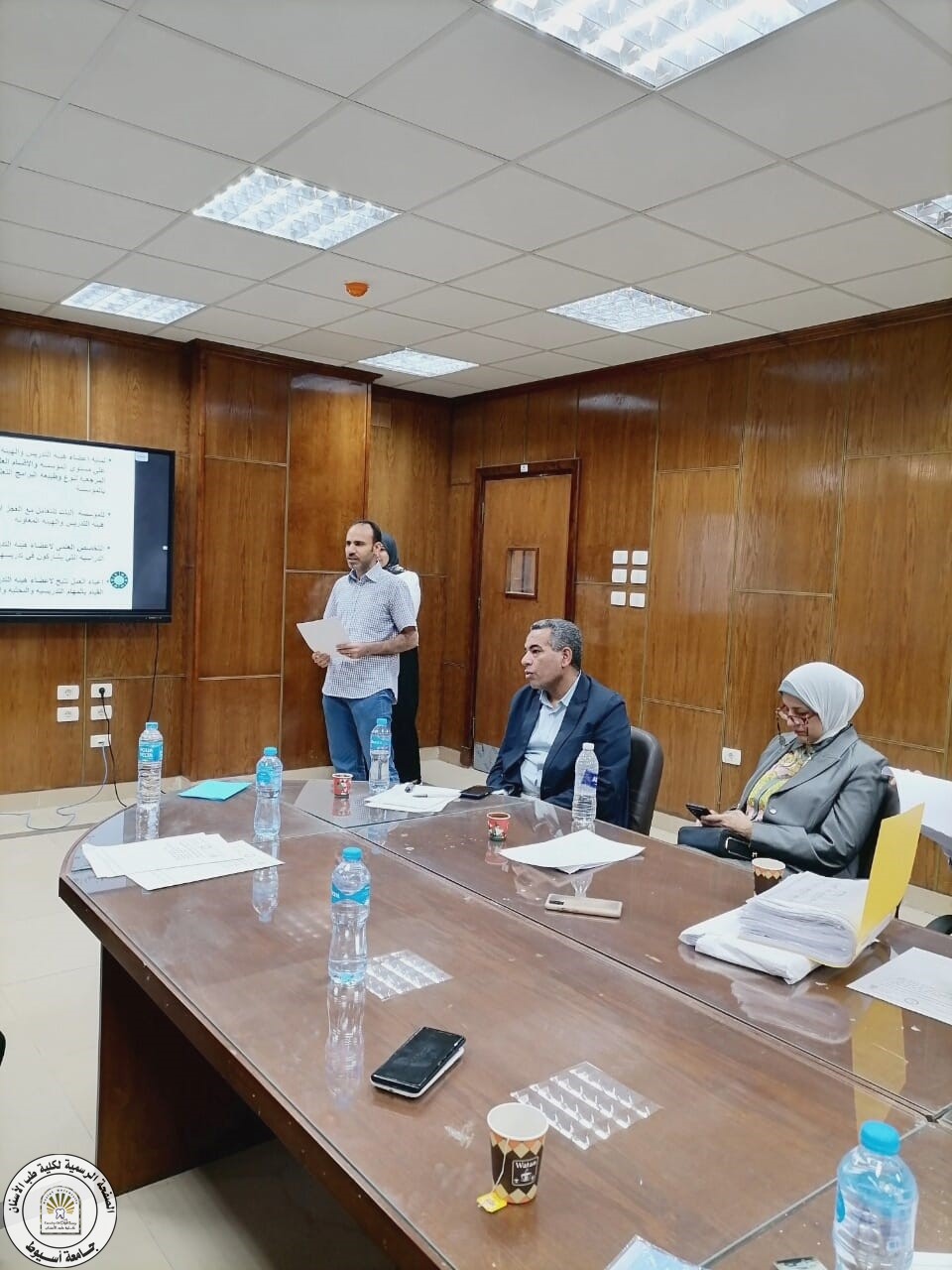
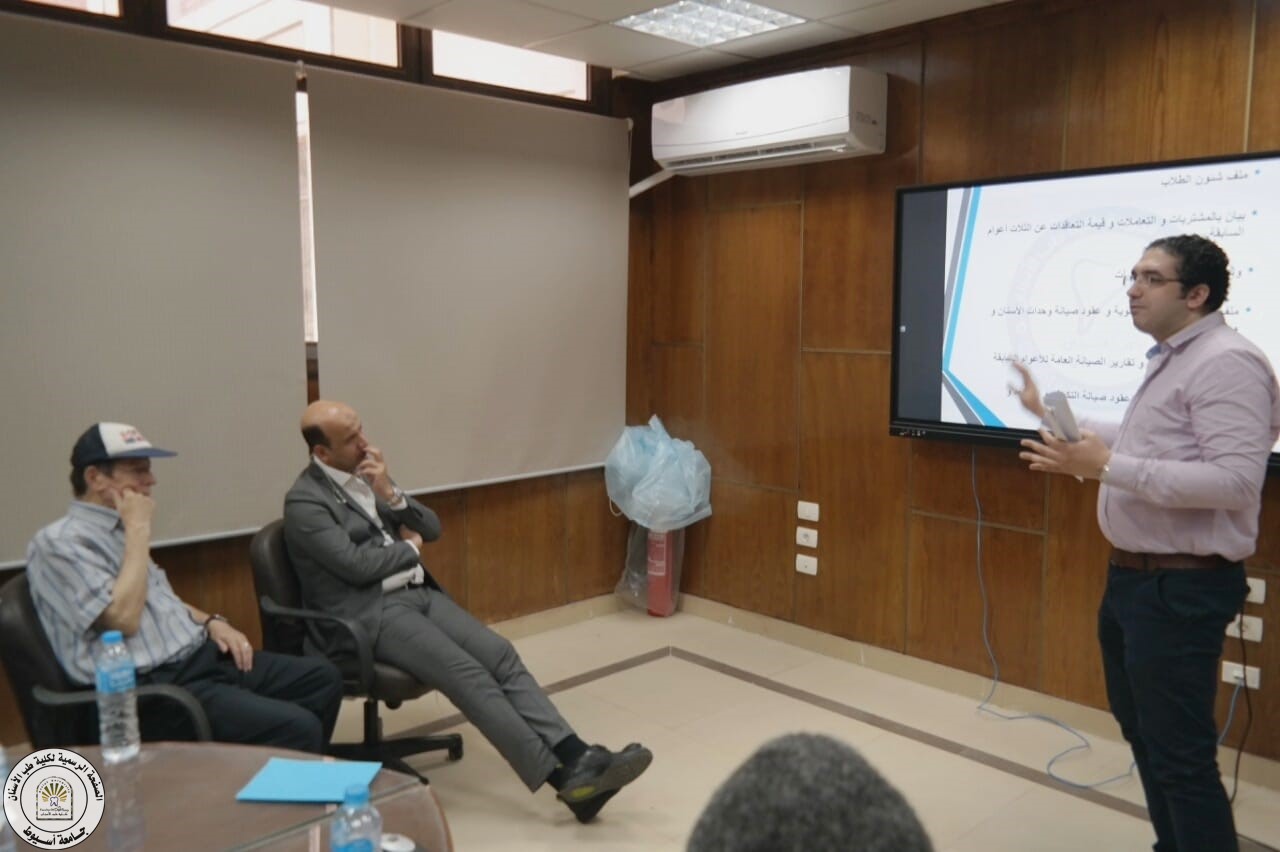
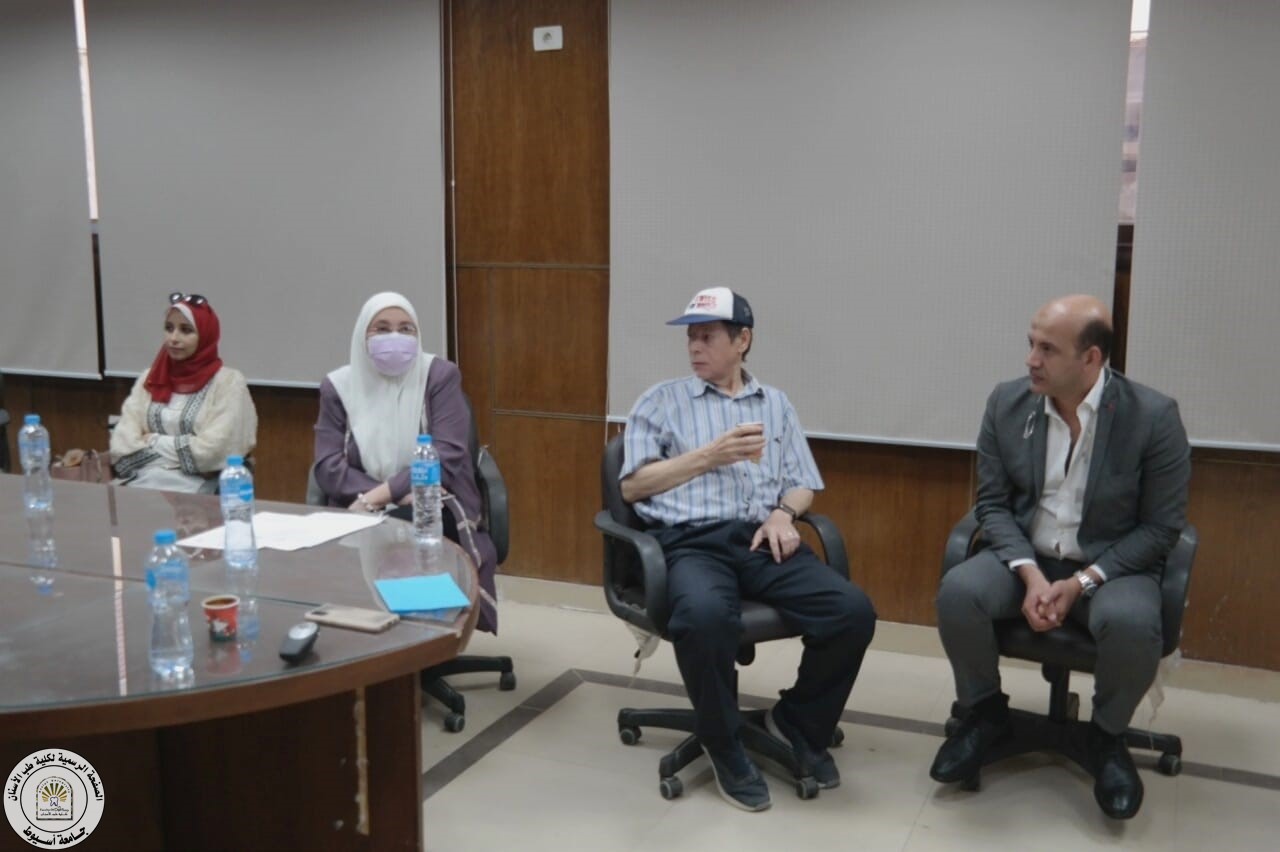
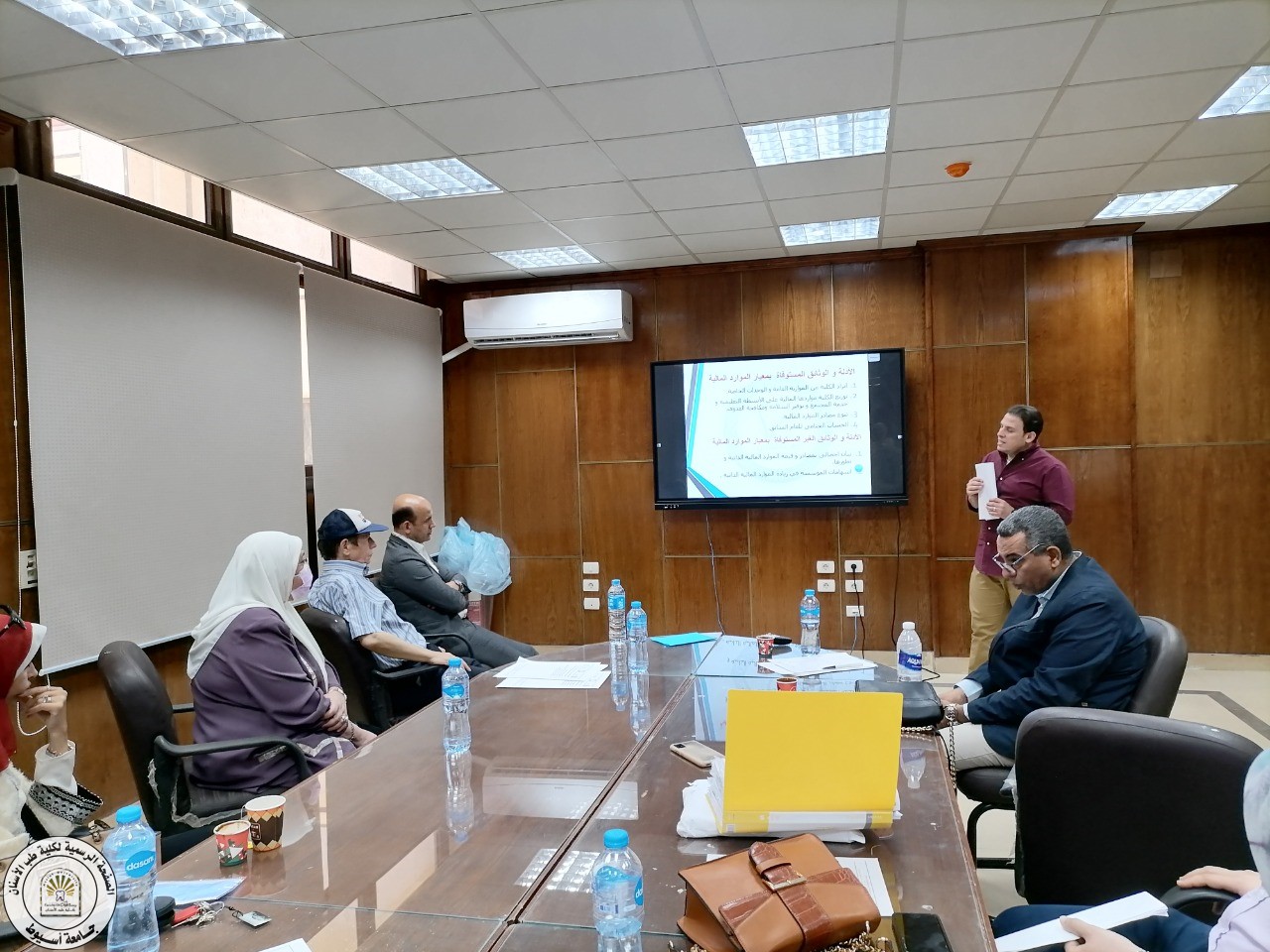
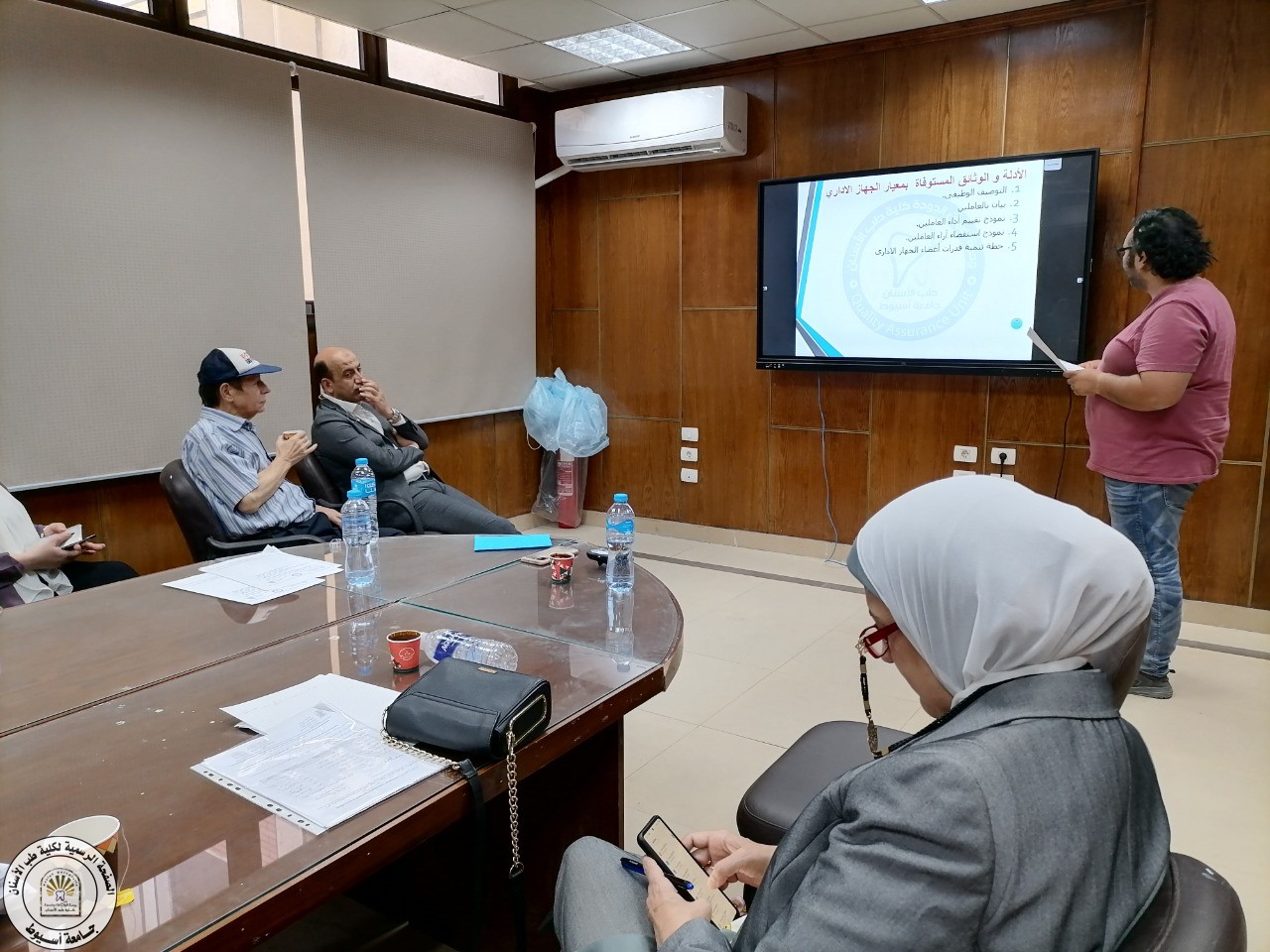
The monthly meeting of the Quality Assurance Unit was held on Wednesday 15/6/2022 in the presence of:

Prof. Dr. / Mohamed Abdel Majid Qatamesh (Dean of the College)

Prof. Ibrahim Ahmed Ismail (Director of the Quality Assurance Center at the university)

Prof. Naglaa Taha El-Meligy (Dean of the College for Education and Student Affairs)

Prof. Hebat Allah Jamal Al-Din Rashid (Dean of the College for Community Service and Environmental Development)

Dr. Al-Zahraa Ibrahim Al-Ghariani (Director of the Quality Assurance Unit)

Dr. Rana Mohamed Hashem (Deputy Director of the Quality Assurance Unit)

And the standards coordinators, in which they discussed what has been accomplished in the quality file and the extent of the college's readiness to conduct a simulation visit, as part of the necessary procedures to obtain accreditation and quality.

......


On Wednesday 15/6/2022 at twelve o'clock the meeting No. (4) of the College Council was held, in the presence of:

Prof. Dr. Muhammad Abdul Majeed Qatamish (Dean of the College),
Prof. Naglaa Taha El-Meligy (Dean of the College for Education and Student Affairs),
Prof. Hebat Allah Jamal Al-Din Rashid (Dean of the College for Community Service and Environmental Development Affairs),
Dr. Mohamed Nahed Attia (Hospital Director),
Mr. Al-Muntasir Hussain Ahmed (Secretary General of the College), and heads of departments to discuss the agenda.


Subscribe to