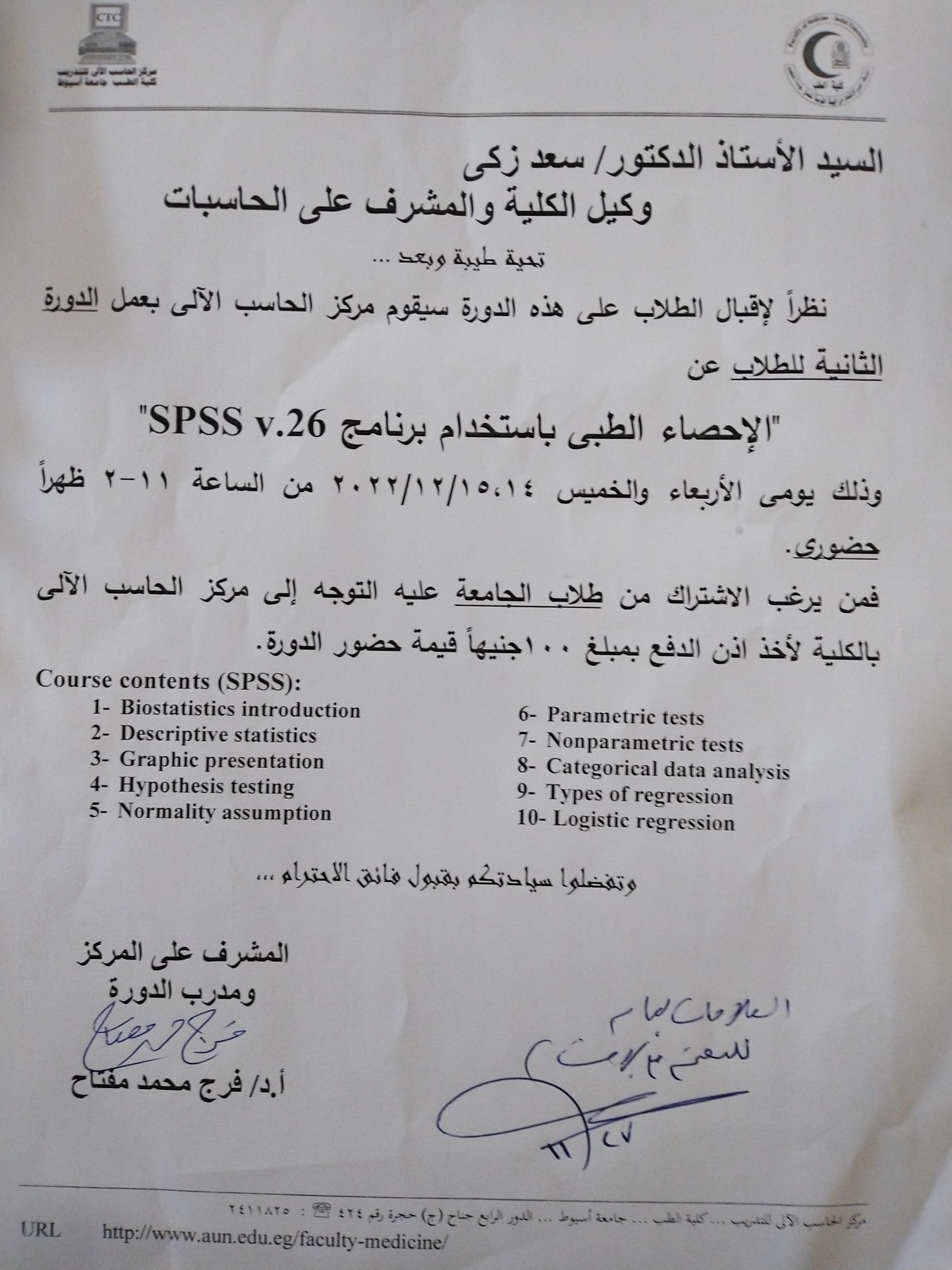
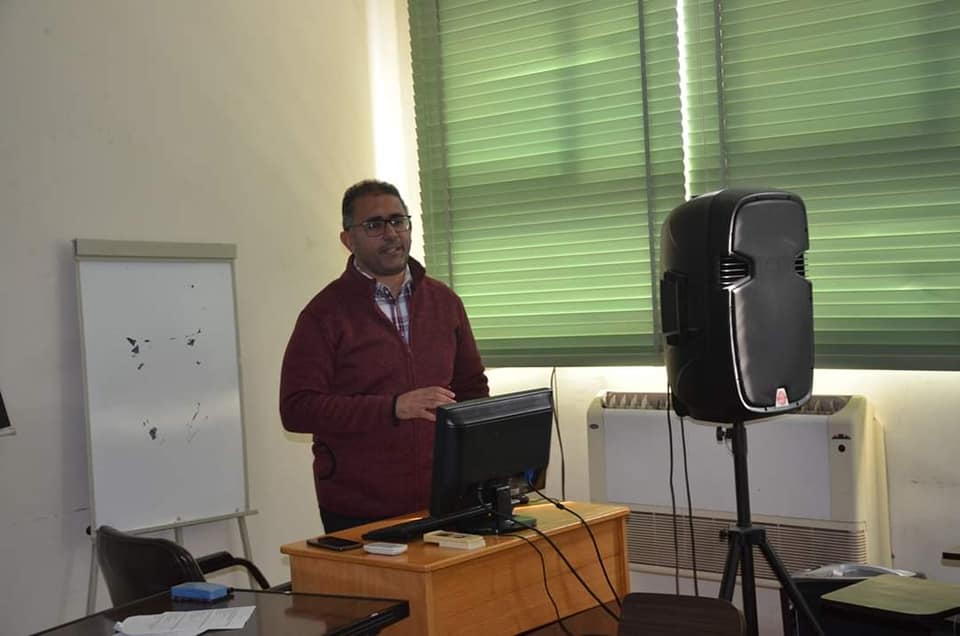
A delegation from the Ministry of Planning to follow up the major projects taking place at Assiut University visited the Trauma, Emergency and Microscopic Surgery Hospital
وفدا من وزارة التخطيط لمتابعة المشروعات الكبرى التي تجري في جامعة اسيوط في زيارة لمستشفى الإصابات والطوارئ والجراحات الميكروسكوبية، مستشفى الأورام الجديدة ٢٠٢٠.
يضم الوفد الدكتور محمد المغربى المشرف على قطاع التنمية البشرية والإجتماعية، والأستاذ بدر عثمان المشرف على الإدارة العامة للتعليم العالى والبحث العلمى، والدكتور يوسف أبو الفضل الباحث بالإدارة العامة للتعليم العالى والبحث العلمى، والاستاذة شيماء سمير الباحثة بقطاع اعداد ومتابعه الخطة القومية .
وقد استقبل الوفد الأستاذ الدكتور علاء عطية عميد كلية الطب ورئيس مجلس إدارة المستشفيات الجامعية و الأستاذ الدكتور إيهاب فوزي المدير التنفيذي للمستشفيات الجامعية والأستاذ الدكتور اسامة فاروق المدير التنفيذي لمستشفى الإصابات والطوارئ.
وصاحب الزيارة والدكتور محمد حلمى الحفناوى مستشار رئيس الجامعة للشئون الهندسية، والأستاذ شوكت صابر أمين عام الجامعة، والأستاذ مصطفى حسن أمين الجامعة المساعد ، وعدد من مديرى إدارات الجامعة والعاملين بها المهندس محمد ثابت، مدير عام الشئون الهندسية، والأستاذ ميخائيل حنا كامل، مدير إدارة التخطيط، والأستاذة سناء محمد قطب، مدير إدارة المتابعة بالجامعة، والأستاذ أيمن شحاتة، مدير عام الإدارة الاستراتيجية، والأستاذ عصام عبدالحكيم فرغلى، والأستاذ أبوالحسن أحمد مرسى، والأستاذة ولاء محمود، والأستاذ محمد الليثى.
وتم عرض بعض الموضوعات علي اللجنة لدراسة تمويلها من قبل وزارة التخطيط وهي مشروع القسطرة المخية ومشروع جهاز المعجل الخطي للأورام ومشروع الحماية المدنية عناية مركزة للحروق
The President of Assiut University responds to the rumor of referring 130 doctors, nurses, and officials to the University Hospital
رئيس جامعة أسيوط يرد على شائعة إحالة 130 من أطباء وتمريض ومسئولين بالمستشفى الجامعي
ادارة الاعلام ؛
حذر الدكتور أحمد المنشاوى رئيس جامعة أسيوط، من الانسياق وراء الشائعات والأخبار المزيفة المنتشرة على مواقع التواصل الاجتماعي، مؤكدا أن هذه الشائعات تستهدف تشويه الانجازات، والتقليل من حجم الجهود المبذولة بمستشفيات جامعة أسيوط، وأضاف أنه من الضروري أخذ المعلومات من الصفحات الرسمية أو صفحات المراكز الإعلامية الرسمية.
وأوضح سيادته أنه من واقع عمليات الرصد والتحليل لما يتم نشره على مواقع التواصل الاجتماعي، تبين تناول شائعة تم تداولها تمثلت في إحالة 130 من الأطباء والتمريض والمسئولين بالمستشفى للتحقيق بعد زيارة أحد المسئولين.
ونفي رئيس الجامعة هذه الشائعة، مؤكدا على ما تشهده مستشفيات جامعة أسيوط من انجازات كبيرة، وخدمات طبية تقدم للمرضى من مختلف طبقات المجتمع بجميع محافظات الصعيد وبالمجان.
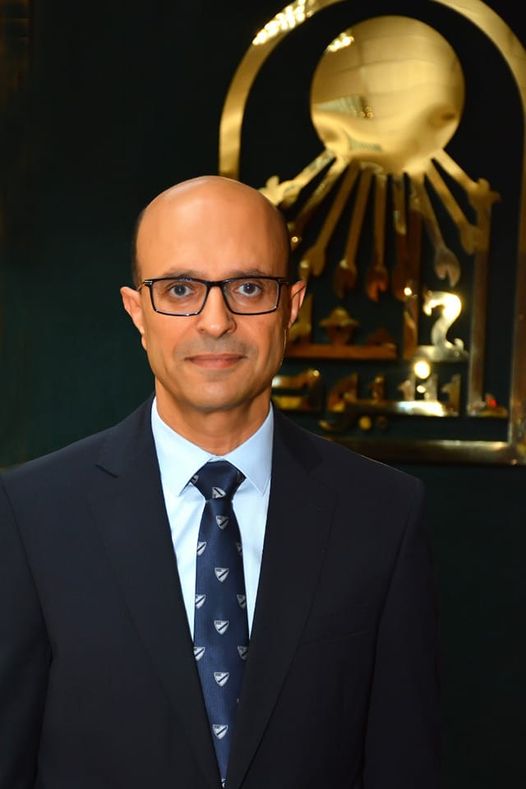
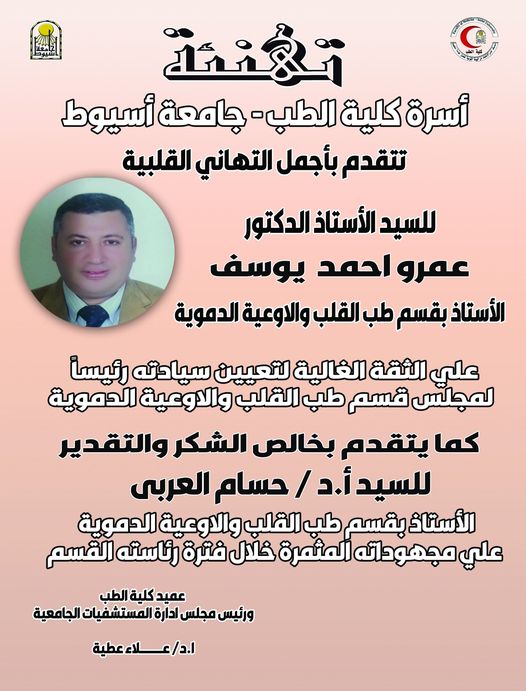
Congratulations to Prof. Dr. / Amr Ahmed Youssef - for his appointment as Chairman of the Board of the Department of Cardiovascular Medicine
ا. د/محمد أحمد شلبى أستاذ طب وجراحة المسالك البولية والمستشار الطبى لرئيس الجامعة.
ا. د/ ضياء الدين عبد الحميد نقيب الأطباء
ا. د/محمد اليمني رئيس قسم الباطنة
ا. د/ محمود عشرى أستاذ الباطنة ورئيس شرف المؤتمر
ا. د/ سمير كمال_ رئيس المؤتمر
ا. د/ علاء عمر الخطيب_ سكرتير المؤتمر
افتتاح
الموتمر السنوي لأمراض الباطنة والكلي
اليوم الاحد ٢٧ نوفمبر
وبحضور الاستاذ الدكتورة عفت عبد الهادي رئيس وحدة الكلى, والاستاذة الدكتورة أماني عمر وكيل كلية الطب لشئون التعليم والطلاب والاستاذ الدكتور سعد زكي وكيل الكلية لشئون خدمة المجتمع وتنمية البيئة وبمشاركة لفيف أعضاء هيئة التدريس من قسم الباطنة وكافة اقسام الكلية واطباء من الشرطة ووزارة الصحة والتامين الصحى.
وحول تفاصيل المؤتمر أفاد الاستاذ الدكتور سمير كمال أن المؤتمر يمتد لمدة يومان فى رحاب جامعة أسيوط ويناقش من خلال (٥٠ محاضرة علمية) الأمراض المتداخلة بين الباطنه والكلي و اقسام الكلية المختلفة مثل الصدرية والجهاز الهضمي والجلدية والعناية المركزة والجراحة العامة وجراحة المسالك وجراحة الأوعية الدموية والرمد وقسم الطب الشرعي والسموم والاشعة ومعهد جنوب مصر للأورام كما يتضمن ٣ ورش عمل تدور الاولي حول الحالات الحرجة و ٢ حول أمراض الكلى وهي كيفية سحب عينه من النسيج الكلوي؛ الغسيل الدموي.
والجزء الثاني من المؤتمر فى مدينة الغردقة ويناقش خلالها (٥٠ محاضرة علمية) تشخيص وعلاج امراض وزراعة الكلي؛ ويشارك فيها العديد من الأساتذة من مختلف جامعات مصر ومن الاردن والسعودية وألمانيا وانجلترا والولايات المتحدة الأمريكية.
In celebration of World Diabetes Day, an educational symposium was held for patients and nurses at the Diabetes and Endocrinology Center in the clinics
قبل بداية الندوة تم تنظيم ماراثون للمشى من مقر الندوة لكلية الطب والعكس لاظهار اهمية الرياضة في مكافحة مرض السكر حيث ان النشاط البدني من أهم العوامل لضبط مستوي السكر والحماية من الإصابة به.
وكان في استقبالهم:
ا. د/ أماني عمر وكيل كلية الطب لشئون التعليم والطلاب
ا. د/ سعد زكي محمود وكيل الكلية لشئون خدمة المجتمع وتنمية البيئة
والندوة تحت اشراف:
ا. د/ لبني التوني استاذ السكر والغدد الصماء.
ا. د/ صلاح عرجون استاذ الباطنة والسكر.
ا.د/ منال عز الدين رئيس وحدة السكر وأستاذ الباطنة والسكر والغدد الصماء
ا.د/ ولاء انور خليفة استاذ السكر والغدد الصماء
ا.د/سمياء حمدي صادق مدير العيادات
د/ هوايده خلف عبد العال مسئول التثقيف الصحى بالمركز
مس/سناء مزيد محمد مدير إدارة التدريب الفنى وتطوير التمريض والمشرف العام على العيادات الخارجيه
وتهدف الندوة لرفع الوعي الصحي عن خطورة مرض السكر ومضاعفاته وكيفية الوقاية منه والاشخاص الاكثر تعرضا للاصابة به؛ واهميه الغذاء السليم والمحافظة علي الصحة والرياضه وطرق العناية بالقدم السكرى وكيفيه التعايش مع المرضى.
On the occasion of World AIDS Awareness Day (December 1st), the Epidemiological Surveillance Unit, in cooperation with Plan, the Scientific Society and the Ministry of Health, organized an awareness campaign
ا. د/ مها كامل غانم نائب رئيس الجامعة لشئون خدمة المجتمع وتنمية
ا. د/ علاء عطية عميد كلية الطب ورئيس مجلس إدارة المستشفيات الجامعية
ا.د/ امانى عمر وكيل الكلية لشئون التعليم والطلاب
ا. د/ سعد زكي محمود وكيل الكلية لشئون خدمة المجتمع وتنمية البيئة
وتحت إشراف
ا. د/ اميمة الجبالي_ استاذ الصحة العامة
بمناسبة اليوم العالمي للتوعية بمرض الأيدز
(الاول من ديسمبر)
وتضامنا مع البرنامج القومي للايدز
التابع لوزارة الصحة
نظمت وحدة الترصد الوبائي بالتعاون مع هيئة بلان و الجمعية العلمية ووزارة الصحة حملة توعية بالوباء تستهدف الشباب من الطلاب و العاملين بالكلية.
والهدف من الاحتفال به إذكاء الوعي بهذا الوباء من أجل التصدي له.
بعض اهدف البرنامج القومي:
التعريف بطرق الانتقال وكيفية الوقاية.
التعريف بعناوين مراكز المشورة والفحص الاختياري الثابت والمتنقل.
وما الاختبارات التي يجب اجراؤها لاكتشاف الإصابة بفيروس نقص المناعة البشري.
هل يمكن للمتعايش مع فيروس نقص المناعة ان يعيش بصحة جيدة
ما الفرق بين الايدز وبين فيروس نقص المناعة البشري.
هل المتعايش مع فيروس نقص المناعة ليس بالضرورة مصابا بالإيدز.
الشريطة الحمراء هي الرمز الدولي للتضامن مع مرضى الإيدز
The Research Funding Unit at the College of Medicine announces a workshop on Sunday, December 4 at 12 noon, in the auditorium of the Quality Assurance Unit, fifth floor
 Do you have any questions?



 التعريف بطرق الانتقال وكيفية الوقاية.
 الشريطة الحمراء هي الرمز الدولي للتضامن مع مرضى الإيدز