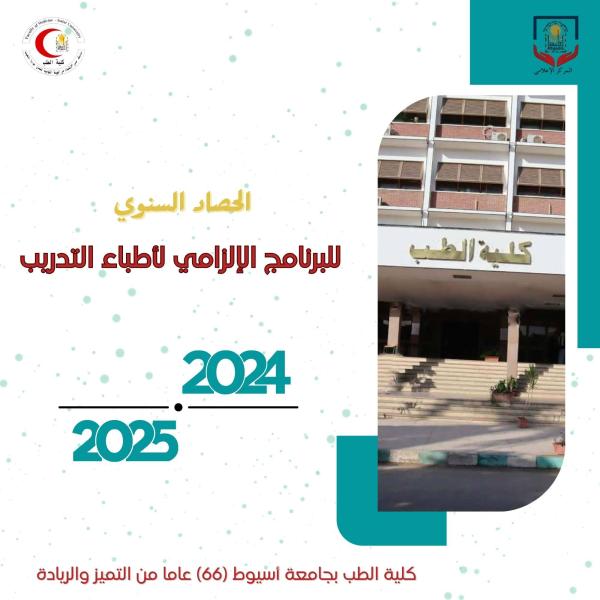
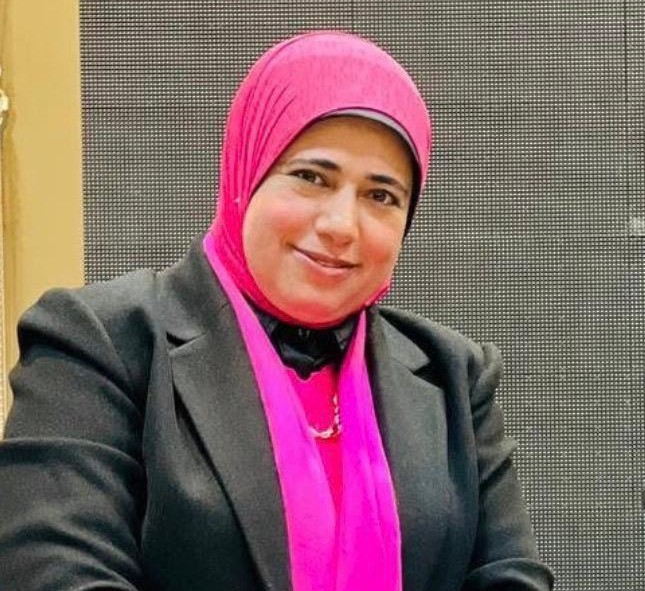
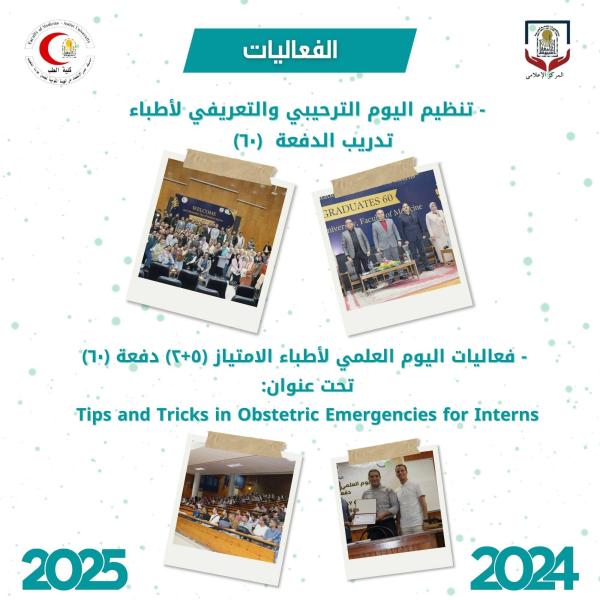
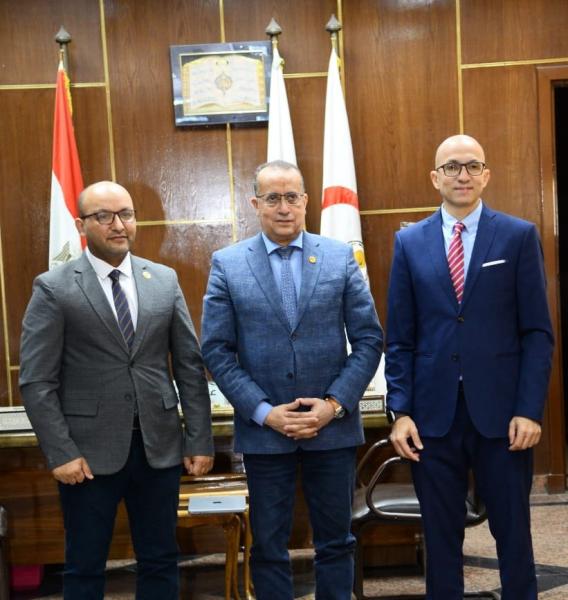
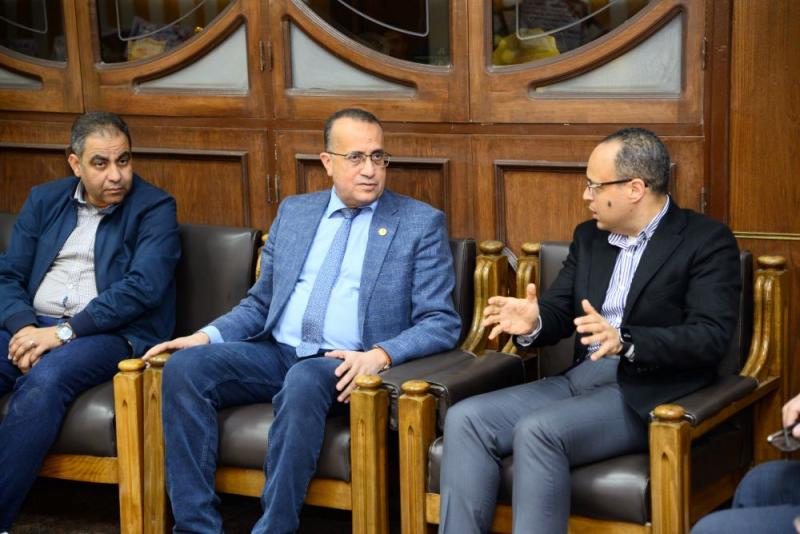
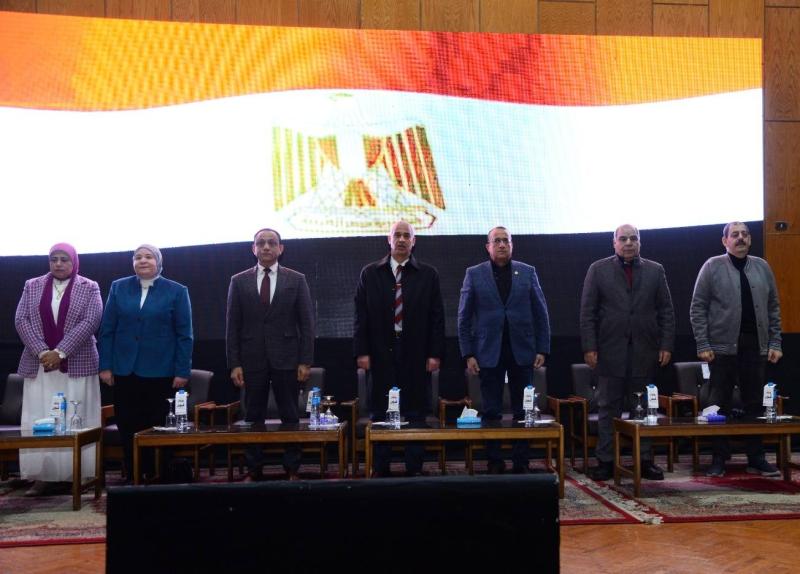
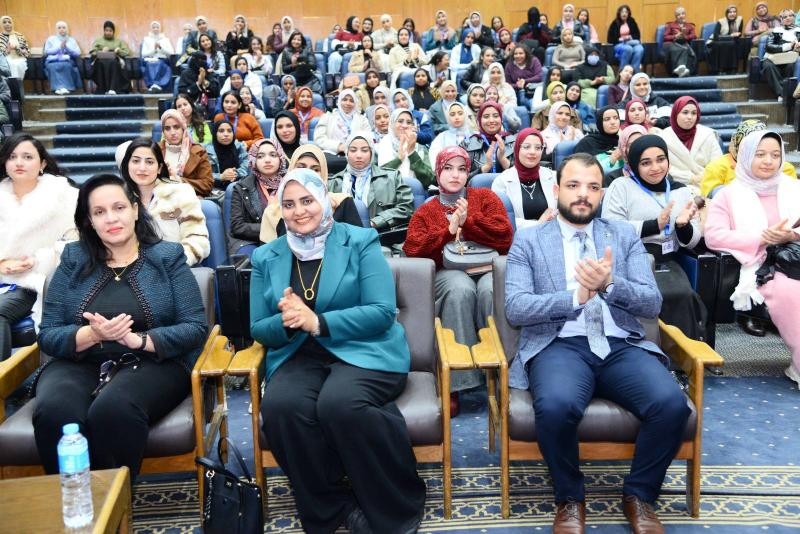
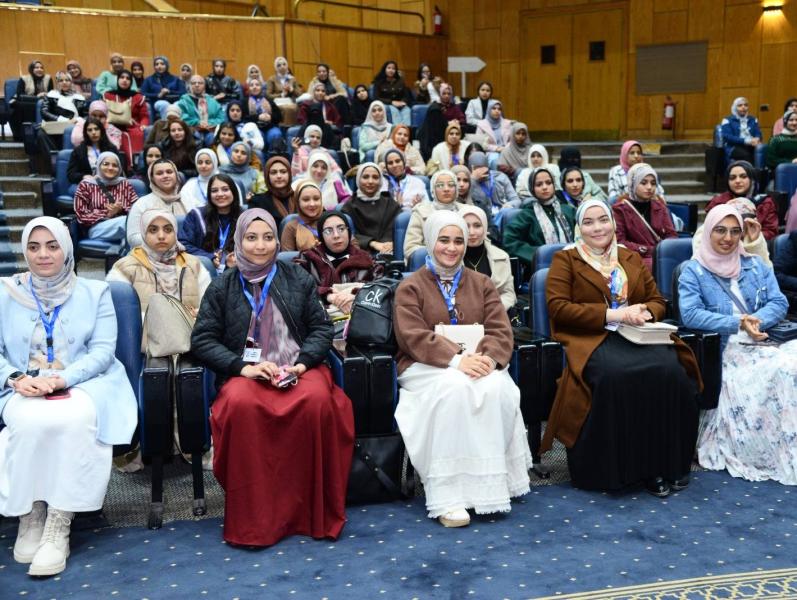
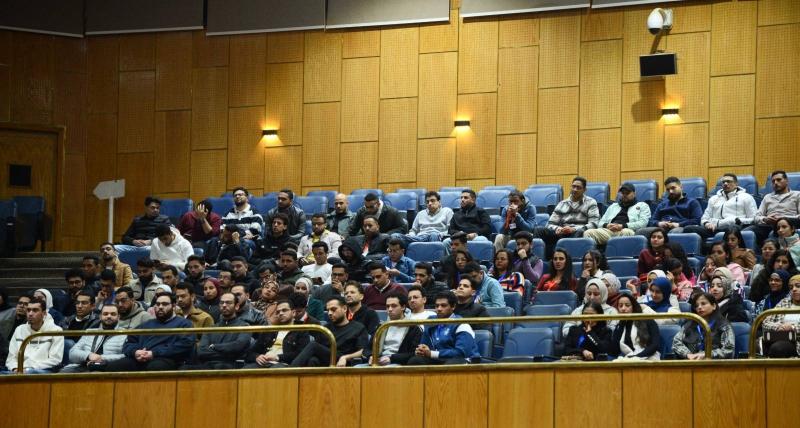
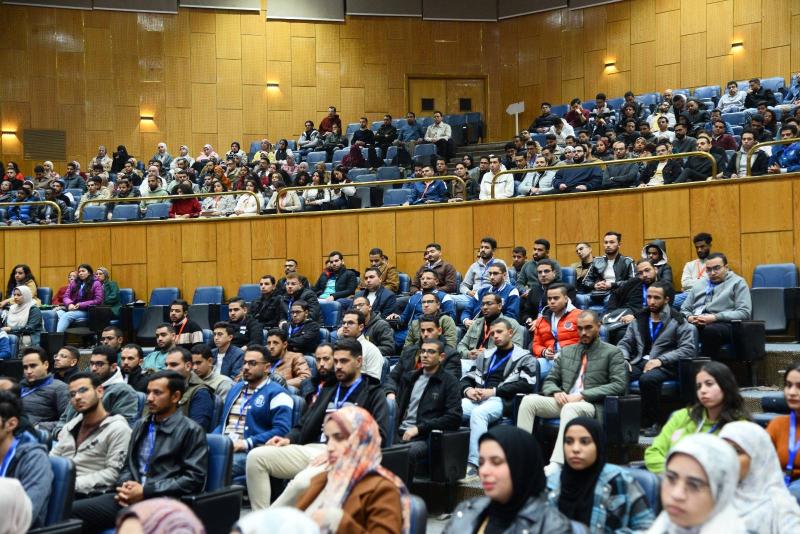
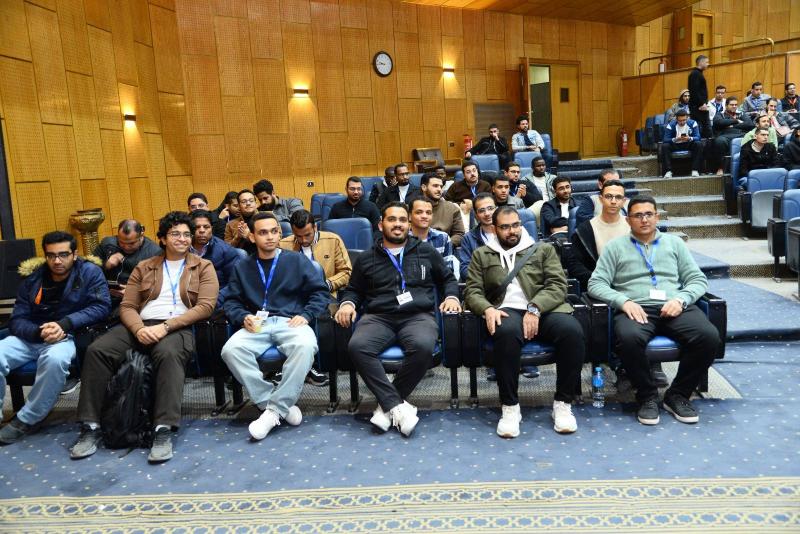
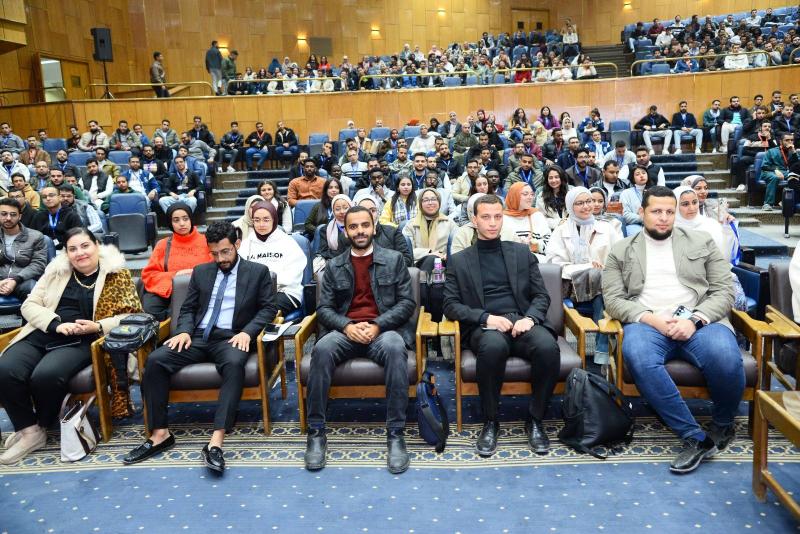
نظمت كلية الطب بجامعة أسيوط، يوم ترحيبي وتعريفي لأطباء تدريب الدفعة (61)، وذلك تحت رعاية الأستاذ الدكتور أحمد المنشاوي، رئيس الجامعة، والأستاذ الدكتور علاء عطية، عميد كلية الطب ورئيس مجلس إدارة المستشفيات الجامعية، والأستاذ الدكتور محمد عبد الرحمن، وكيل كلية الطب لشئون التعليم والطلاب، والأستاذة الدكتورة سهير قاسم، مدير البرنامج الإلزامي لأطباء التدريب.
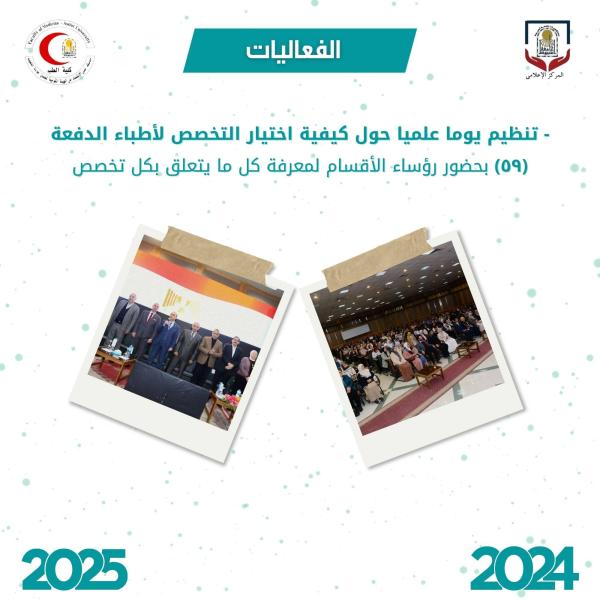
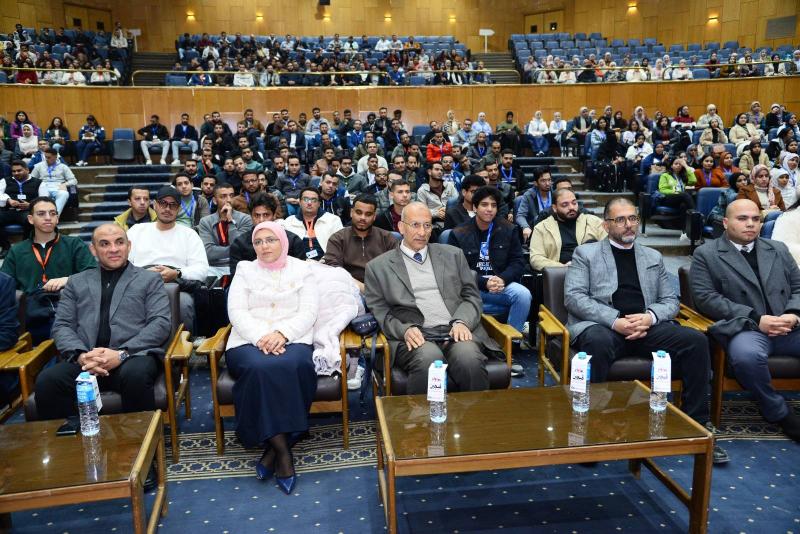
شهد اليوم حضور الأستاذ الدكتور أحمد عبد المولى، نائب رئيس الجامعة لشئون التعليم والطلاب، والأستاذ الدكتور جمال بدر، نائب رئيس الجامعة لشئون الدراسات العليا والبحوث، والأستاذة الدكتورة هدى مخلوف، وكيل كلية الطب لشئون خدمة المجتمع وتنمية البيئة، والأستاذ الدكتور خالد عبد العزيز، مدير المستشفى الرئيسي، إلى جانب عددا من أعضاء هيئة التدريس، وشباب الأطباء.
في مستهل كلمته قدم الأستاذ الدكتور أحمد عبد المولى، التهنئة لأطباء الدفعة (61)، بمناسبة بدأهم لمرحلة جديدة في مسيرتهم العملية، مشيدا بالدور الريادي الذي تلعبه كلية الطب، وما توفره من بيئة تعليمية متميزة، ساهمت في تخريج كوادر طبية على أعلى مستوى من الكفاءة والمهنية، قادرة على المنافسة والتميز، مشيرا إلى أن سنة التدريب تعد هي المرحلة الحقيقية لبناء الشخصية المهنية للطبيب، متمنيا التوفيق لهم فيما هو قادم.
وأوضح الأستاذ الدكتور علاء عطية، أن مرحلة الامتياز ليس مجرد استكمال لمتطلبات التخرج، بل هي وسيلة للانتقال من المرحلة النظرية إلى مرحلة التطبيق، مؤكدا على أن إدارة الكلية والمستشفيات الجامعية لن تدخر جهداً في توفير بيئة تعليمية وتدريبية متميزة، تضمن صقل مهاراتهم وتطوير قدراتهم، موجها النصح لهم بأهمية العمل بروح الفريق الواحد؛ فالمستشفيات منظومة متكاملة لا تنجح إلا بتكاتف الطبيب مع زملائه من كافة التخصصات وهيئات التمريض والفنيين.
وفي سياق متصل، أكد الأستاذ الدكتور محمد عبد الرحمن، على أن هذا اليوم جاء بمثابة دليل إرشادي للدفعة (61)، حيث يجمع بين الجوانب العلمية واللوائح الإدارية، مضيفا أن الكلية تسعى لتذليل كافة العقبات أمام أطباء الامتياز لضمان تحقيق أقصى استفادة من فترة التدريب الإلزامي.
من جانبها، وجهت الأستاذة الدكتورة هدى مخلوف، عددا من النصائح لأطباء التدريب، للاستفادة من الخبرات العملية من أساتذتهم وزملائهم، خلال هذه المرحلة، مؤكدة على أهمية التعليم المستمر، لمواكبة تسارع العلوم الطبية، وأضافت أنه يجب الحفاظ الكامل على خصوصية المريض، وترسيخ قيم الاحترام المتبادل بين كافة أفراد الطاقم الطبي أساس لكل نجاح.
وأشار الأستاذ الدكتور خالد عبد العزيز، إلى أن المستشفيات تفتح أبوابها وكافة أقسامها لتوفير تدريب إكلينيكي يلتزم بأعلى معايير الجودة، مشيراً إلى أن الإدارة ستذلل كافة العقبات أمام أطباء التدريب، لضمان إتقانهم للمهارات الإكلينيكية والتعامل مع اللوائح المنظمة للعمل بالمستشفيات الجامعية.
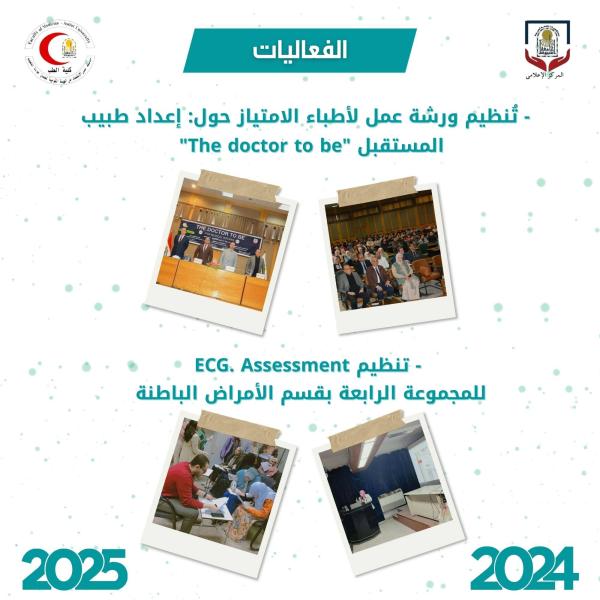
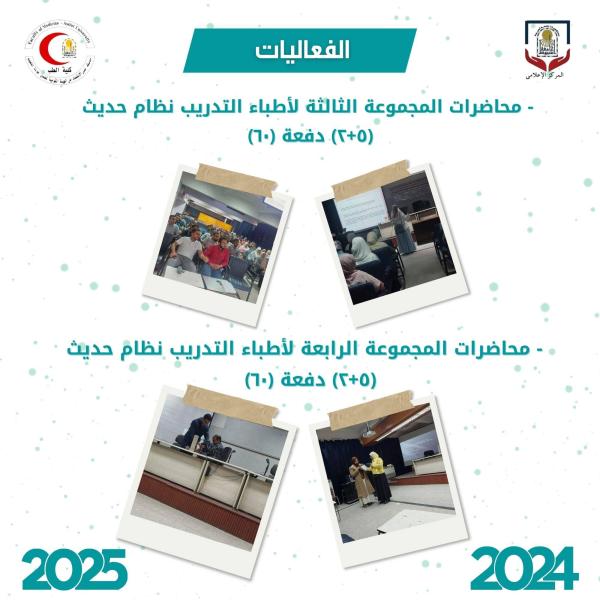
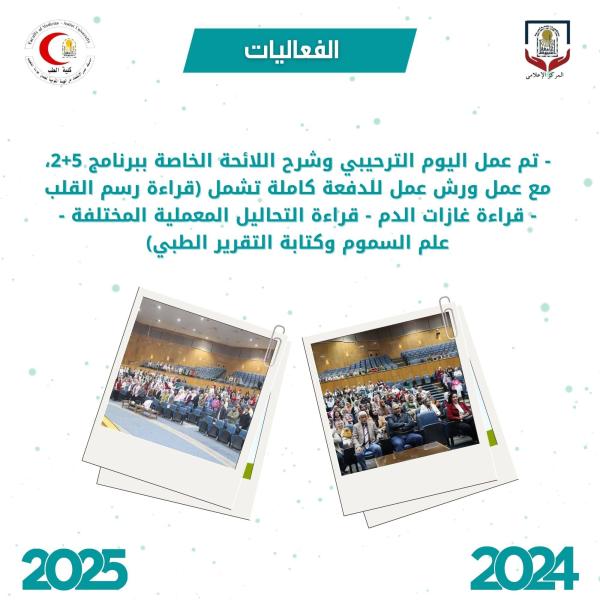
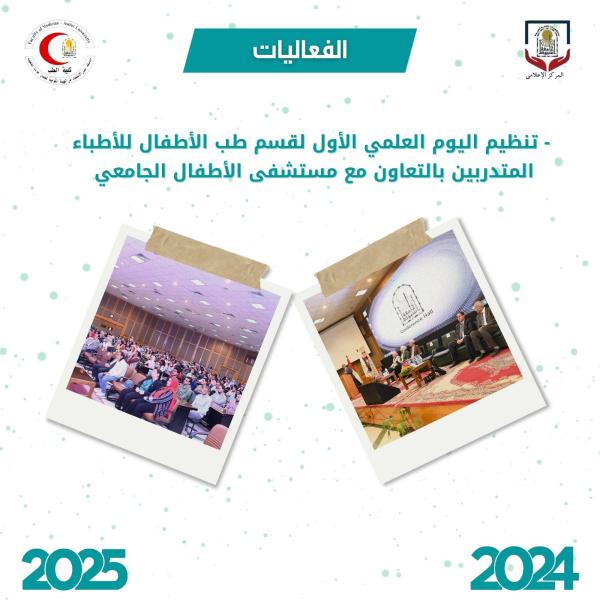
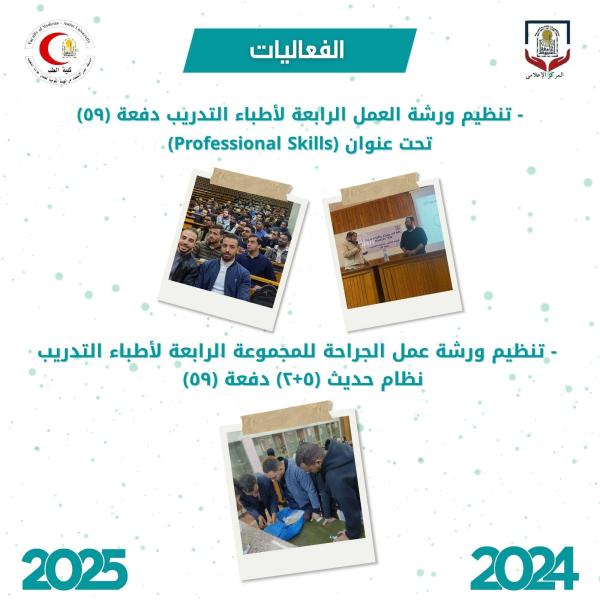
وذكرت الأستاذة الدكتورة سهير قاسم، إلى أن اليوم شهد عده محاضرات متنوعة حيث قمت بالحديث عن أبرز اللوائح والقوانين المتعلقة بسنه الامتياز، كما تضمن اليوم محاضرة بعنوان ما وراء المعطف الأبيض: من المعرفة الطبية إلى الحكمة الإكلينيكية، للأستاذ الدكتور محمود عبد العليم، ومحاضرة تعريفية عن قسم الجراحة، للأستاذ الدكتور محمود ثابت، إلى جانب محاضرة تعريفية عن قسم أمراض النساء والتوليد، للدكتور محمد عبد الله، ومحاضرة تعريفية عن قسم طب الأطفال، للأستاذة الدكتورة نجلاء سامي، ومحاضرة بعنوان الخطوة الأولى نحو القمة: اتقان سنه الامتياز، للدكتورة أماني حشمت، ومحاضرة بعنوان الخبرات السابقة والعلاقات المهنية، حاضر فيها عددا من أطباء التدريب.
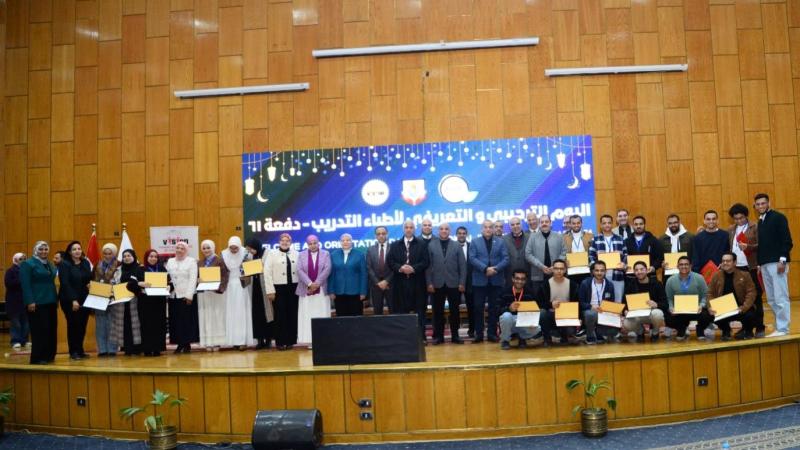
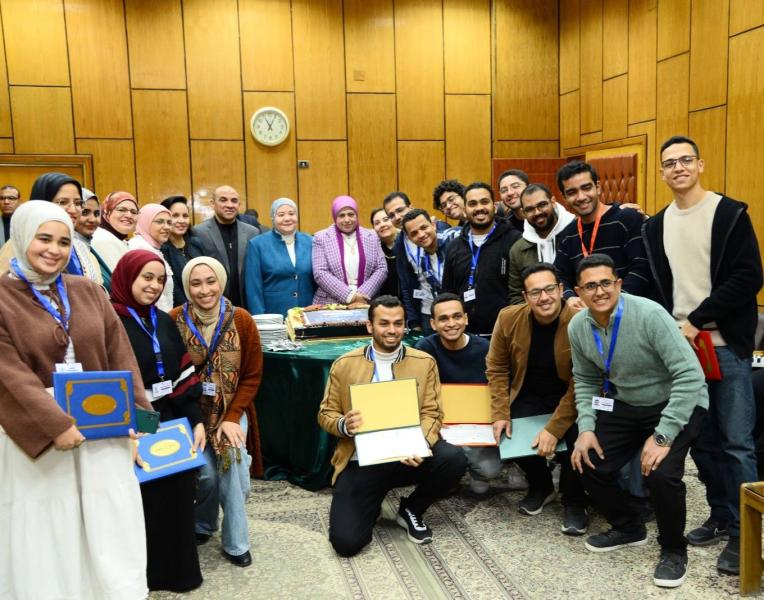
اختتمت فعاليات اليوم بتكريم قادة الدفعة (61)، واللجنة المنظمة من أطباء التدريب، تقديرا لجهودهم المتميزة.
 Do you have any questions?