 Do you have any questions?

consolation

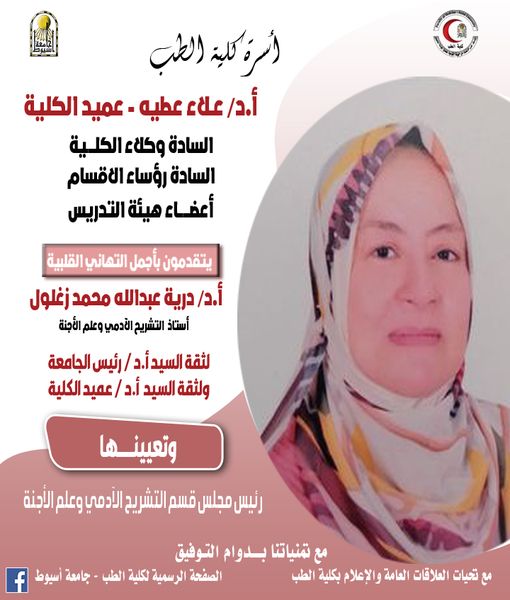
Congratulations to Professor Dr. Doria Abdullah Zaghloul on her appointment as Head of the Department of Human Anatomy and Embryology
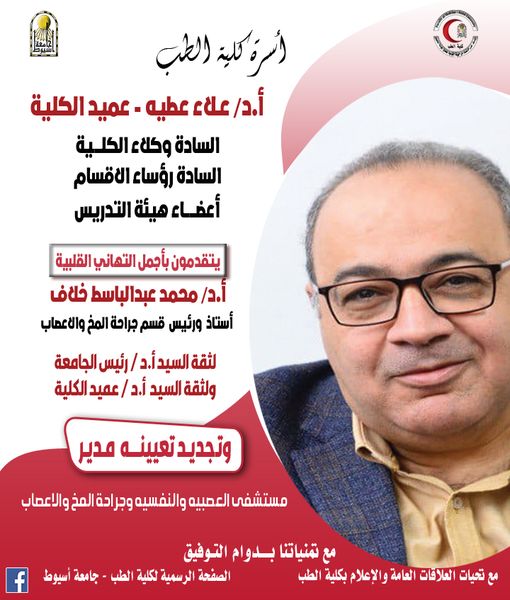
Congratulations to Professor Dr. Mohamed Abdel-Basset Khilaf, Professor and Head of the Department of Neurosurgery, on his renewed appointment as Director of the Neurology, Psychiatry and Neurosurgery Hospital.
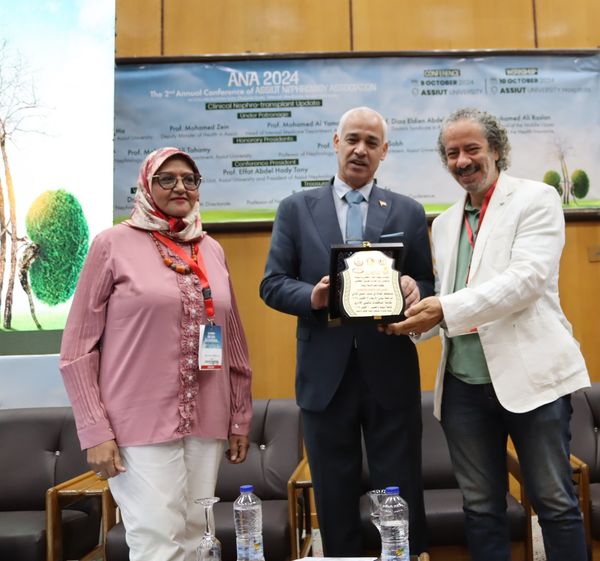
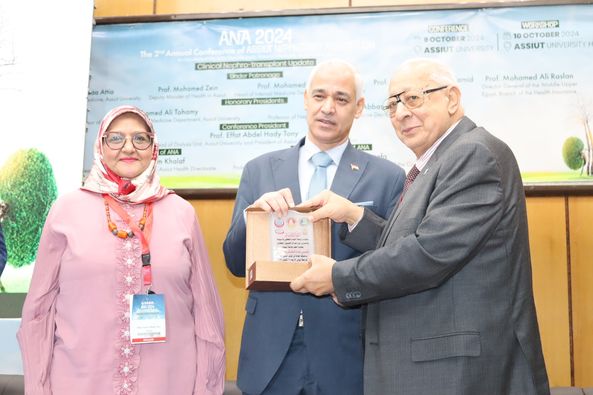
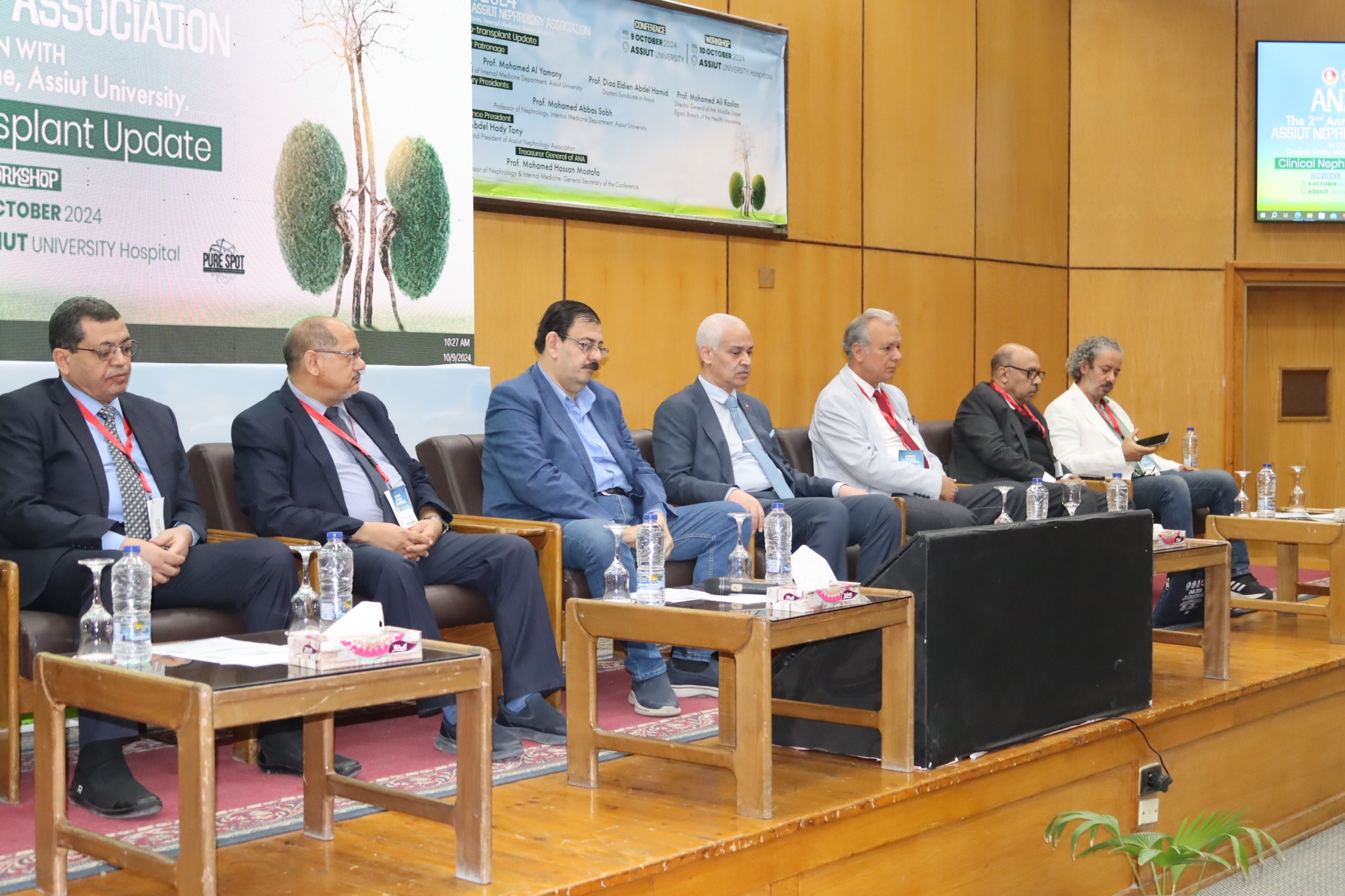
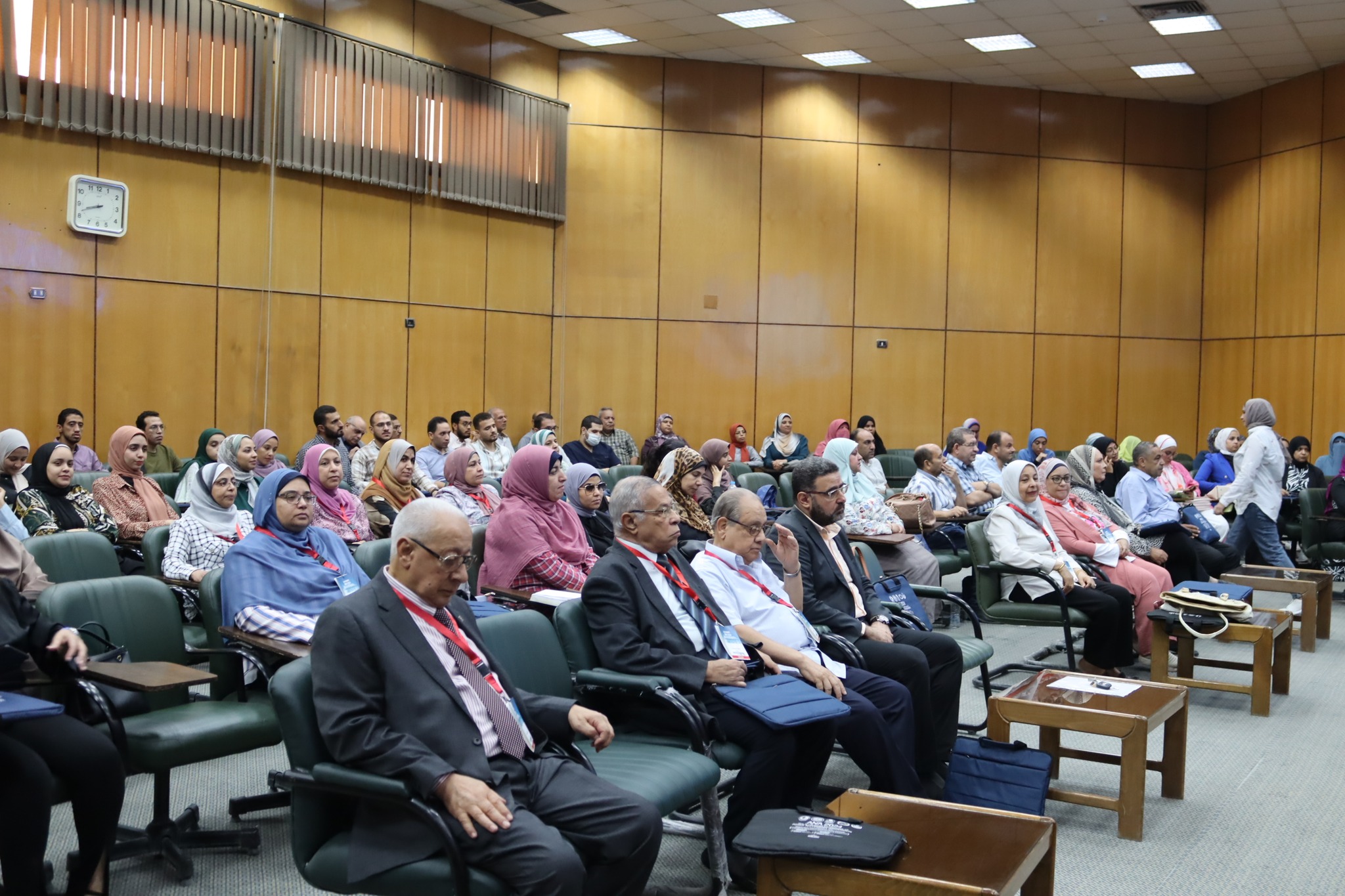
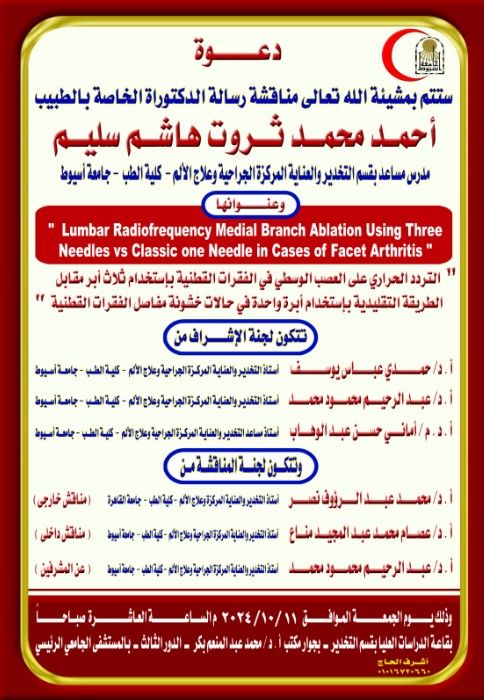
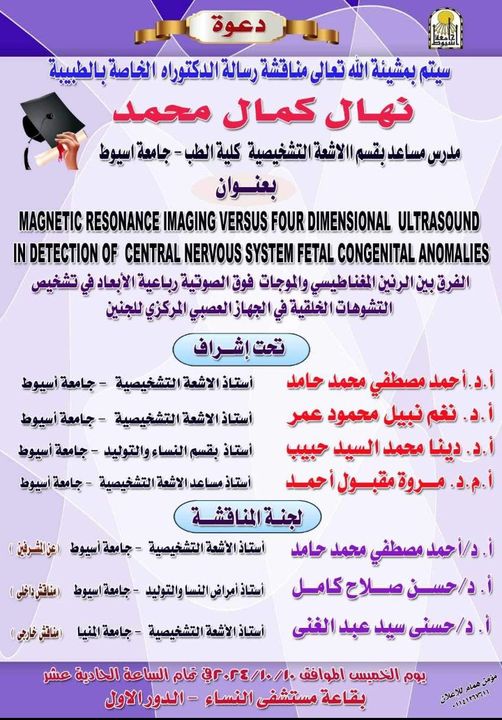
Discussion of the doctoral thesis submitted by Dr. Ahmed Mohamed Tharwat Hashem Selim - Assistant Lecturer, Department of Anesthesia, Surgical Intensive Care and Pain Management - Faculty of Medicine - Assiut University
This study investigates the genetic characteristics of Capillaria isolates from the infected fish, Bagrus bajad, and their relation to human Capillaria philippinensis using Random Amplified Polymorphic DNA (RAPD-PCR) analysis. Fifteen fish Capillaria were isolated and compared to identified human C. philippinensis using six primers: M-are, M-1, G-7, G-11, G-15, and G-18.
All six primers successfully amplified DNA, highlighting their efficacy in distinguishing between human and fish Capillaria isolates. The analysis revealed distinctive banding patterns between fish and human isolates, with variations in size and number of DNA fragments. Additionally, genetic similarity analysis showed intriguing patterns of relatedness, with certain pairs exhibiting high similarity percentages. Comparative assessment of RAPD polymorphism demonstrated consistent findings of 100% polymorphism across all primers. The Unweighted Pair Group Method with Arithmetic Mean Algorithm (UPGMA) evaluated the closest relationship between human and fish isolates. These results underscore the utility of RAPD analysis in delineating the genetic diversity among Capillaria isolates from different hosts.
Overall, this study contributes to our understanding of the genetic variability and relatedness among Capillaria isolates, shedding light on their evolutionary dynamics and zoonotic potential.
Fascioliasis, a zoonotic trematode caused by Fasciola hepatica and F. gigantica (liver fluke),
is primarily a disease of herbivorous animals as sheep and cattle. Humans become accidental infected
by ingesting uncooked contaminated aquatic plants such as watercress or water.
The study enrolled 135 proven fascioliasis patients diagnosed clinically, laboratory, and serologically,
from MOH Fever Hospital and Assiut University Hospitals (Internal Medicine, Children
and Al Rajhy) in period from October 2018 to September 2019.
The results showed that patients were from Manfalut City suburbs, urban areas (88.9%) with
ages ranged between 13 & 69 (45.98±22.14) years and (57.8%) were females. The high infection
rate in adults (63%) aged 25-64years with significant relations between eosinophilia and
Fasciola antibody titer, as well as HFL and Fasciola extraction with ERCP